 English
 русский
Content
- 1 What Baking Parchment Paper Actually Is
- 2 Bleached vs. Unbleached Parchment Paper
- 3 Temperature Limits and Oven Safety
- 4 What You Can and Can't Use It For
- 5 How to Line a Baking Tin Properly
- 6 Reusing Parchment Paper: When It Works and When It Doesn't
- 7 Parchment Paper vs. Silicone Baking Mats
- 8 Practical Tips for Getting More Out of Every Roll
What Baking Parchment Paper Actually Is
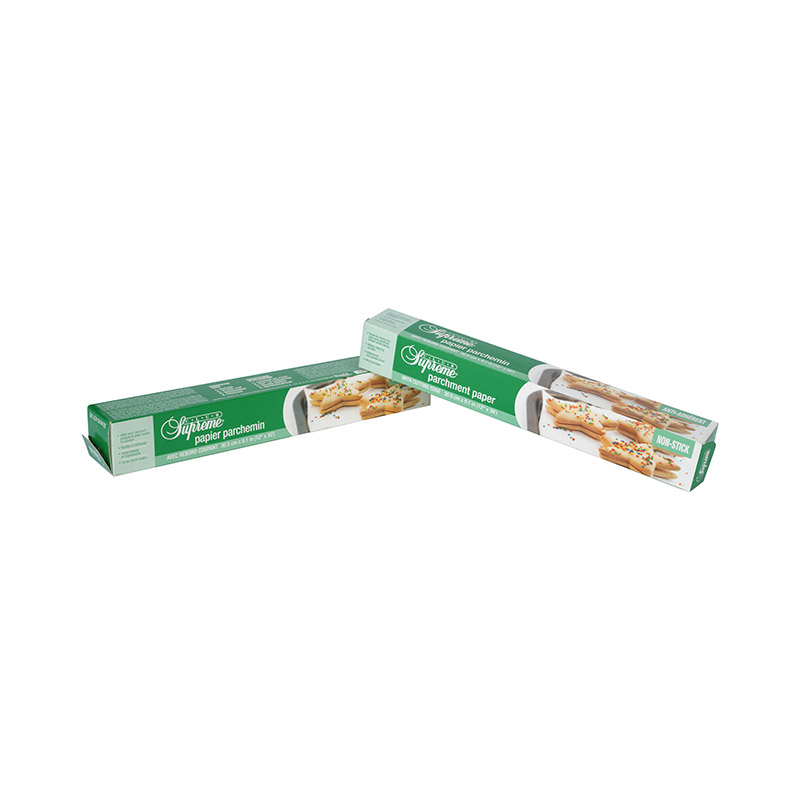
Baking parchment paper is a cellulose-based paper that has been treated with silicone to create a non-stick, heat-resistant, and moisture-resistant surface. The silicone coating is what distinguishes it from ordinary paper — it is what allows food to release cleanly from the surface without greasing, prevents moisture from soaking through during baking, and enables it to withstand oven temperatures without scorching or catching fire under normal use conditions. The result is a paper that sits between your baked goods and the pan, doing quiet but essential work every time you use it.
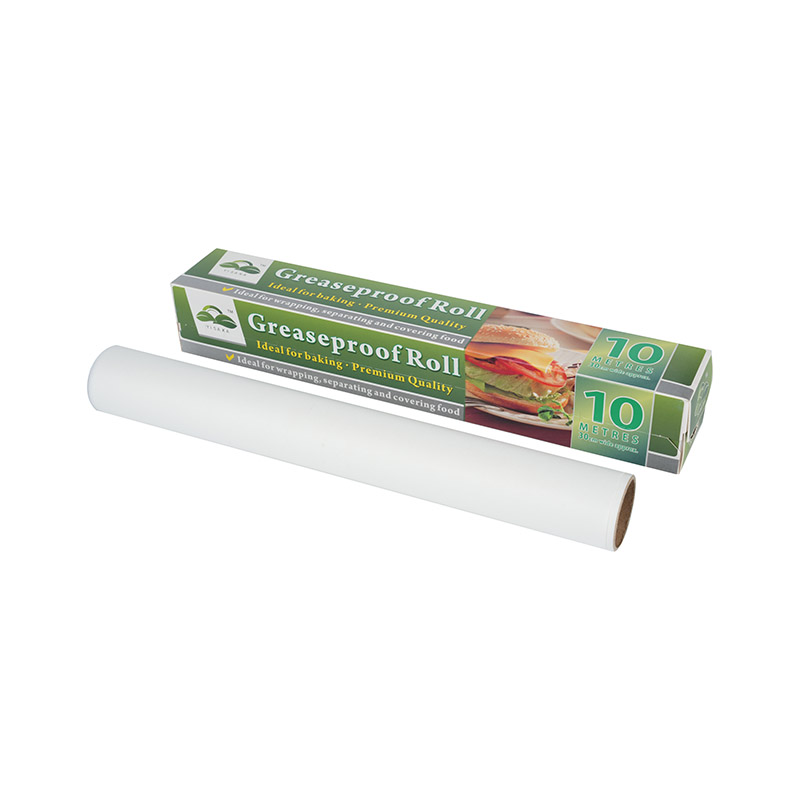
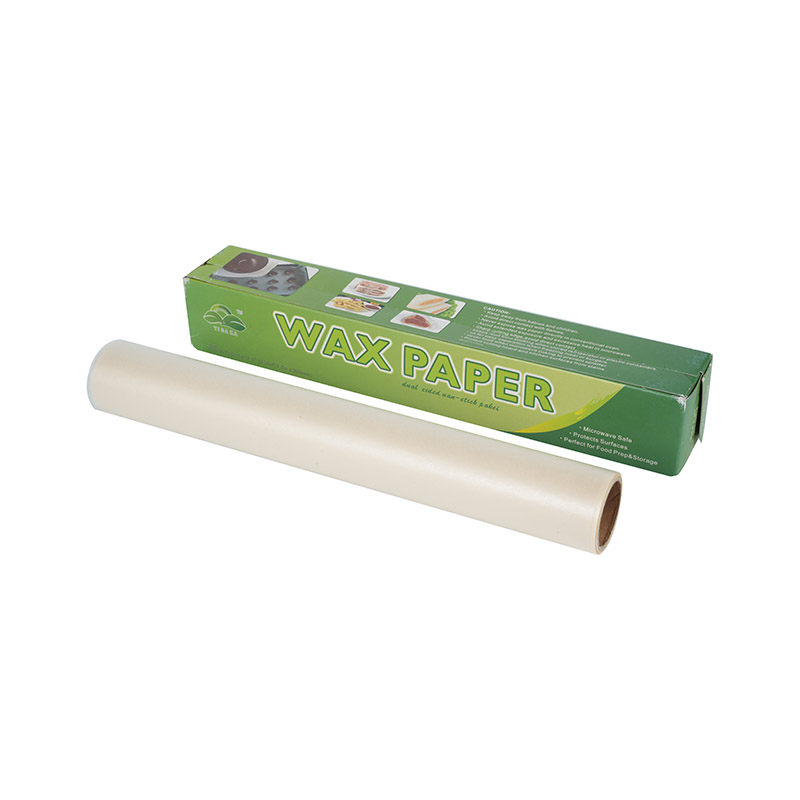
Parchment paper for baking is sometimes confused with wax paper, greaseproof paper, or baking foil — all of which look similar but behave very differently in the oven. Wax paper is coated with paraffin wax rather than silicone, which means it is not heat-safe and will smoke or melt if put in the oven. Greaseproof paper resists grease but has no silicone coating and no meaningful non-stick properties. Aluminum foil conducts heat in ways parchment does not, which affects how the underside of baked goods browns. Knowing what you are actually working with — and what you are not — prevents a surprising number of baking problems before they start.
Bleached vs. Unbleached Parchment Paper
Walk down the baking aisle of most supermarkets and you will find both white and brown parchment paper side by side. The color difference comes down to whether the paper has been bleached during manufacturing, and it is one of the most common sources of confusion for people buying oven parchment paper for the first time.
Bleached Parchment Paper
White parchment paper has been treated with chlorine or a chlorine-free bleaching process to produce a clean, bright appearance. For most home bakers, the bleaching process used in reputable brands leaves no meaningful residue on food and poses no practical safety concern at normal baking temperatures. The white surface does make it slightly easier to see when caramelization or browning is occurring on the underside of cookies or pastry, which some bakers find useful for timing. Bleached parchment paper is the most widely available format and tends to be slightly less expensive than unbleached alternatives.
Unbleached Parchment Paper
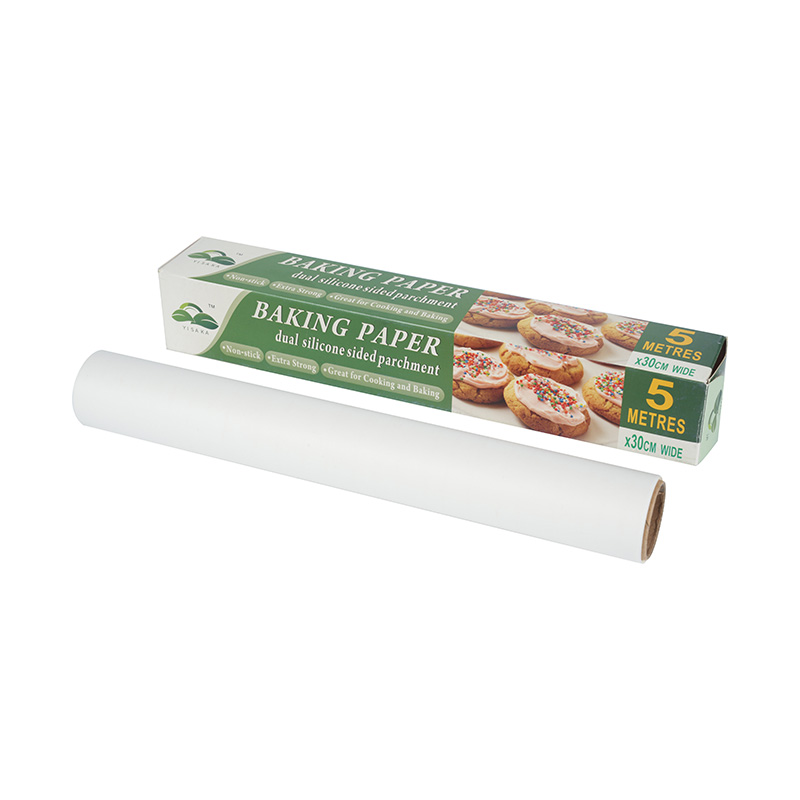
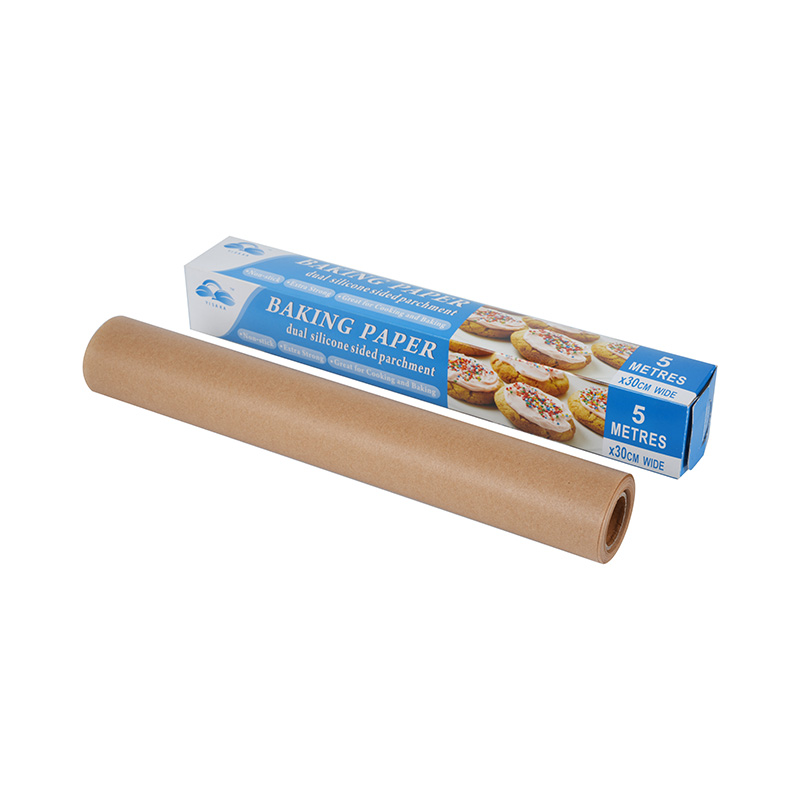
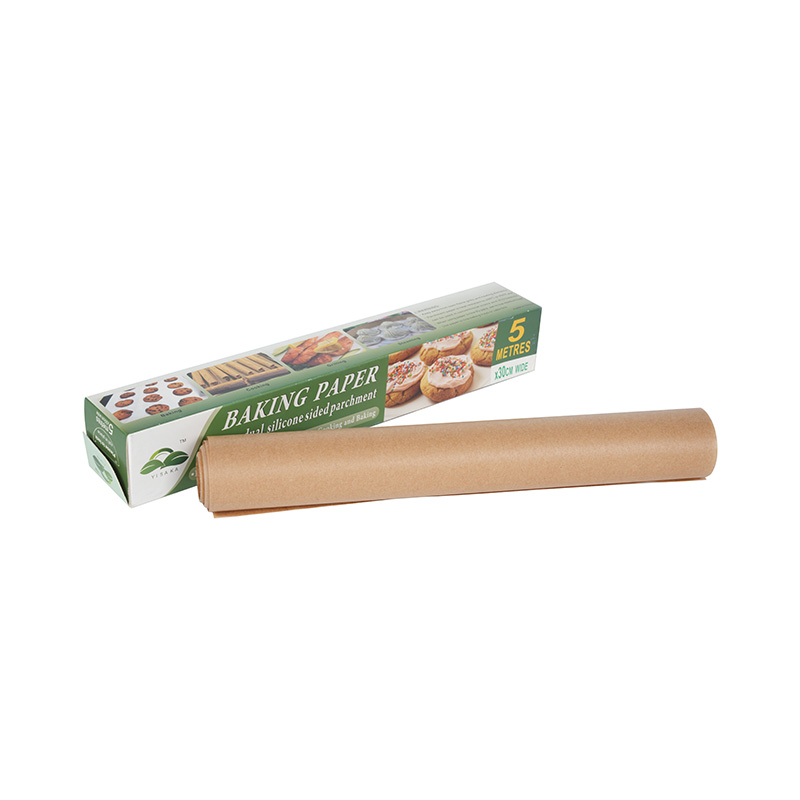
Brown parchment paper skips the bleaching step entirely, leaving the paper in its natural kraft state before silicone coating. It is the preferred choice for bakers who want to minimize chemical processing in their kitchen, and it is the standard format in many professional and health-conscious baking environments. Functionally, unbleached and bleached parchment paper perform identically in the oven — the same non-stick properties, the same temperature resistance, the same moisture barrier. The difference is purely about the manufacturing process and personal preference regarding chemical exposure. Unbleached paper typically costs slightly more and may be slightly less widely available in standard supermarkets.
Temperature Limits and Oven Safety
One of the most frequently asked questions about non-stick baking paper is how hot it can safely go. The answer depends on the specific product, but most standard baking parchment papers are rated for use up to 220°C (430°F). Some higher-specification products extend this to 230°C (450°F) or slightly above. Beyond these temperatures, the silicone coating begins to degrade, the paper can darken or become brittle, and there is an increased risk of the paper catching fire if it contacts an exposed heating element or an open flame.
In practice, the temperature limit is rarely a constraint for standard baking tasks — most cakes, cookies, pastries, and bread are baked well below 220°C. Where it becomes relevant is in high-heat applications such as pizza baking on a stone, certain artisan bread recipes that call for 240°C or above, or broiler use. For these applications, a silicone baking mat or lightly greased foil is a safer option than pushing standard parchment paper past its rated temperature. Always check the temperature rating printed on the packaging of the specific product you are using, as there is variation between brands.
It is also worth noting that parchment paper should never hang over the edges of a baking tray in a way that brings it close to the oven's heating elements. Even within the rated temperature range, direct proximity to a heating element rather than the ambient oven heat can cause localized scorching. Trim or fold the paper to fit within the pan rather than letting excess paper drape over the sides.
What You Can and Can't Use It For
Baking parchment paper is one of the most versatile tools in a kitchen, but it has real limits. Knowing both sides of that picture prevents wasted paper and failed recipes.
| Use | Suitable? | Notes |
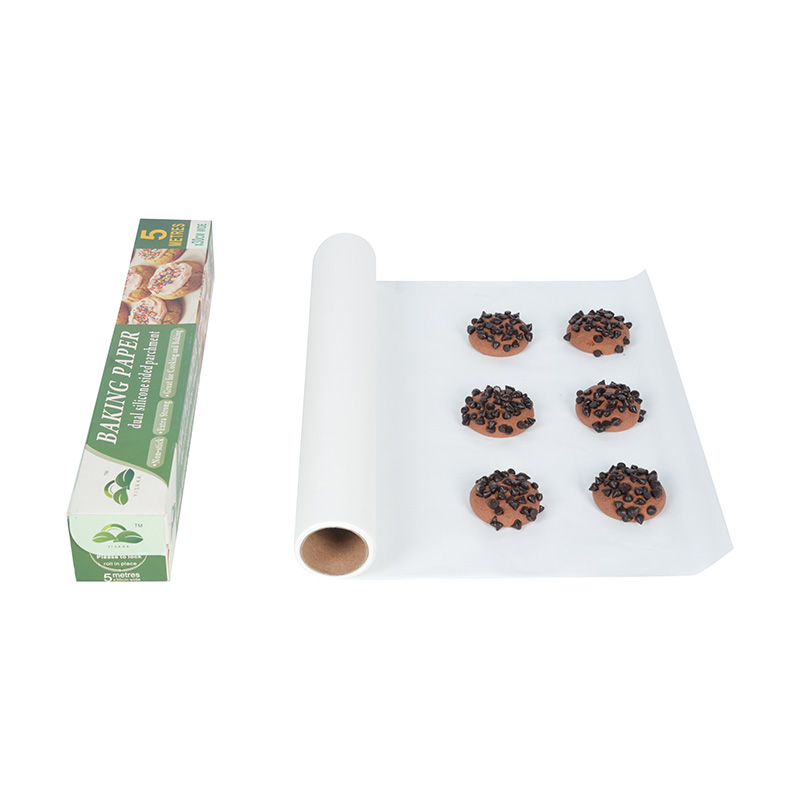
| Lining baking trays for cookies | Yes | Prevents sticking and makes cleanup effortless |
| Lining cake tins | Yes | Grease the tin first to help the paper stay in place |
| Baking bread and rolls | Yes | Can also be used to transfer dough into a Dutch oven |
| Roasting vegetables | Yes | Works well; note that foil browns more aggressively underneath |
| En papillote cooking (steam parcels) | Yes | Classic use; fold edges tightly to seal steam inside |
| Rolling out pastry or dough | Yes | Use between two sheets to prevent sticking without extra flour |
| Microwave use | Yes | Safe for covering food to prevent splatter |
| Broiler / grill use | No | Direct intense heat will cause it to burn; use foil instead |
| Open flame or stovetop | No | Will catch fire; not designed for direct flame contact |
| Freezer use | Yes | Ideal for layering between items to prevent sticking when frozen |
How to Line a Baking Tin Properly
Using oven parchment paper correctly when lining tins makes a noticeable difference to how cleanly baked goods release and how evenly they cook. The technique varies slightly depending on the tin shape, and getting it right takes less than a minute once you know what you are doing.
Round Cake Tins
Place the tin base-down on a sheet of parchment paper and trace around it with a pencil, then cut just inside the line to get a circle that fits snugly inside the base. For the sides, cut a long strip that is slightly taller than the tin walls and long enough to wrap around the inside circumference with a small overlap. Lightly grease the tin before placing the paper — this helps the paper stay flat against the sides rather than peeling away from the walls as you pour in the batter. For deep cakes or recipes that bake for a long time, make the side strip tall enough to extend a centimeter or two above the tin rim, which protects the top edges of the cake from over-browning.
Square and Rectangular Tins
The easiest method for square or rectangular tins is the sling technique. Cut a piece of parchment paper wide enough to cover the base and extend up and over two opposite sides of the tin, with enough overhang to act as handles when lifting out the finished bake. Then cut a second strip to cover the base in the other direction and extend up the remaining two sides. The two strips overlap at the base, giving full coverage with no exposed corners. This method is particularly useful for brownies, traybakes, and bar cookies where you want to lift the entire slab out cleanly before slicing.
Loaf Tins
For loaf tins, cut a single long strip wide enough to cover the base and both long sides with overhang. Press it into the greased tin, letting the excess paper fold up and over the sides. The short ends of the tin will be unlined, but as long as the tin is greased at those ends, the loaf will release cleanly. The overhanging paper on the long sides gives you easy handles to lift the loaf straight out after baking without any risk of it sticking or crumbling as you try to turn it out.
Reusing Parchment Paper: When It Works and When It Doesn't
Most baking parchment paper can be reused several times before it needs to be replaced, which reduces waste and makes each roll last longer. Whether reuse is appropriate depends on what the paper was used for and what condition it is in after the first use.
- Reuse freely after baking dry items like cookies, biscuits, or meringues where the paper is still clean and flat. Paper used for a batch of plain shortbread can comfortably go through three or four more rounds before the non-stick surface starts to degrade noticeably.
- Reuse with caution after roasting vegetables or baking items with sugar-heavy glazes. Caramelized sugar residue on the surface can cause sticking on subsequent uses, and fat residue from roasting can smoke at high temperatures the second time around if it has not been wiped away.
- Do not reuse paper that has become dark brown, brittle, or cracked. Degraded parchment paper has compromised silicone coating and reduced structural integrity — it is more likely to stick, tear during use, or shed small fragments onto food. Once the paper has reached this state, replace it.
- Do not reuse paper used for raw meat or fish even if it looks clean. Cross-contamination risk makes this a straightforward food safety decision regardless of how the paper looks after use.
Parchment Paper vs. Silicone Baking Mats
Silicone baking mats — sold under brand names like Silpat — are often positioned as a sustainable, reusable alternative to disposable baking liner paper. Both work well as non-stick baking surfaces, but they are not interchangeable in every context, and each has genuine advantages over the other depending on the application.
Silicone mats last for hundreds of uses and eliminate the ongoing cost and waste of disposable parchment paper for standard baking tasks. They are particularly good for delicate items like tuiles, florentines, or macaron shells that benefit from a perfectly flat, consistent surface. The main limitation is that silicone mats insulate the base of baked goods slightly more than parchment paper, which can result in slightly less browning on the underside of cookies — a meaningful difference if you like a crisp base. Silicone mats are also fixed in size and cannot be cut to fit unusual tin shapes, which limits their versatility for lined tin baking.
Parchment paper wins on flexibility — it can be cut to any shape, used to line any tin, and used for tasks like steaming parcels, rolling dough, or wrapping food for storage that a silicone mat cannot replicate. For most home bakers, having both on hand makes practical sense: silicone mats for flat tray baking where you bake the same format repeatedly, and parchment paper for everything else.
Practical Tips for Getting More Out of Every Roll
A few straightforward habits make baking parchment paper easier to work with and help a roll last longer without any real extra effort.
- Crumple the sheet before use. Fresh parchment paper tends to curl and spring back when you try to lay it flat in a tin or on a tray. Crumpling it into a ball and then smoothing it out again releases the curl, making it much easier to press flat against the surface of the tin without it bouncing up at the edges while you fill it.
- Run it under cold water for tight tin fitting. Briefly wetting parchment paper makes it pliable enough to press snugly into the corners of a tin without tearing. Squeeze out the excess water, press it into the tin, and fill as normal. The paper will dry out during baking without any effect on the finished product.
- Store rolls lying flat or upright in a cool, dry place. Heat and humidity cause parchment paper to absorb moisture over time, which can compromise the silicone coating's non-stick performance. Keep the roll in its original packaging or in a sealed container away from the oven and steam sources.
- Use it as a piping mat for chocolate work. Parchment paper is the standard surface for piping chocolate decorations, tempering chocolate, or setting ganache shapes. The non-stick surface releases set chocolate cleanly without the need for any release agent, and the paper can be lifted and moved while the chocolate is still setting.
- Label it before lining the tin. If you are baking multiple batches of different things, write the contents and temperature on the parchment paper with a pencil before the tin goes in the oven. This is a small habit that prevents the wrong tray going in at the wrong temperature when you have several things on the go at once.