 English
 русский
Content
- 1 What Are Sided Parchment Baking Paper Rolls, Anyway?
- 2 Why Bakers Prefer Double-Sided Parchment Over Single-Sided Options
- 3 Common Uses in Everyday Cooking and Baking
- 4 How to Choose the Right Parchment Roll for Your Kitchen
- 5 Tips for Getting the Most Out of Every Roll
- 6 Frequently Overlooked Benefits Worth Knowing
What Are Sided Parchment Baking Paper Rolls, Anyway?
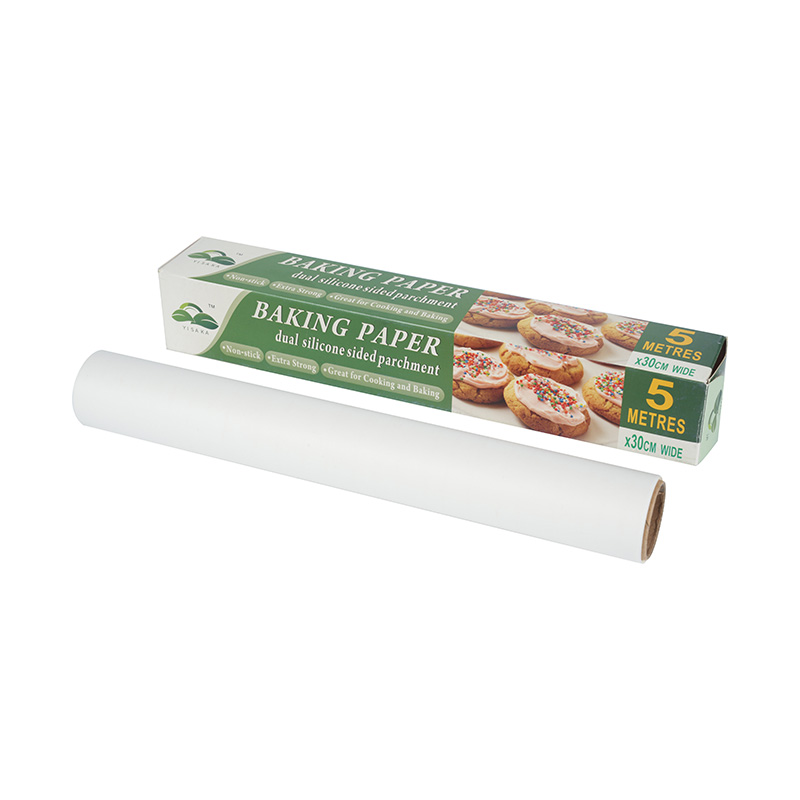
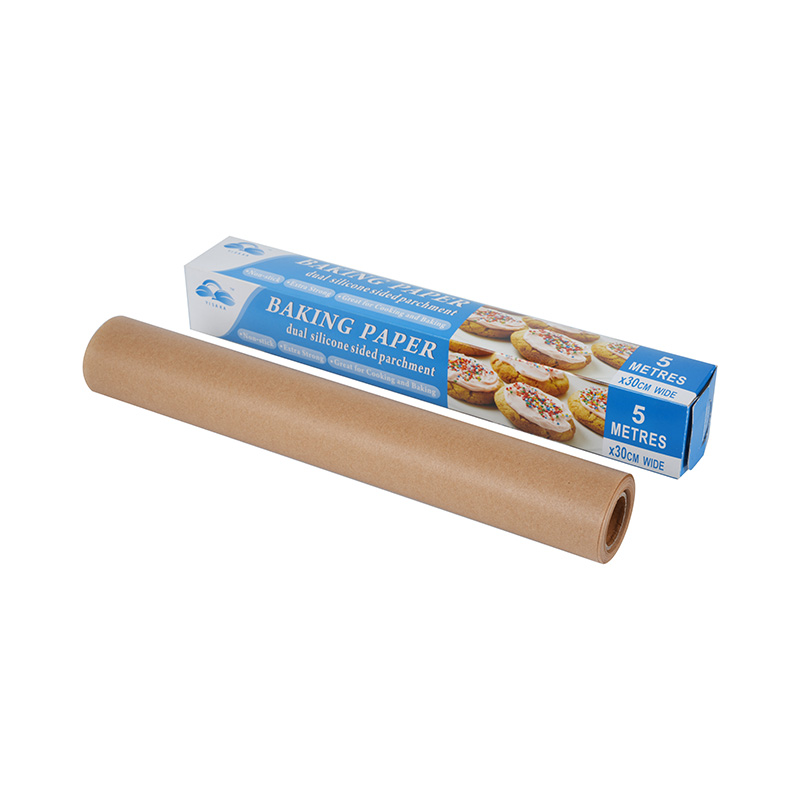
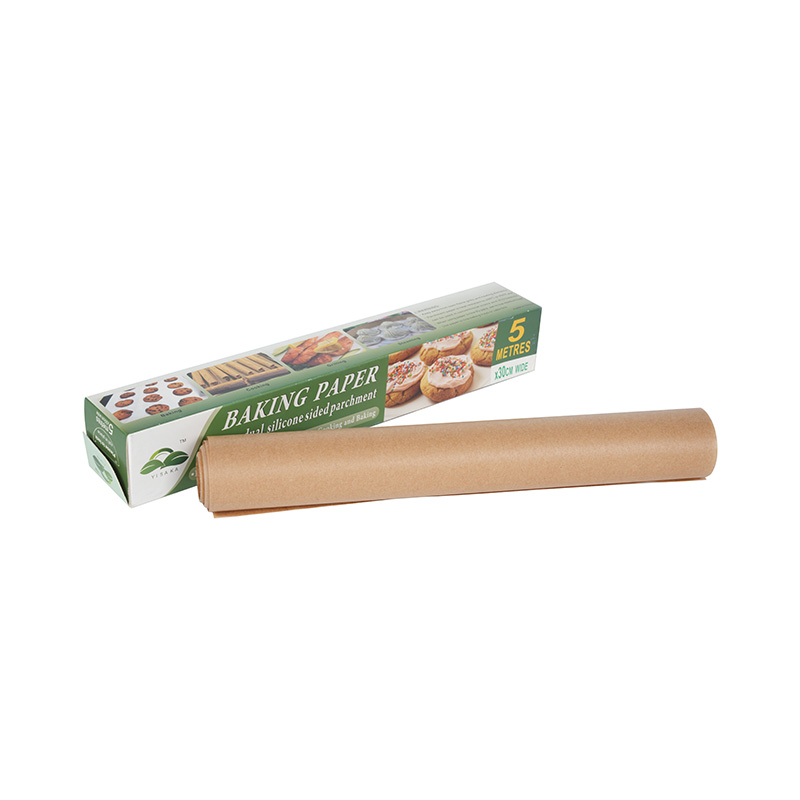
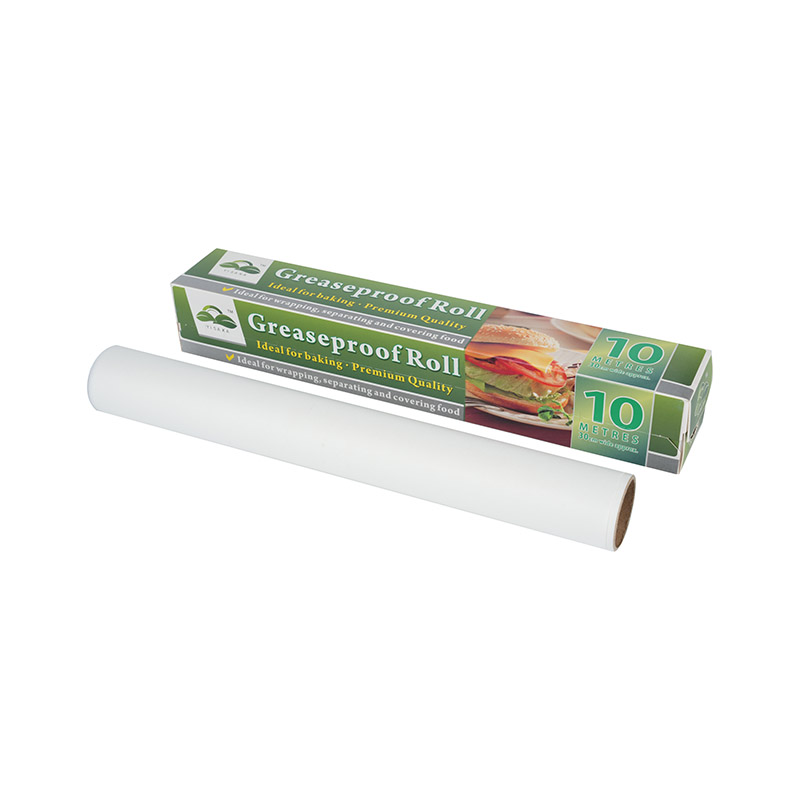
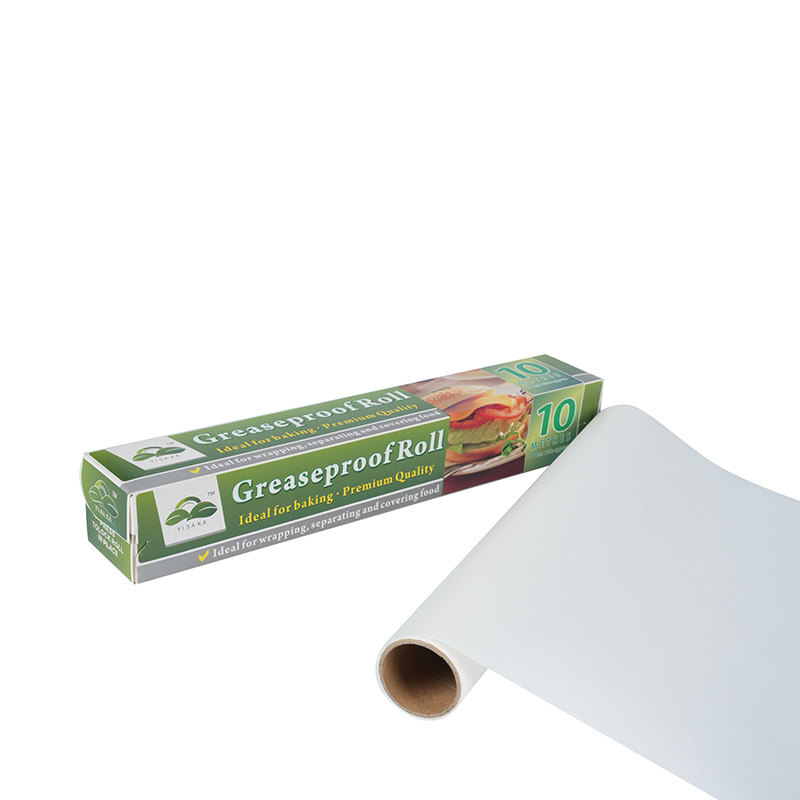
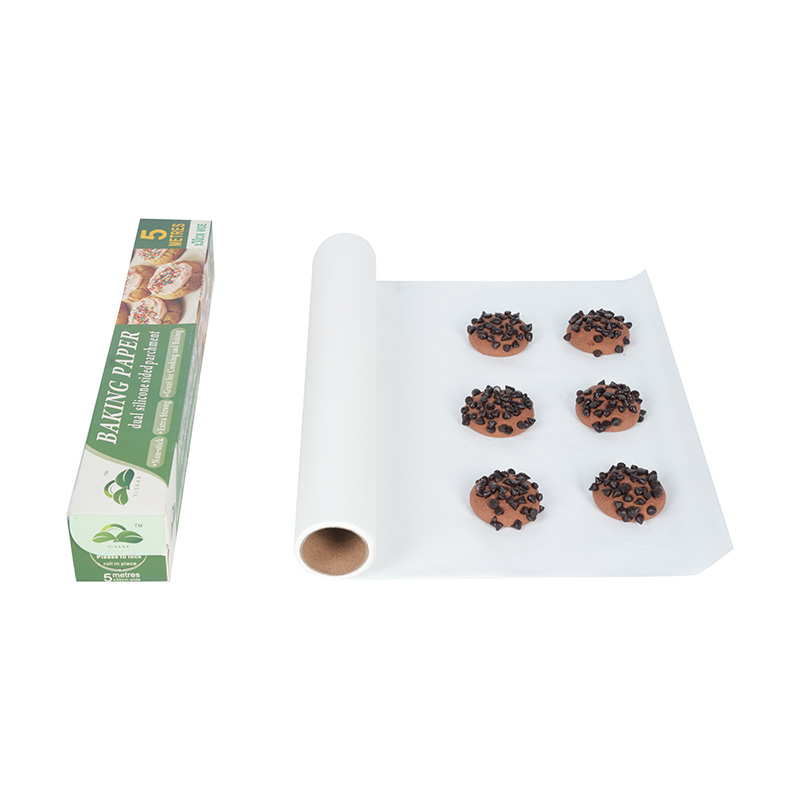
If you've ever pulled a tray of cookies out of the oven only to fight them off a sticky pan, you already know why parchment paper exists. Sided parchment baking paper rolls take that idea one step further. Unlike basic parchment that may only have a light coating on one surface, sided parchment paper rolls are treated on both sides with a silicone layer. That means no matter which way you unroll the sheet or how you fold it, both faces are non-stick and oven-safe. For home bakers and busy kitchens alike, this small detail removes a lot of guesswork.
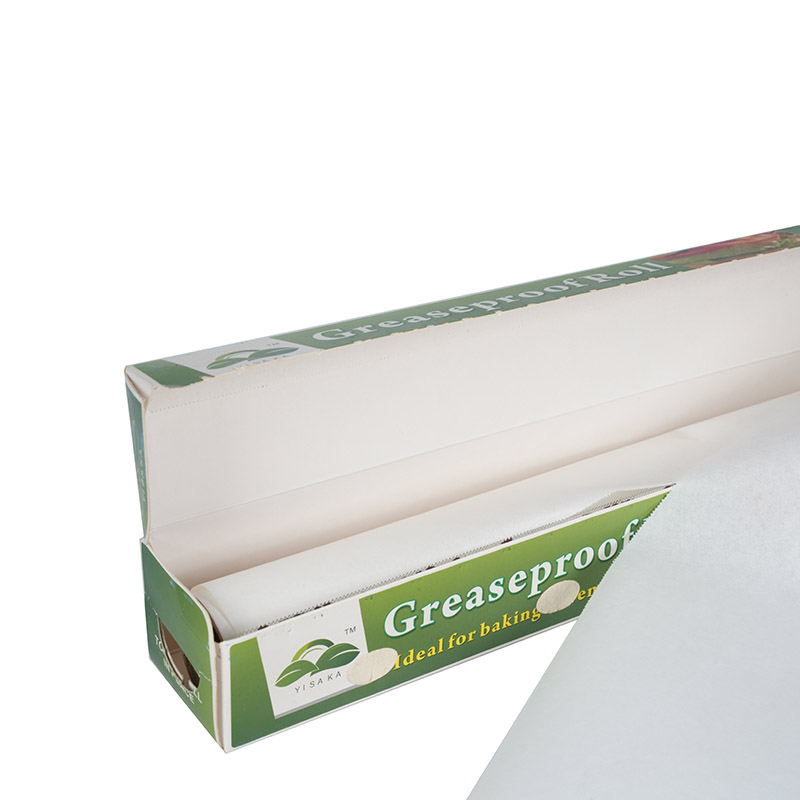
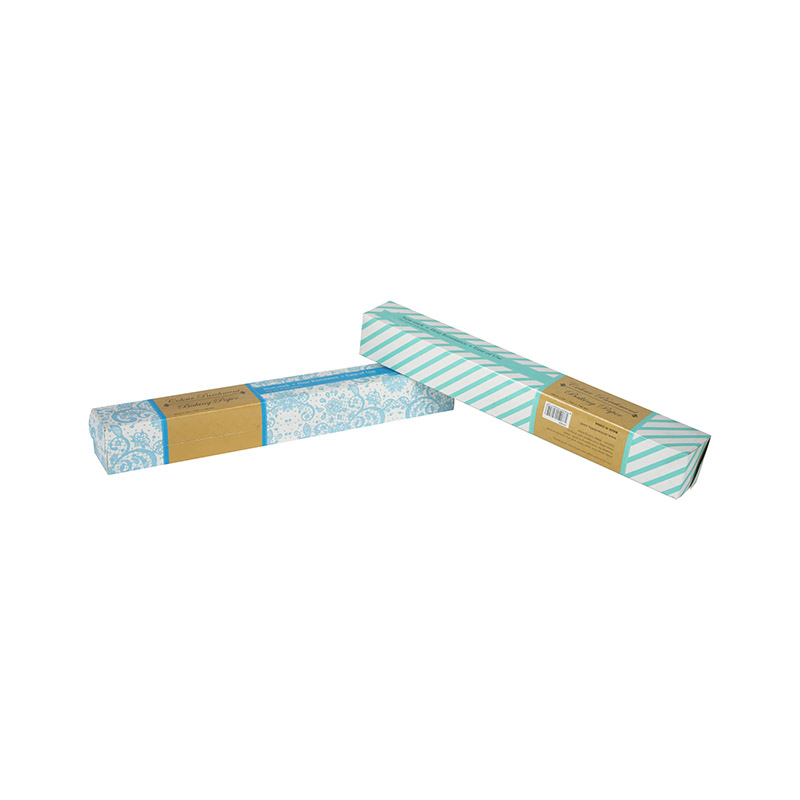
These rolls are typically sold in long continuous lengths, often with perforated lines every 12 to 15 inches, so you can tear off exactly the amount you need. They come in standard widths that fit most half-sheet and quarter-sheet baking trays, and many rolls are unbleached and compostable, which appeals to people trying to cut down on kitchen waste.
Why Bakers Prefer Double-Sided Parchment Over Single-Sided Options
The biggest advantage of sided parchment baking paper rolls is flexibility. With single-sided parchment, you have to pay attention to which surface is facing up, and using the wrong side can lead to sticking or uneven browning. Double-sided rolls eliminate that worry entirely, which is especially helpful when you're moving fast, prepping multiple trays, or handing kitchen tasks off to someone less experienced with baking.
Consistent Results Every Time
Because both sides are treated the same way, you get the same non-stick performance and the same heat resistance no matter how the paper lands on the tray. This consistency matters most with delicate items like macarons, lace cookies, or thin pastries that tear easily if they stick even slightly.
Less Waste, More Reuse
Many sided parchment rolls can be reused for two or three bakes before they need to be replaced, especially for lower-temperature jobs like roasting vegetables or reheating leftovers. Since both surfaces are coated, you can flip the sheet over and get another round of non-stick use out of it instead of tossing it after a single pass.
Common Uses in Everyday Cooking and Baking
Sided parchment baking paper rolls aren't just for cookies. Their non-stick, grease-resistant, and heat-tolerant qualities make them useful across a wide range of kitchen tasks.
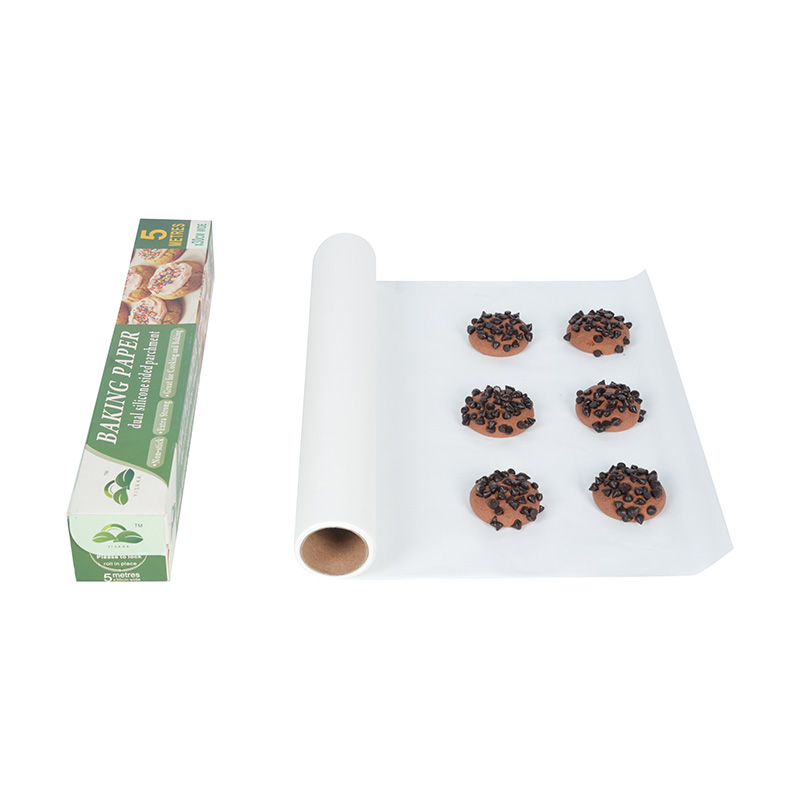
- Lining sheet pans for cookies, biscuits, and scones
- Wrapping fish or vegetables for parchment-pouch cooking
- Rolling out sticky dough like pie crust or fondant without adding extra flour
- Lining cake pans for clean, easy release
- Separating layers of frozen dough, dumplings, or burger patties for storage
- Catching drips and crumbs during candy-making or chocolate tempering
How to Choose the Right Parchment Roll for Your Kitchen
Not all parchment paper rolls are created equal, and choosing the right one can save you money and frustration. Here's a quick comparison of the features worth paying attention to when shopping.
| Feature | What to Look For | Why It Matters |
| Coating | Double-sided silicone coating | Ensures non-stick performance no matter which side faces up |
| Heat Rating | Rated for at least 420°F to 450°F | Prevents scorching or smoking during high-heat baking |
| Width | Matches your standard tray size | Reduces trimming and wasted paper |
| Perforations | Pre-scored tear lines | Makes portioning sheets quick and even |
| Material | Unbleached, compostable paper | Better for the environment and free of added dyes |
Tips for Getting the Most Out of Every Roll
A few small habits can help you stretch each roll of sided parchment paper further while keeping your baking results consistent.
Store It Flat or Rolled Tightly
Parchment that's been crumpled or loosely stored tends to curl up on the tray, which can cause uneven baking. Keeping the roll in its original box or a drawer where it stays flat helps sheets lie smoothly against the pan.
Trim Instead of Overhang
Letting parchment paper hang too far over the edges of a tray can be a fire hazard in a hot oven. Trim the sheet so it fits just inside the rim, or fold the corners neatly under the pan for a secure fit.
Know When to Retire a Sheet
Even double-sided parchment has limits. If a sheet looks brittle, browned, or brittle at the edges after baking, it's best to use a fresh piece next time rather than risk it tearing or releasing unevenly.
Frequently Overlooked Benefits Worth Knowing
Beyond the obvious non-stick convenience, sided parchment baking paper rolls offer a few practical perks that often go unmentioned.
- Cuts down on cleanup time since trays stay virtually spotless
- Helps baked goods release without breaking, keeping delicate edges intact
- Works as a barrier for freezer storage, preventing items from sticking together
- Can double as a clean, flat surface for measuring or portioning ingredients
Once you switch to sided parchment baking paper rolls, it's hard to go back to guessing which side of the sheet to use. The small upgrade in convenience adds up over time, making everyday baking simpler and cleanup a lot less of a chore.