 English
 русский
Content
Understanding the Core Functions of Baking Pan Liners
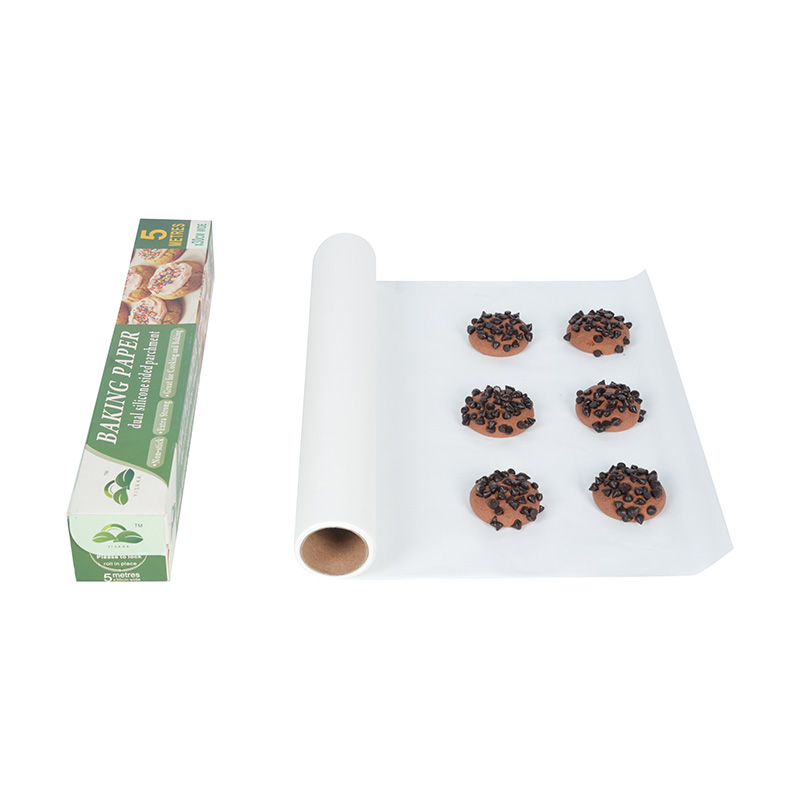
Baking pan liners serve as a critical barrier between your food and the metal surface of your cookware. While many home bakers view them simply as a way to avoid scrubbing pans, their technical purpose is to ensure even heat distribution and prevent the over-browning of delicate crusts. By providing a non-stick interface, these liners allow for the clean release of fragile baked goods like macarons or sponge cakes, which would otherwise tear upon removal. Choosing the correct liner depends heavily on the sugar content of your recipe and the maximum temperature of your oven.
Beyond convenience, high-quality liners contribute to the longevity of your bakeware. Metal pans are susceptible to scratching from spatulas and erosion from acidic ingredients. A liner acts as a protective shield, preserving the finish of professional-grade aluminum or carbon steel pans. Whether you are working with high-moisture batters or sticky sugar-based confections, the right liner ensures that the structural integrity of your bake remains intact from the oven to the cooling rack.
Comparing Common Liner Materials and Heat Resistance
Not all liners are created equal, and using the wrong material can lead to scorched edges or even safety hazards in the kitchen. The most common materials include silicone-treated parchment, reusable silicone mats, and aluminum foil. Parchment paper is widely favored for its breathability, which allows steam to escape, resulting in a crispier bottom for cookies and breads. In contrast, silicone mats provide a thicker insulation layer that is ideal for candies and fatty doughs that require a perfectly flat, non-greasy finish.
| Liner Type | Best Use Case | Max Temperature |
| Parchment Paper | Cookies, Cakes, Roasted Veggies | 425°F - 450°F |
| Silicone Mats | Macarons, Pastries, Sugar Work | 480°F - 500°F |
| Aluminum Foil | Broiling, High-Fat Meats | Up to 600°F |
Practical Benefits of Pre-Cut vs. Roll Liners
Efficiency in the High-Volume Kitchen
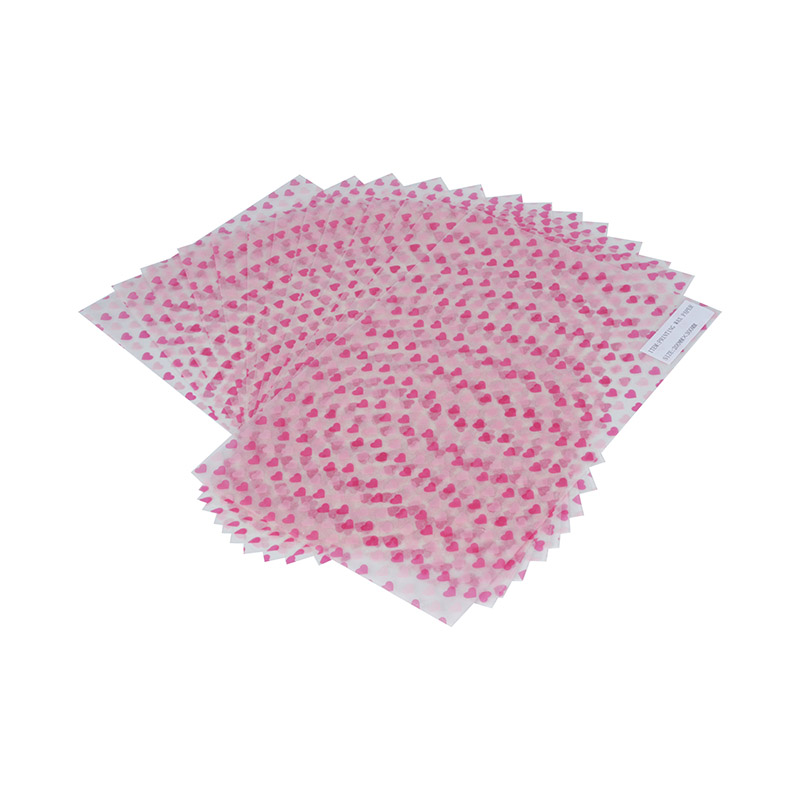
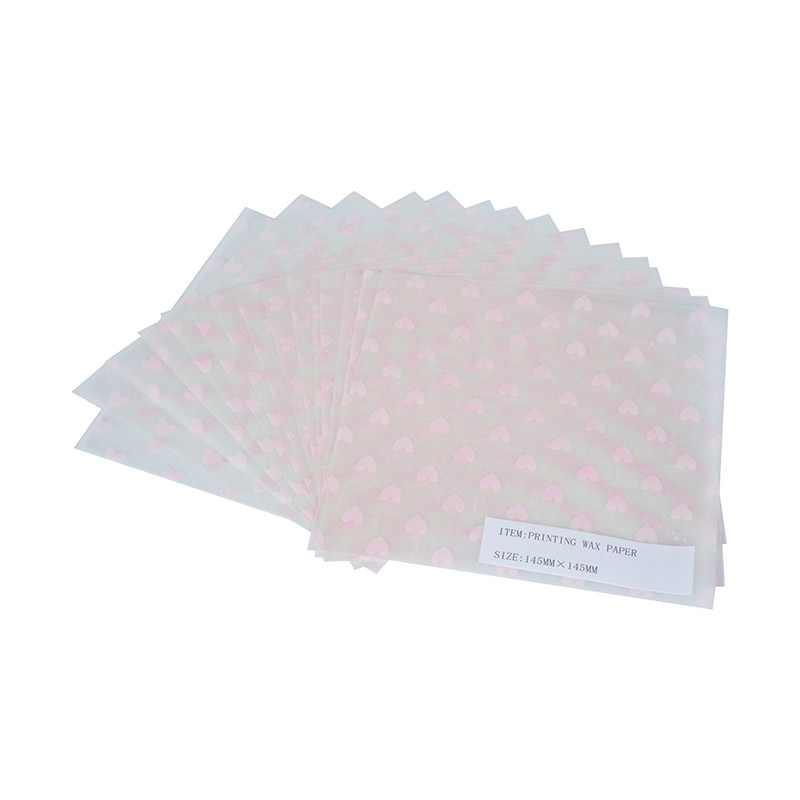
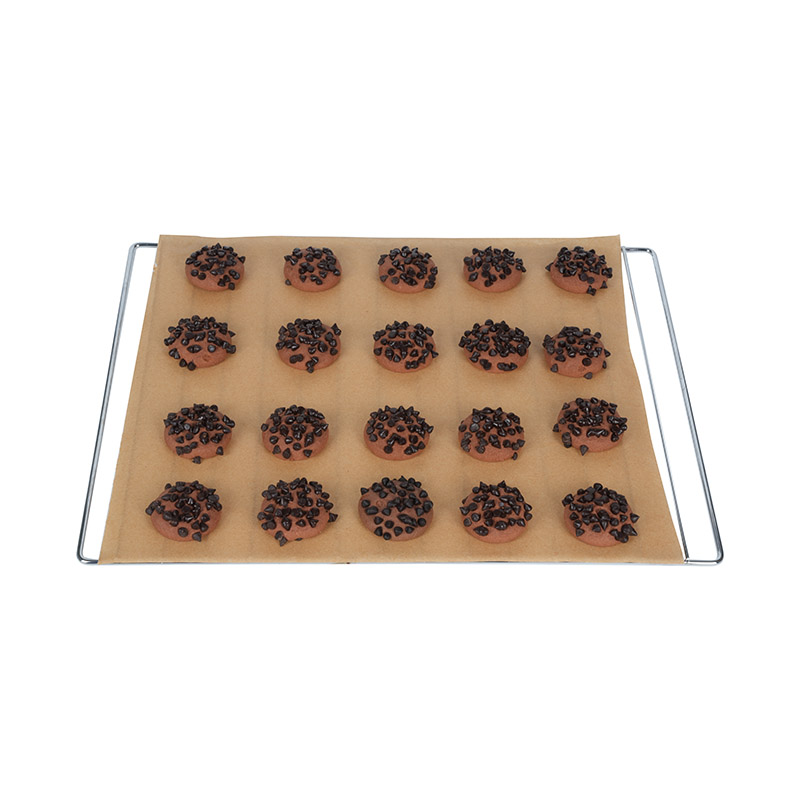
For hobbyists and professional bakers alike, the format of the liner impacts the workflow. Pre-cut sheets are designed to lay flat immediately, eliminating the frustrating "curl" often associated with parchment rolls. This ensures that the batter spreads evenly to the corners of the pan without the liner folding over and embedding itself into the cake. Pre-cut options are specifically tailored for standard half-sheet and quarter-sheet pans, reducing waste and preparation time.
Customization for Specialized Bakeware
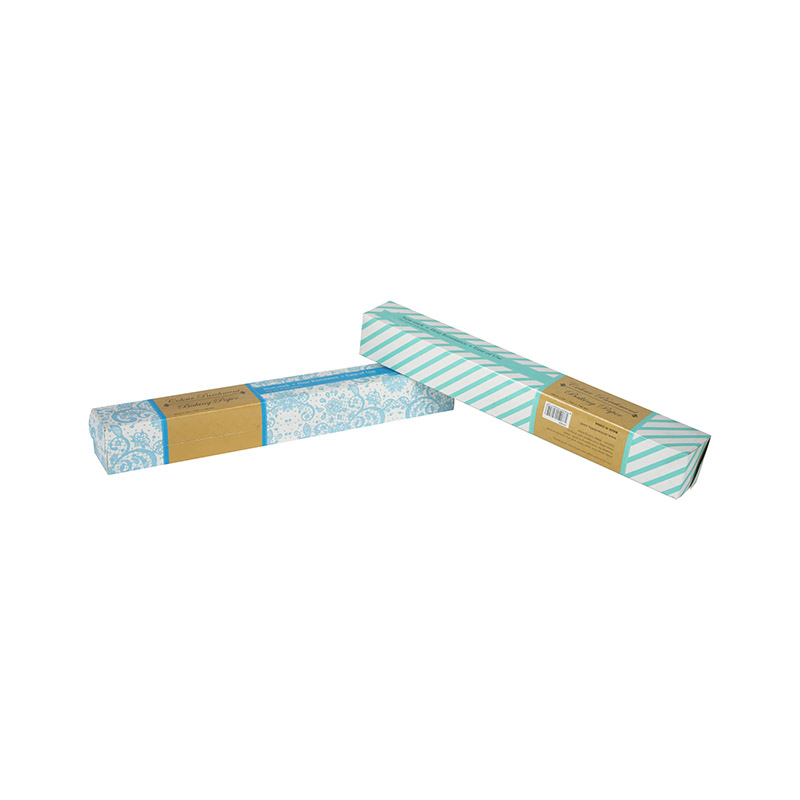
While pre-cut sheets offer speed, roll-based liners provide the flexibility needed for non-standard pans, such as deep springform tins or extra-large roasting pans. When using rolls, it is essential to trim the edges to ensure no paper hangs over the side of the pan, as exposed parchment can char or catch fire if it comes into contact with the oven's heating elements. Rolling the paper in the opposite direction before placing it in the pan can help it stay flush against the surface.
Maintenance and Sustainability of Reusable Liners
With an increasing focus on sustainable kitchen practices, many are switching to reusable silicone baking liners. These liners can last for thousands of uses if maintained correctly. Unlike disposable parchment, silicone does not absorb oils, making it an excellent choice for health-conscious bakers who wish to reduce the amount of added butter or spray used to grease their pans. However, they do require specific care to remain effective over time.
- Wash with warm, soapy water immediately after use to prevent oil buildup.
- Avoid using sharp knives or metal cutters directly on the liner to prevent tears.
- Store liners flat or loosely rolled; folding them can create permanent creases that ruin the non-stick surface.
- Ensure the liner is completely dry before storage to prevent any unwanted odors or mold.
Impact on Texture and Bake Quality
The choice of pan liner directly influences the final texture of your baked goods. Parchment paper is porous, allowing for a certain amount of airflow that helps develop a traditional "crumb." This makes it superior for items like sourdough bread or puff pastry. Silicone, being non-porous and a better insulator, tends to produce a softer, lighter bottom. This is why professional pastry chefs prefer silicone for delicate items like tuiles or lace cookies that require a perfectly smooth underside without any browning.
Furthermore, liners prevent "spreading" in high-sugar cookies. Because the dough has a stable surface to grip, it holds its shape better than it would on a heavily greased metal pan. By understanding these subtle nuances, you can manipulate the outcome of your recipes, choosing the liner that aligns with your desired sensory experience, whether that is a crisp snap or a melt-in-the-mouth softness.