 English
 русский
Content
- 1 What Virgin Wood Pulp Steaming Paper Is and Why It's a Kitchen Essential
- 2 How Virgin Wood Pulp Differs from Recycled Paper Alternatives
- 3 Key Benefits of Using Virgin Wood Pulp Steaming Paper
- 4 Comparing Steaming Paper Types for Different Kitchen Needs
- 5 Who Relies Most on Virgin Wood Pulp Steaming Paper
- 6 How to Choose the Right Steaming Paper for Your Kitchen
- 7 Best Practices for Using Steaming Paper Effectively
- 8 Common Mistakes to Avoid When Using Steaming Paper
What Virgin Wood Pulp Steaming Paper Is and Why It's a Kitchen Essential
Virgin wood pulp steaming paper is a food-safe, non-stick paper made entirely from fresh, unrecycled wood fibers, specifically engineered to withstand the heat and moisture of steaming without breaking down, releasing fibers, or transferring unwanted flavors into food. Unlike paper made from recycled materials, virgin pulp paper contains no chemical residues or contaminants that could have accumulated during a previous product's lifecycle, making it a preferred choice for direct food contact applications like dim sum steaming, dumpling preparation, and steamer basket lining.
The rising popularity of steamed foods across restaurants, home kitchens, and food manufacturing facilities has made steaming paper an everyday necessity rather than a specialty item. Whether you're running a dim sum restaurant, preparing bao buns at home, or steaming vegetables in bulk for a catering operation, using the right steaming paper prevents food from sticking to steamer surfaces while allowing steam to pass through evenly. Because virgin wood pulp maintains its structural integrity even under prolonged high-heat exposure, it has become the standard choice for professional kitchens that require consistent, reliable performance batch after batch.
How Virgin Wood Pulp Differs from Recycled Paper Alternatives
Understanding the difference between virgin pulp and recycled paper helps explain why steaming paper specifically calls for fresh fiber sourcing rather than reprocessed materials.
Fiber Purity and Strength
Virgin wood pulp fibers are longer and stronger than recycled fibers, which typically shorten and weaken each time they're reprocessed. This added strength allows steaming paper to hold up under repeated steam exposure without tearing, disintegrating, or leaving paper residue on food.
Absence of Chemical Contaminants
Because virgin pulp comes directly from freshly harvested wood rather than previously used paper products, it avoids potential contamination from inks, adhesives, or coatings that may have been present in the original recycled material's past life.
Consistent Porosity for Steam Flow
Virgin pulp paper can be manufactured with tightly controlled porosity, allowing steam to pass through evenly while still preventing food from sticking directly to the paper surface, a balance that's harder to achieve consistently with recycled fiber blends.
Key Benefits of Using Virgin Wood Pulp Steaming Paper
Choosing virgin pulp steaming paper over generic parchment or wax paper alternatives offers several practical advantages for both home cooks and commercial kitchens.
- Prevents food from sticking to steamer baskets or bamboo steamers without added oils
- Withstands high-temperature steam without tearing or breaking apart during cooking
- Free from recycled contaminants, making it safer for direct food contact
- Reduces cleanup time since food residue stays on the paper rather than the steamer surface
- Compatible with a wide range of steamed foods, from dumplings to vegetables and fish
Comparing Steaming Paper Types for Different Kitchen Needs
Steaming paper comes in several variations, each suited to different cooking styles and equipment. Knowing the differences helps you select the right type for your specific use case.
| Paper Type | Best Use Case | Key Feature |
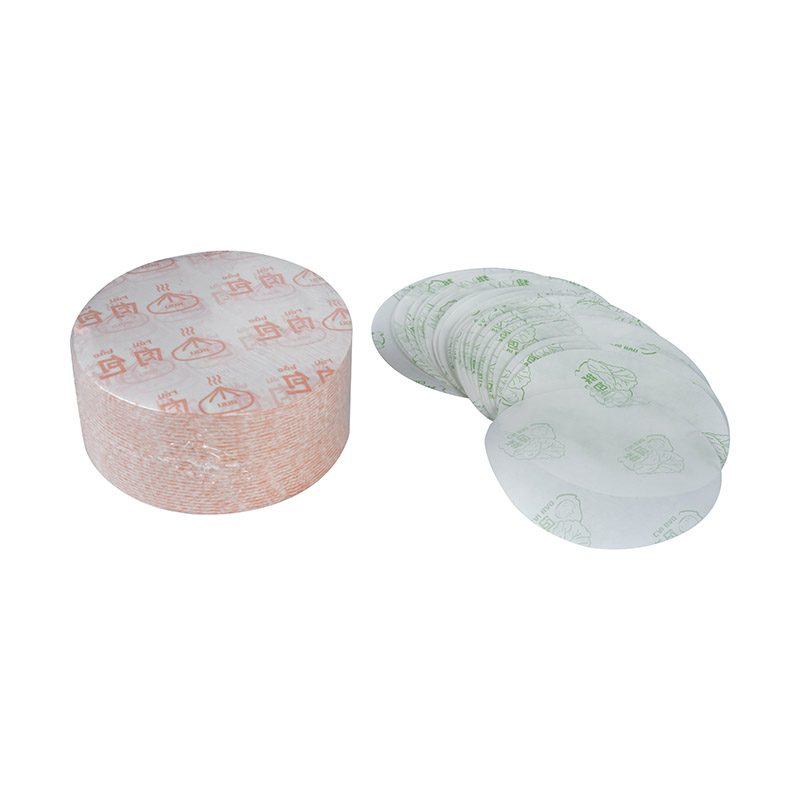
| Perforated Steaming Paper | Dim sum, dumplings, bao buns | Small holes allow maximum steam circulation |
| Solid Steaming Paper | Vegetables, fish, delicate items | Prevents food from falling through steamer gaps |
| Pre-Cut Round Sheets | Bamboo steamer baskets | Fits standard round steamer sizes without trimming |
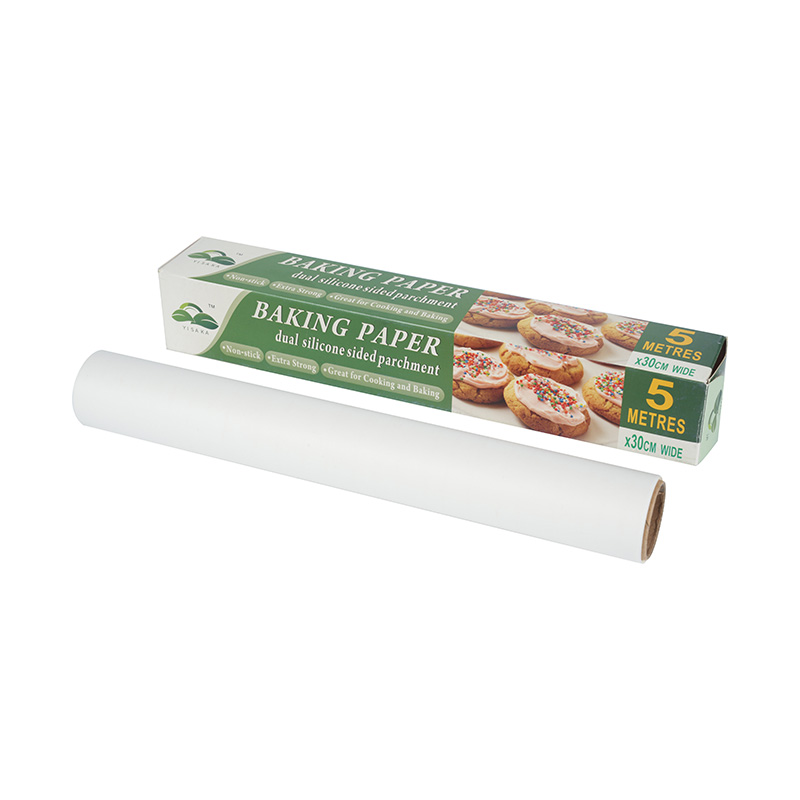
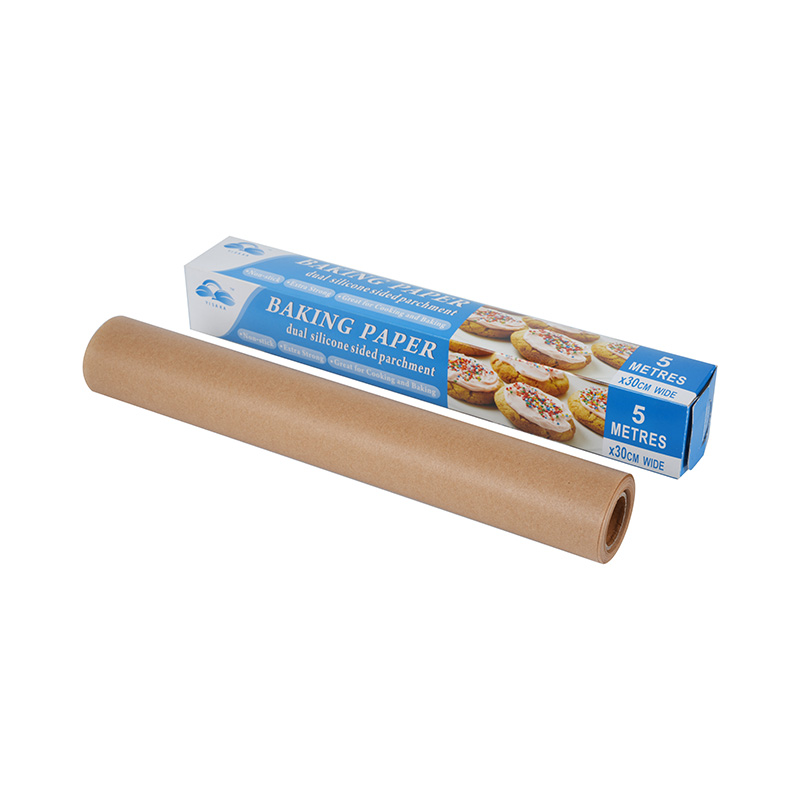
| Roll-Style Steaming Paper | Commercial kitchens, high-volume use | Customizable sizing, cost-effective for bulk use |
Who Relies Most on Virgin Wood Pulp Steaming Paper
While steaming paper benefits any kitchen that regularly prepares steamed dishes, certain businesses and cooking styles depend on it more heavily for consistent results.
- Dim sum restaurants and Asian cuisine establishments preparing dumplings and buns daily
- Bakeries producing steamed buns or cakes requiring non-stick surfaces
- Catering companies steaming large batches of vegetables or seafood for events
- Home cooks who frequently use bamboo steamers for healthier meal preparation
How to Choose the Right Steaming Paper for Your Kitchen
Selecting the best steaming paper involves matching the paper's design and size to your specific steaming equipment and the types of food you prepare most often.
- Choose perforated sheets if you regularly steam dumplings or items needing maximum steam contact
- Select solid sheets for softer or smaller foods that might fall through steamer gaps
- Match the sheet size to your steamer basket diameter to avoid excess trimming or waste
- Confirm the paper is certified food-safe and free from bleaching chemicals or added coatings
- Consider roll-style paper for commercial kitchens needing custom sizing and bulk cost savings
Best Practices for Using Steaming Paper Effectively
Getting the most out of virgin wood pulp steaming paper starts with proper placement in your steamer basket, ensuring the paper lies flat without overlapping edges that could block steam circulation. For bamboo steamers, lightly dampening the paper before placing food on it can help it mold naturally to the basket's shape without shifting during cooking. It's also important to avoid overcrowding food on the paper, since proper spacing allows steam to circulate evenly around each item, resulting in more consistent cooking. After use, steaming paper is typically disposable, but checking whether your specific paper is compostable can help align your kitchen practices with broader sustainability goals.
Common Mistakes to Avoid When Using Steaming Paper
A frequent mistake is using paper that's too thin or made from low-quality recycled materials, resulting in tearing or fibers sticking to food during longer steaming sessions. Another common issue is cutting paper sheets too large, causing them to fold over and block steam flow, which leads to unevenly cooked food. Some cooks also overlook checking whether their steaming paper is certified for food contact, unknowingly using paper that isn't designed to handle direct contact with edible items. Finally, reusing steaming paper multiple times to cut costs can compromise food safety and cooking performance, since the paper's structure weakens significantly after initial exposure to heat and moisture.