 English
 русский

Cooking paper looks simple: a thin sheet between food and a hot surface. In practice, it is one of those quiet tools that changes how a kitchen feels at the end of service. A good sheet releases cleanly, keeps pans easier to wash, and helps food hold its shape. A poor one curls, tears, or leaves grease where you did not want it.
At YISAKA, we have spent years making food-grade paper for bakeries, restaurants, packers, and retailers. We see cooking paper as more than a disposable liner. It is a small piece of cooking equipment and food packaging that has to match the heat, the food, and the way people actually work.
Content
What Cooking Paper Really Means
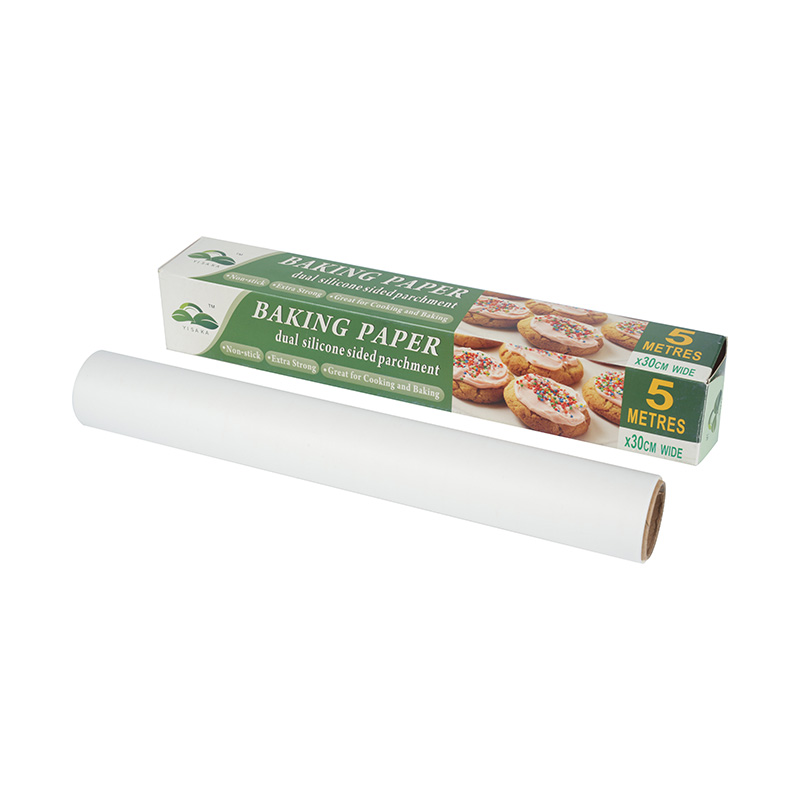
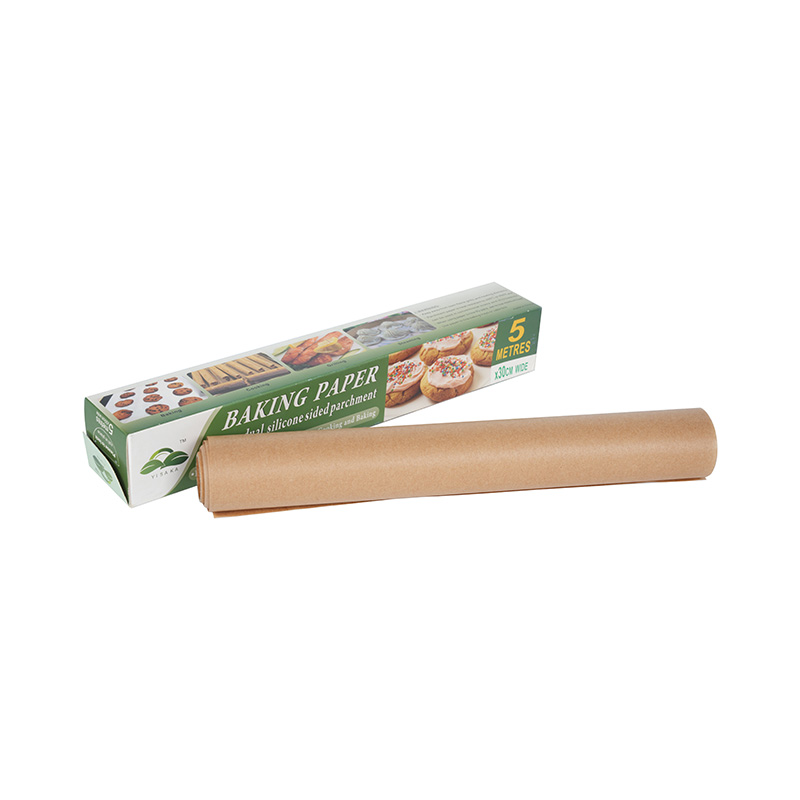
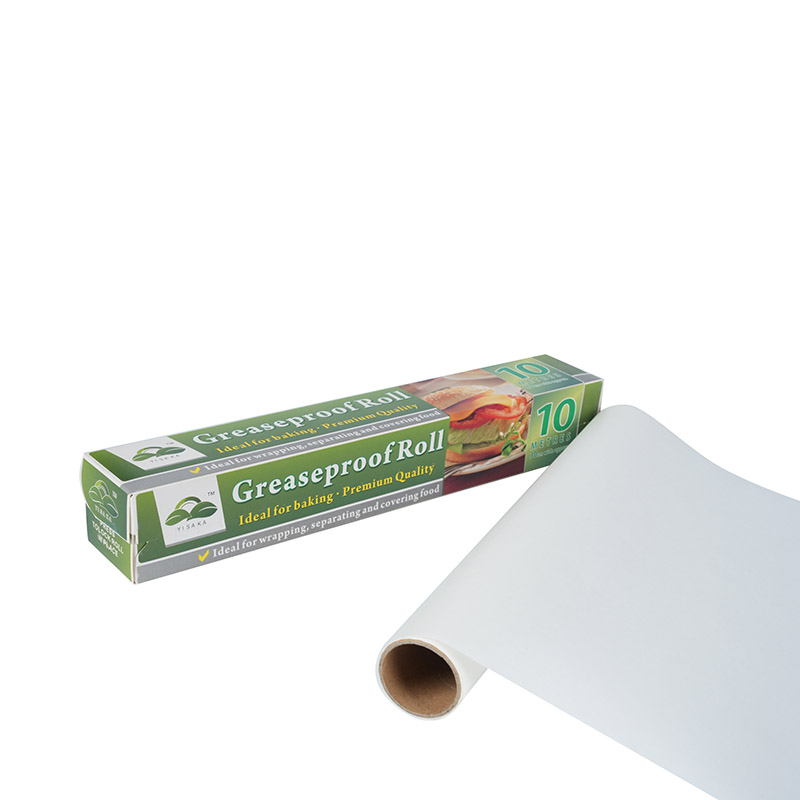
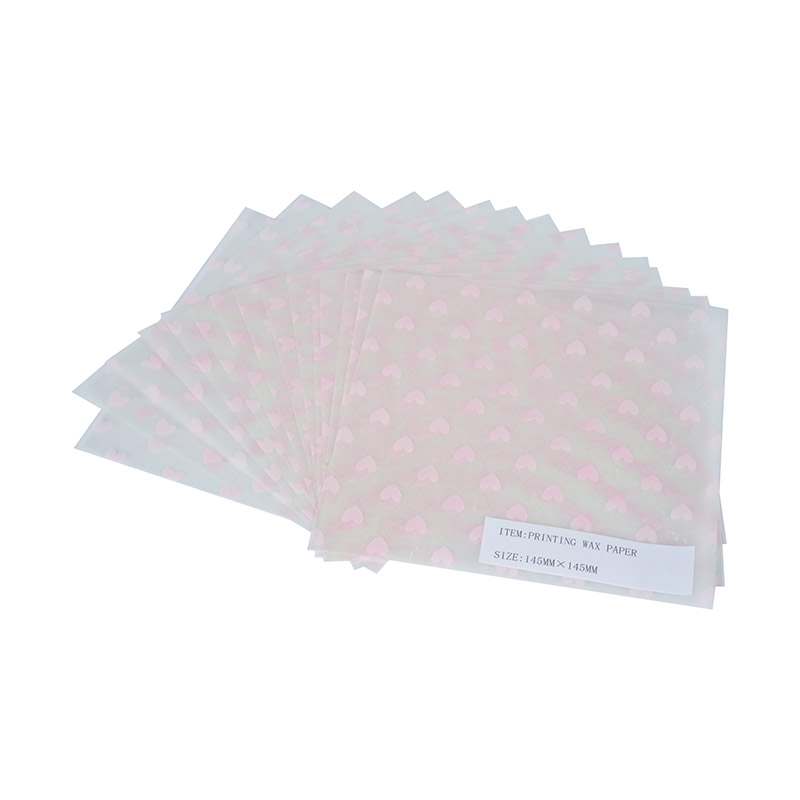
On a shelf, cooking paper may mean parchment, baking paper, greaseproof paper, wax paper, or a precut pan liner. The name describes the job more than one exact material. Most cooking papers start with food-grade paper pulp. The difference comes from how the paper is formed and coated. Silicone gives release and heat resistance. Wax gives moisture resistance and a foldable feel. Dense greaseproof paper resists oil without relying on a heavy coating. Perforated steaming paper adds airflow and drainage.
This is why two rolls that look similar can behave very differently. A wax paper that is perfect for wrapping a sandwich should not go into a hot oven. A heavy pan liner may be overkill for a light sponge. A thin sheet may be fine for a cookie tray but frustrating in a busy roast kitchen.
| Type | What it is | Best for | Watch out for |
|---|---|---|---|
| Silicone-coated cooking paper | Paper with a release coating, often called parchment or baking paper | Oven lining, baking, roasting, air fryer use with food holding it down | Check the temperature rating and keep it away from heating elements |
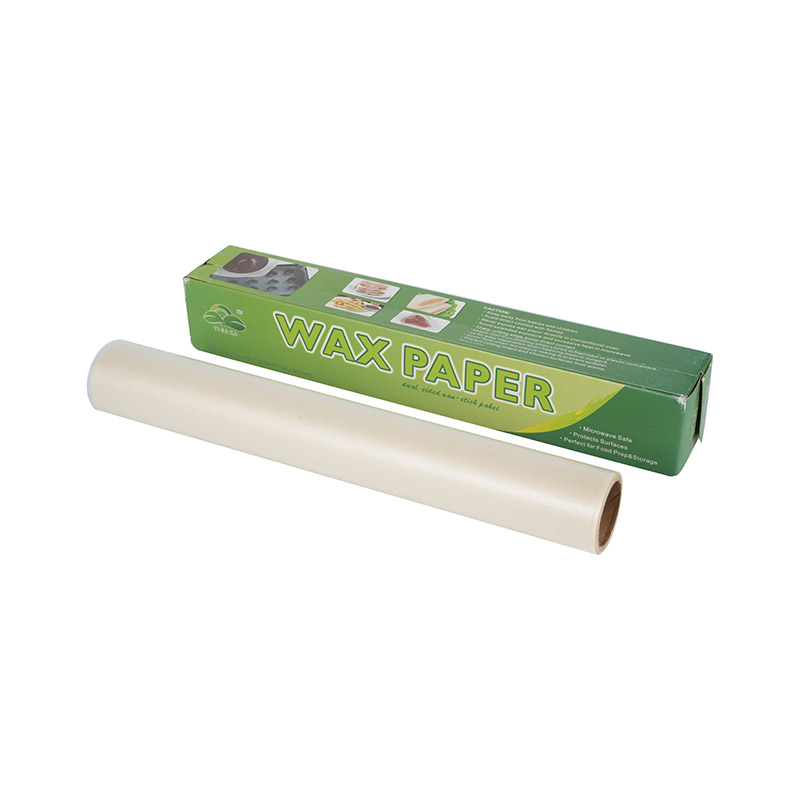
| Wax paper | Paper coated with food-grade wax | Wrapping, cold storage, separating sticky foods, microwave use only if labeled | Not for ovens, grills, or direct heat |
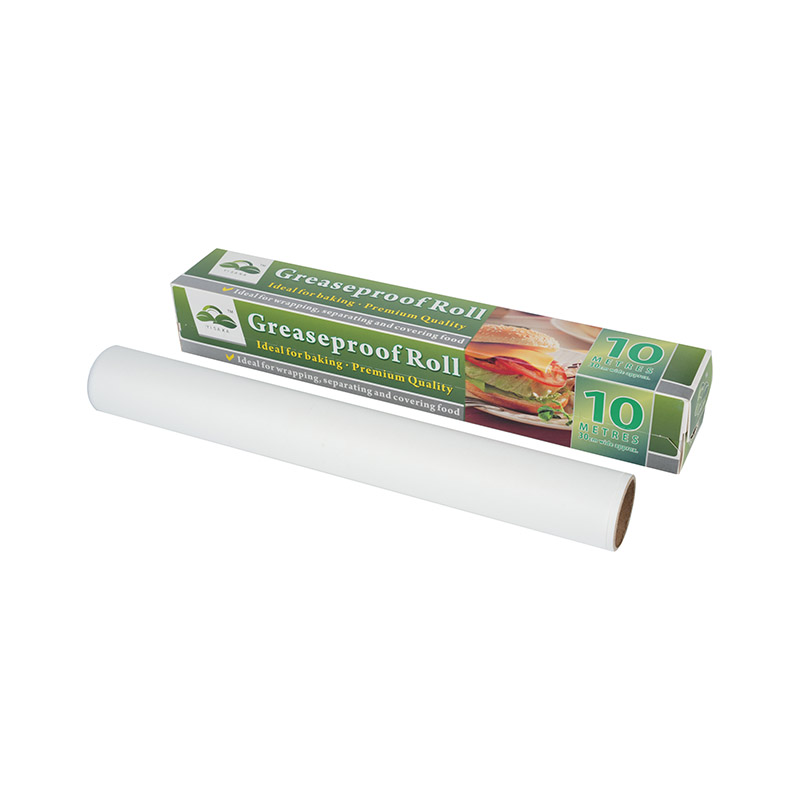
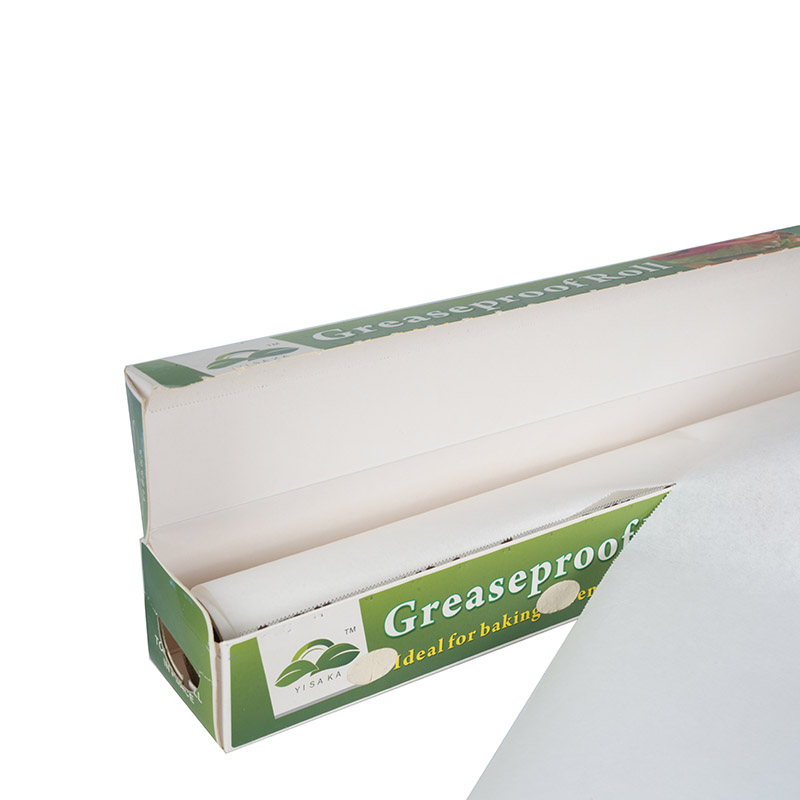
| Greaseproof paper | Dense paper that resists oil and moisture | Burger wrapping, sandwich wrap, basket liners, food separation | It may not be nonstick, and heat limits vary by product |
| Steaming paper | Paper with perforations, often grease-resistant | Dumplings, buns, dim sum, steamers, some air fryer baskets | Keep holes open and use it only where steam can circulate |
| Pan liners | Precut sheets for trays and baskets | High-volume baking, roasting, food service prep | Size, coating quality, and fit matter more than they seem |
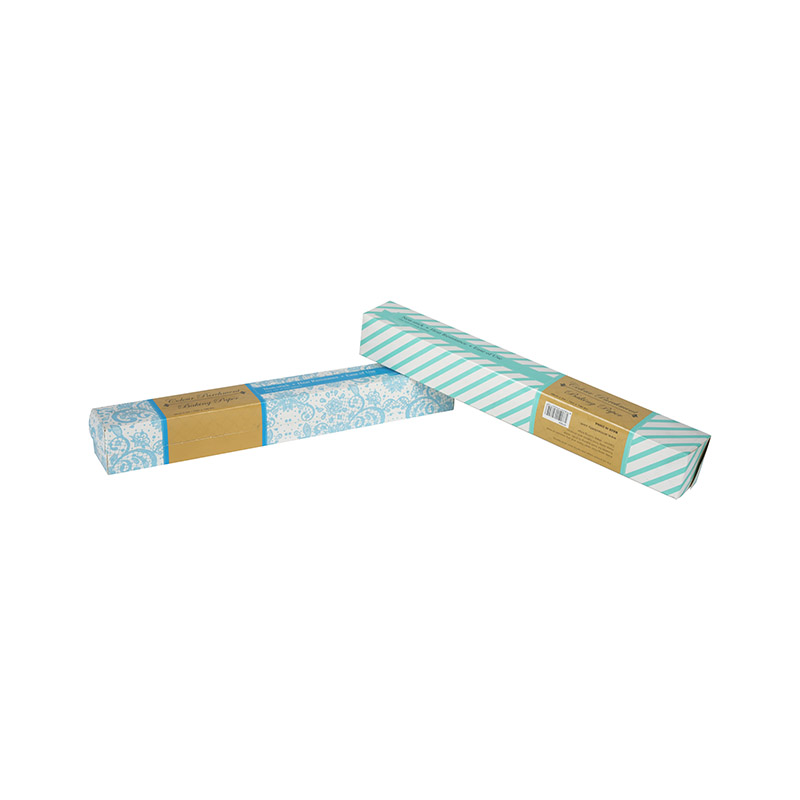
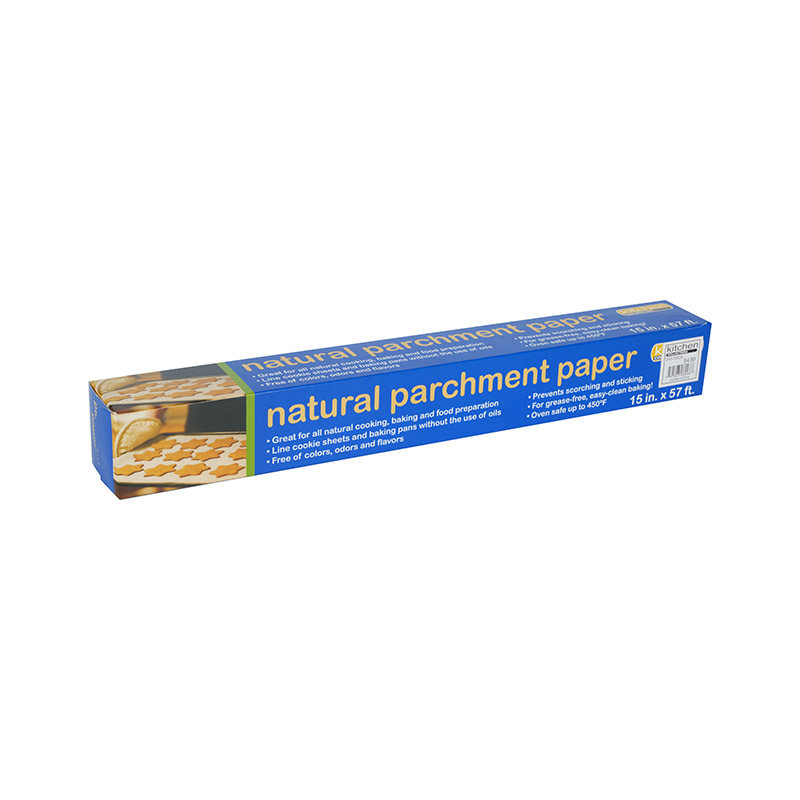
For everyday prep where speed matters, precut sheets remove the trimming step. Our nonstick cooking parchment paper sheets are one example of that ready-to-use approach.
 Precut Non-Stick Parchment Paper SheetsReady-to-use sheets eliminate trimming for fast everyday prep and line cookie, cake, or loaf pans with double-sided silicone release.View Product →
Where Cooking Paper Earns Its Place
Cooking paper is not one job. It lines, separates, wraps, covers, and protects. The right format follows the task, not the other way around.
Baking and roasting
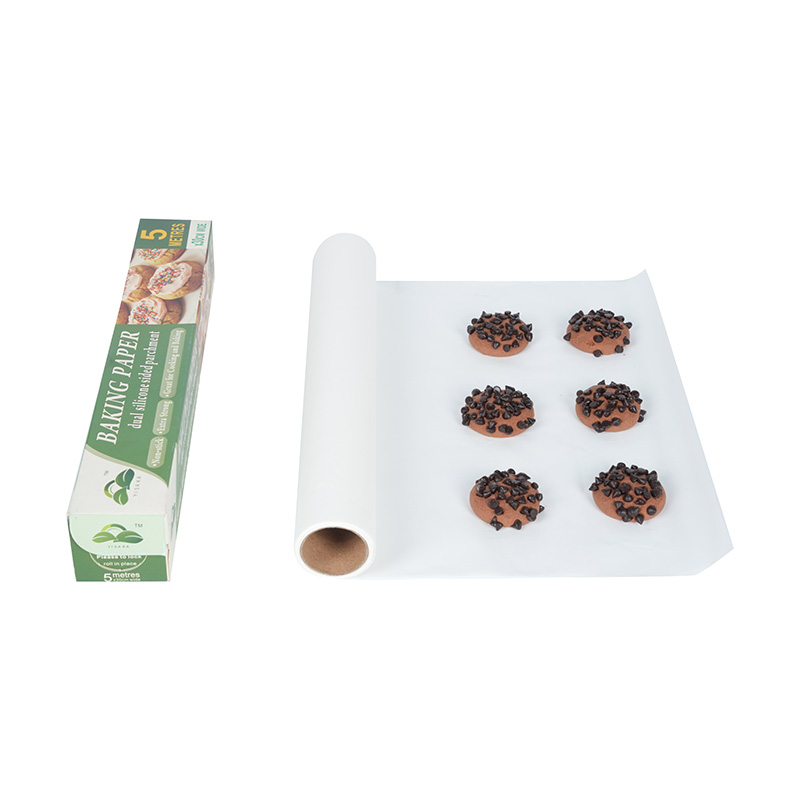
In a bakery, a release paper has to survive repeated tray changes without tearing at the corners. In a home oven, it simply needs to lie flat and let cookies lift cleanly. For roasted vegetables and sheet-pan dinners, a slightly heavier sheet is often easier to handle because it does not flap when the tray moves. Browned edges and sticky glazes are easier to manage when the liner stays in place.
Air frying and steam cooking
Air fryer paper is popular because it catches crumbs and drips, but it needs care. The paper must sit under the food, never loose above it, or the fan can lift it toward the heating element. Perforated liners help air move. Steaming paper works in a different way: the holes allow steam to pass while keeping buns and dumplings from sticking to the base. In both cases, the paper should support the cooking method rather than block it.
For air fryer baskets, a dedicated liner with the right shape and weight helps it stay put.
 YISAKA Heat-Resistant Air Fryer Paper LinersShaped liners made from virgin wood pulp with silicone coating for air frying, baking, and grilling; available in 6–9 inch sizes.View Product →
Wrapping, separating, and prep
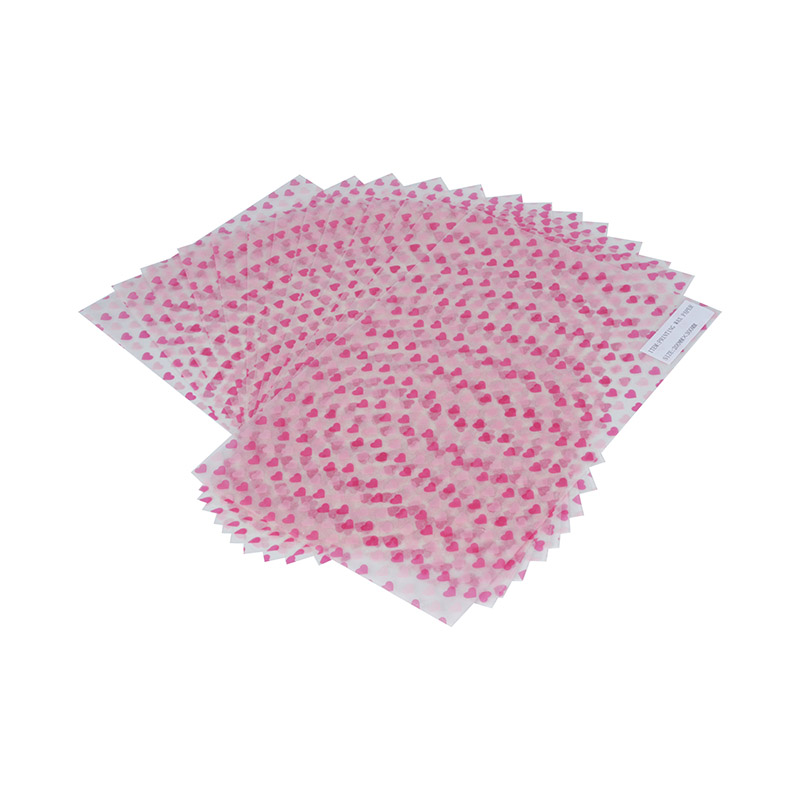
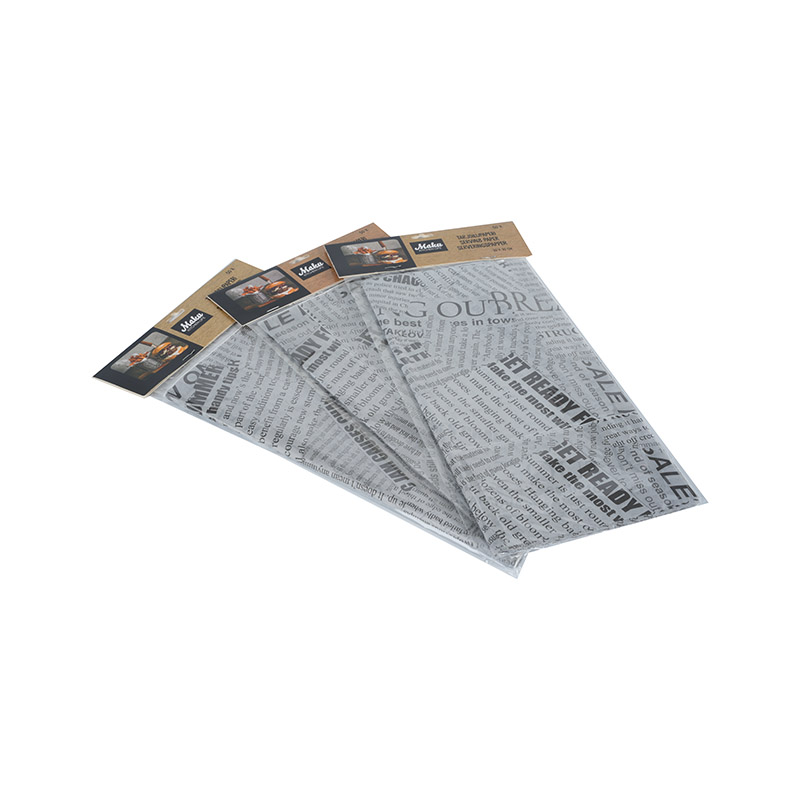
Walk through a busy sandwich counter and you will see cooking paper doing packaging work. Greaseproof sheets separate burger patties, wrap sandwiches, or line a cheese basket. Wax paper is useful for cold foods, sticky sweets, and short-term storage. Candy wrap and printed food paper add another layer: they protect the food and carry the brand at the same time. The common thread is food contact safety, clean folding, and enough oil resistance for the job.
How to Choose Cooking Paper Without Guesswork
When a customer asks which cooking paper to use, we start with the heat and the food. Color and price come later. A few practical questions narrow the choice quickly.
- Heat exposure: Is the paper going into an oven, an air fryer, a microwave, a steamer, or only a cold pack? Each has a different limit.
- Food type: Greasy meat, wet dough, sugary fruit, and dry pastry place different demands on release and strength.
- Format: Rolls suit flexible sizing. Sheets suit speed. Perforated rounds suit steamers. Printed wraps suit branding.
- Certification needs: Food businesses may need FDA, EU, Kosher, FSC, or other documentation before a paper can be approved.
- Storage and handling: A sheet that tears in the box or curls before it reaches the tray wastes time and money.
Reusable papers are also worth considering for low-mess jobs. They cost more at the start, but they can reduce throwaway waste in a regular baking routine. For bakers who want fewer single-use sheets, our reusable heavy-duty all-bake paper is a practical option.
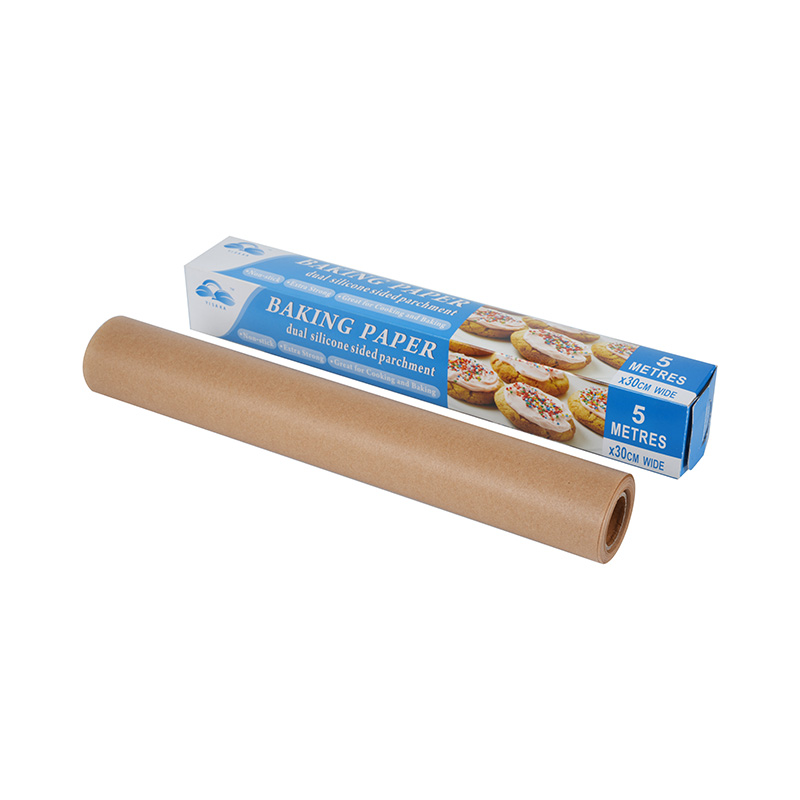 Reusable Heavy-Duty All-Bake Baking PaperReusable parchment for oven baking, available in rolls and sheets, with double-sided silicone coating to line trays and reduce single-use paper waste.View Product →
Safety, Storage, and the Small Habits That Prevent Waste
Most safety problems come from using paper outside its intended job. Keep paper away from open flames and exposed heating elements. Do not use wax paper in an oven or under a grill. In an air fryer, always place food on top of the liner so it cannot fly up. Check the manufacturer's maximum temperature rather than assuming all cooking paper is the same. For a closer look at cooking paper as a kitchen essential, this guide is a useful companion.
Storage matters more than many kitchens expect. Paper can absorb odors and moisture if it sits in a damp corner. Keep rolls sealed and upright, and keep sheets flat in a clean, dry place. Use the oldest stock first. In a commercial setting, label opened cases so staff know which paper is approved for ovens and which is only for wrapping.
There is also a sustainability angle. Using the right size sheet avoids waste. Choosing FSC-certified paper supports responsible fiber sourcing. Reusable liners make sense where cleaning is practical. None of these choices has to be perfect, but each one makes the kitchen a little more deliberate.
What a Paper Supplier Looks For
From our side, quality begins with consistent base paper and coating weight. If silicone is uneven, release fails at the edge. If paper is too light, it curls on the tray. If roll tension is wrong, sheets jam in a dispenser. We look at strength, grease resistance, heat performance, and how the paper behaves after folding, because those details decide whether a kitchen can work at speed.
YISAKA makes cooking paper, baking paper, greaseproof paper, wax paper, pan liners, steaming paper, sandwich wrap, burger wrap, and other food packaging paper. Our factory works with customers on roll width, sheet size, printing, packaging, and material choice. We also understand that buyers need documents as much as samples, so our food-contact paper programs are supported by certifications such as FDA, SGS, FSC, EU, Kosher, and QS.
A good supplier does not simply sell a roll. It helps a bakery, restaurant chain, or distributor match the paper to the heat, the food, and the packing line. That is the part of cooking paper that is easy to overlook and hard to replace.
Cooking paper is a small purchase with a large effect on daily work. Choose it for the job in front of you, respect its heat limits, and store it with the same care you give to other food-contact materials. When the paper fits, the kitchen runs cleaner, the food lifts free, and the team has one less thing to fight with at the end of the day.