 English
 русский

Candy wrappers are easy to overlook. They are thin, small, and usually gone in seconds. Yet for confectionery makers, co-packers, and private-label brands, that little sheet of paper has to keep the sweet fresh, survive the twist or fold, carry legal information, and look good on shelf. After more than a decade producing food-grade paper in Hangzhou, we have learned that the best wrapper is rarely the fanciest one. It is the one that fits the candy, the packing line, and the market. If you are comparing formats, our guide to different types of candy wrappers is a useful starting point.
Content
What Candy Wrappers Actually Do
A wrapper is both a barrier and a message. It limits moisture transfer, keeps oxygen away from sensitive fillings, protects against dust and handling damage, and helps stop grease from migrating into the pack. At the same time, it gives the brand a surface for color, typography, flavor cues, and legal text.
For many candies, the wrapper also helps the product hold its shape. A twist wrap keeps a caramel neat; a foil fold gives a chocolate piece a clean edge; a printed paper sleeve can turn a simple hard candy into a gift item. The right choice depends on the candy's surface, its fat and sugar content, the packing speed, and how long the product will sit in storage.
The Main Types of Candy Wrappers
Most candy wrapper discussions come back to a small group of materials. Each has a different balance of barrier, machinability, appearance, and cost. The table below is a starting point, not a substitute for a sample trial.
| Wrapper format | Typical use | Protection profile | Practical notes |
|---|---|---|---|
| Waxed paper | Caramels, taffy, chews | Good grease and moisture resistance; twistable | Coating weight affects release and machine run |
| Aluminum foil | Chocolate, truffles, pralines | Excellent light, moisture, and oxygen barrier | Dead-fold; often laminated or printed |
| Printed paper | Hard candy, lollipops, gift packs | Moderate barrier; depends on coating | Needs food-contact inks and good registration |
| Coated or glassine paper | Nougat, dried fruit, soft chews | Grease resistant; limited moisture barrier | Smooth surface; may need an inner wrap |
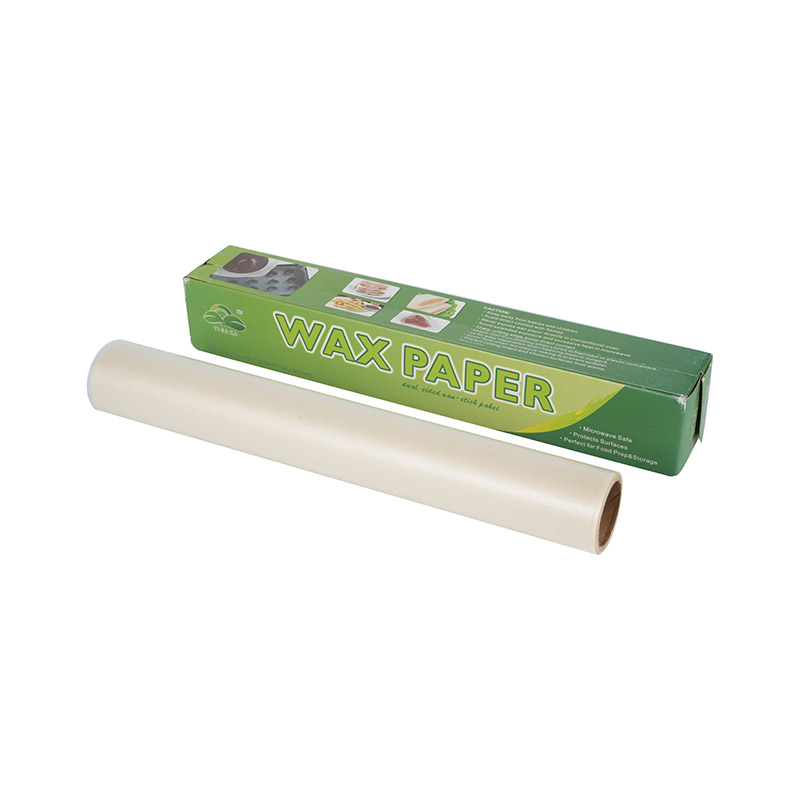
Waxed paper is one of the most familiar choices for twist-wrapped sweets. A food-grade wax coating gives the sheet a release surface and a useful moisture barrier, while the paper remains easy to fold and print. Coating weight, wax type, and paper strength all affect how the wrapper runs on high-speed equipment.
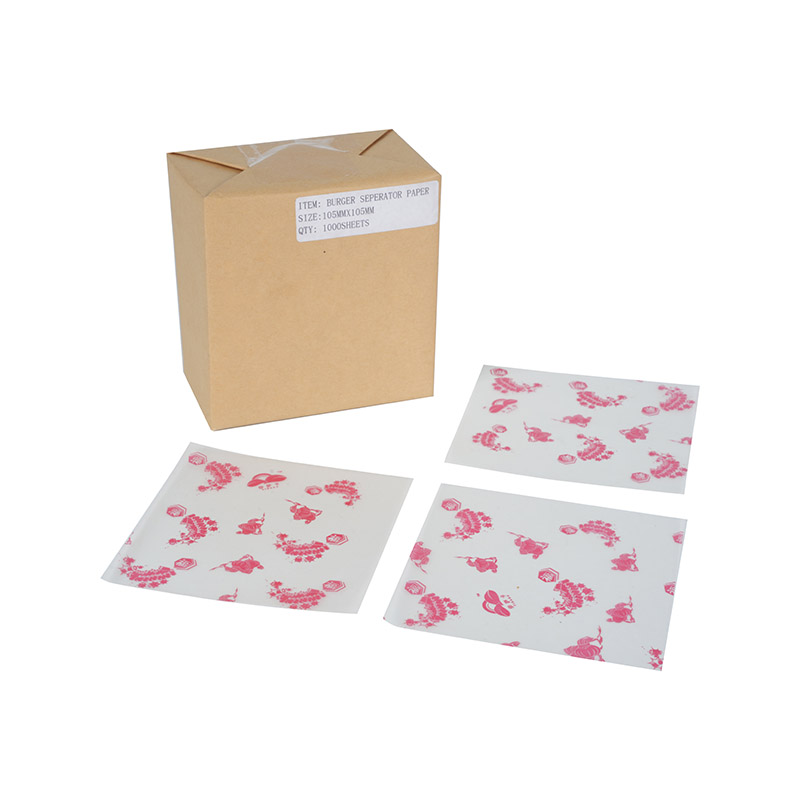 Food-Grade Waxed Candy Twist Wrap PaperSingle-side wax-coated virgin wood pulp wrap for hard candies, soft candies, chocolates and gum; supports printing and custom roll sizes.View Product →
Foil is valued for its dead-fold behavior, light barrier, and premium feel. Printed paper is often the most flexible option for branding, but its barrier performance depends on the base paper and any coating or lamination behind the design.
Matching the Wrapper to the Candy
Chocolate and Pralines
Chocolate is sensitive to heat, light, and moisture, and its surface shows every scuff. A foil wrapper helps with all three and gives the product a familiar premium look. For truffles and filled pralines, the wrapper also needs to resist oil migration from the filling. Check that the foil or foil-laminated paper is food-contact approved and that the fold will not crack during packing.
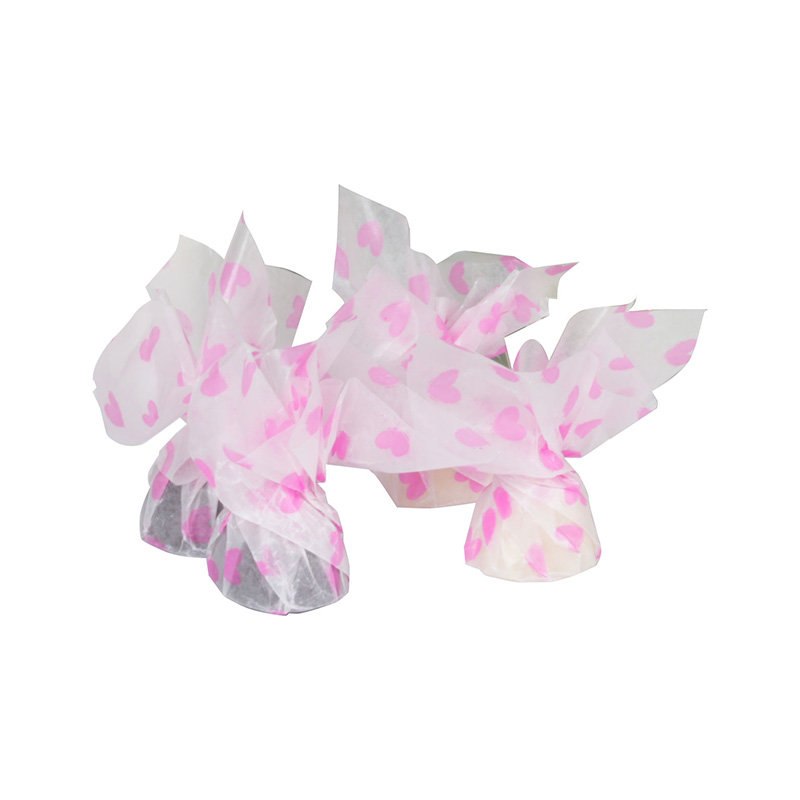 Chocolate Candy Foil Wrapper PaperIndividual wrapper paper for chocolates and candies, described as moisture- and air-tight to help preserve freshness, flavor and aroma while protecting against light and oxygen.View Product →
Hard Candy and Lollipops
Hard candy is less sensitive to moisture than chocolate, but it can become sticky in humid conditions. A waxed paper twist wrap or a printed paper wrapper with a suitable coating can work well, provided the twist is tight enough to protect the candy and loose enough for the packing line.
Caramels, Chews, and Taffy
Chewy candies are the classic use case for waxed paper. The paper needs to release cleanly from a sticky surface, hold a twist without tearing, and resist grease from butter or cream. Small sample runs are the fastest way to find the right balance.
Printing, Branding, and the Smallest Billboards
A candy wrapper is one of the smallest pieces of packaging a brand owns, so every millimeter counts. Good design uses clear flavor coding, a readable brand mark, and a finish that suits the price point. For premium lines, matte paper with foil stamping or a soft-touch coating can feel more considered than a high-gloss surface. For value lines, simple color blocks and clear product names often work harder than complex artwork.
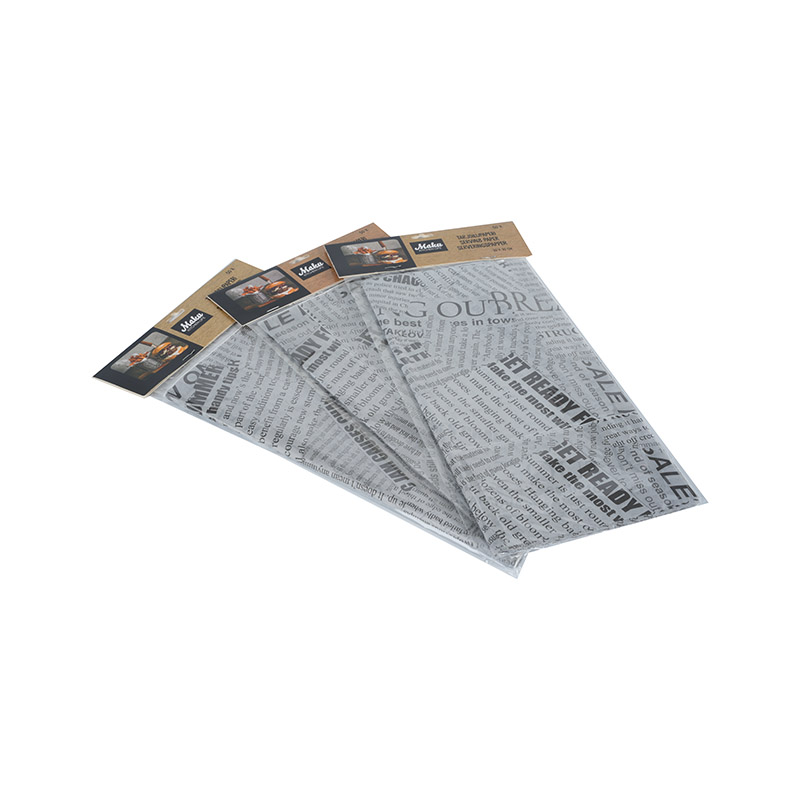
Print quality matters as much as the design file. Registration, ink coverage, and reverse-side printing all affect how the wrapper looks after it is twisted or folded. Food-contact inks and coatings should be specified from the start, and the printer should confirm that the artwork will not interfere with sealing or release.
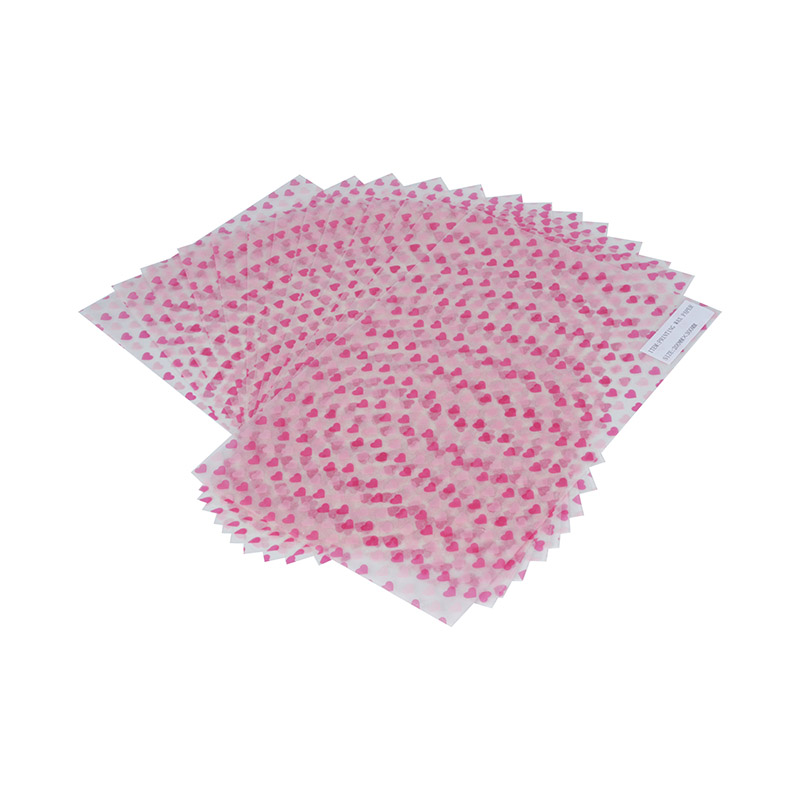
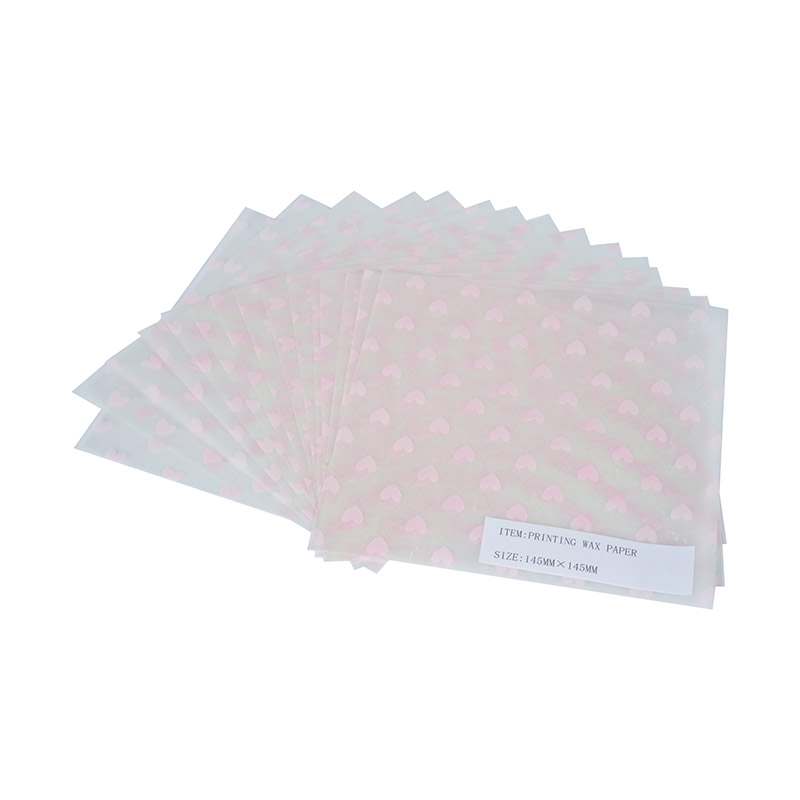
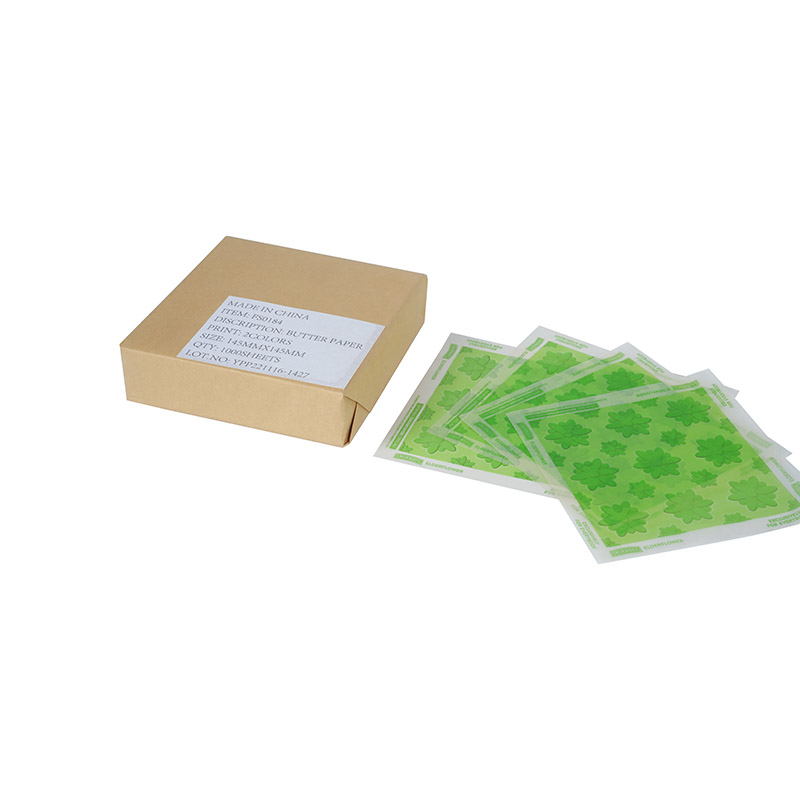 Printed Colored Candy Wrap and Craft PaperSingle-side wax-coated printed paper for candy packaging and DIY crafts, available in 1–6 letterpress colors and customizable seasonal or event designs.View Product →
Printed paper also gives confectioners room to experiment with seasonal editions and gift packs without changing the base material. Keep the substrate consistent while the artwork changes, so the packing line does not need to be reset for every campaign.
Food Safety, Compliance, and Shelf Life
For any wrapper that touches food, compliance is not a paperwork detail. It starts with the base paper, the coating, the ink, and the adhesive. Buyers should ask for food-contact documentation for the finished wrapper, not just the raw material, and confirm that the intended use, including fat content and storage temperature, is covered by the supplier's declaration.
- Check migration limits for inks and coatings.
- Confirm the wrapper is suitable for direct food contact.
- Review storage conditions and shelf-life claims.
- Run a shelf-life test with the actual candy.
A wrapper can look perfect on day one and fail after a month in a warm warehouse. Testing the full pack, not just the paper, is the only reliable way to catch flavor loss, oil staining, or seal failure. For export markets, keep FDA, EU, and other destination requirements in the brief from the beginning.
Sustainability Without Sacrificing Performance
Paper-based candy wrappers have a natural advantage in sustainability discussions, but the full picture includes fiber sourcing, coating chemistry, printing, and whether the wrapper can be recycled or composted where it is sold. FSC-certified paper is a practical starting point for fiber traceability. Reducing coating weight, right-sizing the sheet, and avoiding unnecessary lamination can also lower material use without hurting the candy.
Be careful with claims. "Recyclable" and "compostable" mean different things in different countries and require the right collection infrastructure. Test the finished wrapper against the specific claim you plan to print, and keep the evidence on file.
Custom Candy Wrapper Projects: What to Prepare
Most custom wrapper projects move faster when the brief is clear. Before asking for samples, gather the details that affect material choice and machine performance.
- Describe the candy: size, weight, surface texture, fat content, and whether it is chocolate, chewy, hard, or filled.
- Confirm the packing method: twist, fold, flow-wrap, bunch-wrap, or hand-wrap.
- Provide artwork dimensions, color references, and any legal or allergen text.
- State the barrier need: moisture, oxygen, light, grease, or a combination.
- Name the destination market and the food-contact documentation required.
- Estimate annual volume, order frequency, and seasonal peaks.
- Ask for a sample run on the actual filling equipment, not only a flat-sheet proof.
At YISAKA, we start with these questions because they point to the right paper, coating, and print method faster than a long design brief. The goal is a specification that protects the candy, runs reliably, and feels right in the customer's hand.
A good candy wrapper is a quiet piece of engineering. It protects a fragile product, carries a brand's voice, and has to work at speed without tearing, sticking, or failing in storage. Whether you choose waxed paper, foil, printed paper, or a combination, the best result comes from testing the full pack and keeping the brief grounded in the candy itself.