 English
 русский
Anyone who has lifted the lid off a bamboo steamer and found a row of dumplings welded to the base knows how much a thin sheet of paper can matter. Steamer paper is one of those quiet, inexpensive items that decides whether a batch of bao, siu mai, or sticky rice cakes comes out whole or in pieces. This guide looks at what steamer paper is, what it is made of, how it behaves over live steam, and how to choose the right sheet, whether you are steaming dinner at home or running hundreds of baskets a day.
Content
What Steamer Paper Is
Steamer paper, also called steaming paper or a steamer liner, is a sheet of food-grade paper placed between food and the steamer surface. It sits on the perforated base of a bamboo basket, across the rack of a metal tiered steamer, or on the tray of an electric steamer, and it does three jobs at once.
- Release: it stops dumplings, buns, and rice cakes from welding themselves to the basket.
- Steam flow: perforations or punched holes let steam rise evenly around the food.
- Hygiene: it keeps the basket cleaner and reduces flavour transfer between batches.
Most of the steamer paper sold today comes as pre-cut round discs, often with a pattern of small holes already punched through the sheet. Square sheets and rolls are common too, because they can be trimmed to suit any basket diameter. If the paper you have is solid, punch a handful of openings before you use it. A liner with no holes traps moisture underneath, and the base of the food ends up soggy instead of tender.
What Steamer Paper Is Made Of
A sheet of steamer paper is simple in construction and fussy in the details. The base is food-grade paper made from virgin wood pulp, and the working surface carries a thin, cured coating of food-grade silicone. That coating gives the paper its non-stick release, its grease resistance, and its heat tolerance, which usually runs to around 220°C (428°F) for short periods. There is no wax in steamer paper, and that matters: wax melts at steaming temperatures, while silicone does not.
There are two versions of the base paper. Bleached or white paper gives a clean, bright look that suits restaurants plating pale dumplings. Unbleached paper keeps a natural tan tone because the pulp is not chlorine-bleached, and many cooks prefer it for savoury dim sum and for kitchens that want less processing in their disposables.
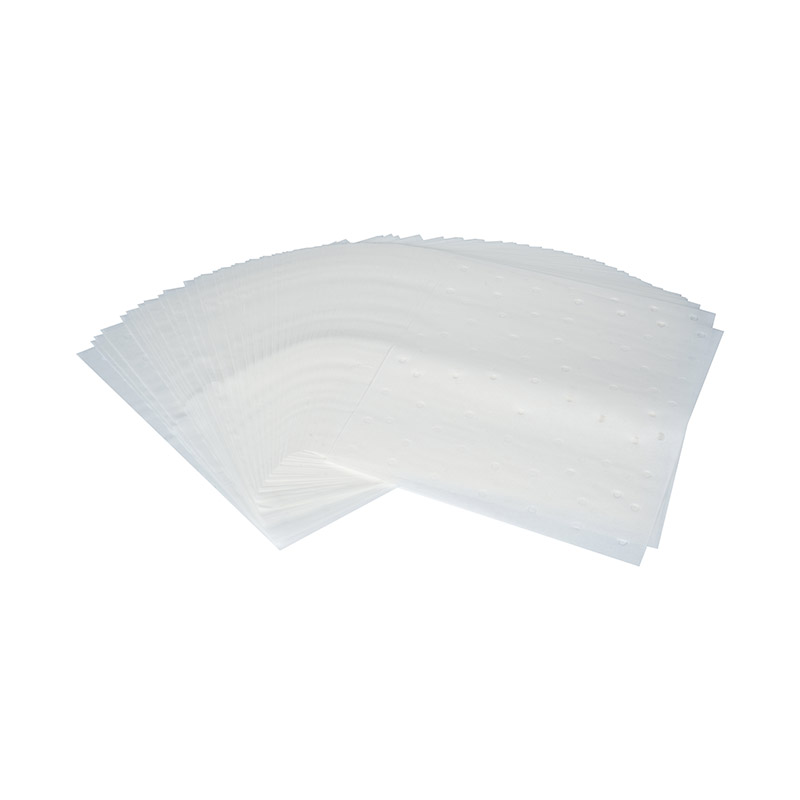 Unbleached Grease-Resistant Silicone-Coated Steam Paper for CookingNatural tan unbleached paper with double-sided silicone coating suits savoury dim sum, resists grease and moisture, and can be rinsed for limited reuse.View Product →
Coating can be applied on one side or both. Double-sided silicone makes a sheet easier to handle when it is loaded wet, and it also allows the paper to be rinsed and reused a few times.
The Main Types of Steamer Paper
Walk through a restaurant supply catalogue and you will see four formats again and again. They differ mainly in coating, shape, and the jobs they do best.
| Type | Coating | Typical form | Best suited to |
|---|---|---|---|
| Perforated round steamer paper | Single or double food-grade silicone | Pre-cut discs with punched holes | Bamboo baskets and metal steamers in standard diameters |
| Unbleached grease-resistant steam paper | Silicone on unbleached pulp | Sheets or rolls | Savory dim sum and less-processed kitchen disposables |
| White nonstick dim sum paper | Double-sided silicone | Round or square sheets | Restaurants plating sticky dumplings, buns, and rice cakes |
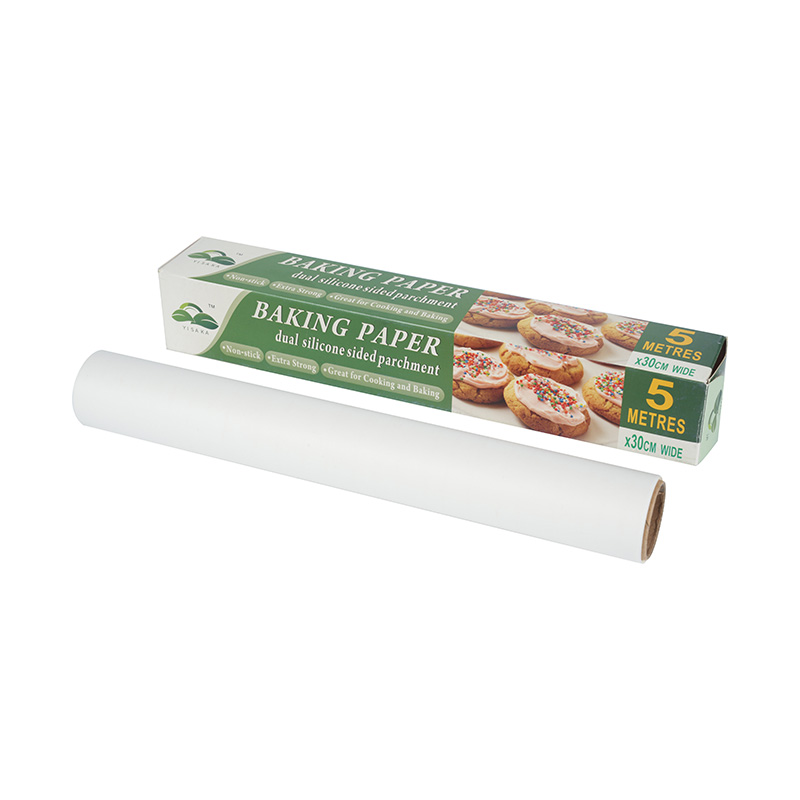
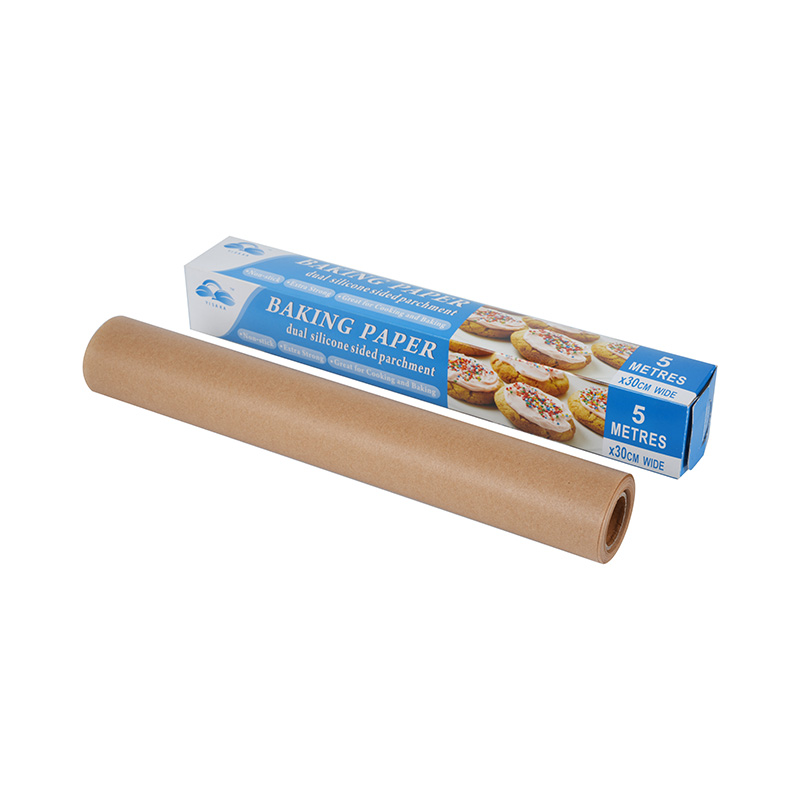
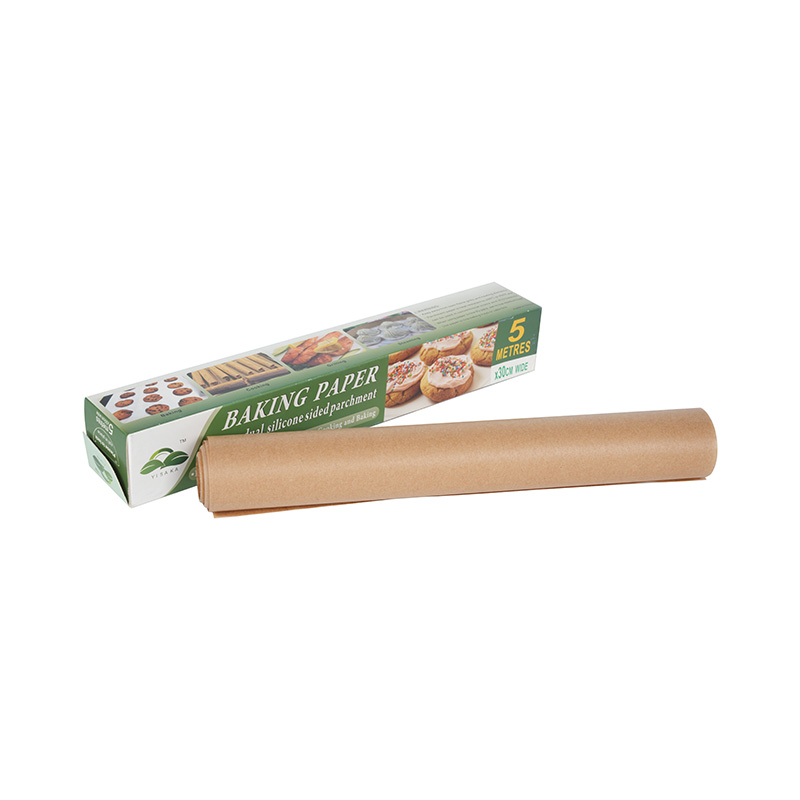
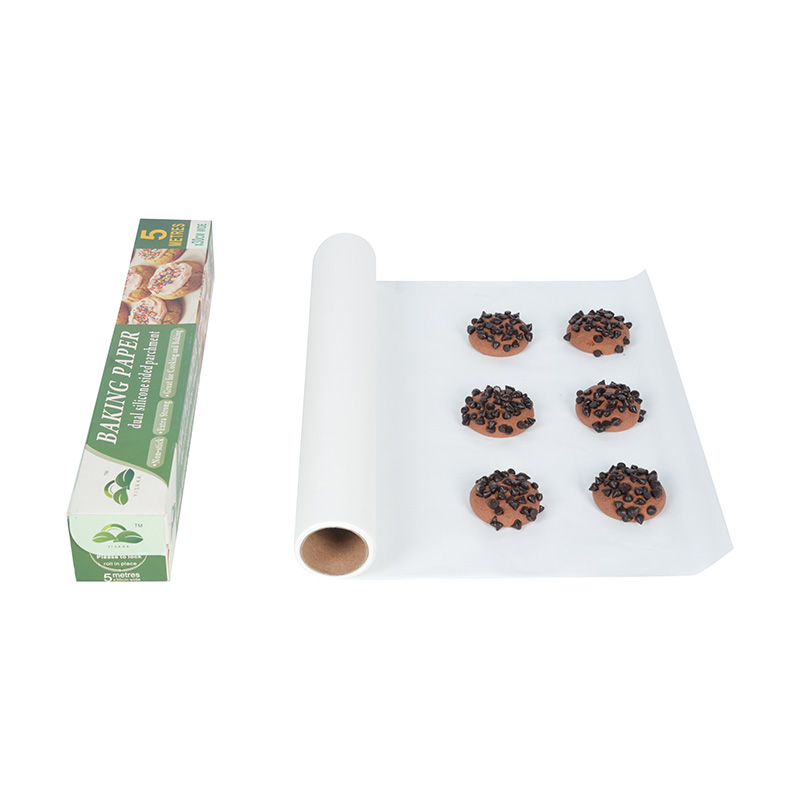
| Baking parchment used as a liner | Silicone on both sides | Rolls or sheets cut to size | Home kitchens lining odd-sized baskets |
Perforated rounds are the workhorse. A 20 cm or 23 cm disc with a standard hole pattern drops straight into a bamboo basket, needs no scissors, and comes out with the dumplings in one piece. Restaurants that steam all day usually buy them in packs of hundreds, because the seconds saved on cutting add up fast.
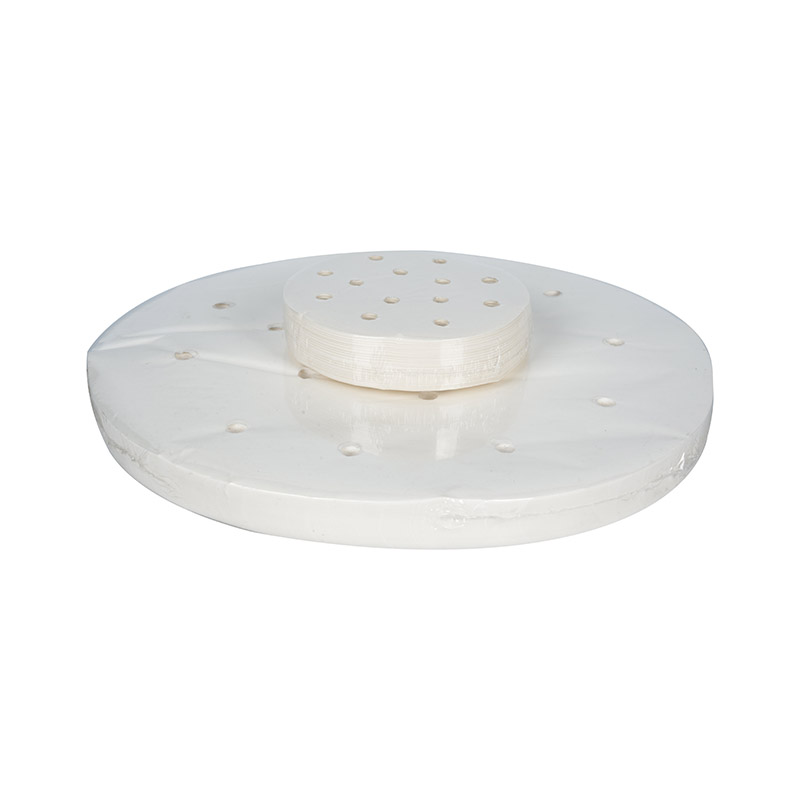 Perforated Round Air Fryer and Steamer Paper LinersPre-cut perforated discs fit bamboo baskets and air fryers, letting steam pass for even cooking while reducing moisture and sticking.View Product →
If you steam in several basket sizes, sheets and rolls give you more flexibility. Cut the liner slightly smaller than the basket floor so the paper does not curl up against the rim and channel condensation back onto the food.
How to Use Steamer Paper Step by Step
- Measure the inside of the basket, not the outer rim, so the disc sits flat.
- Punch six to twelve small holes if the sheet is solid.
- Lay the paper on the base and press it down gently.
- Leave a small margin at the edge so steam can still pass around the sides.
- Arrange food with a little space between pieces.
- Lift the paper with the food when the batch is done, then discard it or rinse and dry it if reuse is intended.
One practical warning: never let wet paper sit against a heating element or a dry pot base. The paper is heat resistant, but it still needs the moist environment of a steamer to behave as intended.
Steamer Paper vs. Other Lining Options
Paper is convenient, but it is not the only way to keep food off the basket. Traditional kitchens still use several alternatives.
- Cabbage leaves: natural and aromatic, but they release moisture and can tint pale dumplings.
- Corn husks and banana leaves: sturdy and attractive, yet bulky and not always clean enough for food contact.
- Cheesecloth: lets steam through well, but food still sticks to it and cleanup is slower.
- Silicone mats: reusable for years, though thicker, pricier, and washed after every service.
Steamer paper wins on consistency. A clean, food-grade sheet gives the same result on the first basket of the morning and the last one at night, which is why it is the default in most commercial dim sum kitchens.
Choosing Steamer Paper for a Kitchen or Food Business
When you buy steamer paper by the carton rather than the packet, a few details deserve attention before you place an order.
- Diameter and shape: rounds from 15 cm to 30 cm cover most baskets, while squares and rolls suit mixed equipment.
- Weight and coating: heavier paper holds its shape under wet food, and double-sided silicone releases more cleanly.
- Perforation pattern: a consistent hole size keeps steam flow even from one sheet to the next.
- Compliance and branding: FDA and EU food-contact standards, FSC fibre sourcing, and Kosher certification are standard questions at the purchasing stage, and printed sheets let a brand appear on the liner itself.
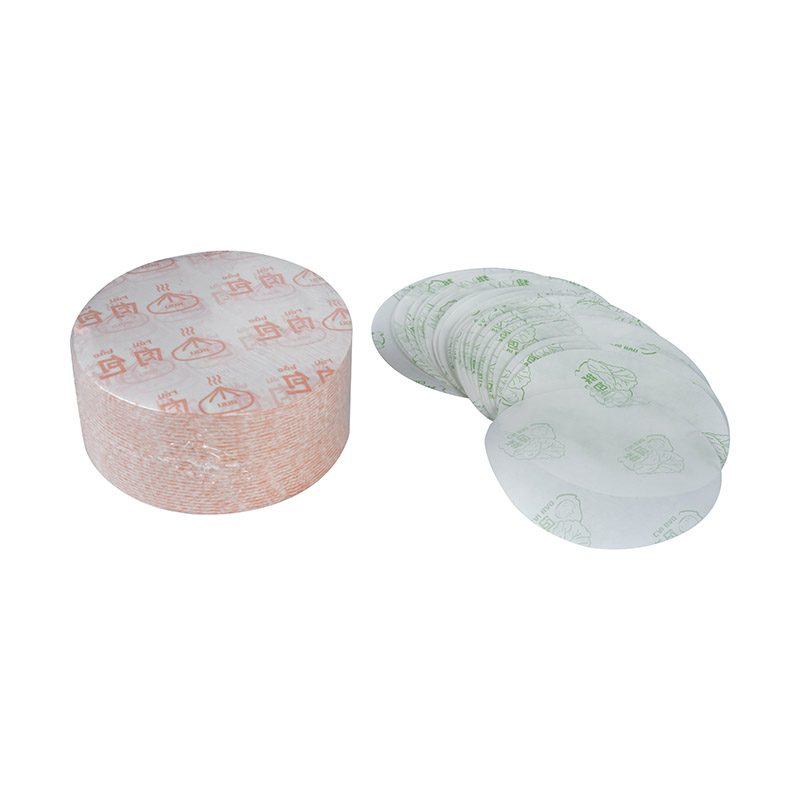 White Non-Stick Steam Dim Sum Paper SheetsBright non-stick liners help steamed dumplings, buns, and rice cakes release cleanly while keeping snacks tender during carton-size dim sum preparation.View Product →
White nonstick sheets in the dim sum style are the usual pick for steamed dumplings, buns, and rice cakes that need to lift away cleanly, while unbleached grades tend to be chosen for heavier savoury work.
Storage and Common Mistakes
Steamer paper is not fragile, but it dislikes heat, moisture, and sunlight. Keep packs sealed in a dry cupboard, away from ovens and steam lines, and use the oldest stock first. The mistakes we see most often are easy to avoid.
- Using paper larger than the basket, so the edges curl and collect water.
- Steaming on a solid sheet with no holes, which leaves the base of the food wet.
- Reusing a greasy, torn sheet because it still looks white.
- Choosing paper that is not labelled for food contact, even when it looks similar.
None of this is complicated, and that is rather the point. A good liner costs very little, takes no skill to use, and quietly protects the part of the dish people notice first. If you would like to go deeper into the kitchen side of things, we have written a closer look at how the right liner shapes the results on the plate, and you can also visit our homepage to see the factory where our rounds, sheets, and rolls are made. Whether you steam ten dumplings on a Sunday or ten thousand in a week, the right sheets simply work.