 English
 русский
Every cook who has ever wrestled a sticky bun off a steamer rack knows the small moment of dread. You lift the lid, the aroma is exactly right, and half the dough stays glued to the metal. Steam paper is the quiet answer: a thin sheet of food-grade paper that sits between the food and the steaming surface, so dumplings, buns, sticky rice, and dim sum lift away in one piece instead of tearing apart.
It looks like a simple product, and in many ways it is. But the material, the coating, the perforation, and the way the sheet is positioned all change how well it works. We have spent years making food-grade paper for kitchens and food businesses, and this guide collects what we have learned: what steam paper actually is, how it behaves under moist heat, which type suits which food, and the small habits that keep it performing.
Content
What Is Steam Paper, Exactly?
Steam paper, also called steamer paper, steaming paper, or dim sum paper, is a food-grade paper built for moist heat rather than dry oven heat. The base sheet is usually made from virgin wood pulp, then coated on one or both sides with a food-safe silicone layer, or treated to resist grease and water. That treatment creates the release property: starch and moisture cannot bond to the surface, so dough slides off instead of gripping.
Two things separate it from the paper you already keep in a drawer. First, it survives a humid environment. A steamer basket is wet, warm, and constantly producing condensation, and ordinary paper would quickly soften and fall apart into the food. Steam paper is made to hold its structure through a full steaming cycle. Second, most versions are perforated, or designed to be perforated at home. Small, evenly spaced holes let steam rise through the sheet instead of pooling underneath, which keeps the underside of the food from turning soggy.
You will see it in three practical formats: round sheets cut to fit a bamboo basket, square and rectangular sheets sized for metal or electric steamers, and rolls that you cut to your own dimensions. The same material also appears as air fryer liners, where hot air replaces steam but the release and grease-resistance requirements are much the same.
Why Steam Paper Earns Its Place in the Kitchen
Anyone who has worked a dim sum service knows the difference a proper liner makes. Here is what it actually delivers:
- Clean release. Buns keep their pleats, dumplings keep their skins, and nothing is left stuck to the rack.
- Reliable shape. Food steams in a flat, stable position, so it cooks evenly and looks right when it reaches the table.
- Quicker cleanup. You lift out one sheet instead of scrubbing a perforated rack and soaking it overnight.
- Consistent portions. Lining a basket with individual sheets gives you a natural grid for portioning, which matters in a busy kitchen.
- Less grease and less sticking. For meat, fish, and vegetables, a grease-resistant sheet keeps oil from dripping through and staining the layers below.
- Better hygiene in service. Single-use liners reduce the risk of cross-contact between batches, one reason food businesses moved away from cloth liners.
Is Steam Paper Safe to Cook With?
Yes, with one condition: the paper must be made for food contact. Steam paper is safe when it is produced from food-grade pulp, coated with a food-safe material, and tested to the standards that apply in the market where it is sold. Problems come from the edges of the category, not the category itself: uncoated kraft paper sold as a bargain liner, sheets with an uneven coating, or paper that smells faintly of solvent when the pack is opened.
A few things are worth checking before you buy:
- Food-contact certification. Look for FDA, EU, or equivalent compliance from a recognized testing body, not just a marketing claim on the packaging.
- Coating quality. A food-grade silicone coating should be even, odorless, and fully cured. Rub a corner between your fingers; a poorly made sheet feels tacky or sheds dust.
- Heat and moisture performance. Ask what temperature and steaming time the paper is rated for, then test it with your own process instead of assuming.
- Unbleached or bleached. Both are safe when food-grade. Unbleached paper simply skips the chlorine bleaching step, which many buyers prefer.
- Not wax. Wax paper is not a steamer liner. The wax softens in moist heat and can end up in your food.
Steam Paper vs Baking Paper vs Wax Paper
Home cooks often ask whether they can just use whatever is already in the cupboard. Sometimes yes, with caveats. Baking paper, or parchment, is also silicone-coated and can act as a steamer liner in a pinch. It is the most common substitution, and plenty of people cut a round from a parchment sheet and poke holes in it with a skewer. The catch is permeability: parchment is usually denser, so without holes, condensation collects between the sheet and the food and the bottom turns soggy. Cut the holes, and it performs reasonably well.
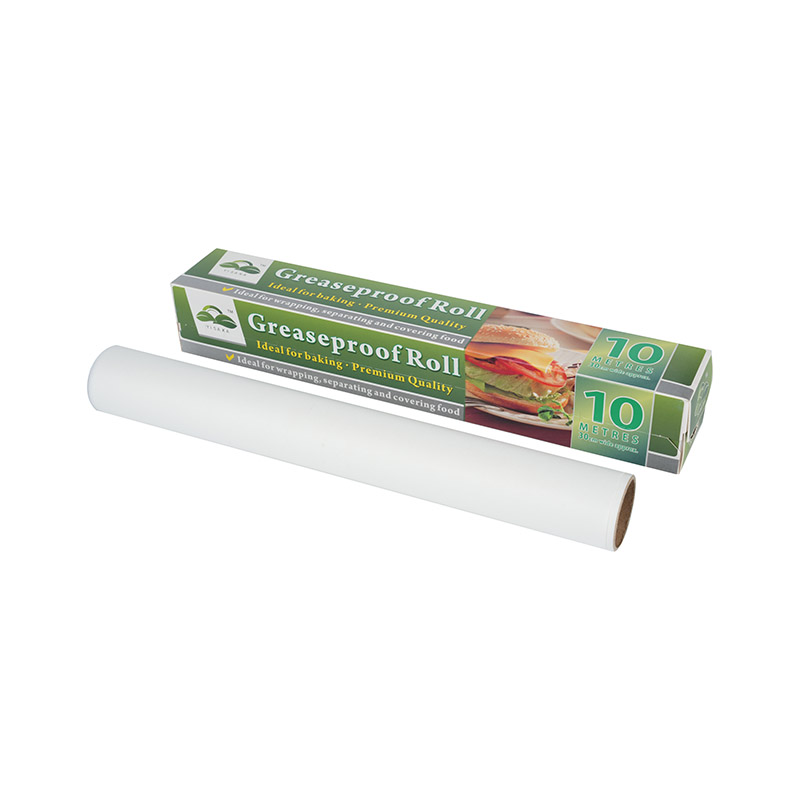
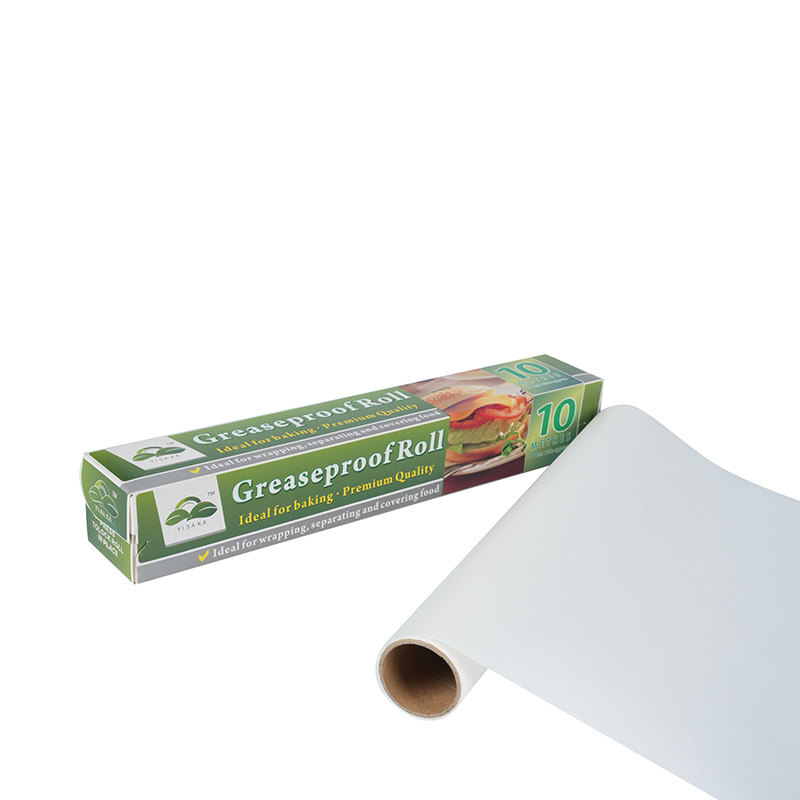
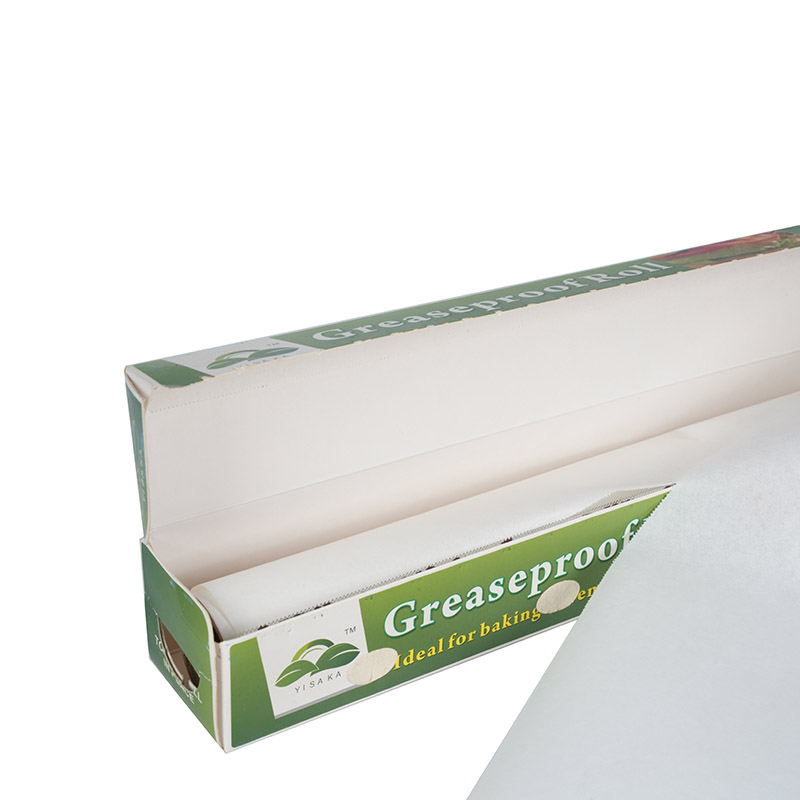
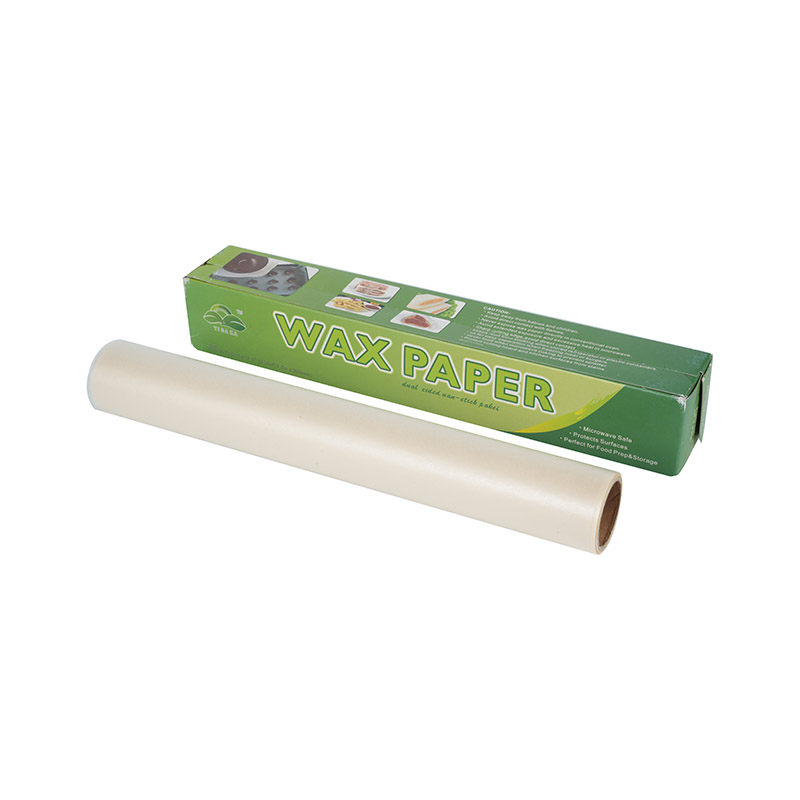
Wax paper is a different situation and should stay out of the steamer. Its coating softens in moist heat, the paper loses strength quickly, and residue can transfer into food. Greaseproof paper is a fine liner for dry or oily jobs, but it has no silicone release layer, so it is not a non-stick surface for wet steaming.
The short version: purpose-made steam paper is the only option designed for the job, parchment is an acceptable emergency substitute if you perforate it, and wax or plain greaseproof paper are not.
Types of Steam Paper and How to Choose
Most steam paper sold around the world falls into three groups. The choice usually comes down to what you are steaming and how much prep time you want to spend.
| Type | Best suited to | What to keep in mind |
|---|---|---|
| White nonstick steam paper | Buns, dumplings, siu mai, sticky rice | Bright surface makes food color easy to judge; a strong all-round choice |
| Unbleached grease-resistant steam paper | Meat, fish, oily dim sum, vegetable dishes | No bleaching step and good oil resistance; natural tone |
| Pre-perforated round liners | Bamboo baskets, electric steamers, air fryers | Ready-made holes save prep time; check the diameter against your basket |
If you are unsure where to start, white nonstick sheets are the safest choice for delicate dough, unbleached sheets suit savory and greasier items, and pre-perforated rounds save the most time when volume is high.
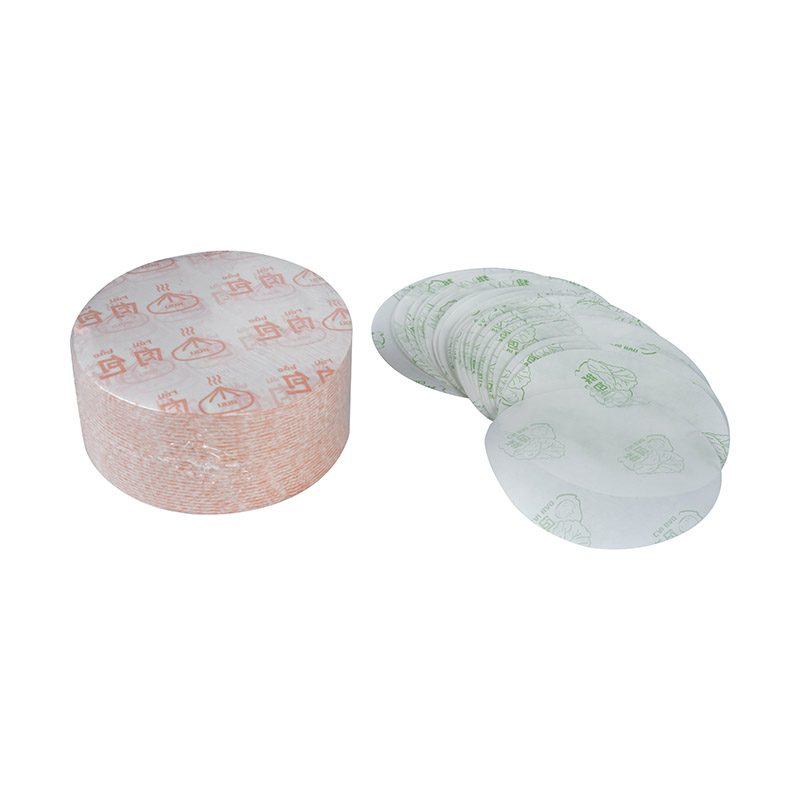 White Non-Stick Steaming Paper for Dim Sum and BaoziWhite non-stick steamer paper suited to delicate dim sum dough, available in round 8-10 inch sizes, 35-50 GSM, and 100-sheet packs.View Product →
 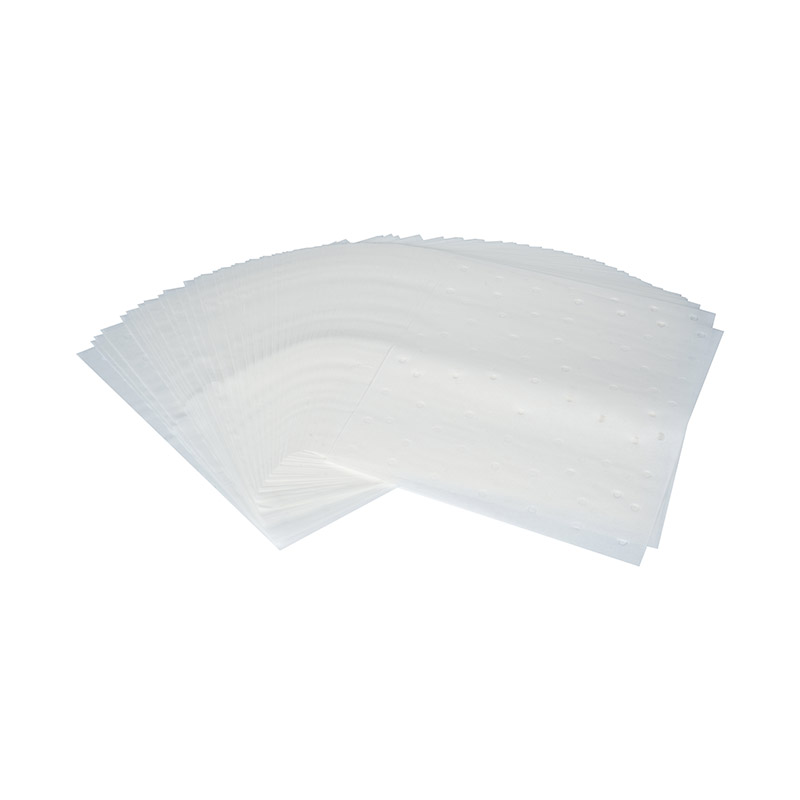 Unbleached Grease-Resistant Steaming Paper for Savory FoodsUnbleached grease-resistant steamer paper for savory dumplings, buns, and pastries; 35-50 GSM, round 8-10 inch, 100 sheets per pack.View Product →
How to Use Steam Paper Properly
- Measure before you cut. Trace the basket rim or use a pre-cut round; a liner that overlaps the rim will not sit flat.
- Perforate if the sheet is solid. Poke small holes about two centimeters apart. Even spacing matters far more than neatness.
- Lay the sheet flat. Folds and wrinkles create pockets where condensation gathers and food sticks.
- Keep it above the water line. Paper sitting in water soaks through and loses strength, so leave a proper gap between water and rack.
- Leave a small gap at the rim, because steam needs somewhere to travel instead of being trapped under the food.
- Do not overload. A finger's width between items keeps steam circulating and cooking even.
- Lift with tongs rather than tugging, and reuse a sheet only if it is still intact and dry afterwards.
If you would like to go deeper on how liner choice changes the final texture of steamed dough, our note on steamer paper and dumplings walks through it step by step.
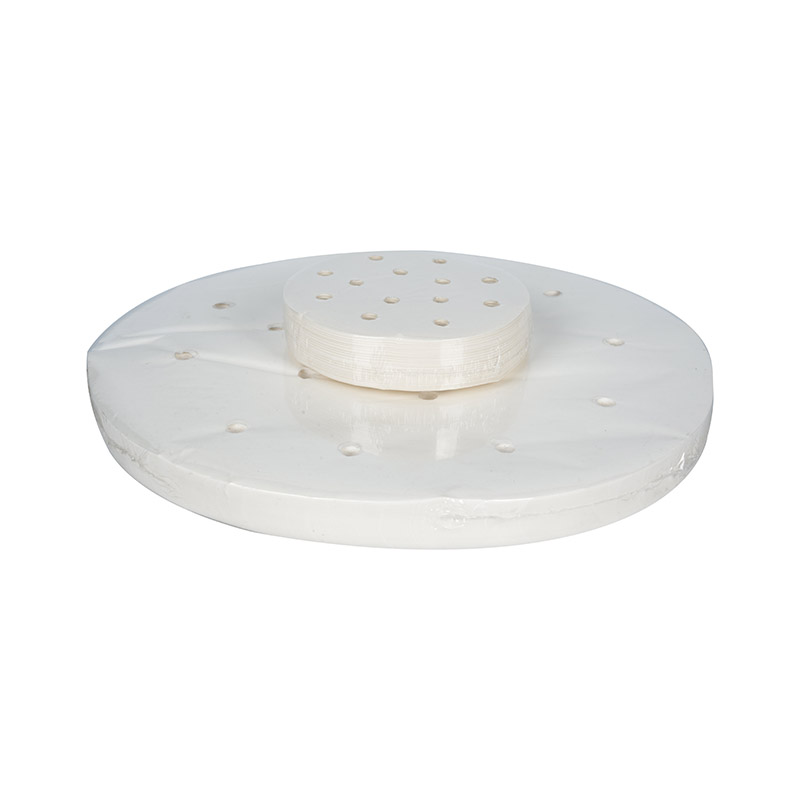 Perforated Round Steaming Paper for Air Fryer and SteamingPerforated round liner for air frying and steaming; allows steam release, reduces moisture, and fits 8-10 inch baskets.View Product →
Buying Steam Paper in Bulk: What Actually Matters
If you are sourcing for restaurants, a bakery chain, or a retail brand, the questions shift. Format comes first: rounds, sheets, or rolls, and the exact dimensions your baskets and trays require. Then coating consistency, because a liner that releases well in one carton and sticks in the next costs more in complaints than it saves on price. Then certification, since food-contact compliance is checked at borders and in audits. And then supply reliability, because a liner is a small item that can quietly stop a production line when it runs out.
Customization is usually where the real value sits. Printed liners, unbleached or white bases, cut-to-size rounds, and specific perforation patterns all make the paper fit your process rather than the other way around. As a food packaging paper manufacturer, we develop steam paper, baking paper, greaseproof paper, and wax paper against customer drawings and samples, running our own coating and inline inspection instead of outsourcing the critical step. That work happens across roughly ten thousand square meters of factory space, with capacity of up to fifteen thousand tons a year and shipments heading to more than thirty countries.
Steam paper is a small item with an outsized effect on how a steamed dish turns out: clean release, even cooking, less scrubbing, and food that reaches the table looking the way you intended. Whether you are lining one bamboo basket at home or specifying millions of sheets a year, the principles stay the same, which is to get the material, the perforation, and the position right.
If you have a steamer that keeps fighting you, or a product line that needs a liner cut to an unusual size, we are always happy to talk paper. Send us a sample or a drawing, and we will tell you honestly what will work.