 English
 русский
Content
- 1 What Is Cooking Sheet Paper and Why Do You Need It?
- 2 Types of Cooking Sheet Paper: Which One Should You Use?
- 3 How to Use Cooking Sheet Paper for Best Results
- 4
- 5 Common Mistakes to Avoid When Using Baking Sheet Liners
- 6 Eco-Friendly Options and Reusable Alternatives
- 7 Storage and Handling Tips for Cooking Sheet Paper
What Is Cooking Sheet Paper and Why Do You Need It?
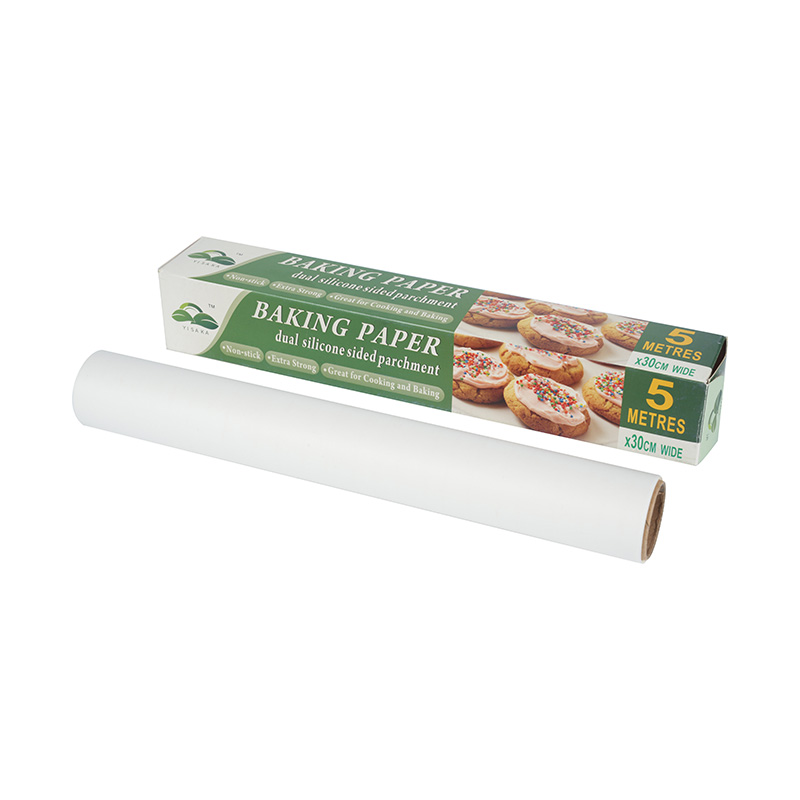
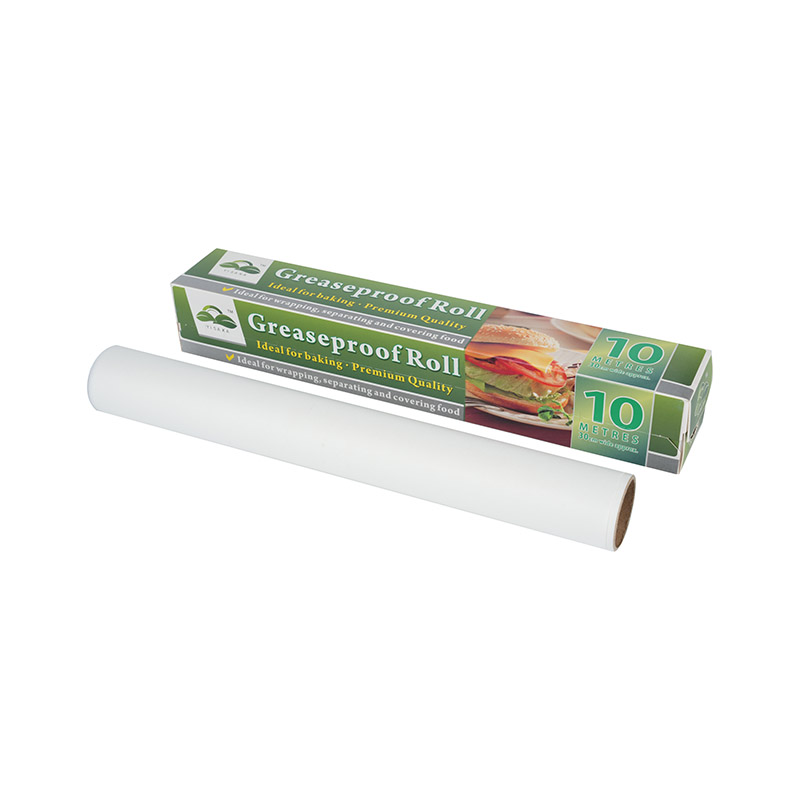
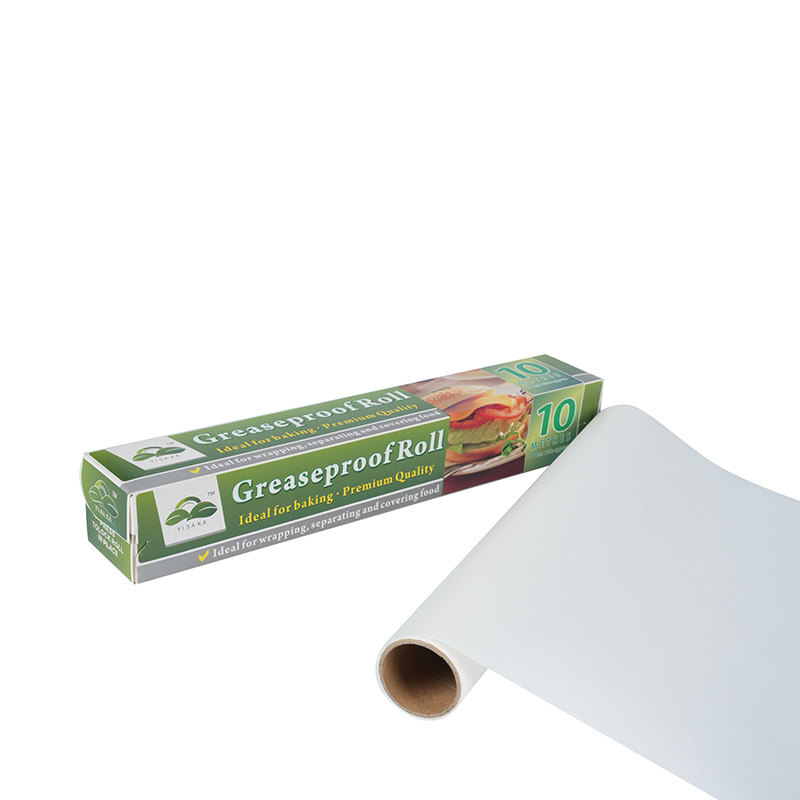
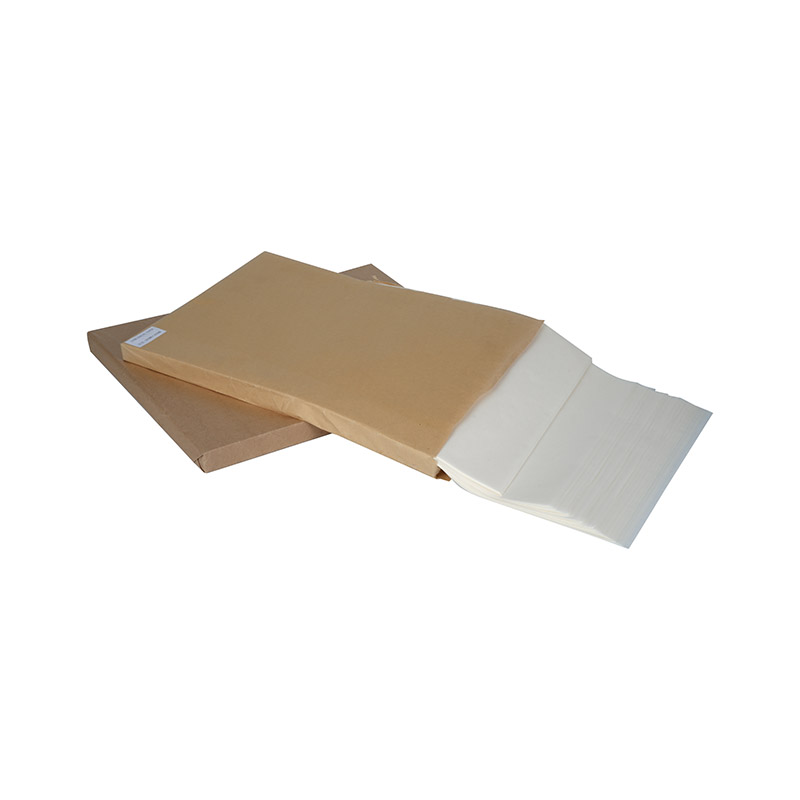
Cooking sheet paper—often called parchment paper or baking sheet liner—is a heat-resistant, non-stick paper designed to line baking trays, cake pans, and cookie sheets. It's coated with silicone on both sides, creating a slick surface that keeps food from sticking while allowing even heat distribution. Whether you're baking cookies, roasting vegetables, or making delicate pastries, using cooking sheet paper means less scrubbing, fewer burnt edges, and more consistent results. It's not just a convenience; it's a kitchen essential that takes the guesswork out of baking and protects your bakeware from scratches and stains.
Types of Cooking Sheet Paper: Which One Should You Use?
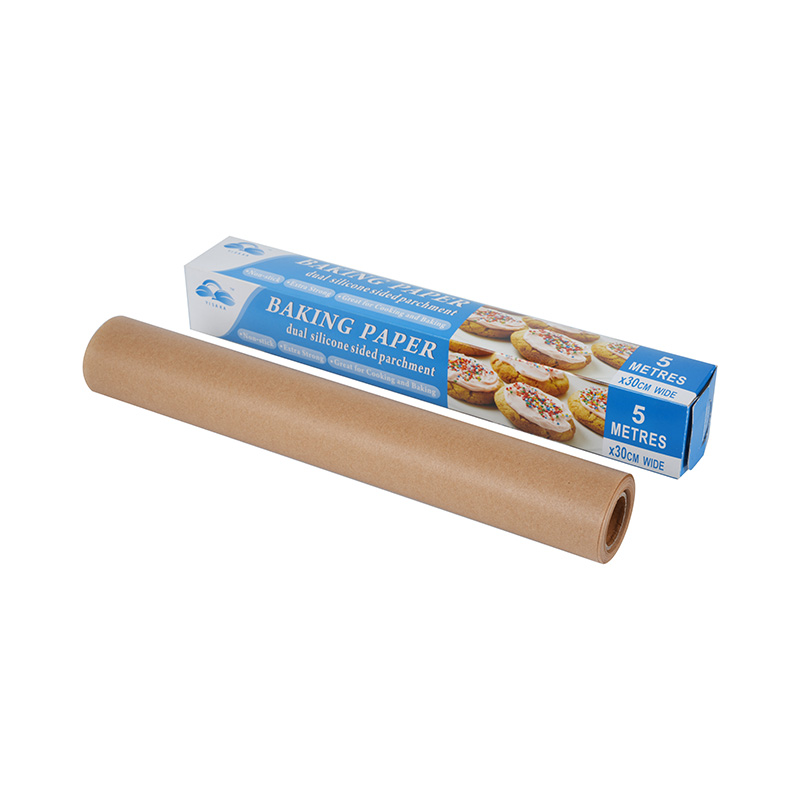
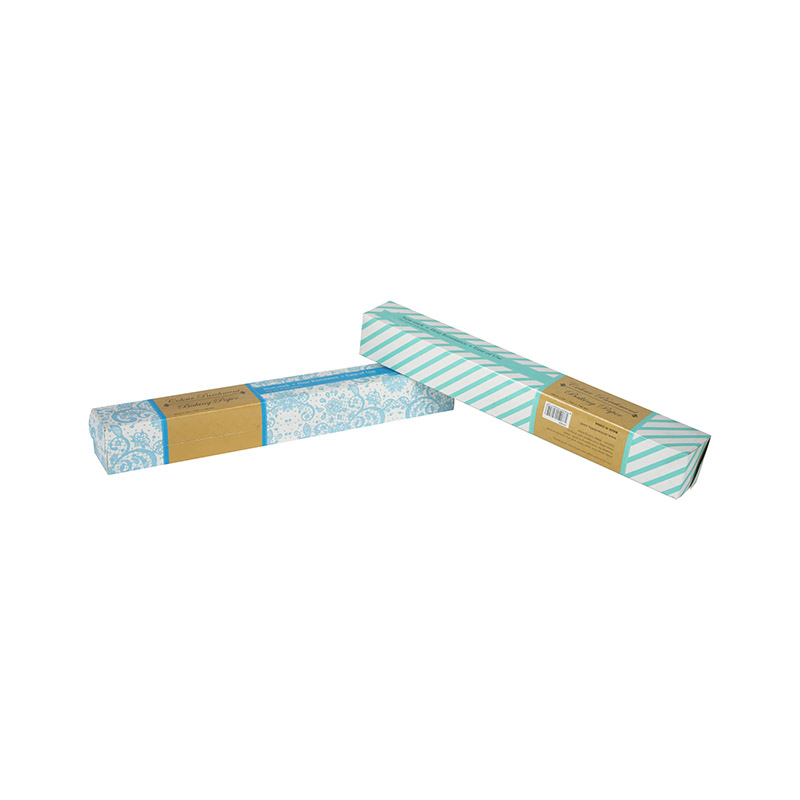
Not all baking sheet liners are the same, and picking the right type matters for your recipe. Standard parchment paper works for most baking tasks up to 420–450°F (215–230°C). Pre-cut sheets save time for common pan sizes, while rolls let you customize for odd-shaped dishes. For high-heat roasting, look for heavy-duty or reinforced parchment with higher temperature ratings. And if you bake frequently, reusable silicone baking mats offer an eco-friendly alternative—though they behave slightly differently than disposable cooking sheet paper. Knowing your options helps you choose the best non-stick baking paper for every job.
Parchment Paper vs. Wax Paper vs. Silicone Mats
Confused about which liner to grab? Here's a quick comparison to clear things up:
| Type | Best For | Max Temp | Reusable? |
| Parchment Paper | Baking cookies, cakes, roasting veggies | 420–450°F (215–230°C) | No (single-use) |
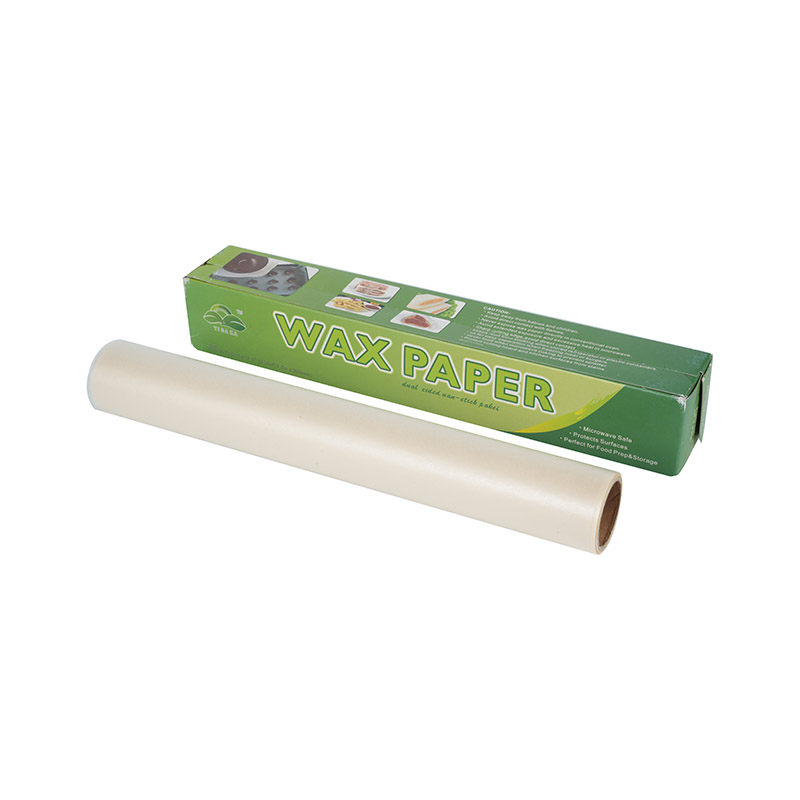
| Wax Paper | Wrapping food, no-heat prep | Not oven-safe (wax melts) | No |
| Silicone Baking Mat | Frequent baking, eco-friendly use | Up to 480°F (250°C) | Yes (500+ uses) |
How to Use Cooking Sheet Paper for Best Results
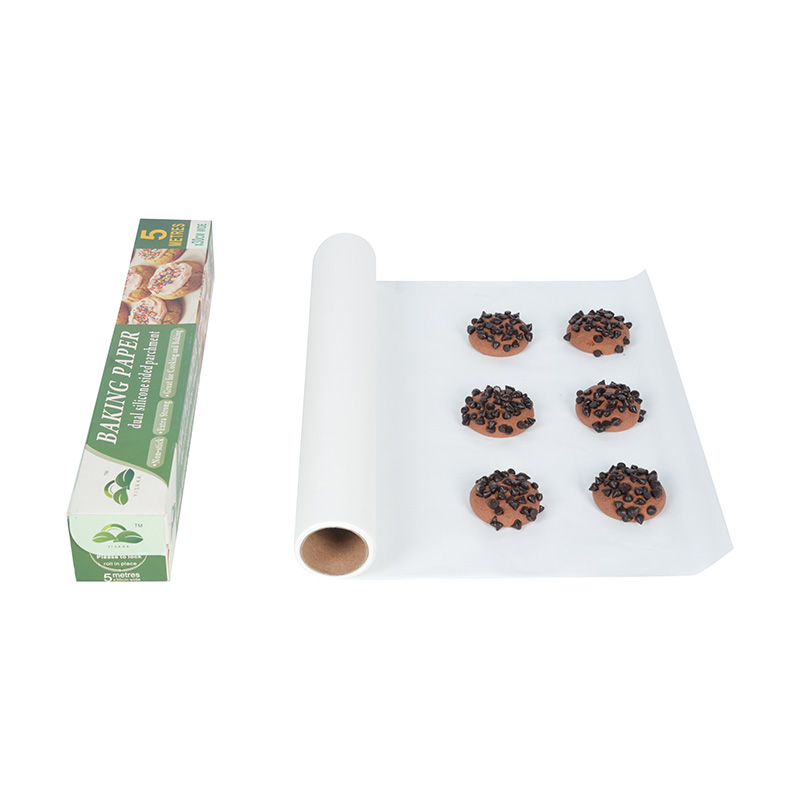
Getting the most from your baking sheet liner starts with proper use. Always cut the cooking sheet paper to fit your pan with a slight overhang—this makes lifting out baked goods easy and prevents edges from curling into the oven. For sticky batters like brownies or granola, lightly grease the parchment anyway for extra insurance. When roasting vegetables, toss them in oil first, then spread on parchment to avoid sliding. And never reuse parchment that's absorbed grease or moisture; it can smoke or tear. These small habits ensure your non-stick baking paper performs reliably every time.
- Cut parchment with a 1–2 inch overhang for easy removal of baked goods
- Lightly grease parchment for extra-sticky recipes like caramel or marshmallows
- Place parchment on a cool pan before adding batter to prevent shifting
- Avoid letting parchment touch oven walls or heating elements to prevent scorching
- Discard used parchment after one bake—don't reuse if greasy or damp
Common Mistakes to Avoid When Using Baking Sheet Liners
Even experienced bakers sometimes misuse cooking sheet paper. One big error: using wax paper instead of parchment in the oven—wax melts around 200°F, creating smoke and ruining your food. Another mistake: trimming parchment too small, which lets batter leak onto the pan and stick. Some also place parchment under the broiler, where direct high heat can cause it to ignite. And don't reuse parchment that's absorbed oils or sugars; it can burn or transfer off-flavors. Avoiding these pitfalls keeps your baking safe, clean, and delicious.
Eco-Friendly Options and Reusable Alternatives
If you're looking to reduce waste from disposable baking liners, there are smart swaps. Unbleached, chlorine-free parchment paper is a more sustainable single-use option. For frequent bakers, food-grade silicone baking mats last for years and eliminate paper waste entirely—just wash and reuse. Some brands even offer compostable parchment made from plant-based materials. While reusable mats have a higher upfront cost, they pay for themselves after 20–30 uses. Whichever path you choose, pairing eco-conscious choices with proper use of cooking sheet paper helps you bake responsibly without sacrificing performance.
- Choose unbleached, FSC-certified parchment for lower environmental impact
- Invest in a pair of silicone mats for your most-used sheet pans
- Compost used unbleached parchment if your local facility accepts it
- Avoid parchment with PFAS or chemical coatings if health is a priority
- Store reusable mats flat to prevent creasing that affects baking performance
Storage and Handling Tips for Cooking Sheet Paper
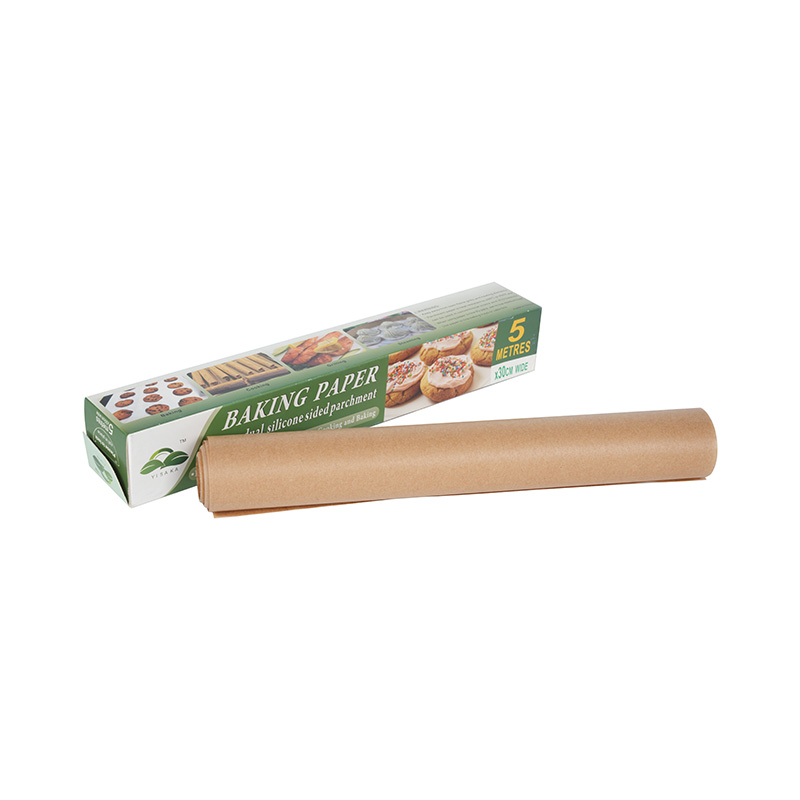
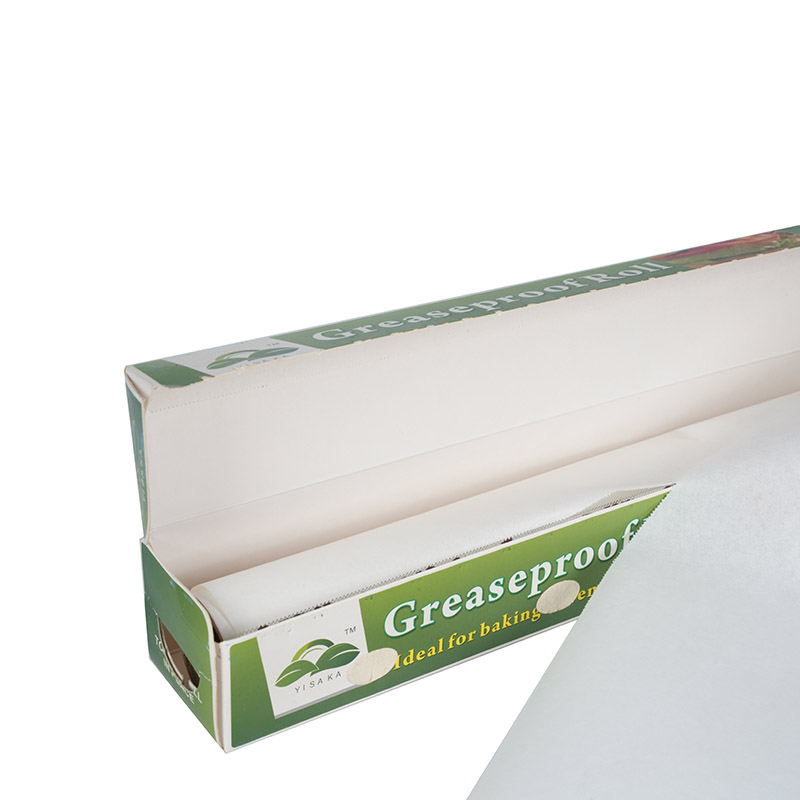
To keep your cookie sheet paper ready for action, store rolls or sheets in a cool, dry place away from heat sources and moisture. If using a roll, keep it in its original box or a dispenser to prevent unrolling and tearing. For pre-cut sheets, stack them flat in a sealed bag to avoid dust or humidity exposure. When handling, tear or cut with clean, dry hands to maintain the silicone coating's integrity. And always check the expiration date on older boxes—over time, the non-stick coating can degrade, reducing performance. With simple care, your cooking sheet paper will deliver reliable, stick-free baking every time.