 English
 русский
Content
- 1 What Is Parchment Paper and Why Does It Matter in the Kitchen?
- 2 Parchment Paper vs. Wax Paper: Know the Difference
- 3 Top Uses for Parchment Paper in Everyday Cooking
- 4 Bleached vs. Unbleached Parchment Paper: Which Should You Buy?
- 5 How to Store and Reuse Parchment Paper
- 6 Temperature Limits: How Hot Is Too Hot for Parchment Paper?
- 7 Eco-Friendly Alternatives to Traditional Parchment Paper
- 8 Quick Tips to Get the Best Results from Parchment Paper
What Is Parchment Paper and Why Does It Matter in the Kitchen?
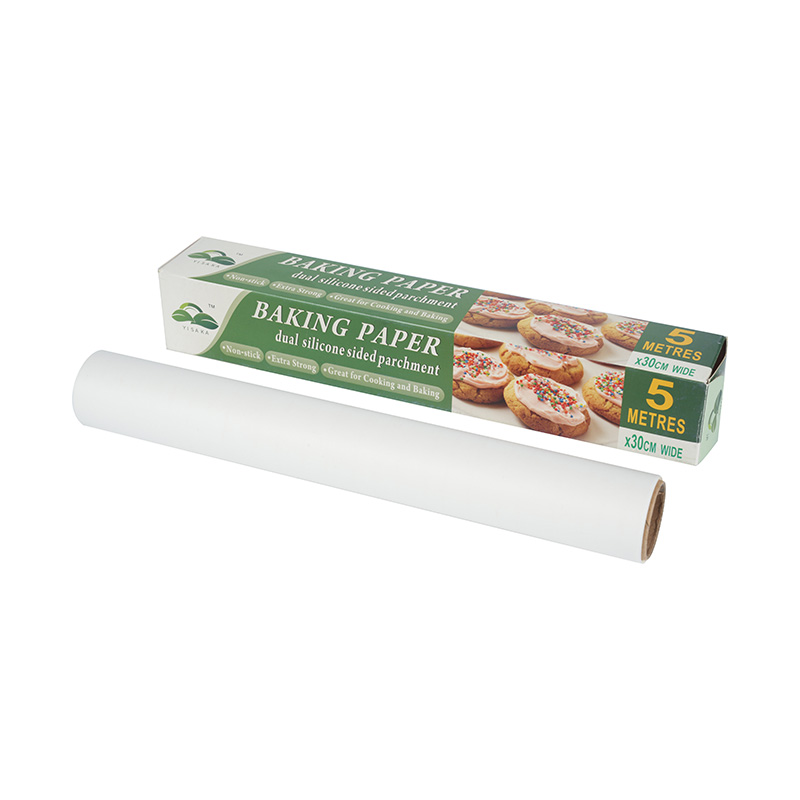
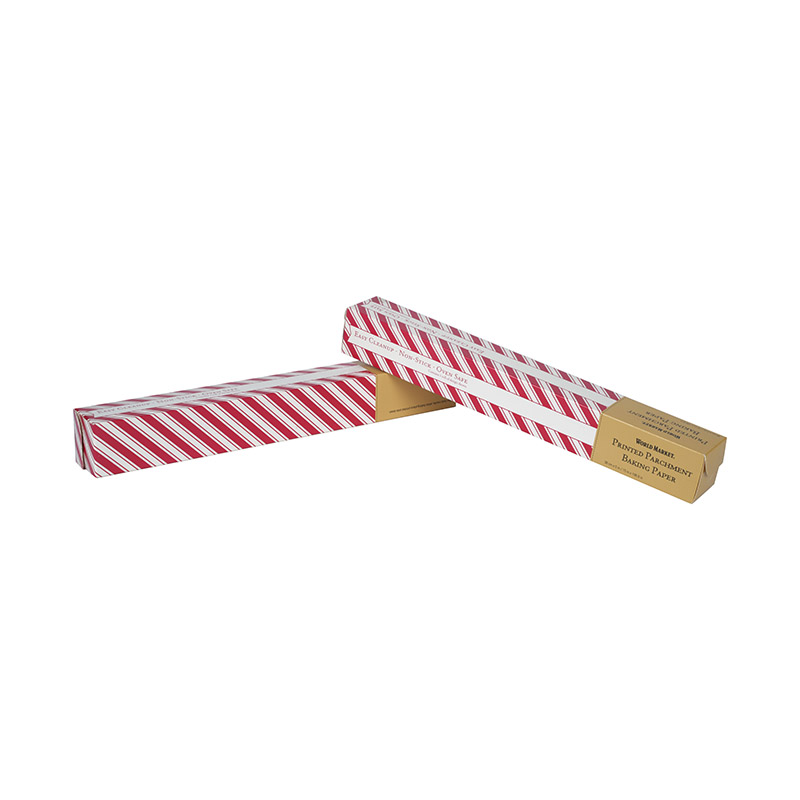
Parchment paper — also called baking paper or bakery release paper — is a cellulose-based sheet that has been treated with silicone to create a nonstick, heat-resistant surface. It's one of those kitchen tools that seems minor until you start using it regularly, and then you wonder how you ever managed without it. Whether you're roasting vegetables, baking cookies, or steaming fish en papillote, parchment paper makes the job cleaner, easier, and often produces better results. Unlike aluminum foil or wax paper, it handles oven temperatures without burning, melting, or imparting any flavor to your food.
Understanding exactly what parchment paper is — and what it isn't — helps you use it more confidently and avoid common mistakes that can ruin a batch of cookies or cause a kitchen hazard.
Parchment Paper vs. Wax Paper: Know the Difference
One of the most common mix-ups in the kitchen is treating parchment paper and wax paper as interchangeable. They look similar, but they are very different products with very different uses. Confusing the two can lead to smoke, melted wax on your food, and ruined baked goods.
| Feature | Parchment Paper | Wax Paper |
| Coating | Silicone | Paraffin wax |
| Oven-safe? | Yes (up to ~450°F / 230°C) | No — wax melts and smokes |
| Nonstick? | Yes | Yes, but only for cold use |
| Best uses | Baking, roasting, steaming | Wrapping food, candy work, cold prep |
| Microwave-safe? | Yes | Generally yes, but not preferred |
The golden rule: if heat is involved, always reach for parchment paper. Save wax paper for tasks like rolling out dough on a cold counter, wrapping sandwiches, or separating layers of candy.
Top Uses for Parchment Paper in Everyday Cooking
Parchment baking paper earns its place as a kitchen staple because it's genuinely useful across dozens of tasks. Here are the most practical applications, broken down by cooking method.
Lining Baking Sheets and Cake Pans
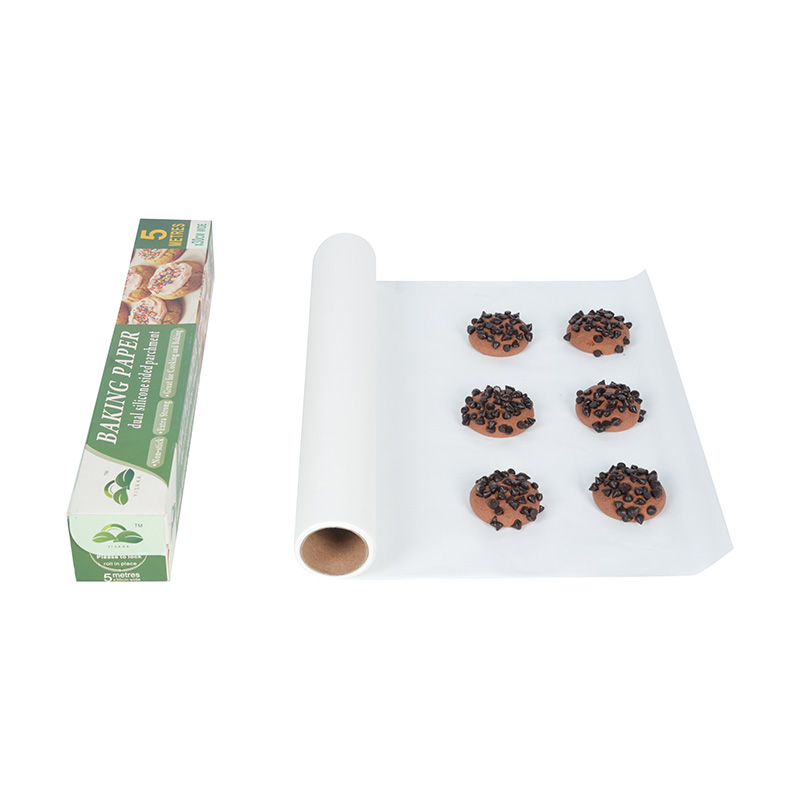
This is the classic use. Lay a sheet of parchment across your baking pan before adding cookie dough, roasted vegetables, or anything else, and cleanup becomes almost effortless. Cookies slide right off without sticking, and you don't need to grease the pan. For round cake pans, trace the base of the pan on the parchment, cut it out, and press it into the bottom before pouring in batter — your cake will release cleanly every time.
En Papillote — Steaming Food in a Packet
En papillote is a French cooking technique where food — typically fish, chicken, or vegetables — is sealed inside a folded parchment paper packet and baked. The steam trapped inside gently cooks the food, keeping it moist and locking in flavor. It requires no oil, no mess, and the presentation is impressive. Salmon with lemon and herbs, or chicken with tomatoes and olives, are classic choices. The packets can even go straight to the table and be opened at the plate.
Rolling Out Dough
Place your dough between two sheets of parchment paper before rolling it out. This prevents sticking without adding extra flour, which can toughen pie crusts or cookie dough. It also makes transferring delicate rolled dough to a pan much easier — just peel the paper away. This trick is especially useful for sticky doughs like shortcrust pastry or gingerbread.
Air Fryer Liner
Perforated parchment paper rounds designed specifically for air fryers are widely available. They sit in the basket and prevent smaller or stickier items from falling through or welding themselves to the basket. Make sure the paper doesn't cover too many holes — good airflow is what makes an air fryer work. Always add food on top of the paper before turning the fryer on so the paper doesn't fly up into the heating element.
Funneling and Prep Work
A single sheet of parchment can be shaped into a cone for funneling dry ingredients like powdered sugar or flour into containers. It can also serve as a disposable surface for measuring, sifting, or mixing dry ingredients — eliminating a dirty bowl. Fold the edges up to create a tray, add your ingredients, and pour everything directly into the mixing bowl.
Bleached vs. Unbleached Parchment Paper: Which Should You Buy?
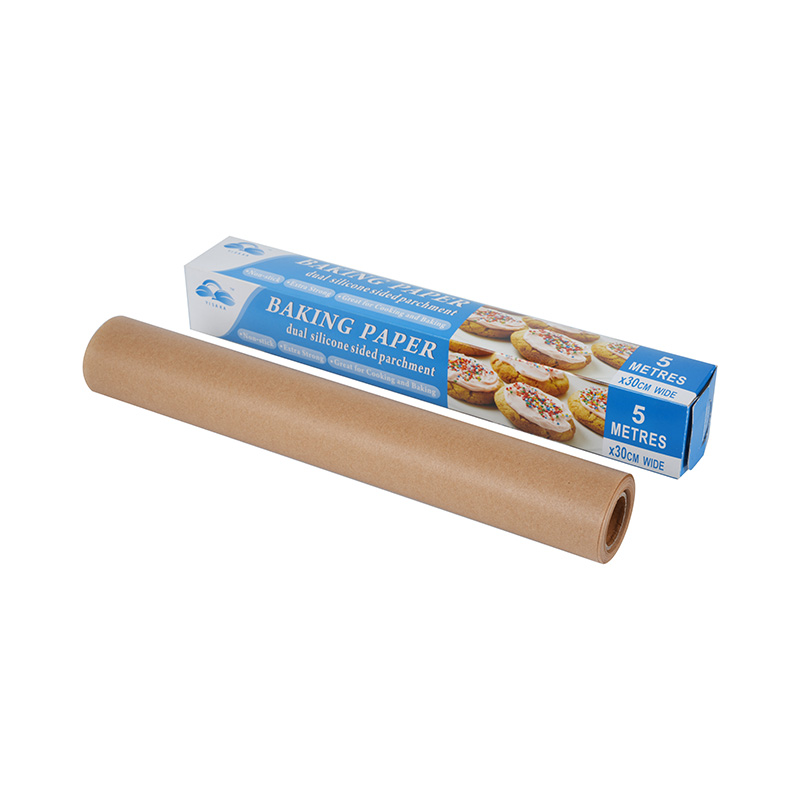
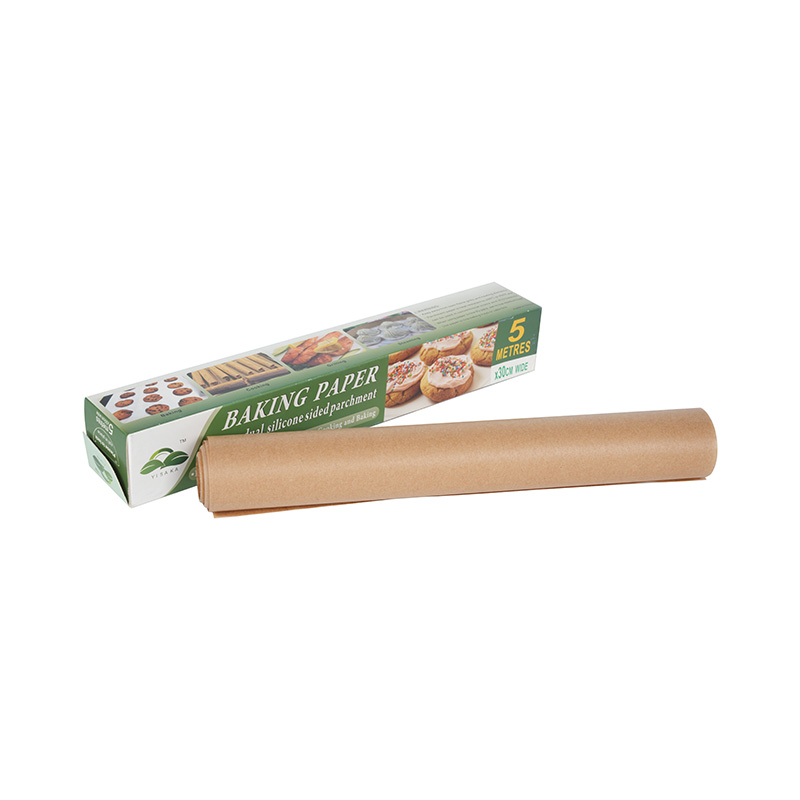
Walk down any kitchen supply aisle and you'll see two versions: white (bleached) and brown (unbleached) parchment paper. Both work the same way in practice. The difference is entirely in the manufacturing process.
- Bleached parchment paper has been treated with chlorine to achieve its bright white color. Some people prefer to avoid it due to concerns about trace chemical residues, though the amounts involved are considered safe by food safety authorities.
- Unbleached parchment paper skips the chlorine treatment and retains its natural tan or brown color. It's often marketed as more environmentally friendly and is popular among those who prefer to minimize chemical processing in their kitchen tools.
In terms of performance — heat resistance, nonstick quality, moisture resistance — there is no meaningful difference between the two. The choice comes down to personal preference and environmental values. Either one will line your baking sheets just as effectively.
How to Store and Reuse Parchment Paper
A roll of parchment paper is one of the most economical kitchen supplies you can buy, and its lifespan extends even further when you reuse it intelligently. Here's how to get the most out of every sheet.
When Can You Reuse It?
Parchment paper can be reused as long as it isn't heavily soiled, torn, or charred. If you baked a batch of sugar cookies and the paper is lightly golden but clean, simply cool it and use it again for the next batch — or store it flat for next time. Sheets used for roasting oily or sticky foods may be too greasy or stained to use again cleanly, but anything dry like crackers, granola, or meringues can be baked on the same sheet multiple times.
Signs It's Time to Toss It
- It's deeply browned or has dark spots that look like it's on the verge of burning
- It's become brittle and cracks when you try to fold or move it
- It's torn, and the tear would allow food to contact the pan directly
- There's significant food residue stuck to it that you can't remove easily
Storage Tips
Keep your roll in a drawer or on a shelf away from heat and moisture. Pre-cut sheets are convenient and store well in a flat stack between your baking pans. If your parchment keeps curling off the pan, dampen the pan slightly before laying the paper down — the moisture helps it cling.
Temperature Limits: How Hot Is Too Hot for Parchment Paper?
Most standard parchment paper is rated for use up to about 420–450°F (215–230°C). Above that, the paper can begin to brown and become brittle. It won't typically burst into flames at 460°F, but it may scorch and could theoretically ignite in extreme conditions if it directly contacts a heating element or open flame.
For everyday baking — cookies at 350°F, roasted vegetables at 400°F, pizza at 425°F — parchment paper handles the heat with no issues. Where you need to be careful:
- Broiling: Never use parchment paper under the broiler. The intense, direct heat from above will ignite the paper almost immediately. Use foil instead.
- Wood-fired or very high-heat ovens: If you're cooking at 500°F or above — like Neapolitan-style pizza — switch to a pizza stone or foil.
- Open flames or stovetop use: Parchment paper is not designed for direct contact with a gas burner or electric coil.
Always check the packaging for your specific brand's temperature rating, as some premium or specialty parchment papers are rated slightly higher than standard versions.
Eco-Friendly Alternatives to Traditional Parchment Paper
If you bake frequently, the amount of single-use parchment paper you go through can add up. Several reusable and eco-conscious alternatives deliver similar results without the waste.
- Silicone baking mats (Silpat-style): These reusable silicone sheets are the most popular parchment paper alternative. They're nonstick, oven-safe, dishwasher-safe, and can last for years. The main trade-off is that cookies baked on silicone mats tend to spread slightly more and brown less on the bottom compared to parchment paper.
- Reusable parchment paper sheets: Some brands now offer washable, compostable, or multi-use parchment-style sheets made from materials like bamboo fiber or recycled pulp. They behave similarly to traditional parchment and can be reused a set number of times before disposal.
- Well-seasoned cast iron or nonstick pans: For some tasks, a properly seasoned cast iron skillet or a quality nonstick pan eliminates the need for any liner at all.
- Greased and floured pans: The classic method. Butter and flour — or butter and cocoa powder for chocolate cakes — still works perfectly well and produces a classic crust on cakes and quick breads.
Quick Tips to Get the Best Results from Parchment Paper
Even experienced bakers have a few parchment paper habits worth adopting. These small details make a noticeable difference in how well the paper performs.
- Trim it to fit: Parchment paper that hangs over the edges of a pan can catch heat differently and may curl. Cut it so it fits neatly inside the rim, or fold the overhang down against the sides of the pan.
- Use a tiny dab of butter to anchor it: If your parchment keeps sliding around while you try to pour batter, put a small smear of butter under each corner to hold it in place.
- Don't fold and store it wet: If you reuse sheets after roasting, let them cool and dry completely before storing. Storing damp parchment can cause it to stick together or develop an off smell.
- Draw guidelines on the back: Use a pencil to trace circles, spacing guides, or pan outlines on the non-food-contact side of parchment. This is especially useful when piping macarons or tracing a cake pan.
- Crumple it first for tight spots: Need to fit parchment into a loaf pan or a small round pan? Crumple the sheet into a ball, then smooth it out. It'll be much more pliable and easier to press into corners without tearing.