 English
 русский
Content
- 1 What Is Wax Paper and How Is It Made?
- 2 Can You Actually Use Wax Paper for Baking?
- 3 Where Wax Paper Shines in the Baking Process
- 4 Wax Paper vs. Parchment Paper for Baking: Key Differences
- 5 Common Baking Mistakes Made with Wax Paper
- 6 Wax Paper for Specific Baking Recipes and Techniques
- 7 How to Choose a Good Quality Wax Paper for Baking
- 8 Storing and Disposing of Wax Paper Responsibly
What Is Wax Paper and How Is It Made?
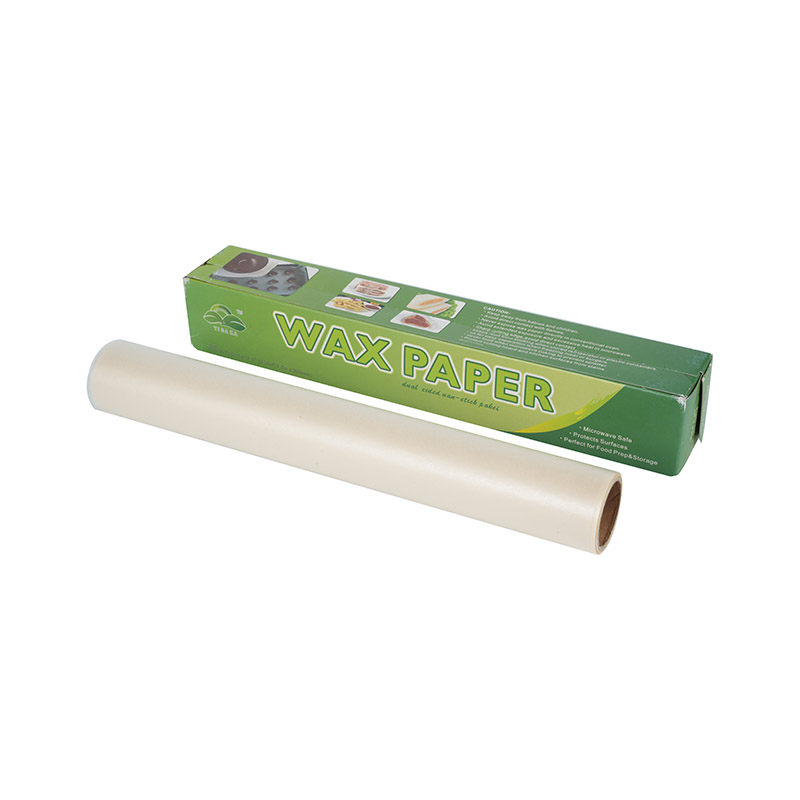
Wax paper is a type of paper that has been coated on both sides with a thin layer of paraffin wax, giving it moisture-resistant and non-stick properties. The manufacturing process involves feeding a base tissue or kraft paper through a bath or spray application of food-grade paraffin wax, which is then pressed into the paper's surface under rollers to create a smooth, even coating. The result is a lightweight, flexible sheet that repels water, resists grease to a degree, and prevents food from sticking to its surface — all without any additional chemical treatments.
The wax coating is what makes this paper useful in food preparation but also what limits its applications in the oven. Paraffin wax has a relatively low melting point — typically around 46–68°C (115–155°F) depending on the grade used — which means it begins to soften and melt well below standard baking temperatures. When exposed to oven heat, the wax can smoke, transfer onto food, or cause the paper itself to catch fire at high temperatures. This is the fundamental reason why wax paper for baking is used very differently from parchment paper, and understanding this distinction is the most important piece of knowledge any baker needs before reaching for either product.
Can You Actually Use Wax Paper for Baking?
This is the question that causes the most confusion in home kitchens, and the honest answer is: it depends entirely on what you mean by "baking." If you're asking whether you can line a sheet pan with wax baking paper and slide it into a 180°C oven, the answer is a firm no — doing so risks the wax melting onto your food, producing smoke, and potentially creating a fire hazard. The paper itself may not burst into flames immediately at moderate temperatures, but the wax will degrade, and the paper can ignite if it comes into direct contact with oven heating elements or if the temperature is high enough.
However, if you're using wax paper in baking tasks that don't involve direct oven heat, it is genuinely useful and in some cases the better choice over parchment paper. Wax paper is ideal for prep work, no-bake recipes, chilling, and food storage — all of which are legitimate parts of the baking process. Many experienced bakers keep both wax paper and parchment paper in their kitchen because they serve genuinely different purposes, and knowing when to use each one makes you a more efficient and informed baker.
Where Wax Paper Shines in the Baking Process
Despite not being oven-safe, wax paper for baking has a surprisingly wide range of practical applications throughout the baking workflow. Here are the tasks where it performs exceptionally well:
Rolling Out Dough
One of the best uses of wax baking paper is sandwiching dough between two sheets and rolling it out. The wax coating prevents the dough from sticking to the paper or to the rolling pin, eliminating the need for excess flour on the work surface — which is particularly useful for delicate pastry doughs, sugar cookie dough, and pie crusts where adding too much flour changes the texture. Once rolled to the desired thickness, you can peel back the top sheet and use the bottom sheet to lift and transfer the dough to a pan or cutter without tearing it. This technique works equally well for shortcrust pastry, gingerbread, and rolled fondant.
Lining Pans for No-Bake Recipes
For no-bake bars, fudge, chocolate bark, truffles, and candy — all of which are set in the refrigerator or at room temperature rather than baked in an oven — wax paper is a perfect pan liner. It releases cleanly from chocolate and sugar-based confections, costs less than parchment paper, and its moisture resistance prevents condensation from softening the lining during refrigeration. Many professional candy makers and chocolatiers prefer wax paper over parchment for setting chocolate work precisely because the wax surface releases more cleanly from tempered chocolate.
Wrapping and Storing Baked Goods
Wax paper is excellent for wrapping cooled baked goods for short-term storage. Wrapping sliced cakes, brownies, cookies, and bread loaves in wax paper keeps moisture in, protects surfaces from drying out, and prevents sticking between layers. When stacking cookies or other flat baked items in a tin or container, placing sheets of wax baking paper between layers prevents them from sticking together or transferring decorations. Unlike plastic wrap, wax paper allows the baked goods to breathe slightly, which prevents the condensation buildup that can make crusts and surfaces soggy over time.
Shaping and Chilling Butter or Log-Shaped Desserts
When making compound butters, icebox cookies, or any recipe that calls for shaping a mixture into a log and chilling it, wax paper is the ideal wrapping material. You can press the mixture onto a sheet, use the paper to roll it into a tight cylinder, twist the ends to seal, and place it in the refrigerator or freezer. The wax coating prevents the fat in butter or dough from soaking through the paper, and the log releases cleanly when you unwrap and slice it. This is a technique used constantly in professional pastry kitchens for preparing components in advance.
Sifting and Measuring Dry Ingredients
A practical and underappreciated use of wax paper in baking prep is as a disposable surface for sifting flour, cocoa powder, or confectioners' sugar. Sift your dry ingredients directly onto a large sheet of wax paper, use the paper's flexibility to funnel them precisely into the mixing bowl, and discard it afterward with no messy bowls to wash. Because the paper doesn't absorb moisture or fat, it also works as a clean surface for coating truffles in cocoa powder or rolling cake pops in sprinkles without the coating sticking to the work surface.
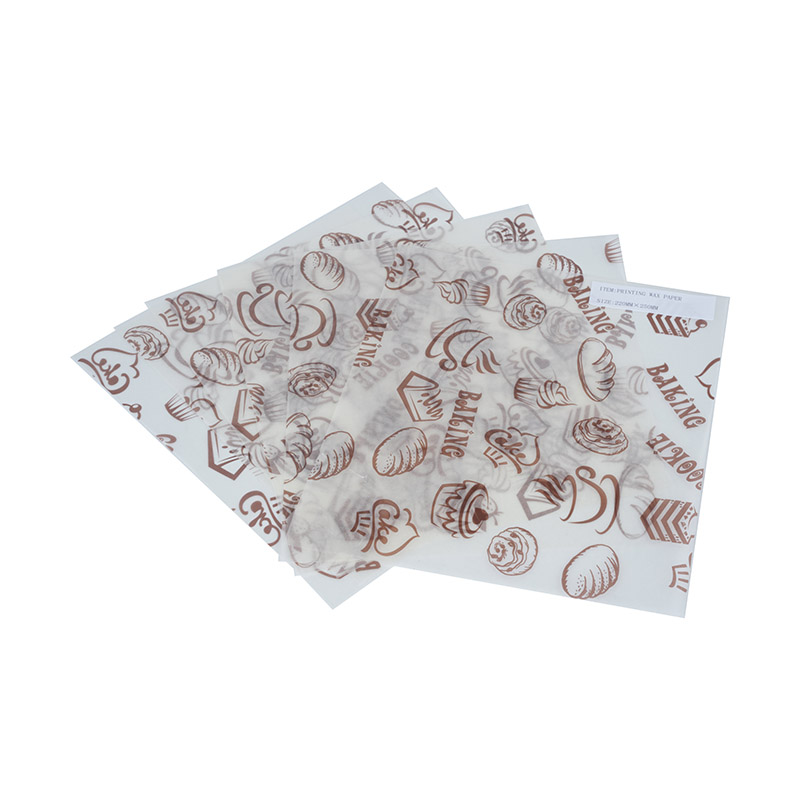
Wax Paper vs. Parchment Paper for Baking: Key Differences
The confusion between wax paper and parchment paper is one of the most common sources of baking mistakes. While they look similar and are sold near each other in most grocery stores, they are fundamentally different products with different heat tolerances and appropriate uses. The table below lays out the key differences clearly:
| Property | Wax Paper | Parchment Paper |
| Coating | Paraffin wax | Silicone |
| Oven Safe | No | Yes (up to ~230°C/450°F) |
| Non-Stick | Yes | Yes |
| Moisture Resistant | Yes | Partially |
| Microwave Safe | Yes (short intervals) | Yes |
| Best For | Prep, storage, no-bake | Oven baking, roasting |
| Cost | Lower | Higher |
| Freezer Use | Excellent | Good |
The silicone coating on parchment paper is heat-stable up to around 230°C (450°F), which is why it can go directly into the oven without smoking or catching fire. Wax paper's paraffin coating offers no such heat tolerance. If you're ever unsure which one to use, ask yourself one simple question: will this be going into a hot oven? If yes, always use parchment paper. If no, wax paper may work just as well and cost you less.
Common Baking Mistakes Made with Wax Paper
Understanding what not to do with wax paper is just as important as knowing its correct applications. These are the most frequently made mistakes that home bakers encounter:
- Lining Cookie Sheets for Oven Baking: The most dangerous and common mistake is using wax paper to line a baking tray for cookies, cakes, or breads. At oven temperatures, the wax melts and can transfer onto food and the pan, creating a smoke-filled kitchen and potentially ruined baked goods. Always use parchment paper or a silicone baking mat for any application that goes into the oven.
- Using It Under a Broiler: Even if a recipe only calls for a brief blast of heat under the broiler to brown a topping, wax paper should never be in the oven at all. Broiler temperatures can exceed 290°C (550°F) and the paper can ignite almost instantly under direct radiant heat.
- Lining Cake Pans and Assuming It Will Work: Some bakers line round cake pans with wax paper cut to fit, reasoning that the batter on top will protect the paper from heat. This is not reliable — the edges of the paper that extend beyond the batter are exposed to direct oven heat and can smoke or burn, imparting off-flavors to the cake.
- Confusing It with Freezer Paper: Wax paper and freezer paper are different products. Freezer paper has a poly coating on one side designed specifically for freezing meat and other proteins. While wax paper works fine for short-term freezer storage of baked goods, freezer paper provides a better moisture barrier for long-term frozen storage of raw proteins and should not be used interchangeably with wax baking paper.
- Reusing Wax Paper After Contact with Raw Eggs or Meat: While wax paper is moisture-resistant, it is not a food-safe surface for cross-contamination prevention when reused. Any wax paper that has come into contact with raw eggs, raw meat, or other potential contaminants during prep work should be discarded after a single use.
Wax Paper for Specific Baking Recipes and Techniques
To make the guidance more practical, here is how wax paper is appropriately used across a range of specific baking and confectionery recipes and techniques that home bakers regularly encounter:
Chocolate Bark and Dipped Treats
Spread tempered or melted chocolate directly onto a sheet of wax baking paper on a flat surface or baking tray. The wax coating releases perfectly from set chocolate without tearing or leaving paper residue, which is why professional chocolatiers have used wax paper for confectionery work for decades. Once the chocolate sets at room temperature or in the refrigerator, it peels away from the paper cleanly. The same applies to chocolate-dipped strawberries, pretzels, or nuts — place them on wax paper to set rather than parchment, and they'll release with less resistance.
No-Bake Energy Balls and Truffles
When making no-bake energy balls, date balls, or chocolate truffles, wax paper is the ideal surface for rolling and setting. Line a tray or plate with wax paper, place the formed balls on top, and refrigerate until firm. The balls won't stick to the surface and can be stored in the same lined container with additional sheets of wax paper between layers. For truffles being rolled in cocoa powder, crushed nuts, or powdered sugar, spreading the coating directly on a sheet of wax paper and rolling the truffle across it is the cleanest and most efficient method.
Icebox and Slice-and-Bake Cookies
Icebox cookie dough is meant to be shaped into a log, refrigerated until firm, then sliced and baked. Wax paper is the perfect material for shaping and wrapping these logs. Scoop the dough onto a sheet of wax paper, use the paper to roll the dough into a tight, even cylinder, twist the ends closed, and refrigerate. The dough won't stick to the wax coating even after several hours of chilling, and the log maintains its round shape. When it's time to bake, simply unwrap, slice, and transfer slices to a parchment-lined baking tray for the oven portion of the recipe.
Fudge and Caramel Setting
Lining a pan with wax paper before pouring in fudge, caramel, or toffee is one of the most practical uses of wax paper in candy making. Once the confection sets, you can lift the entire slab out of the pan by the paper edges and transfer it to a cutting board for slicing. The wax coating prevents the sugar from bonding to the paper surface — something that can happen with parchment paper under very sticky, high-sugar confections. This technique works equally well for marshmallow recipes that are poured into a pan to set.
How to Choose a Good Quality Wax Paper for Baking
Not all wax paper products are the same. When purchasing wax paper for kitchen and baking use, there are a few quality indicators to look for that will affect its performance and food safety:
- Food-Grade Certification: Always choose wax paper that is explicitly labeled as food-safe or food-grade. The paraffin wax used in food-contact applications must meet purity standards that non-food-grade industrial paraffin does not. Reputable brands like Reynolds and If You Care clearly label their products as food-safe.
- Wax Coating Evenness: Hold a sheet up to light — a quality wax paper should have a uniform, slightly translucent appearance with no bare patches or visible streaks in the coating. Uneven coating means inconsistent non-stick performance and potential moisture bleed-through in spots.
- Sheet Size and Roll Width: Standard wax paper rolls are typically 30 cm (12 inches) wide, which suits most home baking tasks. If you regularly work with large batches or oversized baking trays, look for wider rolls (38 cm/15 inches) or pre-cut sheets in larger dimensions sold through restaurant supply stores.
- Soy or Vegetable Wax Options: For bakers seeking a more natural or vegan-certified option, some brands offer wax paper coated with soy or plant-based wax rather than petroleum-derived paraffin. These products perform comparably to standard wax paper for most baking prep tasks and carry a smaller environmental footprint.
Storing and Disposing of Wax Paper Responsibly
Wax paper should be stored in a cool, dry place away from heat sources to prevent the wax coating from softening or transferring. Keep it in its original box with the serrated cutting edge intact, stored upright or lying flat — either orientation works as long as it isn't being compressed under heavy items that could cause the sheets to crease and stick together.
From a disposal standpoint, wax paper is not recyclable in most curbside recycling programs because the wax coating contaminates the paper fiber recycling stream. It should be disposed of in general waste rather than the recycling bin. Clean, unused wax paper scraps can be composted in some industrial composting systems, but home composting is generally not effective for wax-coated materials since the wax slows breakdown significantly. If sustainability is a priority in your kitchen, look into unbleached parchment paper alternatives or reusable silicone baking mats for oven tasks, and minimize wax paper use to applications where it genuinely outperforms other options.