 English
 русский
Content
- 1 What Is Greaseproof Paper and How Is It Made?
- 2 Greaseproof Paper vs. Parchment Paper vs. Baking Paper: What's the Difference?
- 3 The Many Uses of Greaseproof Paper in the Kitchen
- 4 Greaseproof Paper in Food Packaging and Catering
- 5 Food Safety Standards for Greaseproof Paper
- 6 How to Choose the Right Greaseproof Paper for Your Needs
- 7 Greaseproof Paper and Sustainability: What You Need to Know
- 8 Common Mistakes When Using Greaseproof Paper
What Is Greaseproof Paper and How Is It Made?
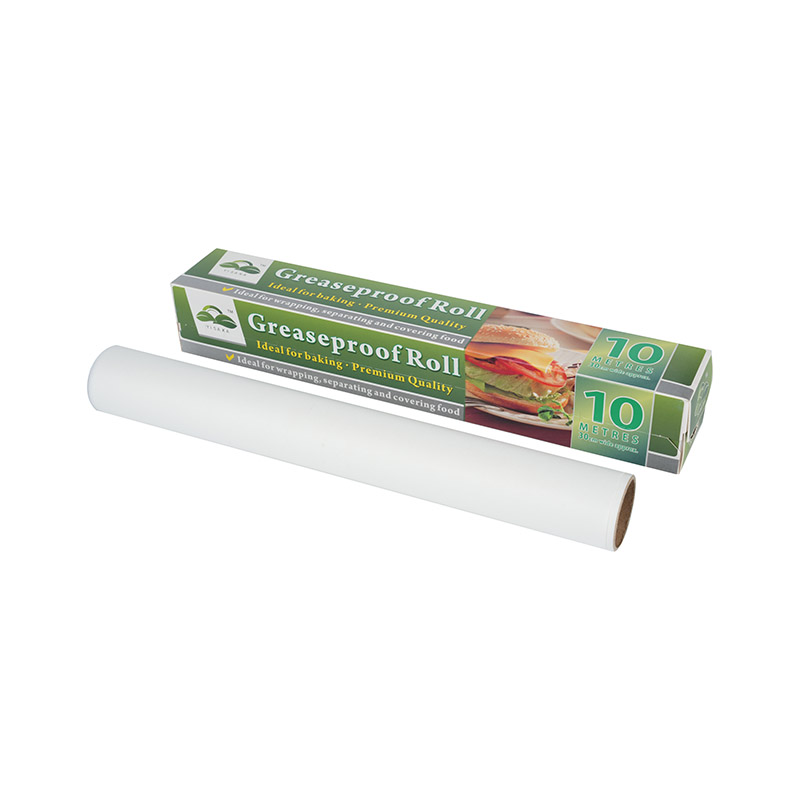
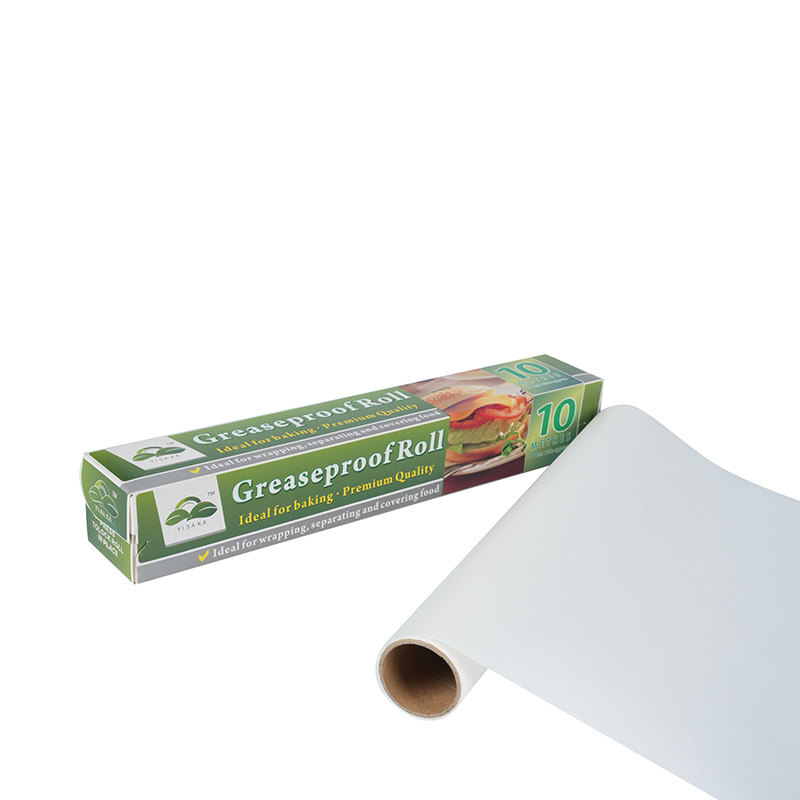
Greaseproof paper is a type of paper that has been treated or processed to resist the penetration of oils, fats, and grease. Unlike ordinary paper, which absorbs liquids readily, greaseproof paper forms a dense barrier that prevents fatty substances from soaking through — making it essential in both professional kitchens and food packaging operations worldwide. You'll find it under bakery pastries, wrapped around burgers, lining chip baskets, and layered between cuts of meat at the butcher counter.
The grease resistance in greaseproof paper is achieved during manufacturing through a process called supercalendering — passing the paper repeatedly through heavy, highly polished rollers that compress the cellulose fibers so tightly that there are almost no gaps for oil molecules to pass through. No chemical coatings are added in true greaseproof paper; the resistance comes entirely from the physical densification of the paper fibers. This gives the paper a smooth, semi-translucent appearance and a slightly waxy feel, even though no wax is present. Standard greaseproof paper typically has a weight of 28–40 gsm (grams per square meter) and is lighter and thinner than most other food-grade papers.
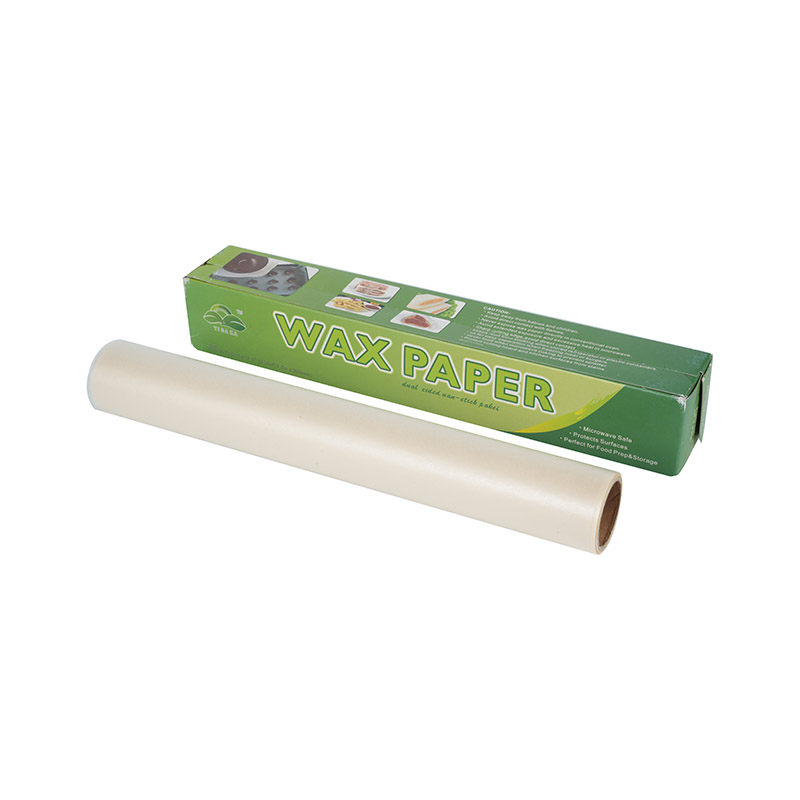
It's worth noting that greaseproof paper is different from waxed paper and silicone-coated baking paper — products that achieve grease resistance through added surface coatings rather than fiber densification. True greaseproof paper contains no wax, no silicone, and no chemical additives, making it one of the most natural and widely recyclable food contact papers available.
Greaseproof Paper vs. Parchment Paper vs. Baking Paper: What's the Difference?
These three terms are used interchangeably in many recipes and shops, but they are not the same product. Understanding the differences prevents costly mistakes in the kitchen and helps you choose the right material for each task.
| Property | Greaseproof Paper | Parchment / Baking Paper | Waxed Paper |
| Grease resistance | Yes (fiber-based) | Yes (silicone-coated) | Yes (wax-coated) |
| Heat resistance | Limited (up to ~180°C / 356°F) | High (up to ~220°C / 428°F) | None — melts in oven |
| Non-stick surface | Moderate | Excellent | Good (cold use only) |
| Oven safe | Low-temperature only | Yes | No |
| Food wrapping | Excellent | Yes but bulkier | Excellent (cold) |
| Recyclability | Generally recyclable | Usually not (silicone coating) | No (wax coating) |
| Typical use | Wrapping, lining, packaging | Baking, roasting, steaming | Cold food wrapping, candy making |
The practical takeaway is straightforward: use greaseproof paper for food wrapping, lining baskets, and separating items — tasks where grease resistance and flexibility matter but high heat is not involved. Use parchment or baking paper when you need something that goes in a hot oven and won't stick to baked goods. Never put waxed paper in the oven — the wax melts, smokes, and can ignite at baking temperatures.
The Many Uses of Greaseproof Paper in the Kitchen
Greaseproof paper is one of the most versatile items in a well-equipped kitchen. Its combination of grease resistance, flexibility, food safety, and affordability makes it useful far beyond simple food wrapping. Here are the most practical applications, with specific tips for each.
Lining cake tins and baking trays
For most everyday baking at moderate temperatures — Victoria sponges, shortbread, flapjacks, brownies — greaseproof paper works perfectly well as a tin liner. Cut it to size, press it into the greased tin, and it will prevent the baked goods from sticking and make cleanup significantly easier. At oven temperatures below 180°C (356°F), greaseproof paper performs reliably. For longer bakes or higher temperatures, switch to silicone-coated baking paper to avoid any risk of the paper scorching at the edges.
Wrapping sandwiches, burgers, and street food
This is where greaseproof paper truly excels. Its grease resistance prevents oils and sauces from soaking through and making packaging soggy, while its flexibility allows it to be folded and wrapped tightly around irregularly shaped items. Delis, burger joints, fish and chip shops, and bakeries all rely on grease resistant paper for this reason. For home use, wrapping packed lunches in greaseproof paper rather than plastic bags reduces plastic waste while keeping sandwiches fresher — the paper allows a small amount of airflow that prevents condensation buildup inside the wrapping.
Interleaving raw meat, fish, and cheese
Placing sheets of greaseproof paper between layers of raw meat patties, fish fillets, cheese slices, or deli cuts prevents them from sticking together in the freezer or refrigerator. This is especially useful when freezing portions of minced meat, chicken breasts, or homemade burgers — individual pieces can be pulled apart easily without thawing the entire batch. Butchers have used this technique for generations, and it's just as practical in a home freezer.
Lining food baskets and serving trays
Cafés, pubs, and casual dining restaurants commonly line wire baskets, wooden boards, and serving trays with greaseproof paper before plating burgers, chips, and other finger foods. The paper absorbs minor moisture, prevents food from sticking to the serving vessel, adds a clean visual presentation, and makes cleaning the basket or board effortless — just discard the paper. Printed greaseproof paper with a restaurant's logo or branding has become a popular and cost-effective way for food businesses to reinforce their brand identity at the point of service.
Rolling and shaping pastry and dough
Placing a sheet of greaseproof paper under pastry or dough while rolling eliminates sticking to the work surface without using excessive flour, which can toughen the dough. A second sheet placed on top allows the rolling pin to move freely without the dough tearing. This technique is particularly useful for short-crust pastry, cookie dough, and fondant icing. After rolling, the dough can be lifted on the paper and transferred directly to a tin, minimising the handling that can cause the dough to shrink or crack.
Making piping bags and paper cones
A triangle of greaseproof paper rolled into a cone makes an excellent disposable piping bag for icing, chocolate, or cream. Because the paper is grease-resistant and relatively strong when rolled tightly, it holds its shape well under pressure and doesn't soak through. Cutting the tip to the required size gives a precise, clean line — professional cake decorators keep greaseproof paper on hand specifically for this purpose when working with small quantities of multiple colours or for very fine detail work.
Greaseproof Paper in Food Packaging and Catering
Beyond the home kitchen, greaseproof paper plays a significant commercial role in food service, bakery production, and retail food packaging. Its properties — grease resistance, food safety certification, flexibility, and printability — make it one of the most widely used food contact materials in the industry.
Bakery and deli counter use
Artisan bakeries use greaseproof paper sheets to wrap pastries, croissants, sliced cakes, and loaves for customers. The paper is thin and lightweight enough not to add bulk to the package, yet strong enough to hold even moist items like cream-filled pastries without tearing or soaking through. Deli counters use it to wrap sliced meats, cheeses, and prepared foods — the paper is breathable enough to prevent moisture buildup while still preventing grease from transferring to the outer packaging.
Printed greaseproof paper for food branding
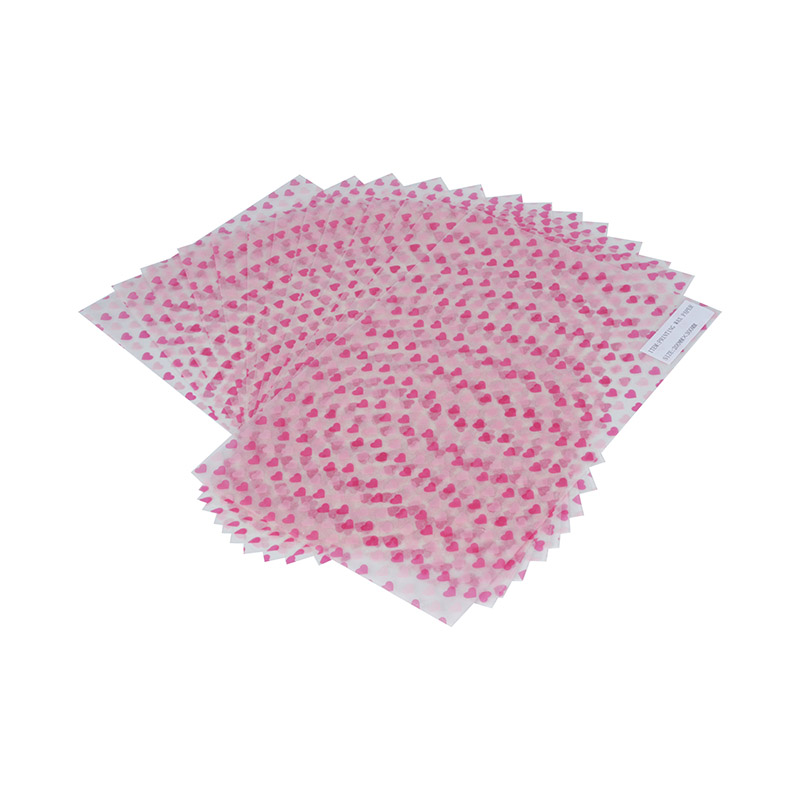
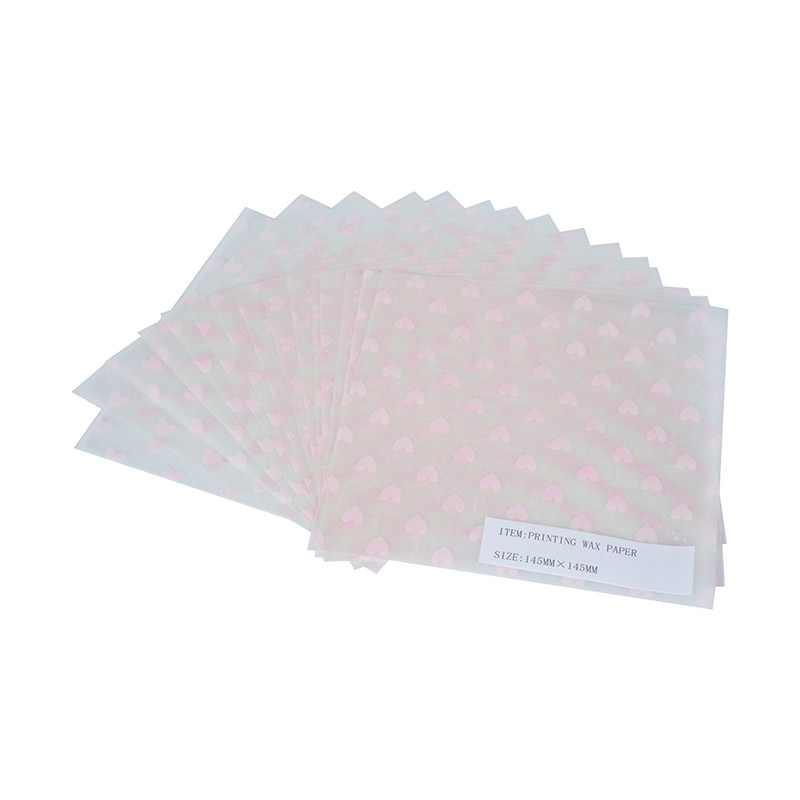
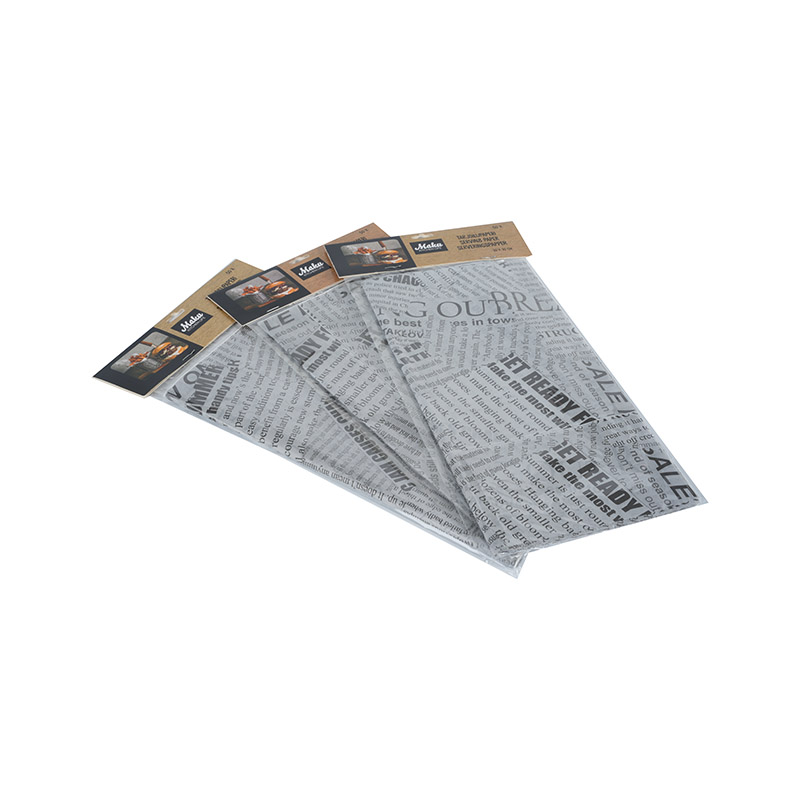
Custom-printed greaseproof paper has become a major trend in food service branding. Restaurants, food trucks, cafés, and catering companies print their logos, patterns, or messaging on greaseproof paper sheets used for wrapping, lining baskets, and presentation. Food-safe inks are used so the print is safe for direct food contact. The visual impact of branded paper at the point of service — when a customer opens a wrapped burger or lifts a basket liner — is disproportionate to its cost, making it a popular and affordable marketing tool for food businesses of all sizes.
Industrial and large-scale food production
In industrial food production, greaseproof paper is used in large rolls to line conveyor systems, separate products during processing, and wrap portions at the point of packaging. It is supplied in roll form or as pre-cut sheets to fit specific machinery. Food manufacturers rely on consistent quality — uniform gsm, consistent grease resistance, and reliable food safety certification — which is why industrial-grade greaseproof paper is sourced from certified suppliers and tested to relevant food contact material standards.
Food Safety Standards for Greaseproof Paper
Because greaseproof paper comes into direct contact with food, it must comply with food safety regulations that govern what materials and substances can be present in food contact papers. For consumers and food businesses alike, understanding these standards helps ensure the paper you're using is genuinely safe.
- EU Regulation (EC) No 1935/2004: The framework regulation governing all food contact materials in the European Union. Greaseproof paper sold in EU markets must comply with this regulation, which requires that materials do not transfer substances to food in quantities that could endanger human health or produce unacceptable changes in the composition or organoleptic properties of food.
- FDA 21 CFR (USA): In the United States, food contact papers including greaseproof paper must comply with FDA regulations under Title 21 of the Code of Federal Regulations, which governs the substances that can be used in the manufacture of food contact materials.
- PFAS-free certification: Per- and polyfluoroalkyl substances (PFAS) — a family of synthetic chemicals used in some grease-resistant coatings — have come under significant regulatory scrutiny due to health and environmental concerns. Many greaseproof paper products marketed as PFAS-free or fluorochemical-free are now widely available and are the preferred choice for health-conscious consumers and environmentally responsible food businesses.
- FSC certification: The Forest Stewardship Council certification confirms that the paper comes from responsibly managed forests. This is a sustainability credential rather than a food safety one, but it is increasingly important for businesses with environmental responsibility commitments.
- BRC/IFS certification for suppliers: Commercial food businesses purchasing greaseproof paper in bulk should look for suppliers with BRC (British Retail Consortium) or IFS (International Featured Standard) certification for food packaging, which indicates the supplier operates under audited food safety management systems.
How to Choose the Right Greaseproof Paper for Your Needs
Greaseproof paper is available in a wide range of formats, weights, and specifications. Choosing the right one for your specific use case saves money and ensures the paper performs as expected.
Weight and thickness
Standard greaseproof paper ranges from about 28 gsm to 45 gsm. Lighter weights (28–32 gsm) are thinner, more flexible, and better suited to wrapping and presentation use where the paper needs to fold neatly. Heavier weights (35–45 gsm) are more durable, better at resisting tearing, and more suitable for lining trays, heavy food items, and applications where the paper needs to hold its shape under moisture load.
Sheets vs. rolls
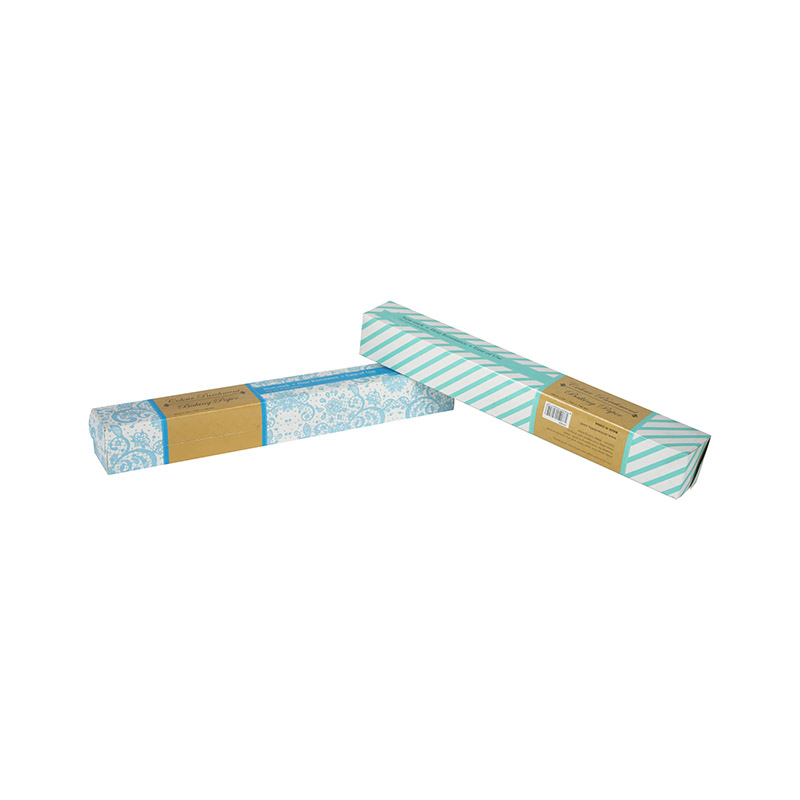
Pre-cut sheets are convenient for food service and retail use where consistent sizing is needed — they're faster to grab and use than cutting from a roll. Rolls are more economical and flexible for home use and catering operations where different sizes are needed. Standard sheet sizes for catering use are typically 300mm × 400mm or 400mm × 600mm, though custom sizes are widely available from wholesale suppliers.
White vs. natural (brown) greaseproof paper
White greaseproof paper is bleached to achieve its bright appearance — it presents cleanly in food service contexts and is the most common choice for printed or branded paper. Natural or brown greaseproof paper is unbleached, giving it a kraft-paper appearance that works well for artisan, organic, or rustic-themed food brands. Functionally, both perform identically in terms of grease resistance; the choice is primarily aesthetic and brand-related.
Single-sided vs. double-sided grease resistance
Most greaseproof paper is grease-resistant on both sides, which is important for wrapping applications where both surfaces contact food or greasy items. Some economy products offer single-sided resistance only — acceptable for lining flat trays where only one surface contacts food, but unsuitable for wrapping. Always check the product specification if this matters for your application.
Greaseproof Paper and Sustainability: What You Need to Know
As food businesses and consumers increasingly prioritise environmental responsibility, greaseproof paper compares favourably against many alternative food packaging materials — but with some important nuances.
- Recyclability: True greaseproof paper — made without silicone, wax, or fluorochemical coatings — is generally accepted in paper recycling streams, though this varies by local authority and recycling facility capability. Paper contaminated with significant food residue (grease, sauce) may be rejected by some recycling facilities, so scraping off excess food before recycling improves acceptance rates.
- Compostability: Uncoated greaseproof paper is compostable in both industrial and home composting systems, provided it is certified as such. It will break down within weeks in a hot compost heap. This makes it an excellent choice for food waste reduction programs and zero-waste catering operations.
- PFAS concerns: Some older and cheaper grease-resistant papers used PFAS (per- and polyfluoroalkyl substances) chemical treatments to boost performance. These substances persist in the environment and have been linked to health concerns. Regulatory pressure is eliminating PFAS from food contact papers across the EU and increasingly in the US — when buying, look for explicit "PFAS-free" or "fluorochemical-free" labelling.
- Versus plastic alternatives: Compared to polyethylene food wraps and plastic bags, greaseproof paper has a significantly lower environmental impact at end of life. It does not persist in the environment for hundreds of years, does not generate microplastic pollution, and comes from a renewable raw material. For food businesses transitioning away from single-use plastic packaging, greaseproof paper is one of the most practical and effective alternatives available.
- Responsible sourcing: Look for FSC-certified greaseproof paper to ensure the pulp comes from sustainably managed forests. This is a straightforward certification to verify and is increasingly standard among reputable suppliers.
Common Mistakes When Using Greaseproof Paper
Greaseproof paper is simple to use, but a few common errors reduce its effectiveness or create unnecessary problems.
- Using it at oven temperatures above its limit: At temperatures above 180–200°C, greaseproof paper can brown, dry out, and begin to char at the edges — particularly the parts not covered by food or a baking tin. If your recipe requires a higher temperature, use silicone-coated baking parchment instead, which safely handles temperatures up to 220°C or higher.
- Expecting it to be fully non-stick: Greaseproof paper is grease-resistant, not non-stick. Very sticky batters — such as meringue or some types of macarons — may still adhere to plain greaseproof paper. For truly non-stick performance in baking, use silicone-coated baking parchment or a silicone mat.
- Confusing it with waxed paper and putting it in the oven: If you accidentally buy waxed paper instead of greaseproof paper, do not put it in the oven. The wax melts at low temperatures, creates smoke, and can cause a fire. Waxed paper has a distinctly glossy, slippery surface — greaseproof paper has a smooth but non-glossy surface and a slight translucency.
- Not using enough for wrapping: When wrapping greasy foods like pastries or fried items, use a piece generous enough to fully enclose the food with overlapping folds. A piece that's too small will fail at the seams, allowing grease to leak through gaps in the wrapping.
- Storing it incorrectly: Greaseproof paper rolls and sheets should be stored in a dry location away from steam and moisture. Damp paper loses some of its tensile strength and can become difficult to separate cleanly from the roll.