 English
 русский
Content
- 1 What Food Packaging Paper Actually Does (And Why It Matters More Than You Think)
- 2 The Main Types of Food Packaging Paper and What Sets Them Apart
- 3 Matching the Right Food Wrapping Paper to the Right Food
- 4 Food Safety Standards: What "Food-Grade" Really Means
- 5 Eco-Friendly Food Packaging Paper Options: What's Actually Sustainable
- 6 Custom Printing on Food Packaging Paper: Branding That Works Hard
- 7 Key Properties to Compare When Buying Food Packaging Paper
- 8 Buying Food Packaging Paper in Bulk: Practical Tips to Avoid Costly Mistakes
- 9 Food Packaging Paper for Specific Industries: Tailored Recommendations
- 10 Final Thoughts: The Right Food Packaging Paper Pays for Itself
What Food Packaging Paper Actually Does (And Why It Matters More Than You Think)
Food packaging paper is one of those everyday materials that most people never think twice about — until it fails. A greasy burger wrapper that soaks through onto someone's hands, a deli paper that tears the moment it touches a wet sandwich, or a butcher sheet that lets meat juices seep out onto a display case — these aren't just inconveniences. They're the kinds of experiences that damage a food business's reputation and signal to customers that quality hasn't been thought through.
At its core, food-grade packaging paper serves several practical functions simultaneously: it protects food from contamination, maintains moisture levels, prevents grease transfer, extends shelf presentation, and in some cases, helps food retain heat or freshness during transit. The challenge is that no single type of food wrapping paper does all of these things equally well. Different foods, different handling environments, and different presentation contexts each call for a specific paper type — and choosing the wrong one results in wasted product, customer dissatisfaction, and unnecessary cost.
This guide breaks down the full landscape of food packaging paper, explains exactly what each type is designed for, and gives you a clear framework for making the right choice whether you're running a restaurant, a deli counter, a bakery, or a food truck.
The Main Types of Food Packaging Paper and What Sets Them Apart
Food paper products are not interchangeable, even when they look similar at first glance. Each type is manufactured with specific properties that make it suited to particular foods and use cases. Understanding these differences is the foundation of making a smart purchasing decision.
Kraft Paper
Kraft paper is made from wood pulp processed using the kraft chemical process, which produces a strong, relatively coarse paper with a natural brown color — though white kraft is also widely available. It's one of the most versatile food wrapping papers on the market and is commonly used for wrapping deli sandwiches, lining trays and baskets, wrapping bread loaves, and packaging dry goods. Standard kraft paper is not grease-resistant on its own, so it works best with foods that have low to moderate fat content. However, kraft paper can be treated or coated with PE, wax, or silicone to add moisture and grease resistance, making it far more adaptable. Its natural aesthetic also makes it popular in farm-to-table restaurants and artisan food markets where a rustic presentation is intentional.
Greaseproof Paper
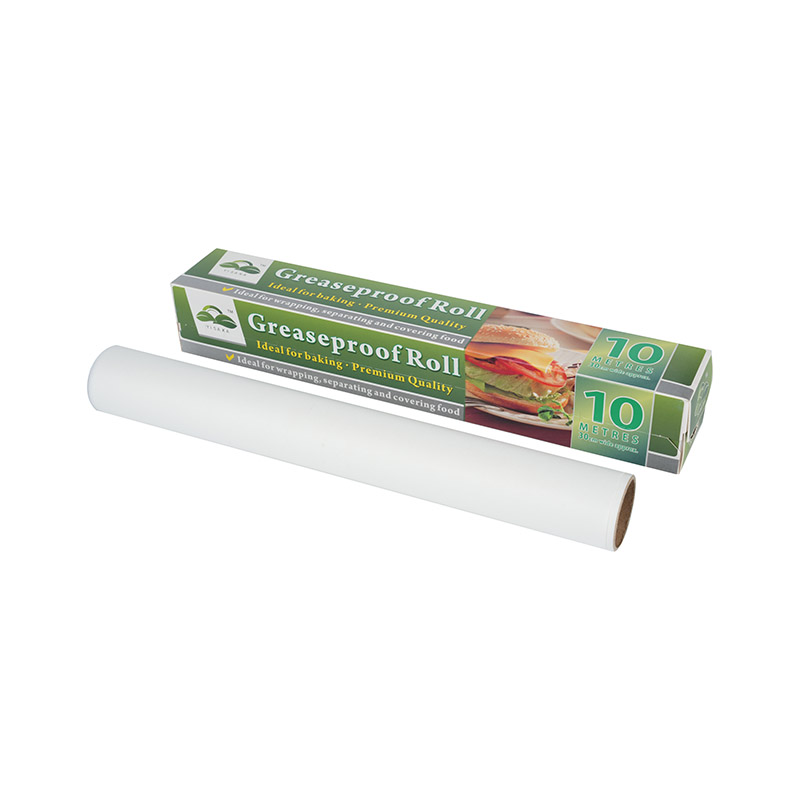
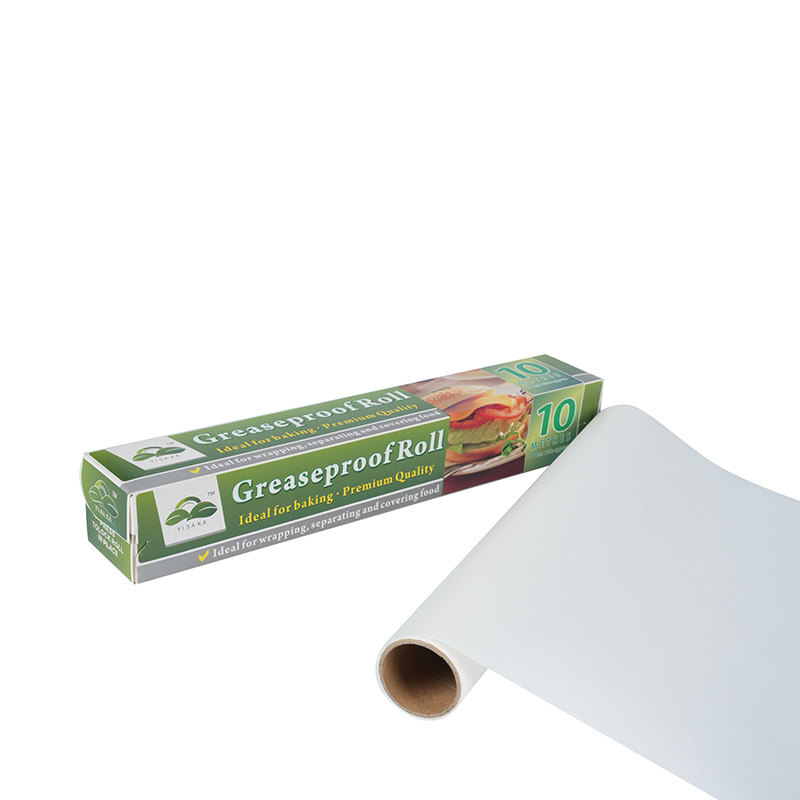
Greaseproof paper is specifically manufactured to resist the penetration of oils and fats. It's produced through a process called supercalendering — where the paper is pressed between rollers under high pressure and temperature — which closes up the fiber structure of the sheet and prevents grease molecules from passing through. This is what separates it from standard paper: no coating is required. Greaseproof paper is the go-to choice for wrapping burgers, fried chicken, fish and chips, pastries, and other high-fat foods. It's slightly translucent in appearance, relatively thin, and conforms easily around food items. One important note: greaseproof paper is not the same as parchment paper, even though the two are often confused. Greaseproof paper has no silicone coating and is not naturally non-stick, while parchment paper has been treated with silicone and can withstand baking temperatures.
Parchment Paper (Baking Paper)
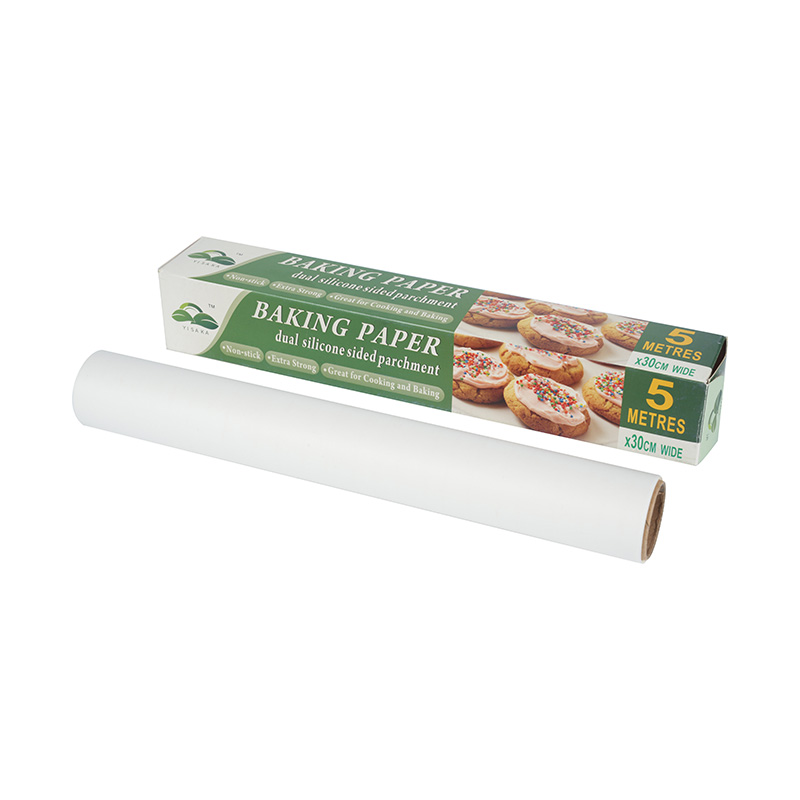
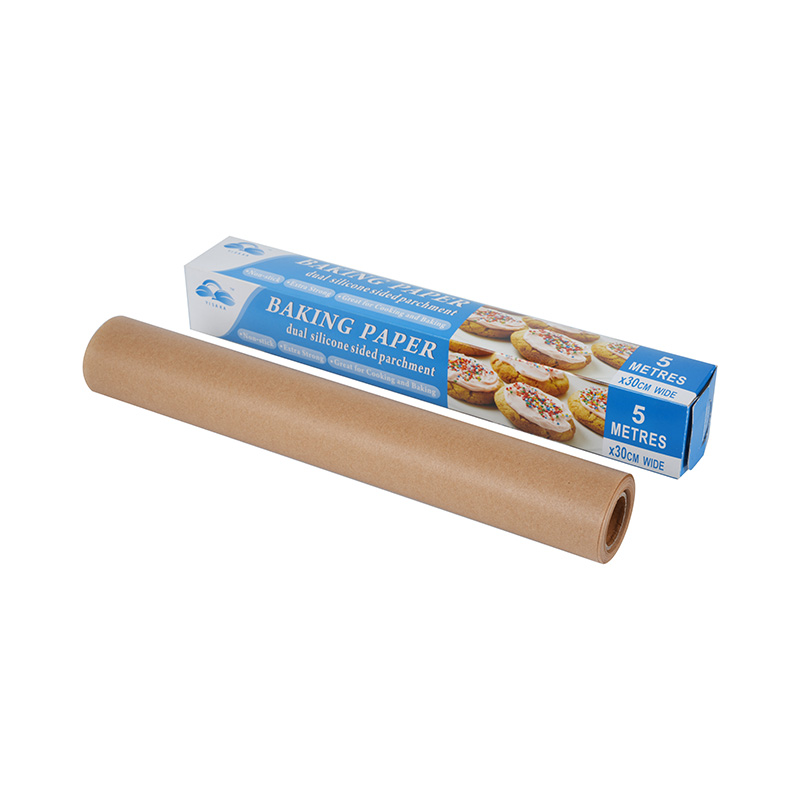
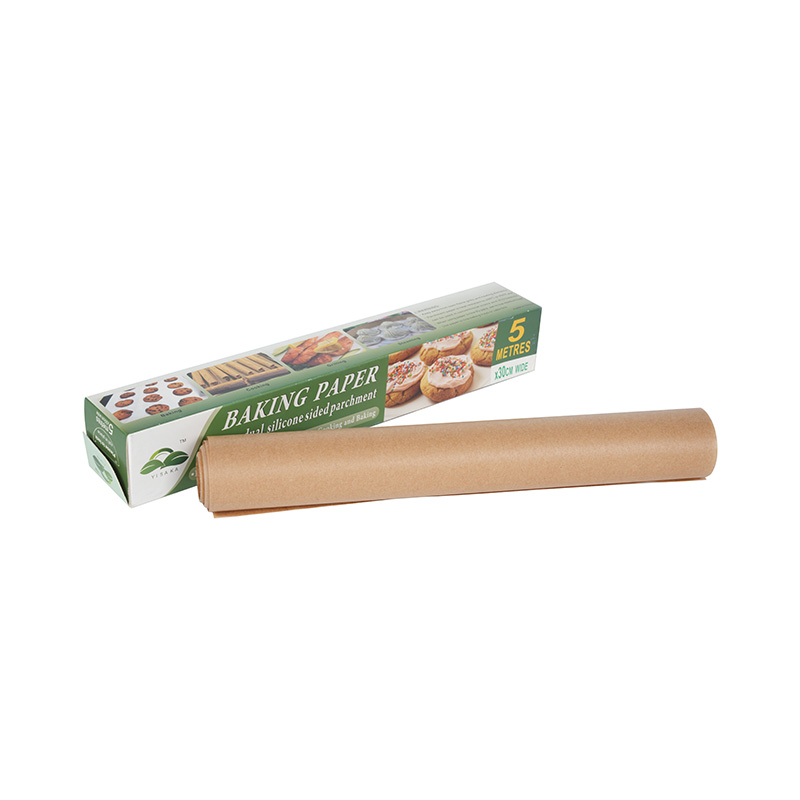
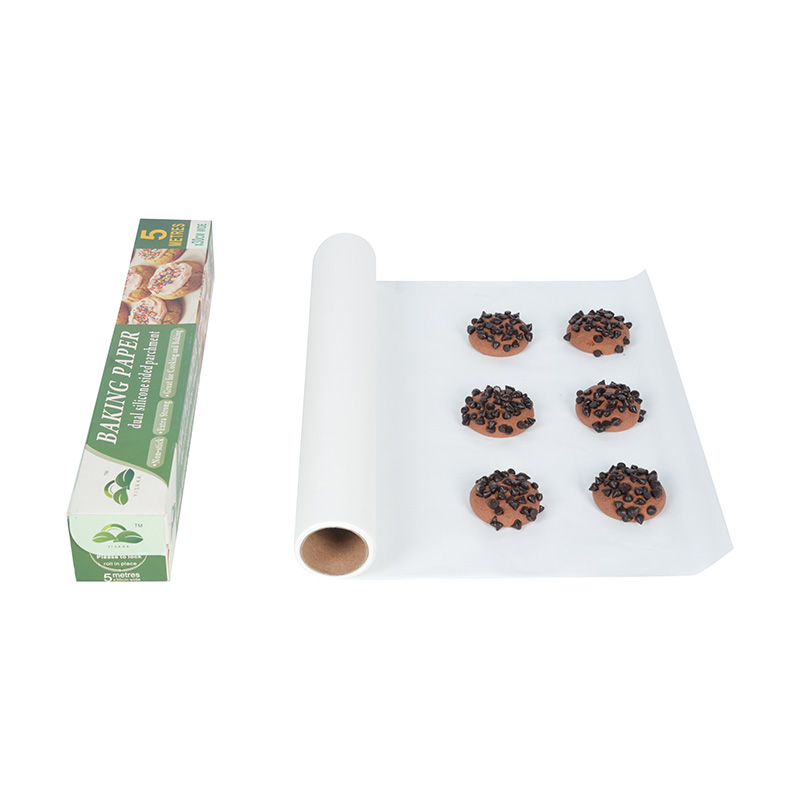
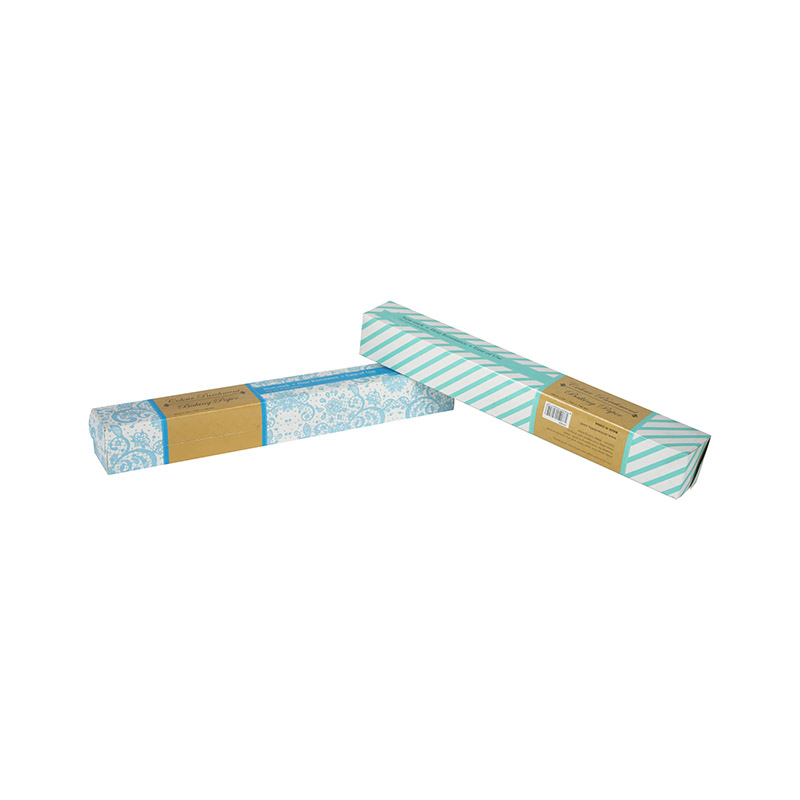
Parchment paper — also called baking paper or silicone paper — is greaseproof paper that has been coated with a thin layer of silicone on one or both sides. This gives it non-stick properties and heat resistance, typically rated between 420°F and 450°F (215°C to 232°C). In food packaging and service, parchment is used to line sheet pans and cake tins, wrap baked goods for sale, separate layers of sticky products, and present pastries in a clean, professional way. Pre-cut parchment sheets in standard pan sizes are a staple in commercial bakeries, while parchment paper rolls are used more flexibly in restaurants and delis for wrapping sandwiches and artisan breads. It's not designed for high-heat oven contact above its rated temperature and should not be used under a broiler.
Wax Paper (Waxed Paper)
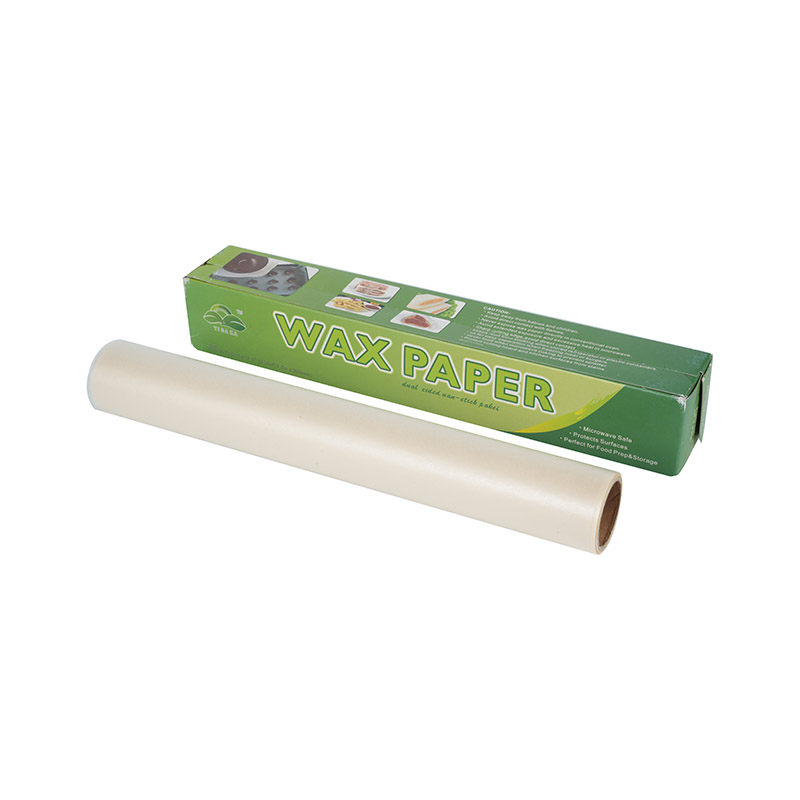
Wax paper is paper coated on one or both sides with a layer of food-grade paraffin wax. The wax provides excellent moisture resistance and a degree of grease resistance, and the surface is non-stick, which makes it useful for wrapping sticky or delicate foods. Wax paper is commonly used for wrapping candies, chocolates, cheese, and cold deli sandwiches, and for separating baked goods in display cases. Its key limitation is that it cannot withstand heat — the wax melts and the paper may smoke or catch fire in an oven — so it is strictly a cold-application or room-temperature food wrapping paper. It's also not as strong as kraft paper under wet conditions. For refrigerated food storage and cold wrapping applications, wax paper performs exceptionally well.
Butcher Paper
Butcher paper is a heavy-duty food packaging paper originally developed for meat counters and butcher shops. It is typically made from kraft pulp and comes in pink/peach, white, or brown variants. Pink butcher paper has become particularly well-known in the BBQ community because it is breathable — unlike aluminum foil — which allows smoked meats like brisket to continue developing a crust (bark) while still retaining enough moisture to stay tender during the rest phase of cooking. White butcher paper is FDA-approved for direct food contact and is used for wrapping raw and cooked meats, fish, and poultry. The paper is thicker and more tear-resistant than standard kraft paper, making it reliable for heavy or sharp-edged cuts of meat. It's also widely used as table covering in casual dining restaurants for a rustic, laid-back aesthetic.
PE-Coated and Poly-Coated Paper
Polyethylene (PE) coated food packaging paper has a thin plastic film bonded to one or both sides of the paper substrate. This coating provides a strong moisture barrier, grease resistance, and structural integrity even when the paper is in contact with wet or fatty foods for extended periods. PE-coated paper is used for packaging items like butter, frozen foods, takeout containers, and products that need to withstand refrigeration or freezer conditions. It's also commonly used as a liner for fast-food bags and trays. The environmental trade-off with PE-coated papers is the same as with PE-lined coffee cups: the plastic bonded to the paper makes standard recycling very difficult, as the two materials must be separated before processing.
Matching the Right Food Wrapping Paper to the Right Food
The fastest way to make a confident decision is to match your food type to the paper properties it actually needs. The table below summarizes the best paper choices across common food categories:
| Food Type | Key Paper Requirement | Recommended Paper |
| Burgers, fried chicken, fries | High grease resistance | Greaseproof paper |
| Baked goods (cookies, cakes, pastries) | Non-stick, heat resistance | Parchment / baking paper |
| Raw and cooked meats | Strength, breathability, FDA-safe | Butcher paper (white or pink) |
| Deli sandwiches, wraps (cold) | Moderate grease resistance, conformability | Greaseproof or wax paper |
| Bread, rolls, dry bakery items | Breathability, presentation | Kraft paper (uncoated) |
| Cheese, charcuterie | Moisture resistance, cold storage safe | Wax paper or specialty cheese paper |
| Frozen foods, butter, dairy | Moisture and grease barrier, freezer-safe | PE-coated or wax paper |
| Candy, chocolates | Non-stick, moisture barrier | Wax paper or parchment |
Food Safety Standards: What "Food-Grade" Really Means
Not every paper product on the market is safe for direct food contact. When shopping for food packaging paper, especially in bulk from wholesale or industrial suppliers, verifying food-grade certification is non-negotiable. Here's what to look for:
- FDA compliance (U.S.): In the United States, food contact papers must comply with FDA regulations under 21 CFR (Code of Federal Regulations), which sets limits on what chemicals and substances can migrate from the packaging into food. Look for suppliers who explicitly state their products are FDA-compliant for direct food contact.
- No recycled content for direct contact: Recycled paper can contain trace amounts of contaminants from its previous use. Food packaging paper intended for direct food contact should be made from virgin fiber, not recycled pulp, unless specifically certified otherwise.
- Ink and dye safety: If your food packaging paper is printed or colored, ensure the inks and dyes used are food-safe and will not migrate into the food. Many standard printing inks contain solvents and heavy metals that are not safe for food contact.
- PFAS-free labeling: Per- and polyfluoroalkyl substances (PFAS) — sometimes called "forever chemicals" — were historically used in grease-resistant food papers. Several states have now banned PFAS in food packaging, and many responsible suppliers have transitioned to PFAS-free alternatives. Always confirm that greaseproof papers you purchase are free from PFAS coatings.
- BRC or SQF certification: Suppliers certified under BRC (British Retail Consortium) Global Standards or SQF (Safe Quality Food) have undergone rigorous third-party audits of their manufacturing processes, providing additional assurance of product safety and consistency.
Eco-Friendly Food Packaging Paper Options: What's Actually Sustainable
Sustainability in food packaging paper is a topic surrounded by marketing claims that often outpace reality. Understanding which products are genuinely more sustainable — and under what conditions — helps food businesses make decisions that hold up to scrutiny.
Uncoated Kraft and Recycled Kraft Paper
Uncoated kraft paper made from FSC-certified virgin pulp is one of the most genuinely sustainable food packaging options available. It's biodegradable, compostable in most home compost settings, and fully recyclable through standard paper recycling streams — provided it hasn't been contaminated with food residue to the point where recycling facilities reject it. Recycled kraft paper, made from post-consumer or post-industrial fiber, has a lower carbon footprint in production but cannot be used for direct food contact applications without specific food-safe certification. It's best suited for secondary packaging, like outer wrapping layers or bags that don't directly touch food.
Compostable Greaseproof Paper
Traditional greaseproof paper achieved through supercalendering (without any added coating) is inherently more sustainable than PE or wax-coated alternatives because it's a single-material product. When it reaches end of life, it can be composted or recycled without needing to separate a coating from the paper substrate. Some manufacturers now produce compostable greaseproof papers specifically certified for industrial composting, which is a meaningful step up from conventional coated options for food businesses with access to composting programs.
Aqueous-Coated and Bio-Based Barrier Papers
As an alternative to PE coatings, a growing number of manufacturers are offering food packaging papers with aqueous (water-based) coatings or bio-based barrier coatings derived from PLA, starch, or other plant materials. These coatings provide comparable moisture and grease resistance to PE while being more compatible with paper recycling and industrial composting streams. They typically cost more than PE-coated alternatives but represent a genuine performance-and-sustainability improvement for operations committed to reducing plastic use in their packaging supply chain.
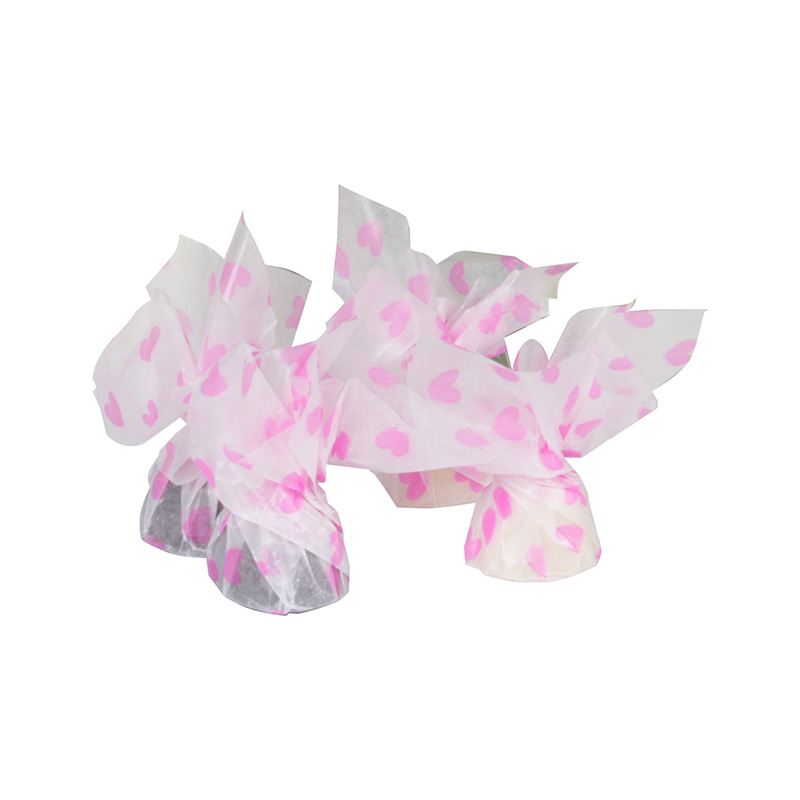
Custom Printing on Food Packaging Paper: Branding That Works Hard
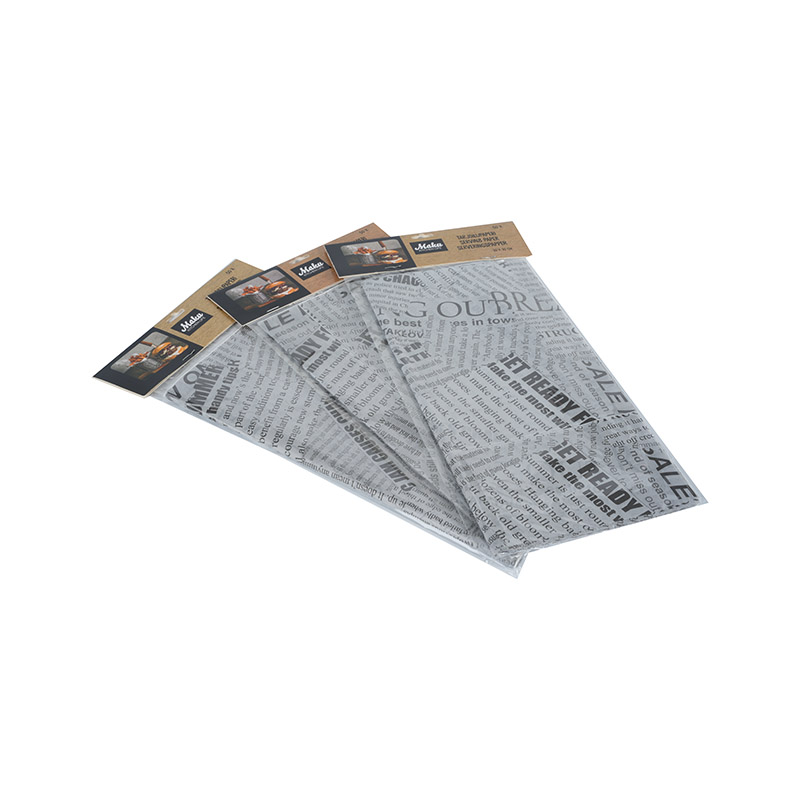
Custom-printed food packaging paper has become one of the most effective and affordable branding tools available to food businesses of all sizes. When a customer unwraps a burger or opens a deli bag and sees your logo, colors, or a well-designed pattern on the paper inside, it creates a moment of brand recognition that generic white paper simply cannot deliver. Here's what to know about getting custom printing right:
- Minimum order quantities: Custom-printed food paper typically requires minimum orders of 5,000 to 10,000 sheets for standard sizes, though some suppliers offer lower minimums (as few as 1,000 sheets) at higher per-unit prices. Larger runs significantly reduce the per-sheet cost.
- Ink safety is non-negotiable: Ensure the printer uses food-safe inks certified for direct food contact. This is especially important if the printed side of the paper may come into contact with the food itself. Ask for documentation of ink compliance before approving any print run.
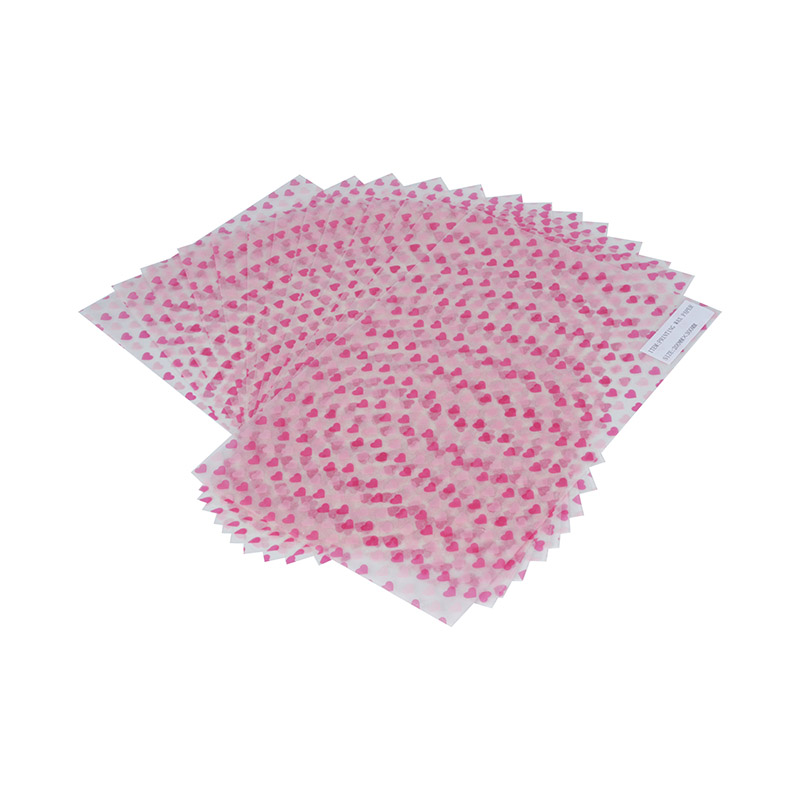
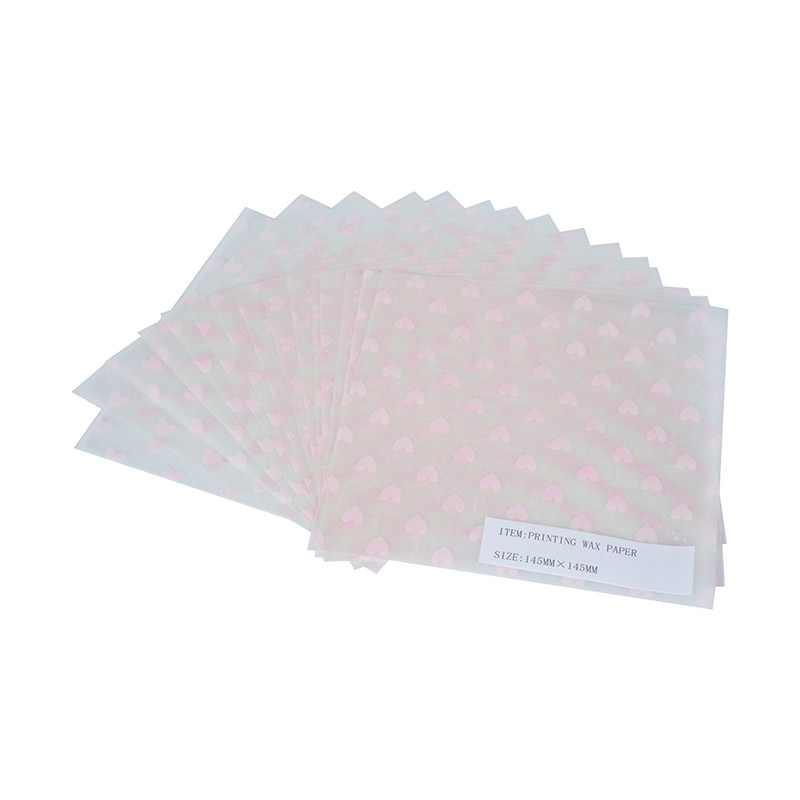
- Single color vs. full color: Single-color or two-color print runs are significantly cheaper than full-color CMYK printing. For many food packaging applications — a simple logo stamp or pattern in one color — a single-color print looks clean and professional without the cost premium of full color.
- Pre-printed rolls vs. cut sheets: Depending on your operation, custom-printed food paper is available in both roll and pre-cut sheet formats. Rolls work well with deli slicers and roll dispensers; pre-cut sheets are faster and more consistent for high-volume wrapping stations.
- Lead times: Custom printing adds production lead time, typically 2 to 4 weeks beyond what's needed for plain stock. Plan your inventory accordingly, particularly for seasonal businesses or new restaurant openings.
Key Properties to Compare When Buying Food Packaging Paper
When evaluating suppliers and comparing products, the following properties are the most important to assess. Not all suppliers provide complete technical data sheets, but reputable manufacturers will be able to answer questions about each of these:
| Property | Why It Matters | What to Ask For |
| Grammage (gsm) | Determines thickness and strength | Match gsm to food weight and handling stress |
| Grease resistance (Kit rating) | Prevents oil/fat bleed-through | Kit 3+ for standard greasy foods; Kit 6+ for high-fat items |
| Moisture vapor transmission rate (MVTR) | Controls moisture retention vs. breathability | Low MVTR for moisture-sensitive foods; higher for breathable wraps |
| Wet strength | Prevents tearing when paper contacts liquid foods | Essential for raw meat, wet deli items |
| Heat resistance | Required for oven or warming applications | Parchment rated to min. 420°F for baking use |
| FDA/food-contact compliance | Ensures safety for direct food contact | Request 21 CFR compliance documentation |
| PFAS content | Regulatory compliance and consumer safety | Confirm PFAS-free in writing from supplier |
Buying Food Packaging Paper in Bulk: Practical Tips to Avoid Costly Mistakes
Food businesses that go through large quantities of wrapping paper stand to save significantly by purchasing in bulk — but bulk purchasing comes with its own pitfalls. Here's how to approach it strategically:
- Always request samples before placing a large order. Paper specifications on a data sheet don't always translate to real-world performance. Wrap your actual food items with sample sheets and assess grease resistance, tearing, and conformability before committing to thousands of units.
- Standardize your sheet sizes. Using one or two standard sizes across your operation reduces SKU complexity and storage requirements. Pre-cut sheets sized to your most common food items streamline service and reduce waste from over-sized sheets.
- Factor in storage conditions. Paper absorbs humidity and odors. Store food packaging paper in a dry, climate-controlled space away from strong-smelling cleaning products or chemicals. Paper stored in damp conditions can warp, weaken, and transfer moisture to food.
- Compare total cost, not just per-sheet price. A cheaper paper that requires double-layering because of inadequate grease resistance ends up costing more per serving than a slightly pricier paper that performs in a single sheet. Calculate cost per use, not cost per unit.
- Evaluate supplier reliability. For high-volume operations, a supplier who consistently ships on time and maintains product quality is worth paying a modest premium for. Stock-outs of food packaging paper in a busy kitchen create real operational problems.
- Check for certifications proactively. Don't wait for a health inspection or customer complaint to discover your packaging paper isn't FDA-compliant or contains PFAS. Verify certifications at the purchasing stage and keep documentation on file.
Food Packaging Paper for Specific Industries: Tailored Recommendations
Different food service environments have distinct demands. Here's a practical breakdown of which food paper products work best in common settings:
Restaurants and Quick-Service (QSR)
Speed and consistency are paramount in restaurant environments. Pre-cut greaseproof sheets in standardized sizes work best for burger wrapping and basket lining. Parchment paper in roll or sheet form handles baking prep, and sturdy kraft sheets or bags work for takeout packaging. For branded experiences, custom-printed greaseproof paper with a logo or pattern adds polish without significantly slowing down service. A dispenser box or sheet dispenser on the prep line keeps things fast and hygienic.
Delis and Sandwich Shops
Deli counters typically deal with a wide variety of items — sliced meats, cheeses, cold sandwiches, and hot subs — that require different paper types. White butcher paper or wax paper works well for cold cuts and cheese wrapping; greaseproof paper handles hot sandwich wrapping. Many delis use a combination of interleaving sheets (thin wax or greaseproof sheets placed between sliced meat layers) and outer wrapping paper for finished items. Interleaving sheets prevent slices from sticking together and make self-serve deli counters more efficient for customers.
Bakeries and Pastry Shops
Bakeries rely heavily on parchment paper for production (baking trays, cake molds, layering) and use a mix of kraft paper bags and tissue paper for retail packaging. Glassine paper — a smooth, dense, semi-transparent paper — is popular for wrapping individual pastries and chocolates because it provides a clean look without the bulk of kraft. Display cases in pastry shops often use pre-cut parchment or greaseproof doilies beneath individual items for both presentation and hygiene purposes.
Butcher Shops and Meat Counters
Butcher shops need heavy-duty paper with excellent wet strength and FDA-approval for direct raw meat contact. White butcher paper in rolls is the industry standard, typically in weights of 30 lb to 40 lb (approximately 45 to 60 gsm). Freezer paper — a heavier, PE-coated butcher-type paper — is used for packaging cuts intended for the freezer, as it provides a moisture barrier that prevents freezer burn. Pink butcher paper is reserved for the smoking and BBQ context rather than raw retail wrapping.
Final Thoughts: The Right Food Packaging Paper Pays for Itself
Food packaging paper is not a place to cut corners. The right paper protects your food, protects your customers, and reflects your brand standards every time a product changes hands. Whether you're choosing greaseproof wrapping paper for a burger shop, parchment for a bakery, or custom-printed kraft for a farm-to-table restaurant, understanding the properties behind each option puts you in control of both quality and cost.
Start by mapping your food types to the paper properties they need, verify food-safety compliance before purchasing, request samples before committing to bulk orders, and — if your operation's scale justifies it — invest in custom printing to turn every wrapped item into a branded moment. The details in your packaging are noticed more than you might expect, and food packaging paper done right is one of the simplest ways to signal that your business takes quality seriously at every step.