 English
 русский
Content
Everything You Need to Know About Sandwich Wrapping Paper
If you’ve ever packed a lunch or ordered takeout, you know how important sandwich wrapping paper can be. It’s not just about keeping your sandwich together — it helps maintain freshness, prevents leaks, and makes your food look appealing. Let’s dive into the different aspects of sandwich wrapping paper and how to choose the right one.
Types of Sandwich Wrapping Paper
There are several types of sandwich wrapping paper available, each designed for specific purposes. Choosing the right type can make a big difference in your food’s presentation and freshness.
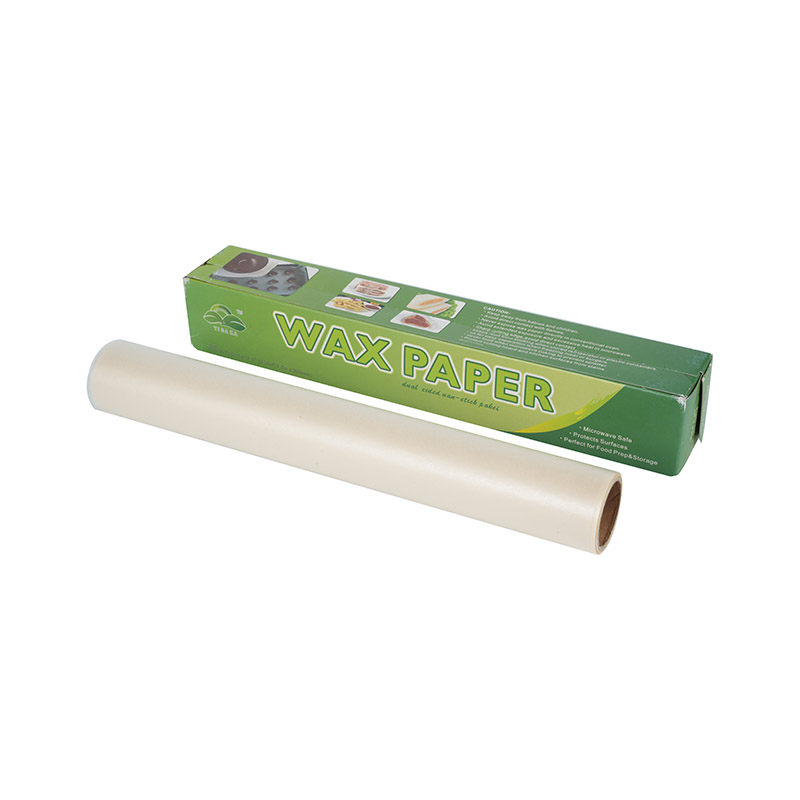
Wax Paper
Wax paper is coated with a thin layer of wax, making it water-resistant. It’s ideal for wrapping sandwiches with spreads or juicy fillings. It prevents moisture from soaking through and is commonly used in delis and sandwich shops.
Parchment Paper
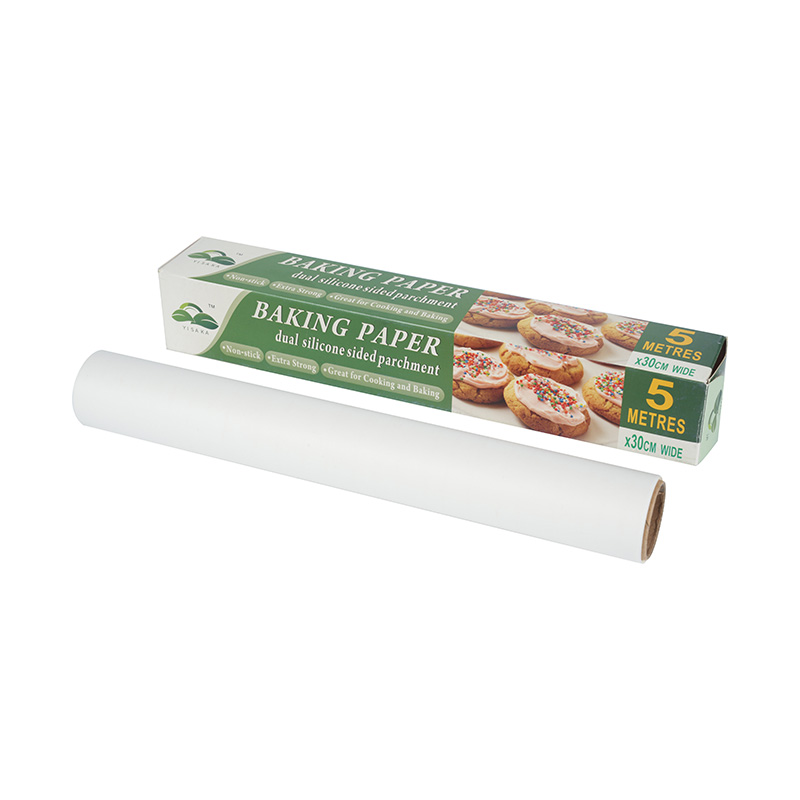
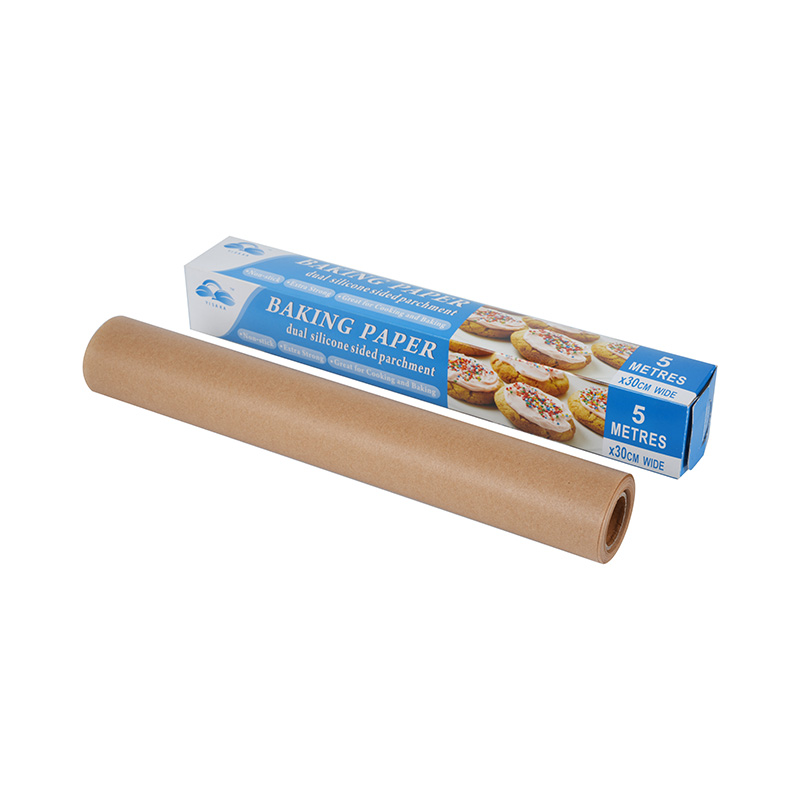
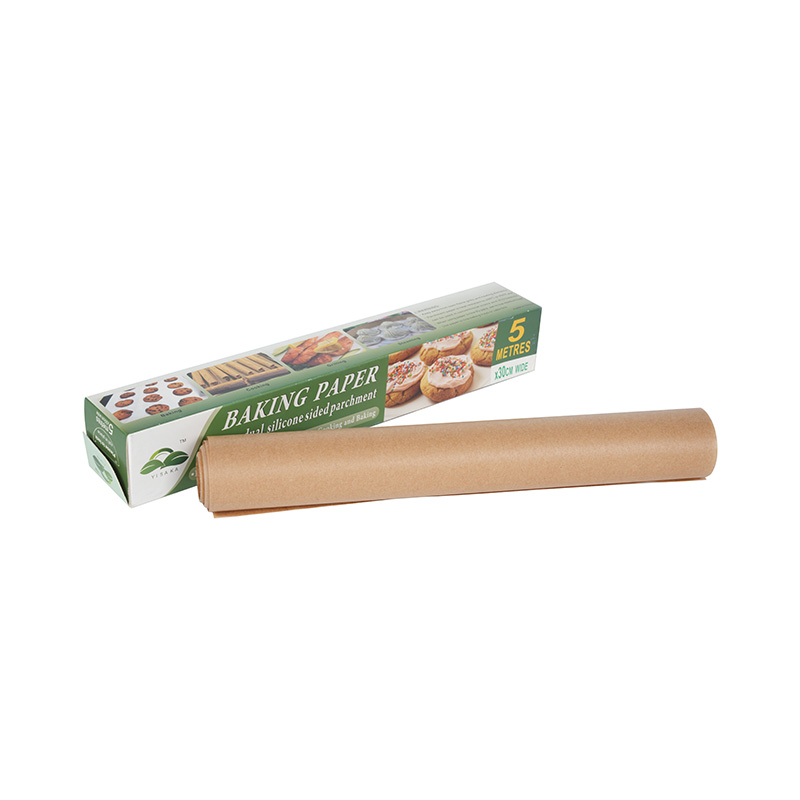
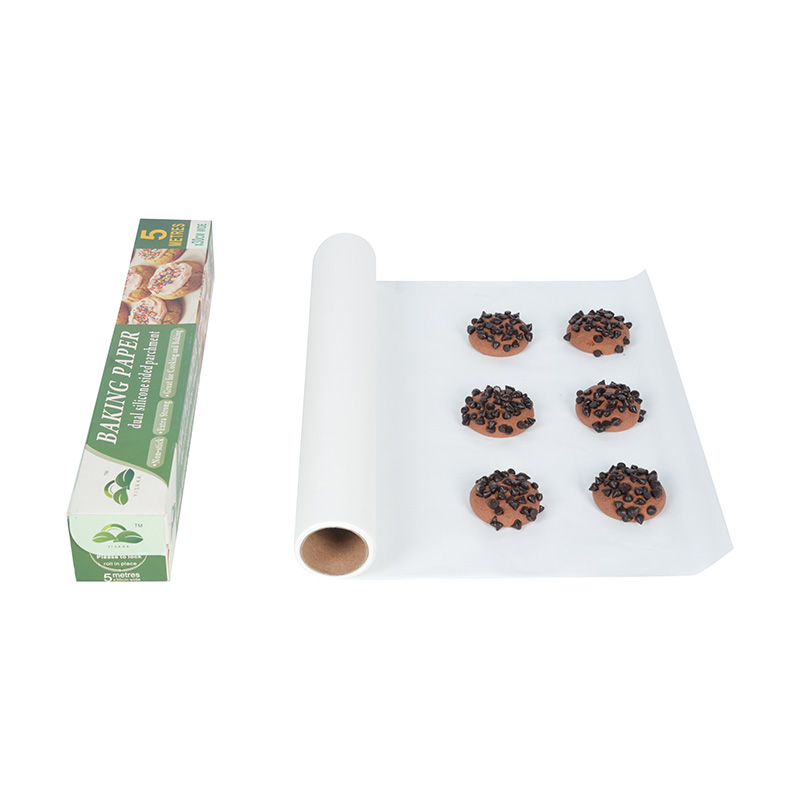
Parchment paper is slightly thicker and more heat-resistant than wax paper. It’s perfect for hot sandwiches or for use in microwaves, as it can withstand heat without melting or sticking to your food.
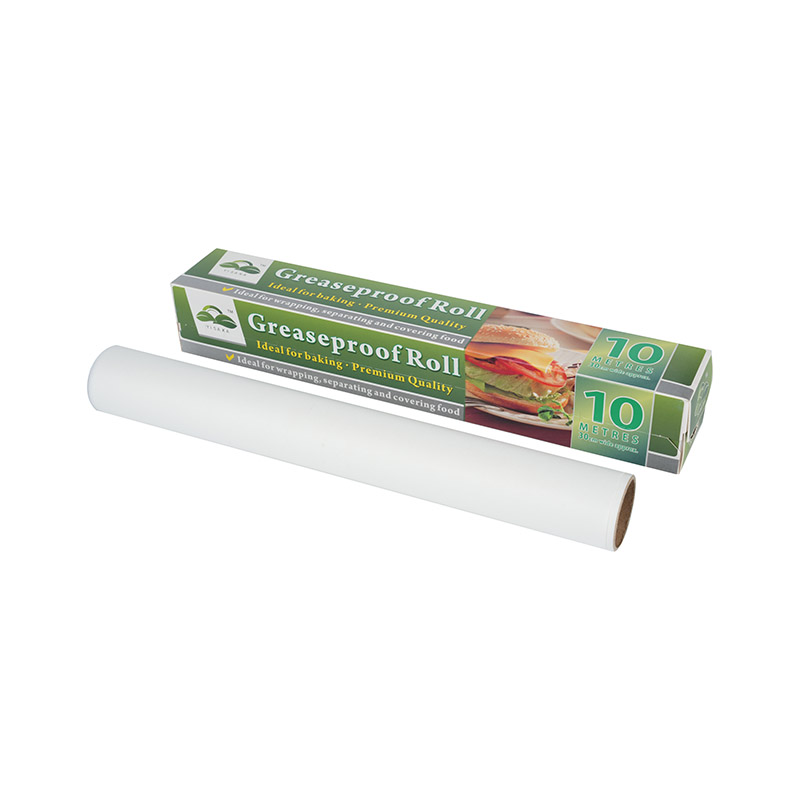
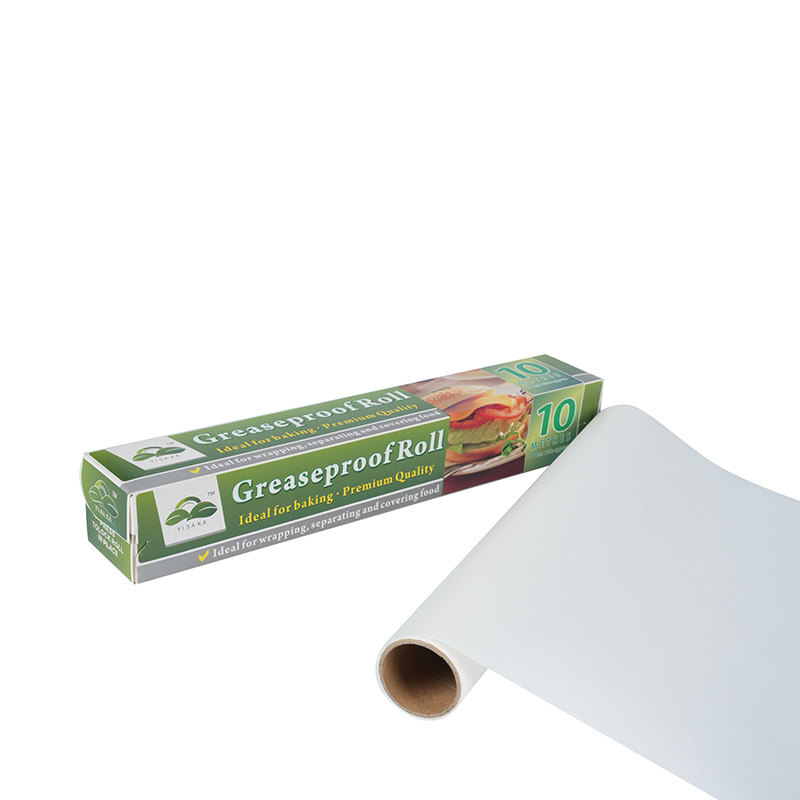
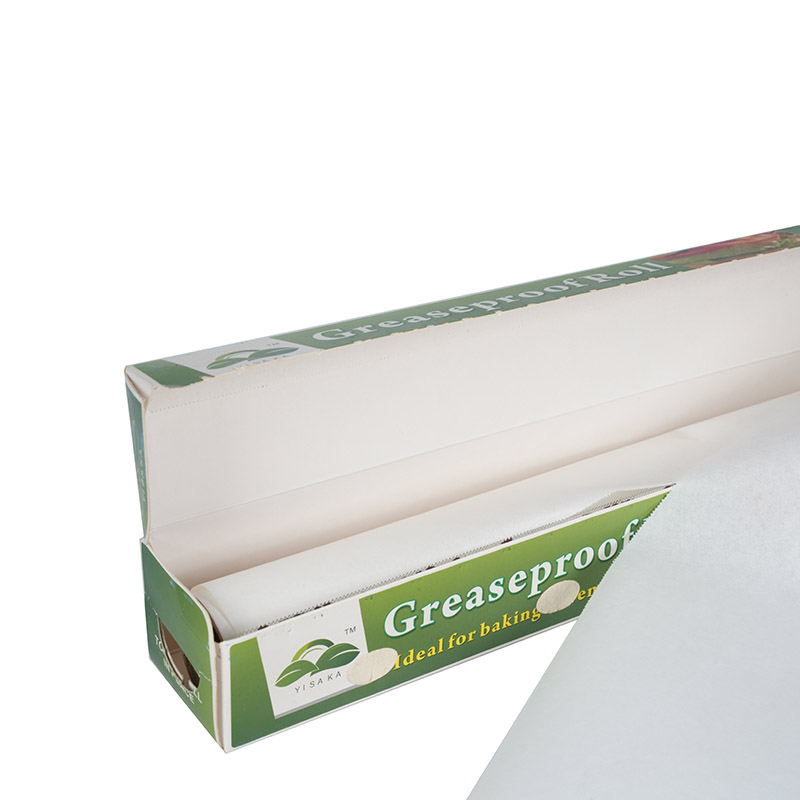
Greaseproof Paper
Greaseproof sandwich wrapping paper is specially designed to prevent oils from leaking through. This makes it great for sandwiches with oily meats, cheese, or dressings. It keeps your hands clean while enjoying your meal.
How to Choose the Right Sandwich Wrapping Paper
Selecting the right sandwich wrapping paper depends on several factors. Here are key points to consider:
- Food Type: Juicy or oily sandwiches need wax or greaseproof paper.
- Temperature: Hot sandwiches may benefit from parchment paper for heat resistance.
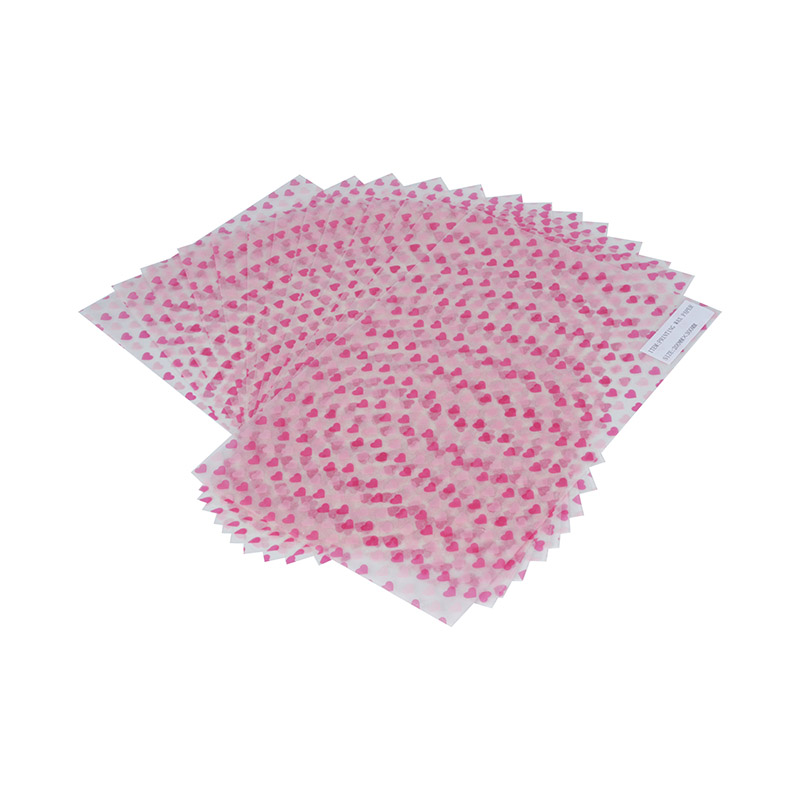
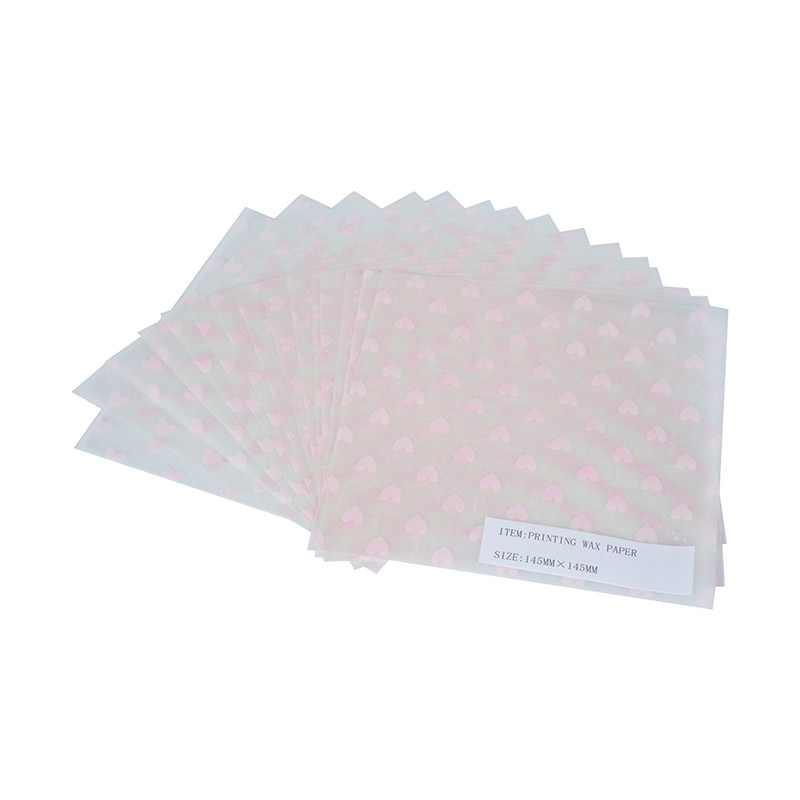
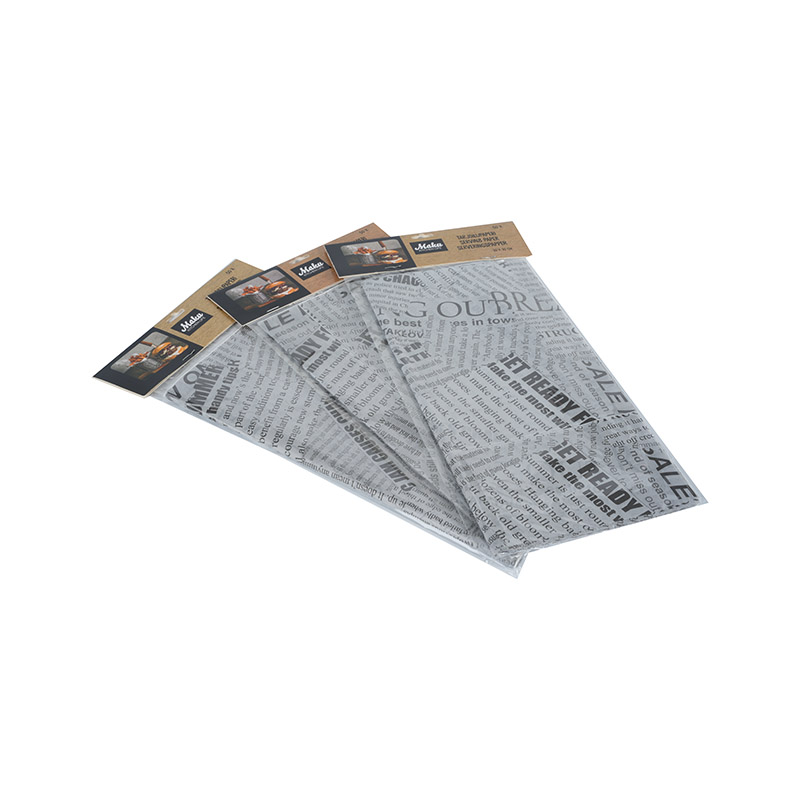
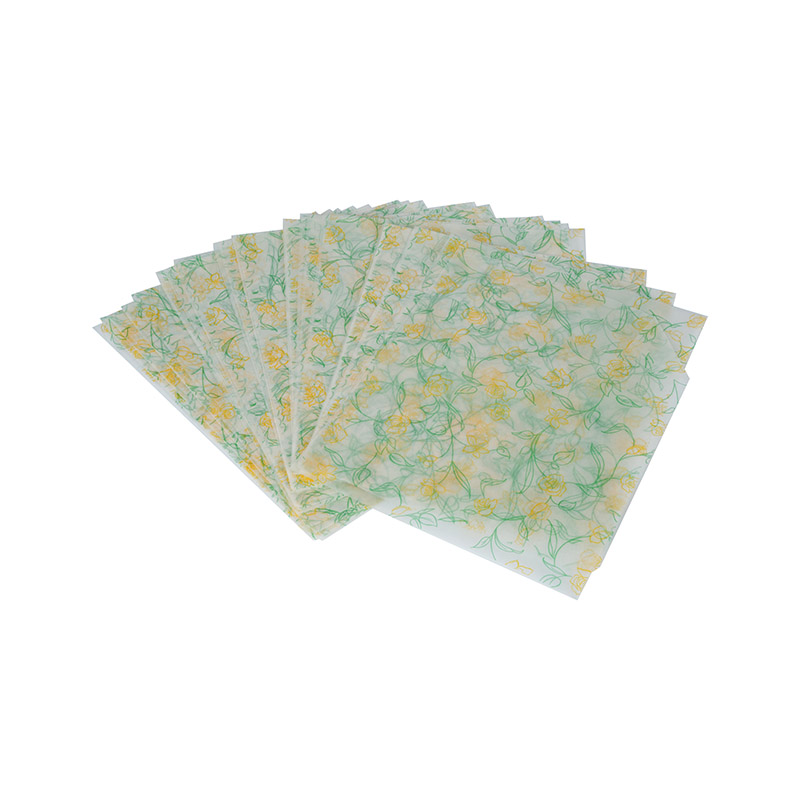
- Presentation: Printed or colored sandwich wrapping paper can enhance the visual appeal of your meal.
- Environment: Biodegradable or recyclable papers are great for eco-friendly packaging.
Practical Tips for Using Sandwich Wrapping Paper
Using sandwich wrapping paper properly can make a big difference in keeping your food fresh and tidy. Here are some practical tips:
- Wrap sandwiches tightly to prevent them from falling apart.
- Use multiple layers if your sandwich is particularly juicy or messy.
- For added security, place the wrapped sandwich in a paper bag or container.
- Label sandwiches on the paper to indicate ingredients or dietary preferences.
Comparison of Popular Sandwich Wrapping Paper Types
| Type | Best For | Pros | Cons |
| Wax Paper | Cold or slightly moist sandwiches | Water-resistant, easy to fold | Not microwave safe |
| Parchment Paper | Hot sandwiches, baking | Heat-resistant, non-stick | Less water-resistant |
| Greaseproof Paper | Oily or greasy sandwiches | Keeps hands clean, prevents leaks | May tear with heavy fillings |
Eco-Friendly Sandwich Wrapping Options
Sustainability is becoming more important in food packaging. Many sandwich wrapping papers now come in biodegradable or compostable forms. These options are often made from natural fibers and plant-based coatings, allowing you to enjoy convenience without harming the environment.
When selecting eco-friendly wrapping, look for certifications or labels indicating compostable or recyclable materials. This ensures that your choice is truly sustainable and safe for the environment.
Conclusion
Sandwich wrapping paper is more than just a simple sheet to hold your meal together. From maintaining freshness and hygiene to enhancing presentation and supporting sustainability, the right paper makes a big difference. By understanding the types, practical uses, and eco-friendly options, you can make informed decisions for both personal and commercial use.