 English
 русский
Content
- 1 What Is Wax Paper and How Is It Different from Other Papers?
- 2 Everyday Kitchen Uses for Wax Paper You'll Actually Use
- 3 Clever Non-Kitchen Uses for Waxed Paper
- 4 How to Store and Handle Wax Paper Properly
- 5 Is Wax Paper Safe? What You Need to Know About Food Safety
- 6 Wax Paper vs. Parchment Paper: When to Use Which
- 7 Eco-Friendly and Reusable Alternatives to Wax Paper
What Is Wax Paper and How Is It Different from Other Papers?
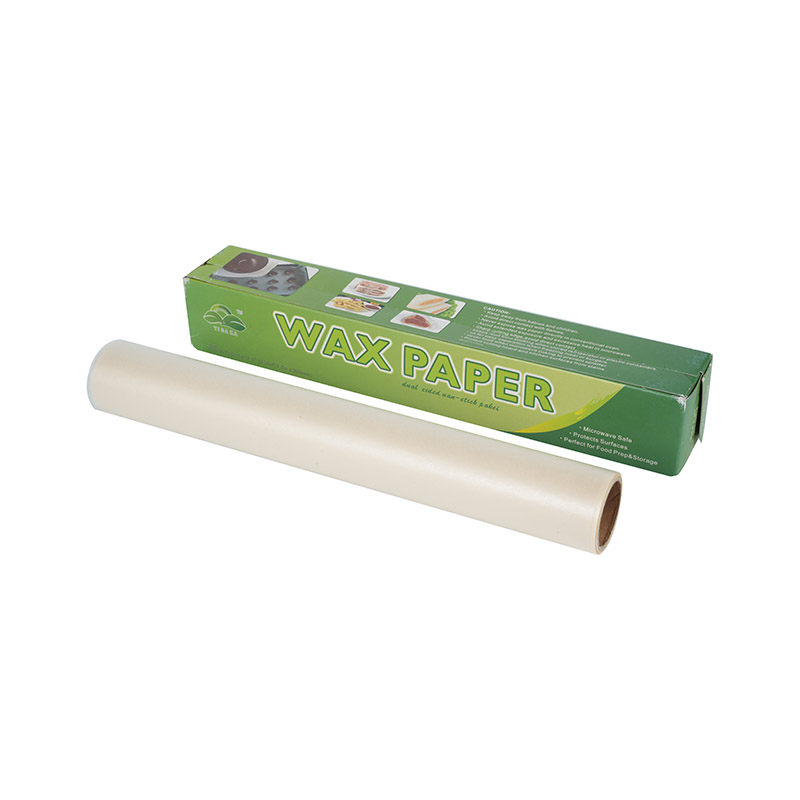
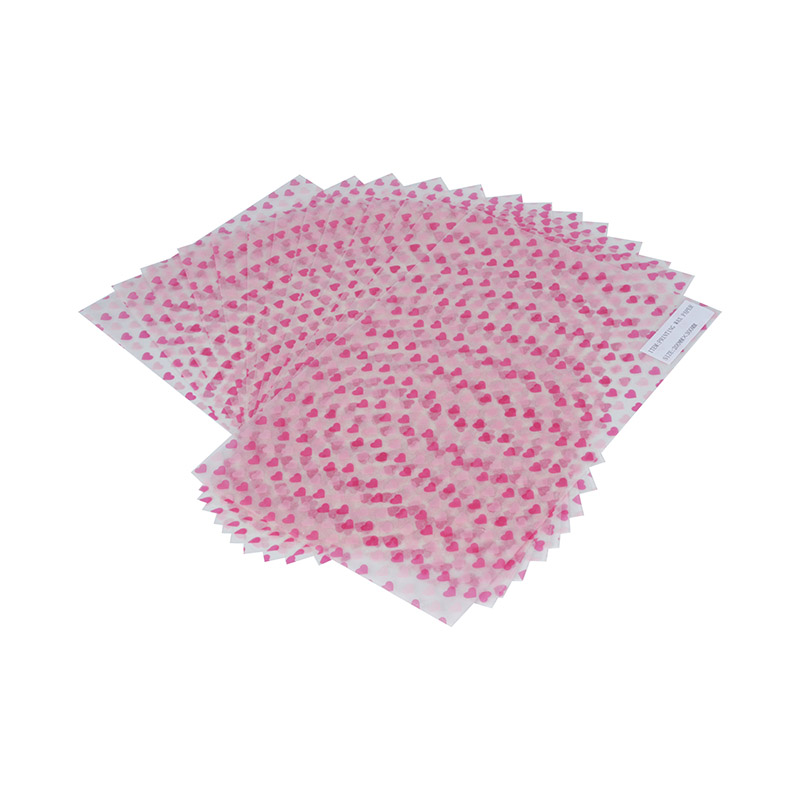
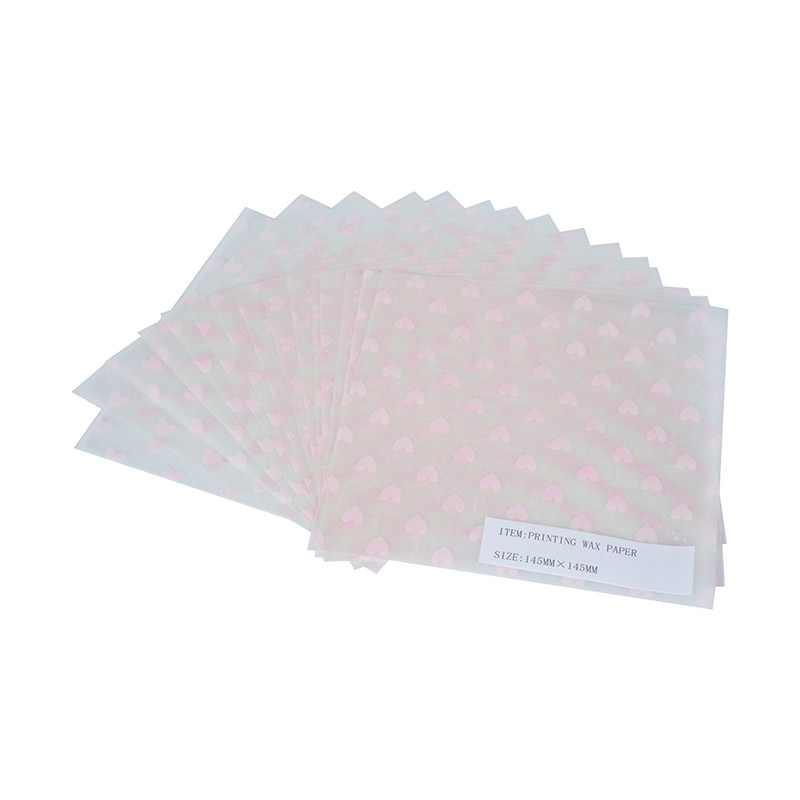
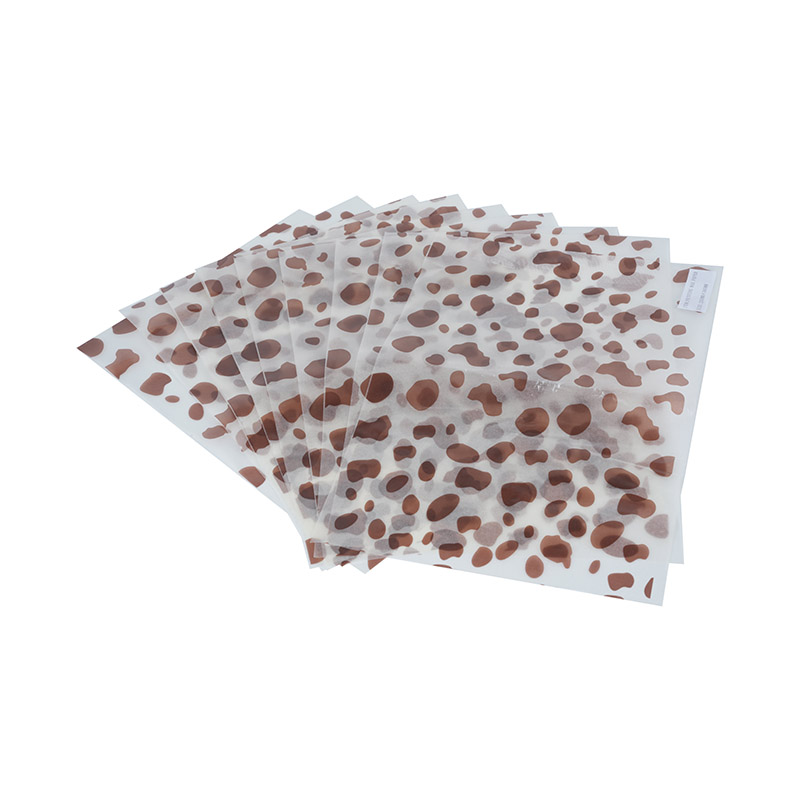
Wax paper (also called waxed paper) is a moisture-resistant paper coated on both sides with a thin layer of paraffin wax. This coating makes it non-stick, waterproof on the surface, and grease-resistant — which is why it's been a kitchen staple for over a century. Unlike regular paper, liquids bead right off it rather than soaking through, making it ideal for food prep and storage tasks.
People often confuse wax paper with parchment paper or aluminum foil, but they serve different purposes. Here's a quick comparison to clear things up:
| Type | Heat Safe? | Non-Stick? | Moisture Resistant? | Best Used For |
| Wax Paper | No | Yes | Yes | Cold food prep, wrapping, rolling dough |
| Parchment Paper | Yes (up to 450°F) | Yes | Somewhat | Baking, roasting |
| Aluminum Foil | Yes | Partially | Yes | Grilling, oven cooking, freezing |
| Plastic Wrap | No | No | Yes | Airtight wrapping, leftovers |
The key takeaway: wax paper is not oven-safe. The paraffin wax will melt and potentially smoke if exposed to oven heat. Always use parchment paper for baking. But for everything else? Waxed paper shines.
Everyday Kitchen Uses for Wax Paper You'll Actually Use
Most people have a roll of wax paper sitting in a drawer, but they only use it occasionally. The truth is, this humble kitchen staple has a surprisingly wide range of practical applications that can make cooking and food prep a lot easier.
Rolling and Cutting Dough
Place a sheet of waxed paper under your dough and another on top before rolling. This prevents sticking without adding excess flour, which can dry out cookies, pie crusts, or pasta dough. It also makes cleanup a breeze — just toss the paper when you're done.
Wrapping Food for the Fridge or Freezer
Wax paper is excellent for wrapping sandwiches, cheese wedges, chocolate, or candy. It keeps moisture out while still allowing a little breathability — which is actually better for some cheeses than airtight plastic wrap. For freezer storage, double-wrap with foil on the outside for added protection.
Separating Stacked Foods
Layering burgers, cookie dough balls, pancakes, or chocolates? Place sheets of wax paper between each layer so they don't freeze or stick together. This is one of the most overlooked but most useful tricks for meal preppers.
Mess-Free Microwave Cover
Drape a sheet of waxed paper loosely over a bowl or plate before microwaving. It traps steam to keep food moist while preventing splatter — and unlike plastic wrap, it won't melt or warp from short bursts of heat (just keep it to low-power, brief intervals).
Funnel for Dry Ingredients
Fold a sheet of wax paper into a cone shape and use it as a disposable funnel for transferring flour, sugar, spices, or chopped nuts into a jar or container. It's sturdier than a regular paper funnel and resists moisture from slightly damp ingredients.
Clever Non-Kitchen Uses for Waxed Paper
Wax paper isn't just for cooking — its waxy, slippery surface makes it surprisingly useful around the house. Here are some non-obvious ways to put it to work:
- Unstick a sticky zipper: Rub a piece of wax paper along the zipper teeth on a jacket, bag, or tent. The wax acts as a lubricant and gets the zipper gliding smoothly again.
- Polish wooden furniture or floors: Buff a sheet of waxed paper over a hardwood floor or wooden furniture surface to add a light shine and reduce scuff marks temporarily.
- Protect can lids from rusting: Wipe the rim of metal cans (like paint cans) with wax paper before sealing to prevent rust from forming and make them easier to open next time.
- Stop curtain rods from sticking: Rub wax paper along a curtain rod before threading on the curtains so they glide without snagging.
- Arts and crafts surface: Use it as a non-stick work mat for gluing, painting, or working with clay. Paint and glue peel right off once dry.
- Transfer iron-on designs: In crafting, wax paper can be used to transfer crayon drawings onto fabric using an iron on low heat — a fun DIY technique for kids' projects.
How to Store and Handle Wax Paper Properly
Getting the most out of your waxed paper starts with storing and handling it correctly. A few simple habits will keep your roll in good shape and prevent frustrating tears or unwanted curling.
Keep It in a Cool, Dry Place
Store your wax paper roll in a drawer or cabinet away from heat sources. Excess heat can cause the wax coating to soften or transfer unevenly over time. Humidity isn't great for the paper backing either, so a dry environment is best.
Cutting Without Tearing
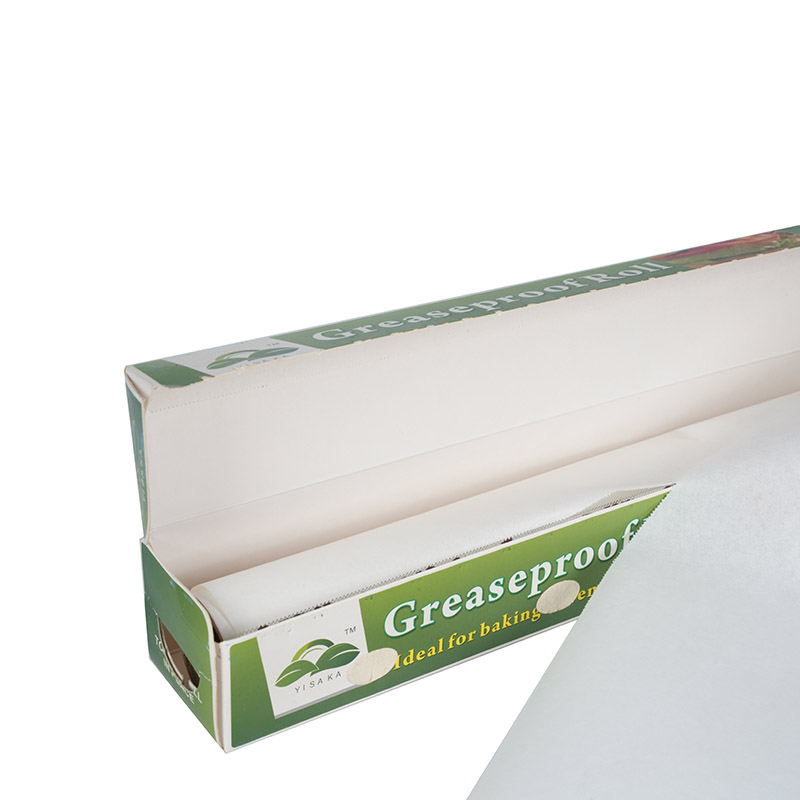
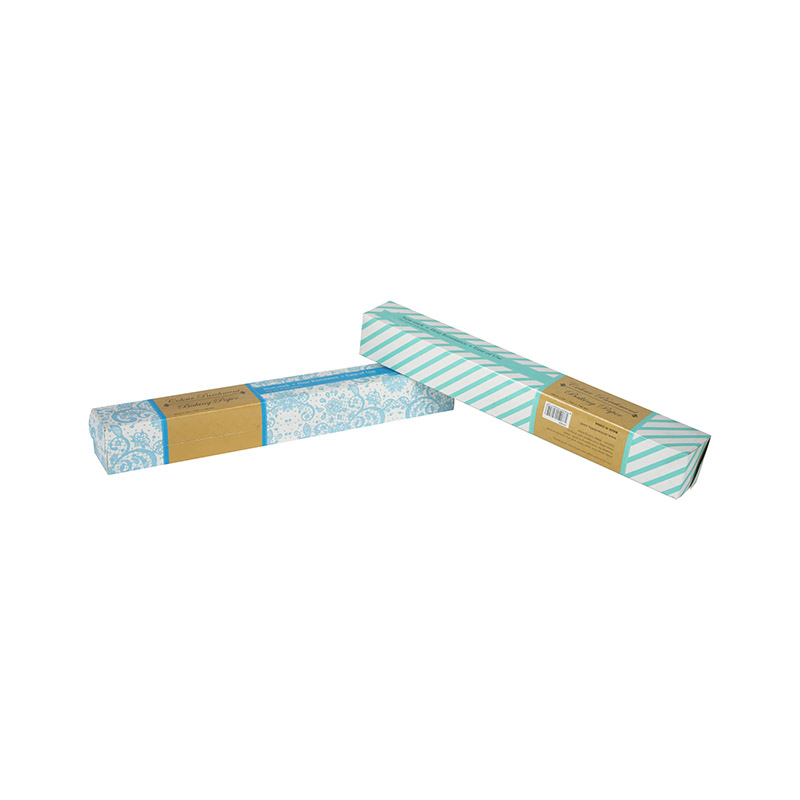
Most wax paper boxes have a serrated metal or cardboard edge — use a firm, quick downward motion rather than dragging to get a clean cut. If you're cutting freehand with scissors, fold the paper slightly before cutting to reduce slipping.
Don't Use It Near Open Flame or High Heat
Wax paper is flammable and will melt and smoke in the oven. Never use it on a baking sheet, under a broiler, or near a gas burner. This is the single most important safety point when working with wax-coated paper in the kitchen.
Is Wax Paper Safe? What You Need to Know About Food Safety
A common question people have is whether wax paper is food-safe — especially since wax sounds like a chemical you wouldn't want near your food. The good news is that most wax paper sold in grocery stores is coated with food-grade paraffin wax, which is non-toxic and approved by the FDA for food contact use.
However, there are a few things to be mindful of:
- Always buy wax paper labeled as "food-safe" or intended for kitchen use. Industrial or craft wax paper may use different coatings.
- Avoid using it at high temperatures. While the wax is safe when solid, burning or melting paraffin can release fumes that aren't good to breathe in and can affect the taste of food.
- Wax paper is generally single-use for food contact. Reusing a sheet that has touched raw meat or fish isn't recommended.
- Some eco-conscious brands now offer wax paper made with soy wax or beeswax instead of petroleum-based paraffin, which may be preferable for those seeking more natural alternatives.
Overall, standard food-grade waxed paper is safe for wrapping, covering, and handling food — as long as you're not cooking with it directly in the oven.
Wax Paper vs. Parchment Paper: When to Use Which
This is probably the most common mix-up in the kitchen, and making the wrong choice can ruin a batch of cookies or set off a smoke alarm. Here's a plain-English breakdown of when to reach for each one:
Use Wax Paper When:
- Rolling out pie crust, cookie dough, or pasta
- Wrapping sandwiches, cheese, or chocolate for storage
- Lining a countertop before decorating a cake with powdered sugar or sprinkles
- Separating burger patties or cookie dough balls in the freezer
- Making homemade candy or chocolate bark (to set at room temperature or in the fridge)
Use Parchment Paper When:
- Lining baking sheets for cookies, sheet cakes, or roasted vegetables
- Baking fish or chicken "en papillote" (sealed in a paper packet)
- Lining cake pans to prevent sticking
- Any task that involves putting the paper in or near the oven
A simple rule: if heat is involved, use parchment. If it's cold or room temp prep, wax paper works great and is often cheaper.
Eco-Friendly and Reusable Alternatives to Wax Paper
If you're trying to cut down on single-use products, it's worth knowing what can substitute for traditional waxed paper — both for environmental reasons and to save money over time.
Beeswax Wraps
Beeswax-coated cloth wraps are a popular reusable alternative. They're washable, moldable with hand warmth, and compostable at end of life. They work well for wrapping food but aren't great as a flat work surface like wax paper is.
Silicone Baking Mats
For tasks like rolling dough, a silicone mat is reusable, non-stick, and easy to clean. It's a great one-time investment that eliminates the need for wax paper sheets during baking prep.
Soy Wax Paper
Some brands now offer paper coated with soy wax instead of petroleum-derived paraffin. It performs similarly to traditional wax paper but uses a plant-based wax, making it a more sustainable choice for everyday use.
Unbleached Parchment Paper
For oven use, unbleached parchment paper is a more eco-conscious option than bleached versions. Some brands also sell compostable parchment paper that breaks down faster than conventional types.
Each alternative has trade-offs in cost, convenience, and performance. For occasional use, traditional wax paper is perfectly fine. For those cooking daily, investing in silicone mats and beeswax wraps can pay off quickly.