 English
 русский
Content
Understanding the Functional Properties of Greaseproof Paper
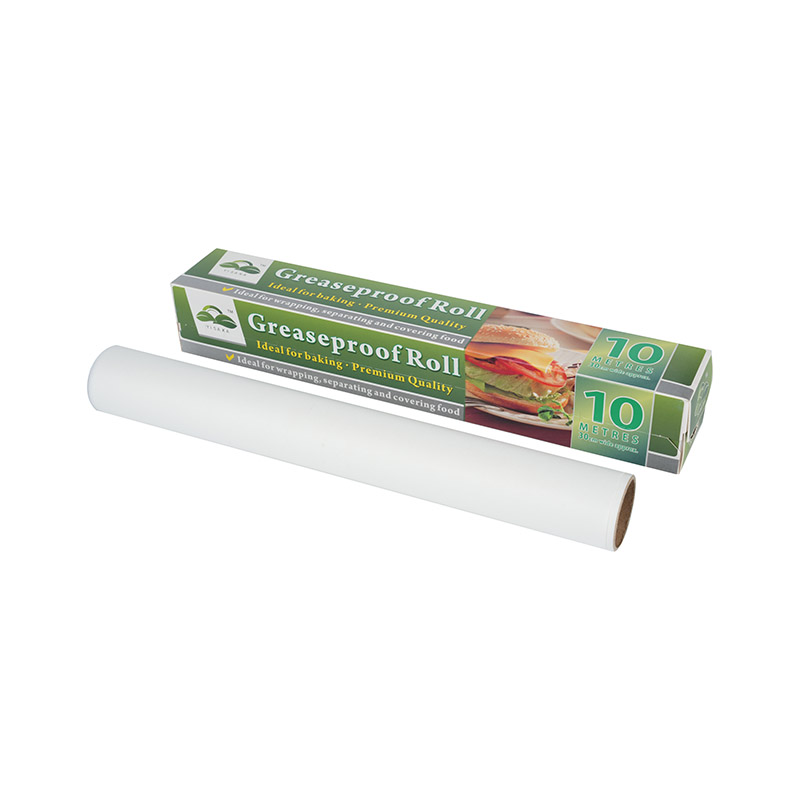
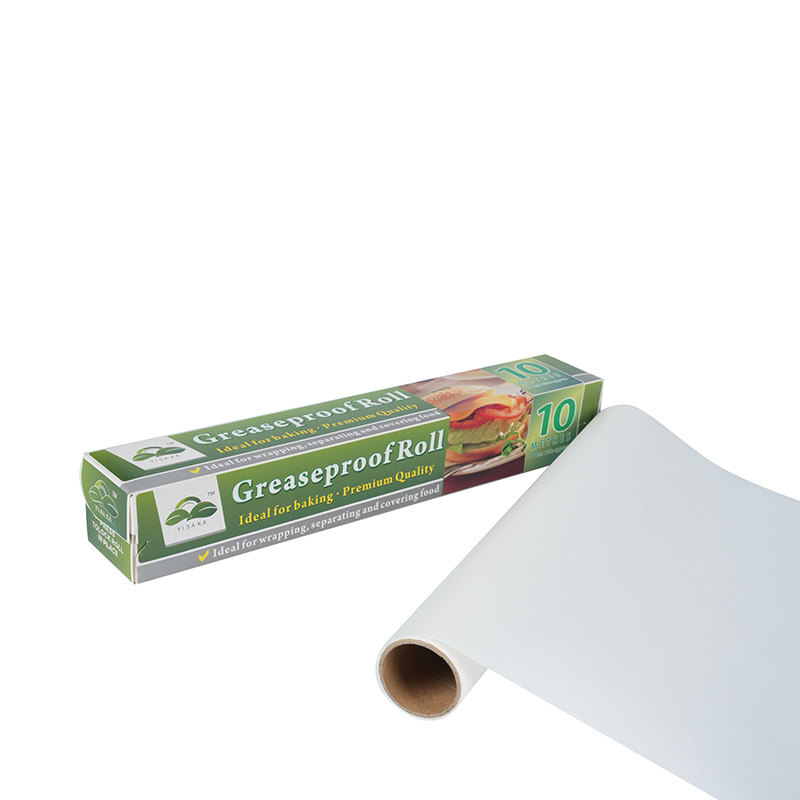
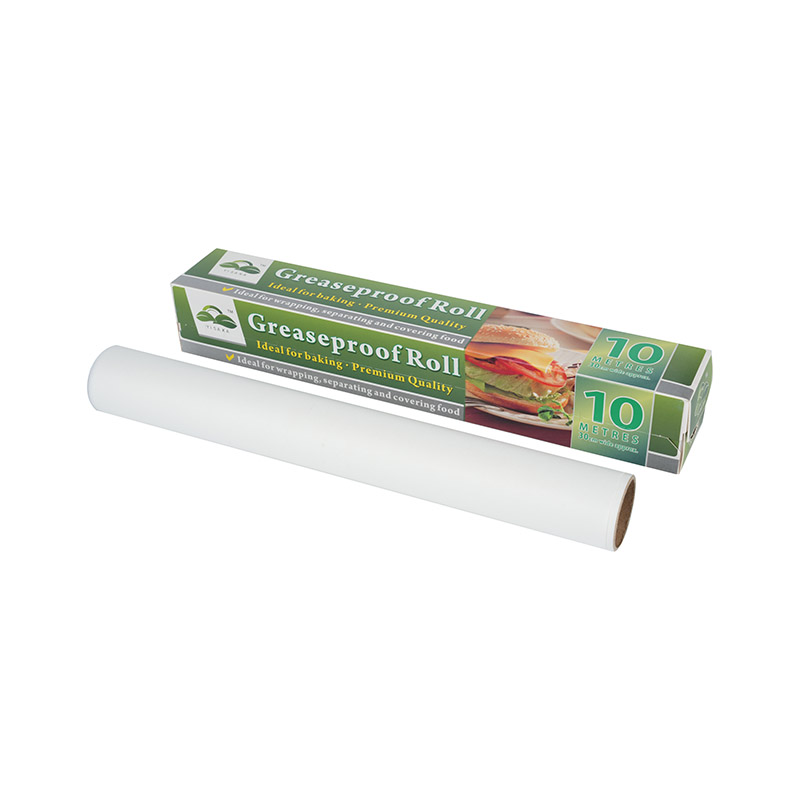
Greaseproof paper is a specialized material engineered to resist the penetration of oils, fats, and moisture. Unlike standard paper products, it is manufactured through an intensive mechanical process known as beating, which breaks down cellulose fibers into a dense, non-porous network. This structure prevents greasy substances from seeping through, making it indispensable in environments where food integrity and presentation are paramount. In modern culinary and packaging sectors, this paper serves as a vital barrier that maintains the texture of food while ensuring the external packaging remains clean and professional.
Primary Applications in Food Service and Baking
The versatility of greaseproof paper allows it to be used across various stages of food preparation and delivery. While it is frequently found in bakeries and fast-food outlets, its utility extends to specialized storage and delicate cooking techniques. Below are the most common practical applications:
- Food Wrapping: Ideal for wrapping burgers, sandwiches, and pastries to absorb surface oils and prevent soggy packaging.
- Interleaving: Placed between individual slices of cheese, cold meats, or frozen patties to prevent them from sticking together during storage.
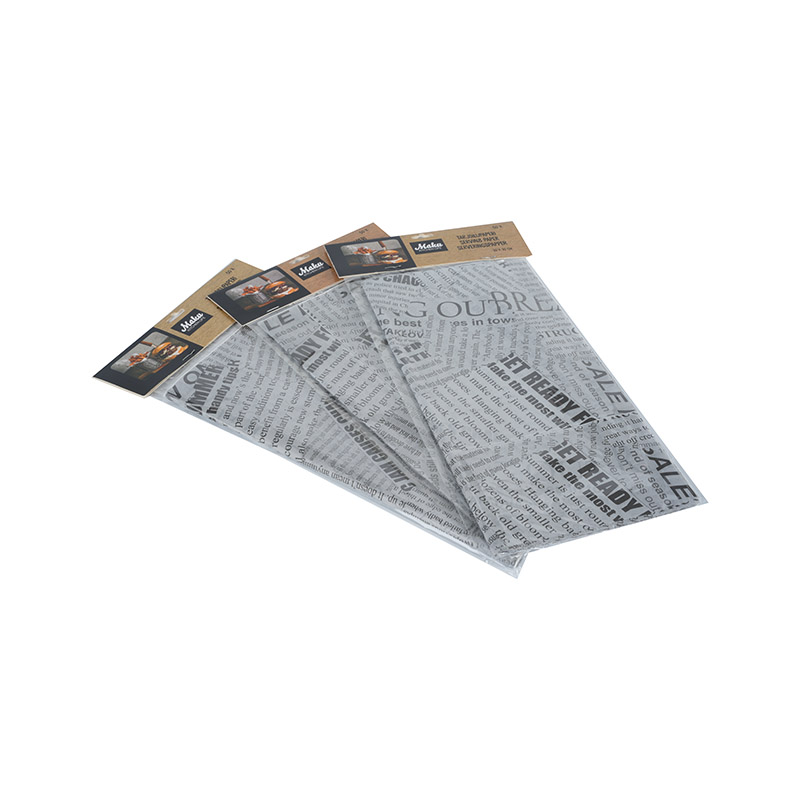
- Tray Liners: Used to line serving baskets or plates, providing a hygienic surface and enhancing the visual appeal of "street food" presentations.
- Muffin and Cupcake Liners: High-grade variants are formed into cups that retain their shape and resist fat migration during the baking process.
Greaseproof Paper vs. Alternatives
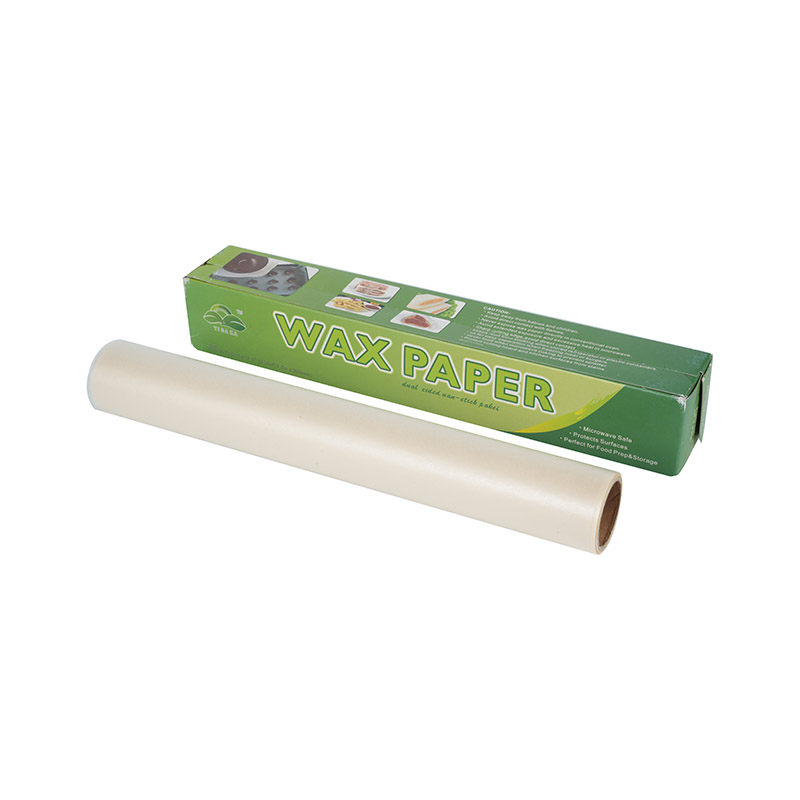
Choosing the correct paper is critical for both safety and performance. Many users confuse greaseproof paper with parchment or wax paper, but their technical specifications and heat tolerances differ significantly. The following table highlights these distinctions to help you make an informed choice for your kitchen or business.
| Feature | Greaseproof Paper | Parchment Paper | Wax Paper |
| Primary Coating | None (Fiber density) | Silicone | Paraffin or Soybean Wax |
| Max Temperature | 180°C - 200°C | 220°C - 230°C | Not Heat Resistant |
| Non-Stick Level | Moderate | Excellent | High (Cold use) |
| Best Use Case | Wrapping/Packaging | High-heat Baking | Cold Storage |
Sustainability and Environmental Benefits
In the current market, greaseproof paper has emerged as a preferred alternative to plastic-based wraps. Most greaseproof papers are manufactured from 100% virgin wood pulp, making them biodegradable and compostable. As global regulations tighten around single-use plastics and PFAS (forever chemicals), many manufacturers are shifting toward "fluorocarbon-free" production methods. These eco-friendly options allow businesses to reduce their environmental footprint while maintaining high standards of food hygiene.
Disposal and Composting Best Practices
While pure greaseproof paper is compostable, users should check for the presence of specialized coatings. Papers treated with silicone or high concentrations of synthetic resins may require industrial composting facilities. For home composting, unbleached and untreated greaseproof paper is the best choice, as it breaks down naturally without leaving harmful residues in the soil.
Storage and Handling for Longevity
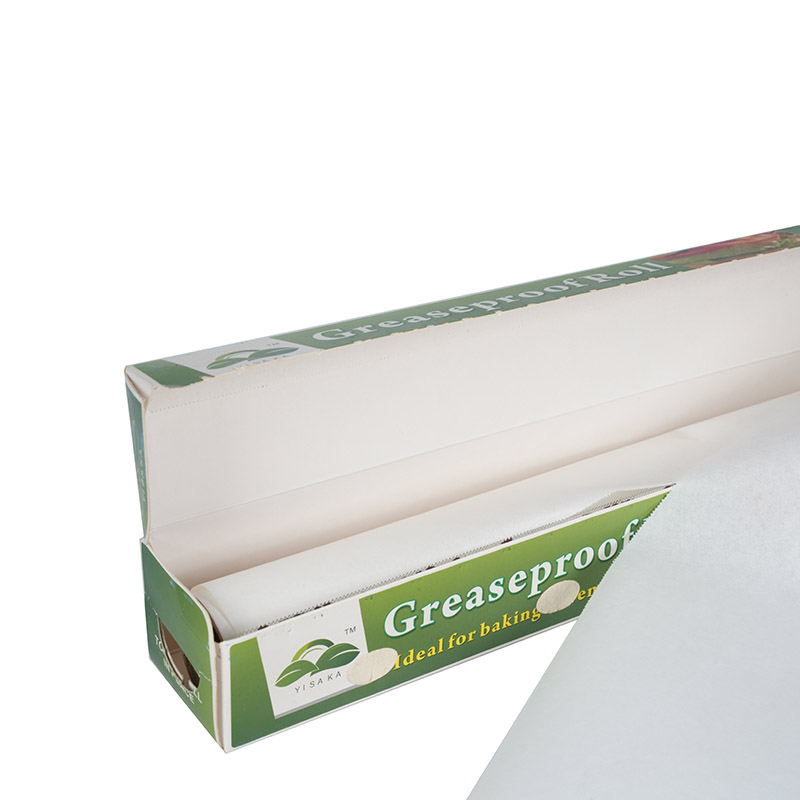
To maintain the efficacy of its grease-resistant barrier, greaseproof paper must be stored correctly. Exposure to high humidity or direct sunlight can degrade the cellulose structure over time. It is recommended to keep the paper in its original packaging or a dedicated dispenser in a cool, dry environment. When using the paper for microwave applications, ensure it does not come into direct contact with the heating elements, as the lack of a silicone coating makes it more susceptible to scorching than parchment paper.