 English
 русский
Content
Understanding the Composition and Safety of Parchment Paper
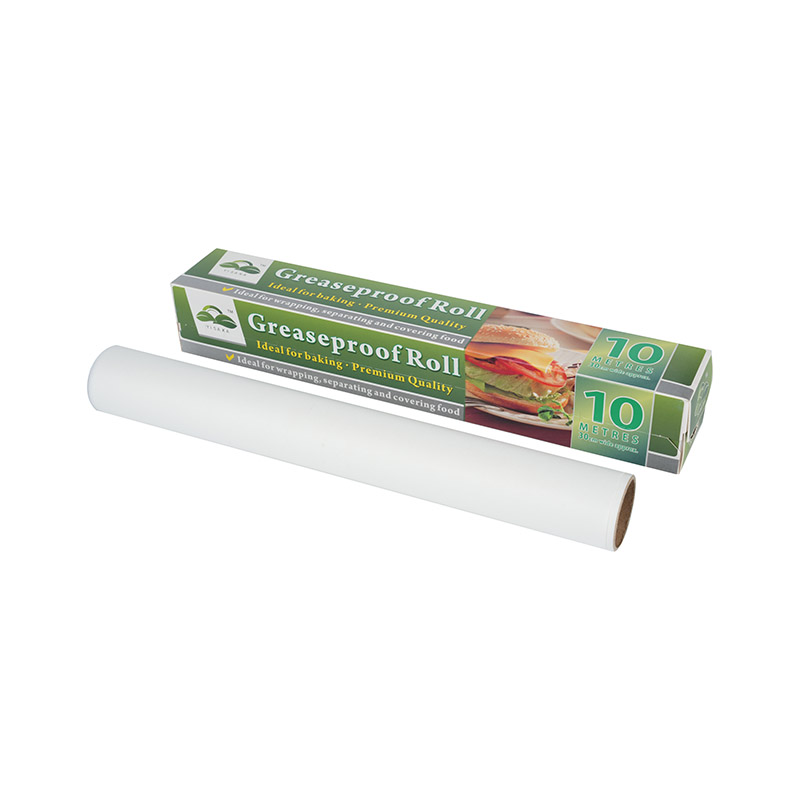
Parchment paper is a cellulose-based composite that has been processed through a sulfuric acid bath to give it unique properties such as high density, stability, and heat resistance. This process, known as parchmentizing, creates a "sulfurized" paper that is grease-resistant and remains strong even when wet. Most modern kitchen parchment is coated with a thin layer of silicone, a non-reactive polymer, which provides its signature non-stick surface. Unlike wax paper, which can melt or smoke in the oven, parchment paper is designed to withstand temperatures typically up to 425°F (218°C), making it an essential tool for high-heat roasting and baking.
Bleached vs. Unbleached Varieties
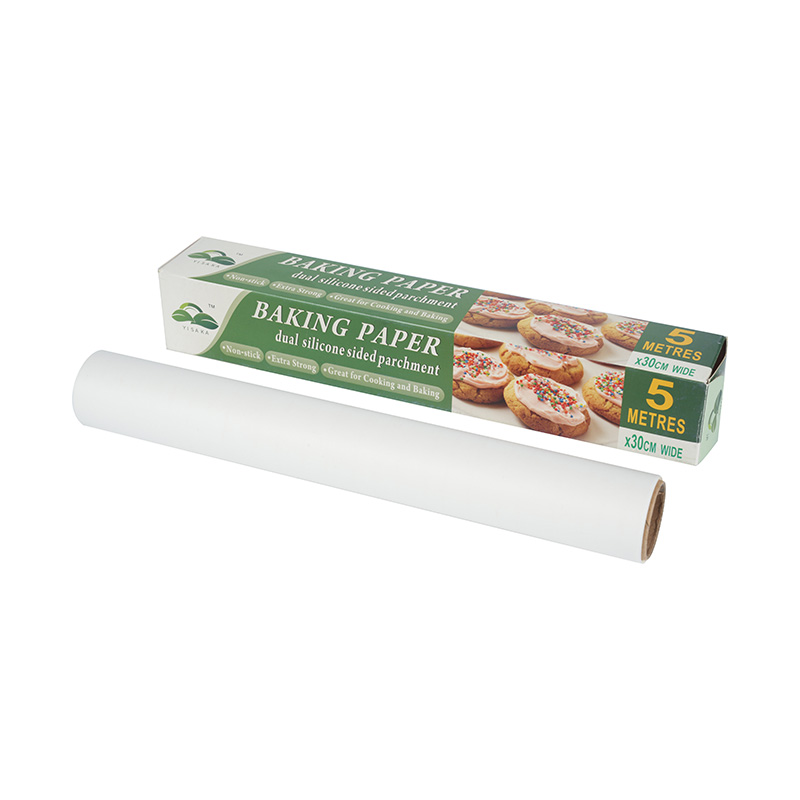
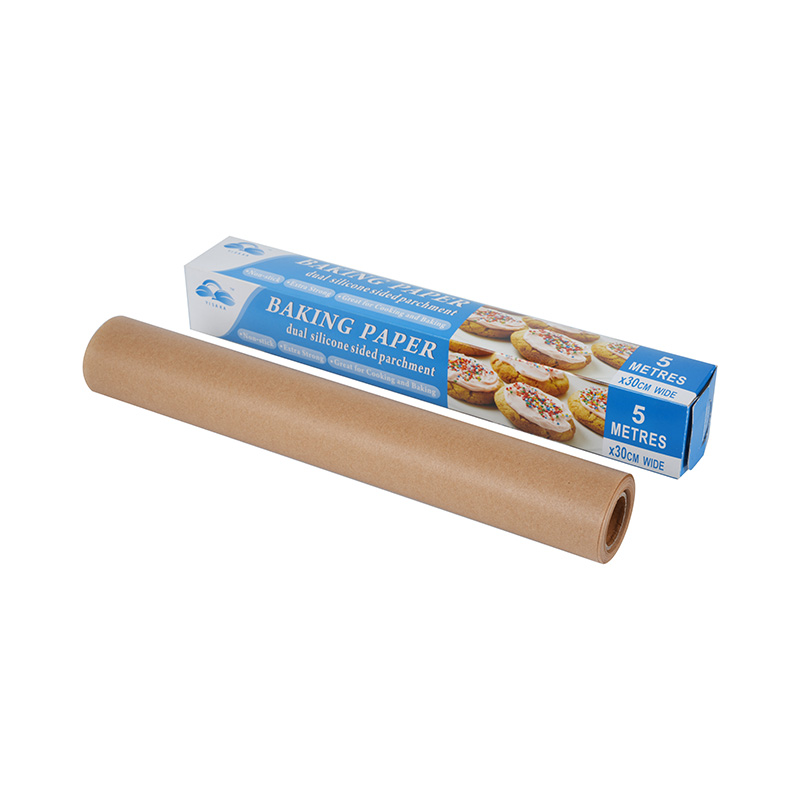
When selecting parchment paper, you will generally encounter two types: bleached (white) and unbleached (brown). Bleached parchment is treated with chlorine to achieve its bright white color, whereas unbleached parchment is totally chlorine-free and retains the natural color of wood pulp. While both perform identically in terms of heat resistance and non-stick capabilities, many professional bakers prefer unbleached parchment for its more eco-friendly manufacturing process and aesthetic, rustic appeal.
Essential Culinary Applications and Techniques
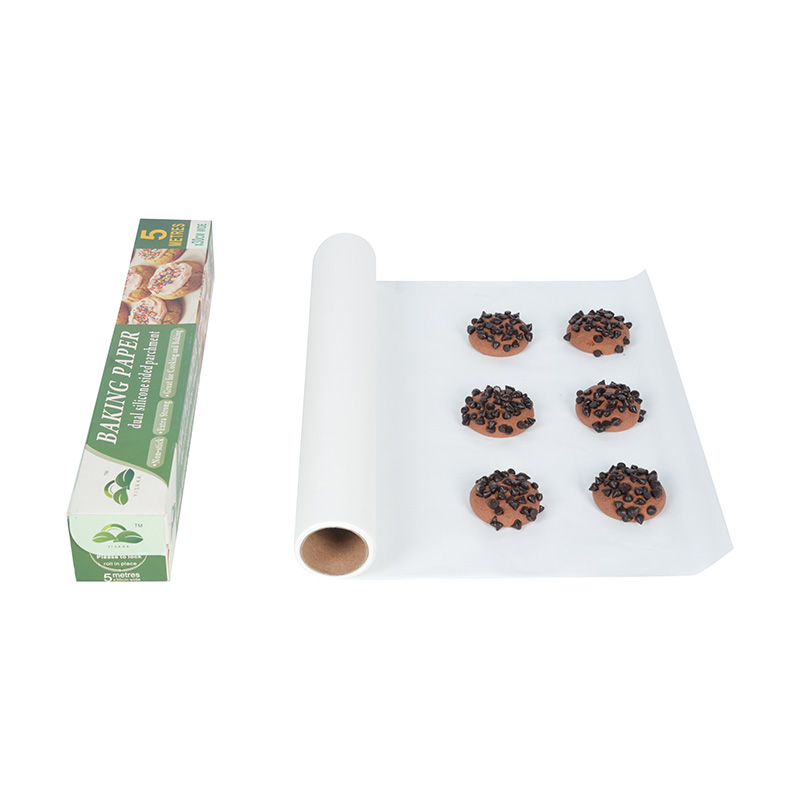
Parchment paper serves more functions than simply preventing cookies from sticking to a tray. It is a versatile medium that can be used for moisture-sensitive cooking techniques and organization. For instance, "En Papillote" is a French cooking method where fish, vegetables, and aromatics are folded into a parchment pouch. The paper traps steam, allowing the food to cook in its own juices, resulting in a healthy, tender, and intensely flavorful meal. Because parchment is porous enough to allow a tiny amount of moisture to escape compared to foil, it prevents the food from becoming soggy.
Creative Uses in the Kitchen
- DIY Pastry Bags: You can roll a triangle of parchment into a cone (a cornet) for precision icing and detailing on cakes.
- Countertop Protection: Laying down sheets when rolling out sticky dough or breading chicken makes cleanup instantaneous.
- Separating Frozen Goods: Placing small squares between burger patties or crepes prevents them from freezing into a single block.
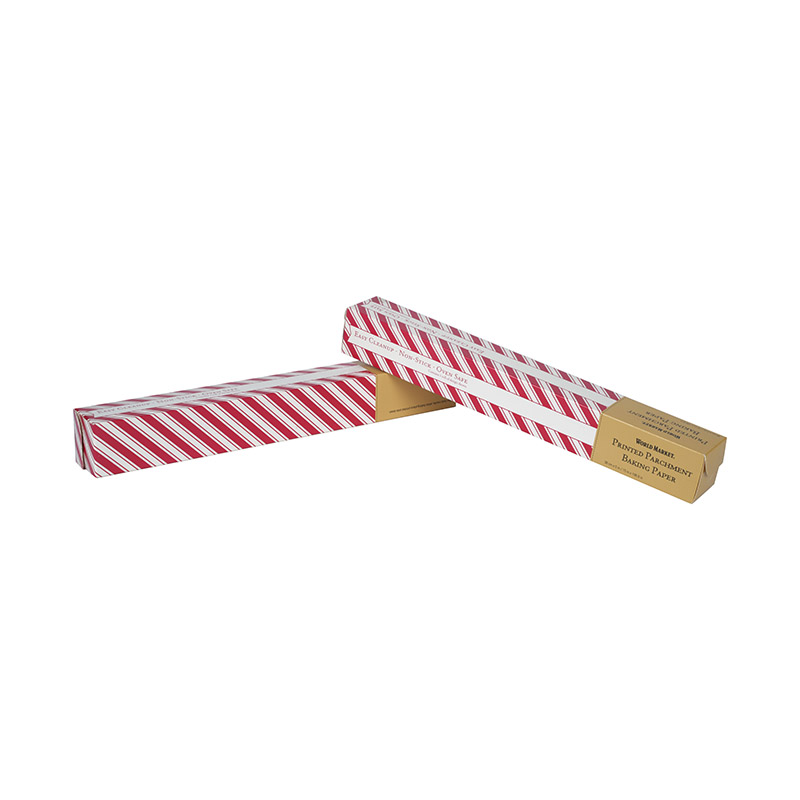
Comparing Parchment to Other Kitchen Liners
Choosing the right liner is critical for the success of your recipe. While aluminum foil, wax paper, and silicone mats are often found in the same drawer, they serve very different purposes. Parchment paper is the most "all-purpose" of the group, offering a balance of heat safety and non-stick convenience that others lack in specific scenarios. The following table highlights the key differences to help you choose the right tool for the job.
| Liner Type | Heat Resistance | Best Use Case |
| Parchment Paper | High (Up to 425°F) | Baking, Roasting, En Papillote |
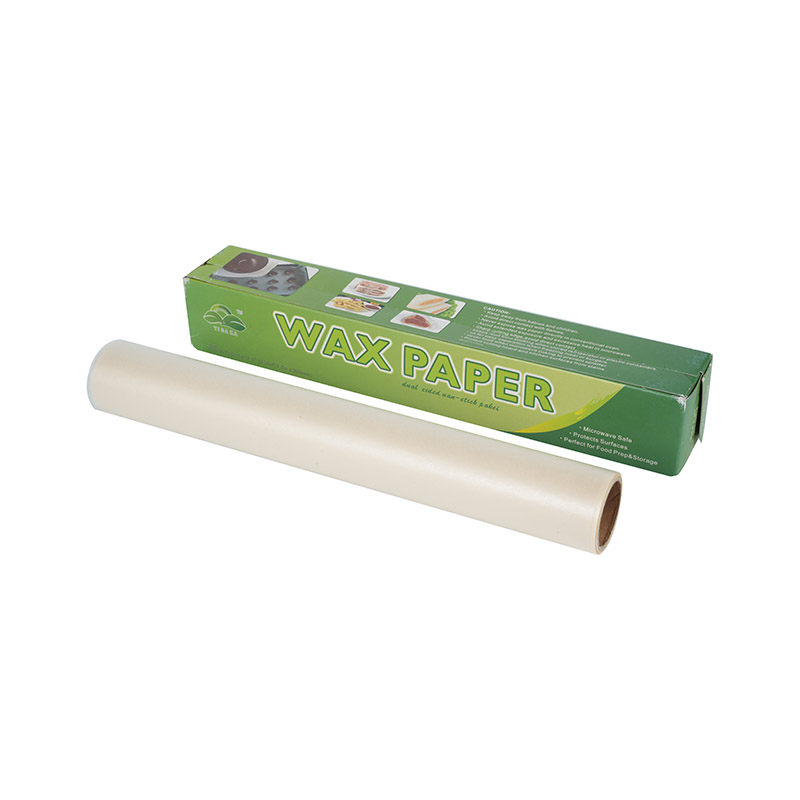
| Wax Paper | Low (Not Heat Safe) | Food storage, Messy prep work |
| Aluminum Foil | Very High | Grilling, Broiling, Covering dishes |
| Silicone Mat | High (Up to 480°F) | Sugar work, Reusable baking |
Maintenance and Sustainability Tips
To get the most out of your parchment paper, consider its reusability. If you are baking multiple batches of cookies, you can reuse the same sheet of parchment until it becomes dark or brittle. This reduces waste and saves money. Additionally, while parchment paper is not usually recyclable due to the silicone coating, many unbleached versions are compostable in industrial facilities. Always check the packaging for "certified compostable" labels if you are looking to minimize your environmental footprint.
Storage Best Practices
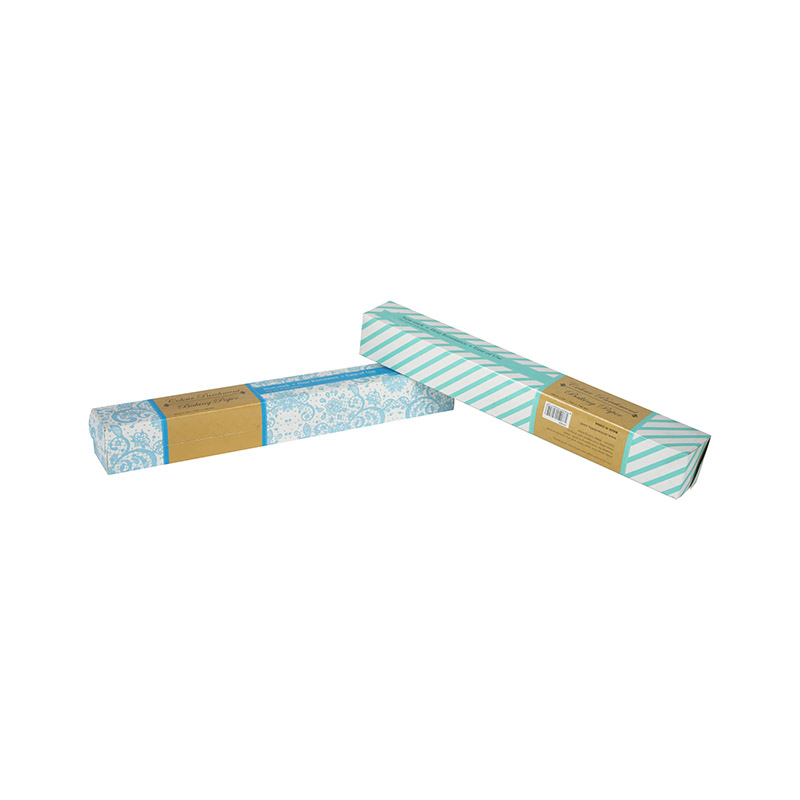
Keep your parchment paper in a cool, dry place. While it is water-resistant, prolonged exposure to high humidity can occasionally cause the edges of the roll to curl or the silicone coating to degrade over several years. For maximum convenience, consider purchasing pre-cut sheets that lay flat immediately, eliminating the frustration of the paper curling up while you are trying to grease a pan or portion out dough.