 English
 русский
Content
From Parchment to Silicone: The Materials that Save the Day
The humble baking pan liners are unsung heroes of the kitchen. These simple accessories prevent the tragic end of countless cookies, cakes, and loaves by eliminating sticking and making cleanup a breeze. But what are they actually made of, and how do they work their non-stick magic?
Traditional Powerhouse: Parchment Paper
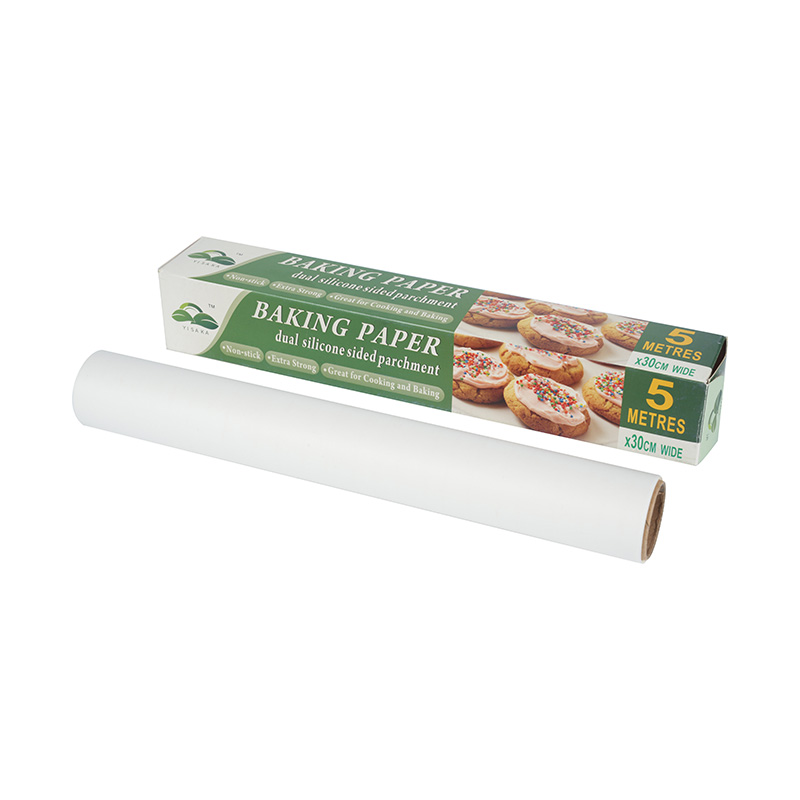
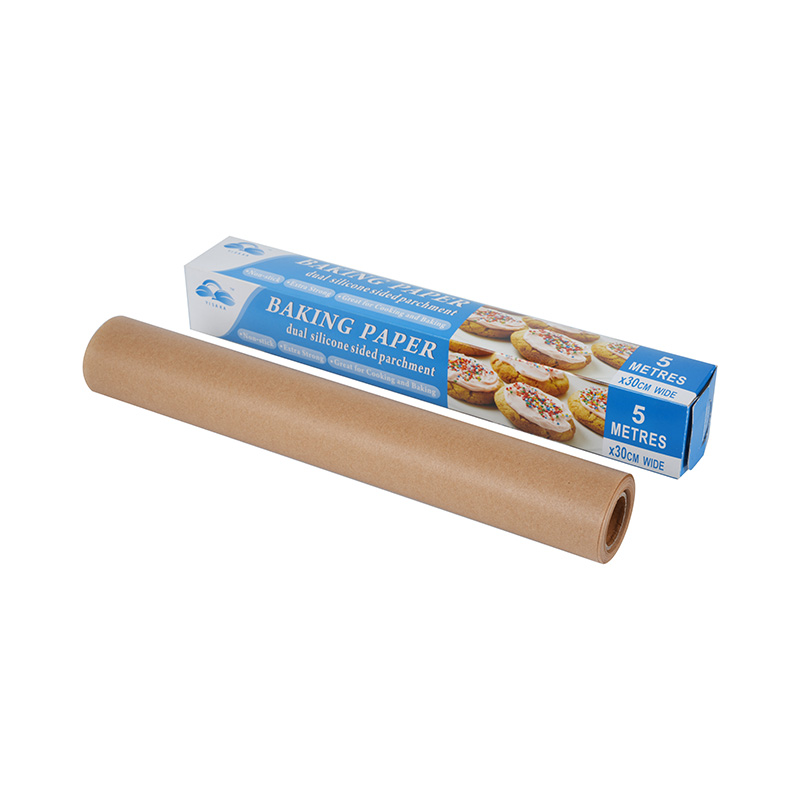
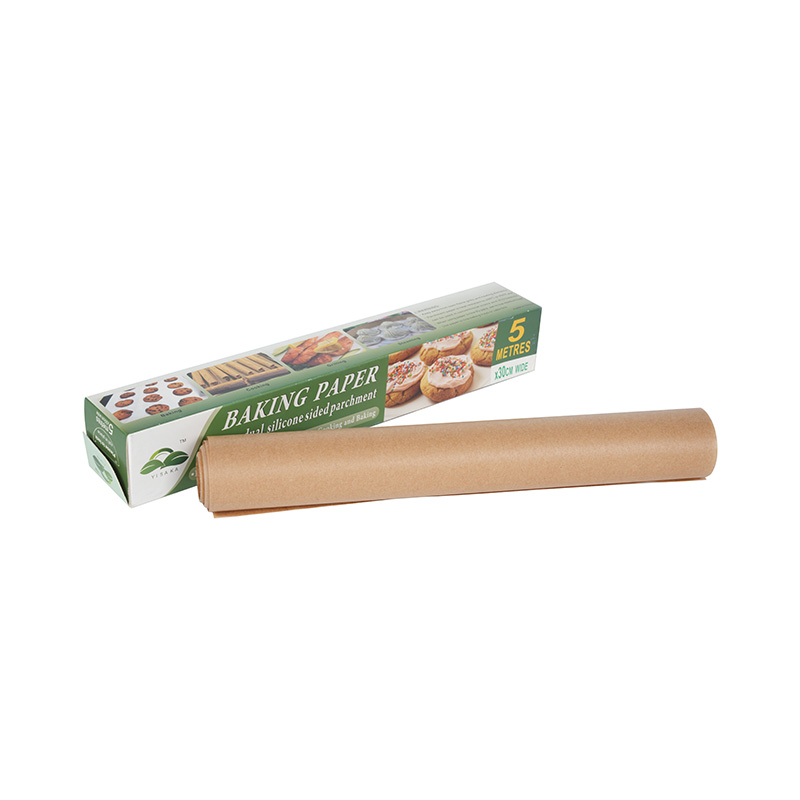
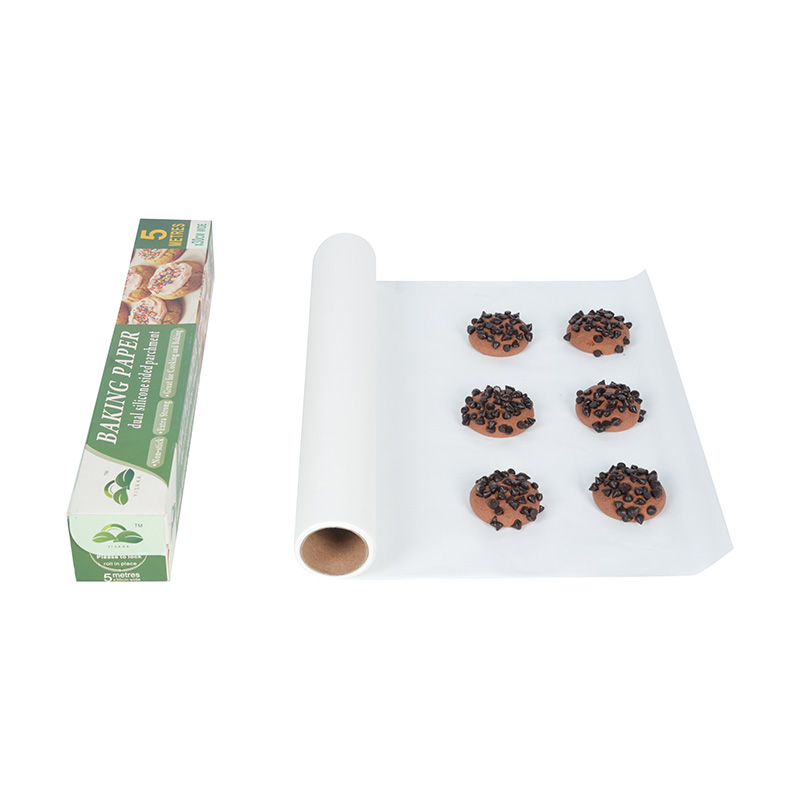
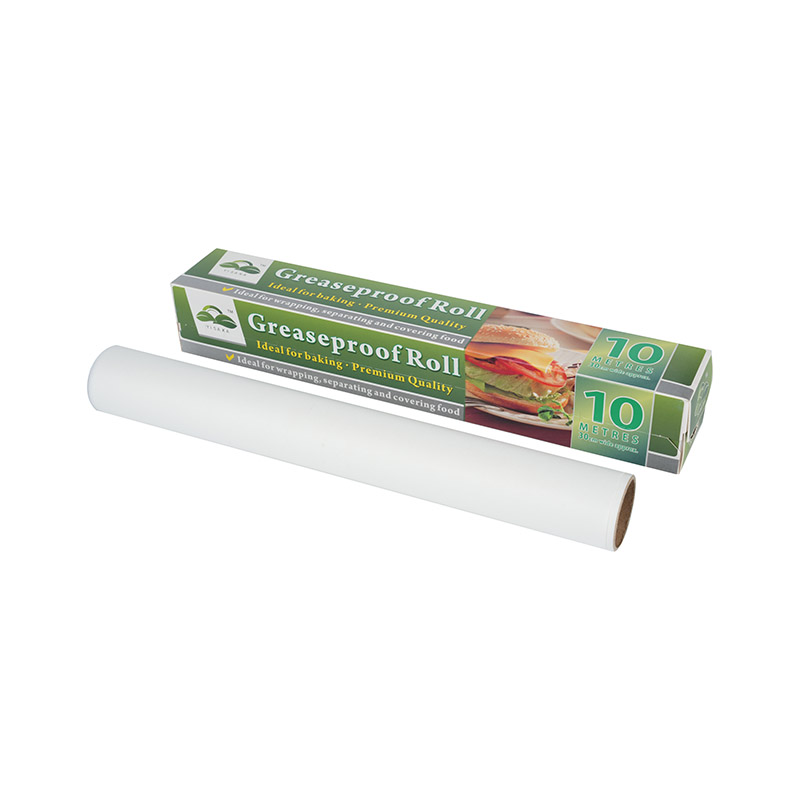
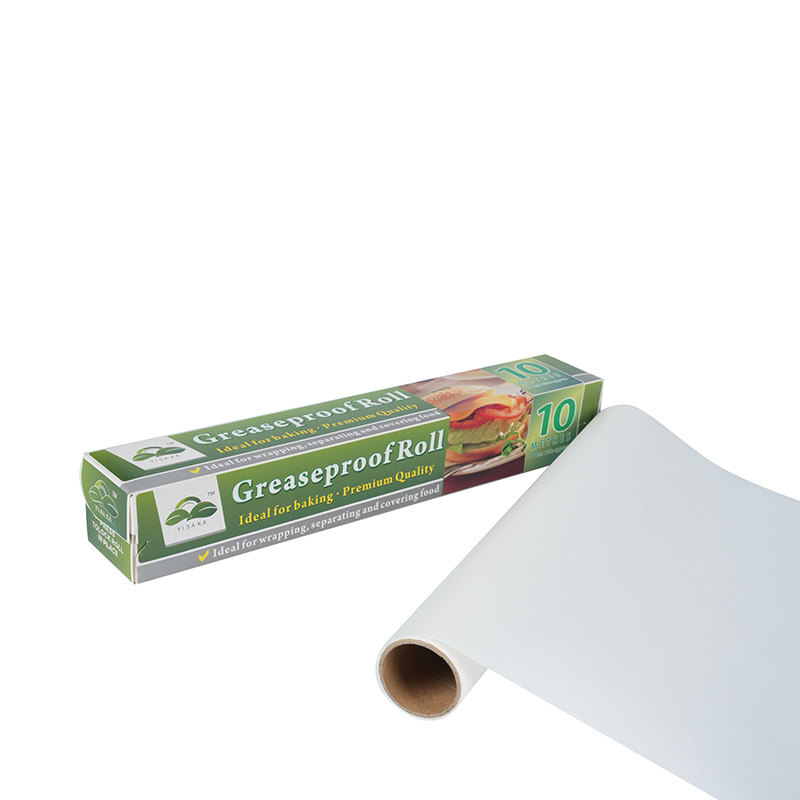
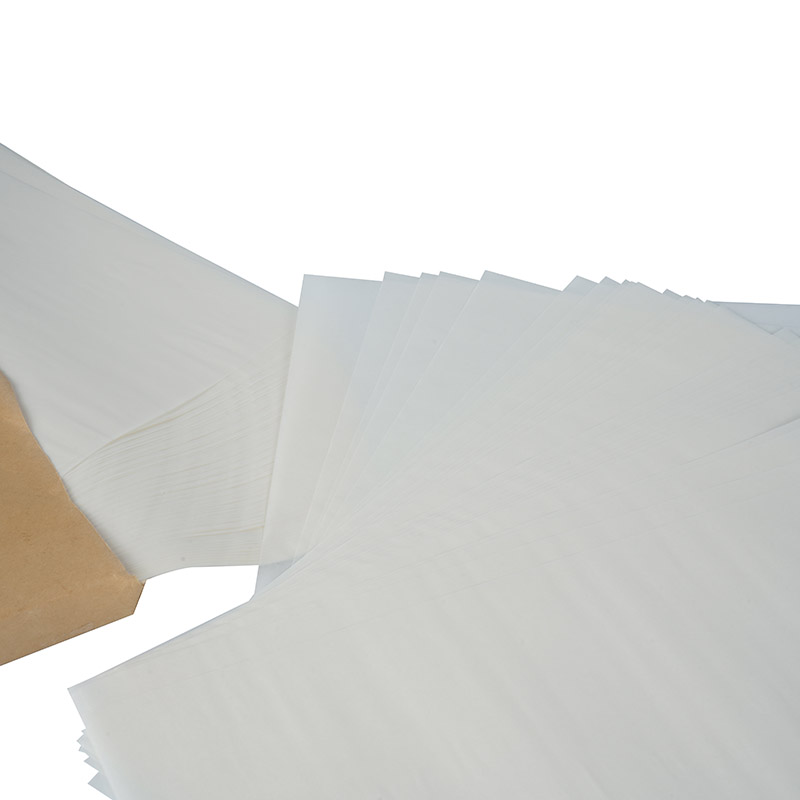
Parchment paper, often the go-to liner, is essentially paper that has been treated to give it its non-stick and heat-resistant properties. The most common treatment involves coating the paper with silicone.
- Silicone Coating: The silicone treatment creates a smooth, hydrophobic (water-repelling) surface. When you bake, the moist dough or batter is prevented from bonding directly with the metal surface of the pan. Instead, it interacts only with the stable, non-reactive silicone, which won’t chemically bond with the food proteins, ensuring an easy release.
- Heat Resistance: Parchment paper can safely handle typical oven temperatures up to about 420°F (215°C) without scorching, making it suitable for most baking projects.
The Modern Marvel: Silicone Baking Mats
Silicone baking mats, often known by the popular brand name Silpat, are reusable alternatives to paper liners. They represent a more advanced step in non-stick technology.
- Composition: These mats are made of food-grade silicone, often reinforced with a woven fiberglass mesh. The fiberglass core provides stability and helps to distribute heat evenly, which is crucial for uniform baking.
- The Polymer Science: Silicone is a synthetic polymer, a chain of alternating silicon and oxygen atoms, which gives it incredible flexibility, heat resistance, and a naturally low-friction surface. Unlike parchment, which relies on a coating, the entire mat is the non-stick material, offering superior durability.
- Temperature Extremes: Silicone mats can typically withstand temperatures ranging from freezer cold to over 500°F (260°C), making them versatile for everything from freezing dough to high-temperature roasting.
Beyond Non-Stick: How Liners Influence Baking Chemistry
Baking pan liners do more than just prevent sticking; they actively influence the final texture and structure of the baked good by subtly altering the heat transfer process.
Heat Regulation and Browning
When you place a batter directly into a metal pan, the sides and bottom receive heat intensely and quickly through direct conduction. This rapid heating can sometimes lead to a thick, dark, or hard crust.
- Parchment’s Buffering Effect: Parchment paper creates a thin barrier of trapped air between the food and the pan. This layer acts as a gentle insulator, slightly slowing down the transfer of heat. The result is often a more tender, less aggressively browned crust on the bottom and sides of cakes and bread.
- Silicone Mat’s Even Distribution: The fiberglass-reinforced silicone mat is designed to distribute heat more smoothly and evenly across the bottom surface. This can prevent hot spots and contribute to consistent rise and uniform browning, making them a favorite for delicate cookies and macarons.
Clean-Up and Sustainability
While a fascinating dive into polymer chemistry, the most practical benefit of baking pan liners remains the simple, mess-free experience.
- Eliminating Grease: Using a liner drastically reduces, or completely eliminates, the need to grease the pan with butter or cooking spray, which not only saves time but also reduces the amount of added fat in the recipe.
- A Sustainable Choice: Reusable silicone mats are an excellent eco-friendly option. A single mat can replace hundreds of sheets of disposable parchment paper, contributing to a more sustainable kitchen.
Whether you’re reaching for a disposable sheet of parchment or a durable silicone mat, understanding the science behind these essential baking pan liners reveals why they are a must-have for achieving perfectly baked goods every time.