 English
 русский
Content
- 1 Why Choosing the Right Sandwich Wrap Matters More Than You Think
- 2 Common Types of Sandwich Wrap Materials
- 3 How Sandwich Wrap Affects Freshness and Food Quality
- 4 Sandwich Wrap for Food Businesses: Branding and Practical Considerations
- 5 Tips for Wrapping Sandwiches Properly at Home or on the Job
- 6 Eco-Friendly Sandwich Wrap Alternatives Worth Considering
- 7 Final Thoughts on Picking the Best Sandwich Wrap
Why Choosing the Right Sandwich Wrap Matters More Than You Think
Whether you run a busy deli counter, a food truck, or a home kitchen meal prep routine, the sandwich wrap you use plays a bigger role than most people realize. A good sandwich wrap keeps bread from getting soggy, holds fillings in place, and helps maintain freshness whether the sandwich is eaten in five minutes or packed for a lunch several hours later. On the flip side, a poor quality wrap can lead to leaking sauces, stale bread, and a messy eating experience that leaves customers unhappy.
For food businesses, sandwich wrap choice also ties directly into branding, sustainability goals, and cost control. With so many materials and styles available, from simple wax paper to printed custom wraps, understanding the practical differences can help both home cooks and food service operators make a smarter choice for their specific needs.
Common Types of Sandwich Wrap Materials
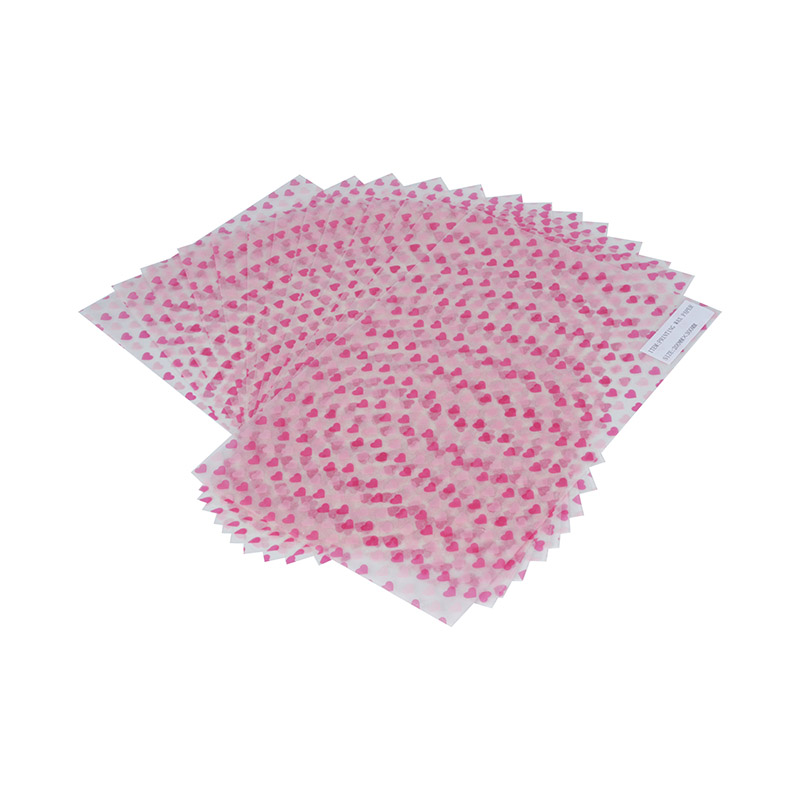
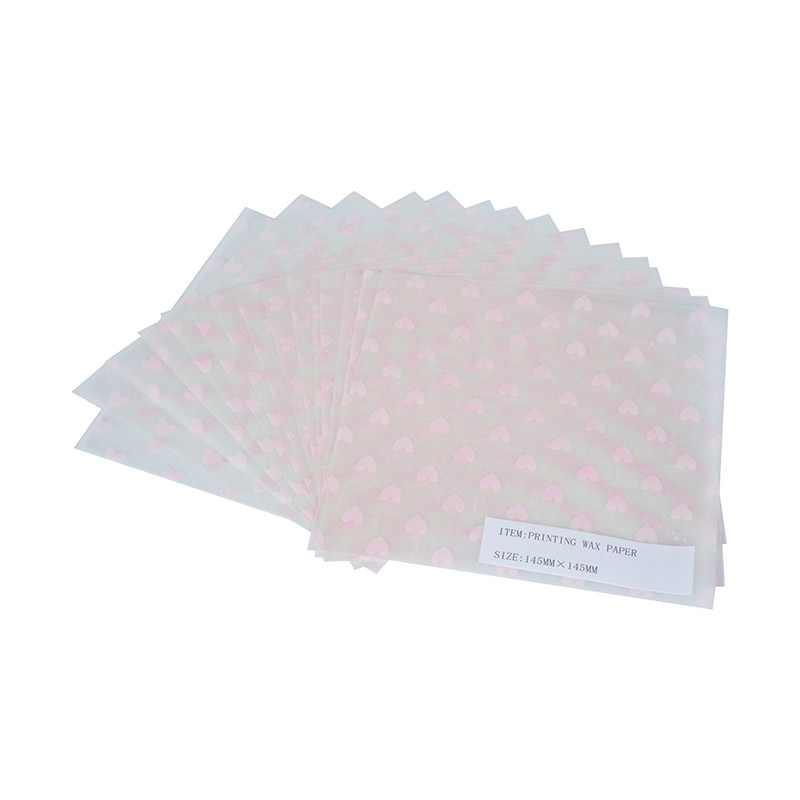
Not all sandwich wraps are built the same way, and the material you choose affects grease resistance, moisture control, and overall presentation. Here is a breakdown of the most widely used options.
| Material | Best For | Grease Resistance |
| Wax paper wrap | Cold sandwiches, quick service | Moderate |
| Grease-resistant paper | Hot sandwiches, burgers, wraps | Excellent |
| Foil-lined paper | Hot subs, grilled sandwiches | Excellent |
| Parchment paper wrap | Bakery items, delicate fillings | Good |
| Compostable film wrap | Eco-conscious food businesses | Moderate to Good |
Many delis and sandwich shops actually use different sandwich wrap materials depending on the specific menu item, reserving grease-resistant or foil-lined options for hot sandwiches while using lighter wax paper for cold options like a simple turkey and cheese on wheat.
How Sandwich Wrap Affects Freshness and Food Quality
Moisture Control
One of the biggest challenges with any sandwich wrap is managing moisture without letting bread go soggy. Wraps that are too airtight can trap steam and condensation, especially with hot fillings, leading to a mushy texture within just a short time. Materials with slight breathability, like wax paper, tend to perform better for sandwiches that will sit for a while before being eaten.
Grease and Sauce Containment
Sandwiches with sauces, dressings, or naturally oily ingredients need a sandwich wrap with strong grease resistance to prevent leaks and stains. Grease-resistant paper and foil-lined wraps are specifically designed to handle this challenge, making them a smart choice for items like cheesesteaks, meatball subs, or anything dripping with sauce.
Temperature Retention
For hot sandwiches meant to be eaten shortly after preparation, a foil-lined sandwich wrap helps retain heat longer than plain paper alternatives. This is particularly useful for food trucks and delivery services where a sandwich might travel a short distance before reaching the customer, and keeping it warm is part of the overall experience.
Sandwich Wrap for Food Businesses: Branding and Practical Considerations
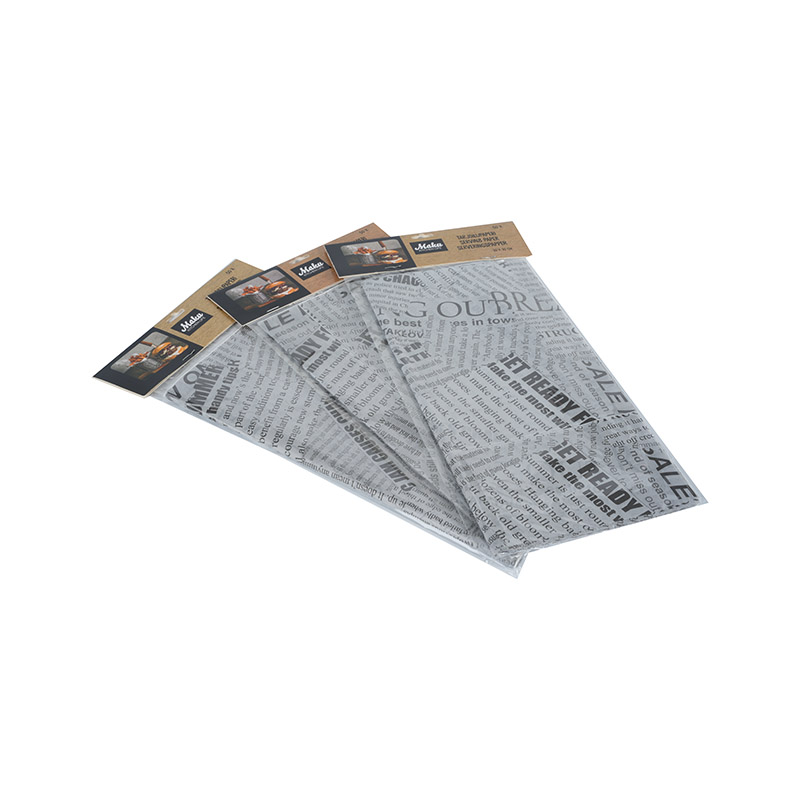
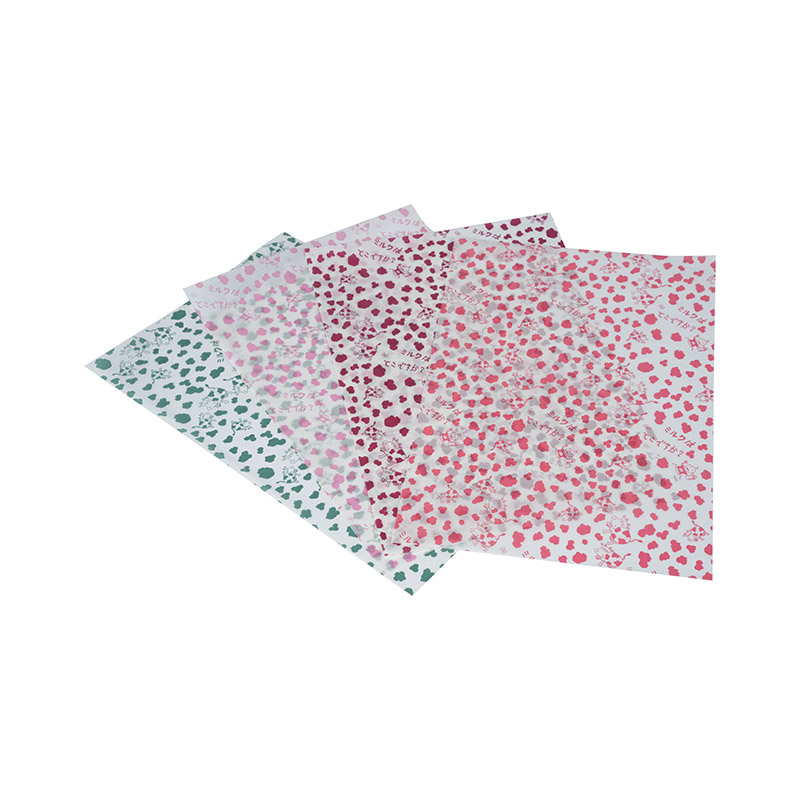
For sandwich shops, cafes, and delis, packaging is not just functional, it is also an opportunity for branding. Many businesses now use custom printed sandwich wrap featuring their logo, colors, or a simple tagline, turning a basic wrapping material into a small marketing tool that customers see every time they unwrap their meal.
- Custom printed wraps help reinforce brand recognition and can be shared on social media through customer photos
- Choosing a consistent wrap size across menu items simplifies inventory and reduces waste from oversized packaging
- Bulk purchasing sandwich wrap in standard sizes usually lowers per-unit cost compared to specialty or custom orders
- Offering compostable or recyclable wrap options can appeal to environmentally conscious customers
- Providing clear labeling space on the wrap helps staff quickly identify different sandwich types during busy service
Small details like wrap color coding for different sandwich varieties can also speed up order accuracy during high-volume lunch rushes, reducing mix-ups between similar-looking orders.
Tips for Wrapping Sandwiches Properly at Home or on the Job
Use the Right Wrapping Technique
A common method for wrapping sandwiches involves placing the sandwich diagonally on the wrap, folding in the sides first, then rolling from one corner to the other to create a secure, tight seal. This technique works well for both paper and foil-lined sandwich wrap, keeping fillings contained even when the sandwich is stacked or transported in a bag.
Let Hot Ingredients Cool Slightly Before Wrapping
Wrapping a sandwich immediately after adding hot ingredients can trap excess steam inside the wrap, accelerating sogginess. Allowing hot fillings to cool for just a minute or two before wrapping helps reduce condensation buildup, keeping the bread texture better preserved until it is time to eat.
Separate Wet Ingredients When Packing Ahead
For meal prep or sandwiches made well in advance, keeping sauces, dressings, or juicy tomatoes separate until just before eating can prevent the sandwich wrap from becoming saturated. Some people use small parchment paper barriers inside the wrap to keep wetter ingredients away from the bread until serving time.
Eco-Friendly Sandwich Wrap Alternatives Worth Considering
As more consumers look for sustainable packaging options, several eco-friendly sandwich wrap alternatives have gained popularity in recent years.
- Beeswax wraps, which are reusable and popular for home use, though not suitable for hot foods
- Compostable plant-based film wraps designed to break down faster than traditional plastic
- Recycled kraft paper wraps that reduce reliance on virgin paper materials
- Reusable cloth sandwich wraps with hook and loop closures for zero-waste lunch packing
Switching to an eco-friendly sandwich wrap option can be a meaningful step for both households and businesses looking to reduce single-use packaging waste without sacrificing convenience.
Final Thoughts on Picking the Best Sandwich Wrap
The right sandwich wrap depends on what you are packing, how long it needs to stay fresh, and whether branding or sustainability matter for your specific situation. Hot, saucy sandwiches generally call for grease-resistant or foil-lined options, while simpler cold sandwiches often do just fine with basic wax paper. By matching your wrap material to the sandwich type and considering practical factors like moisture control and presentation, you can keep every sandwich tasting fresh and looking great from the moment it is wrapped to the moment it is unwrapped.