 English
 русский
Content
What a Pan Liner Actually Does
A pan liner is a thin sheet of paper or material placed inside a baking pan, sheet tray, or roasting dish to create a barrier between the food and the metal surface. Its main job is to stop food from sticking, prevent grease and juices from soaking directly into the pan, and make cleanup a matter of tossing the liner instead of scrubbing burnt residue for ten minutes. In both home kitchens and commercial bakeries, pan liners have become a quiet workhorse tool because they save time, protect equipment, and keep food from picking up metallic flavors during long bakes.
Beyond convenience, a good pan liner also helps with even heat distribution. Some liners are designed to diffuse heat slightly, which reduces the chance of a scorched bottom crust on cookies, cakes, or roasted vegetables. This is one reason professional kitchens rely on liners not just for easy cleanup, but as an actual part of getting consistent baking results across large batches.
The Main Types of Pan Liners and When to Use Them
Not all pan liners are built the same, and picking the wrong one for the job can lead to sticking, smoking, or a liner that tears apart mid-bake. Here's a breakdown of the most common types found in kitchens today.
Parchment Paper Liners
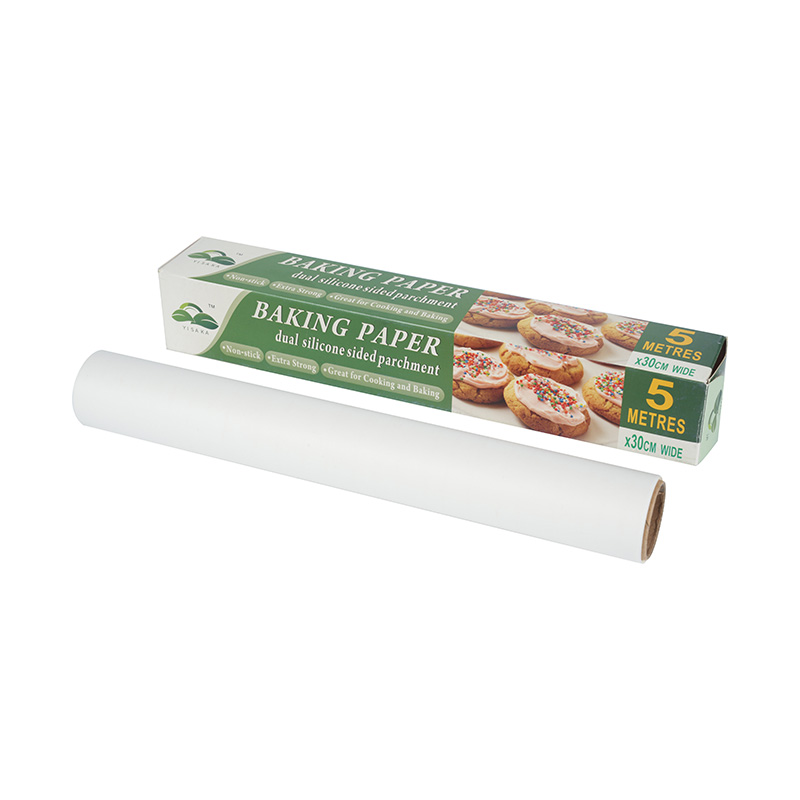
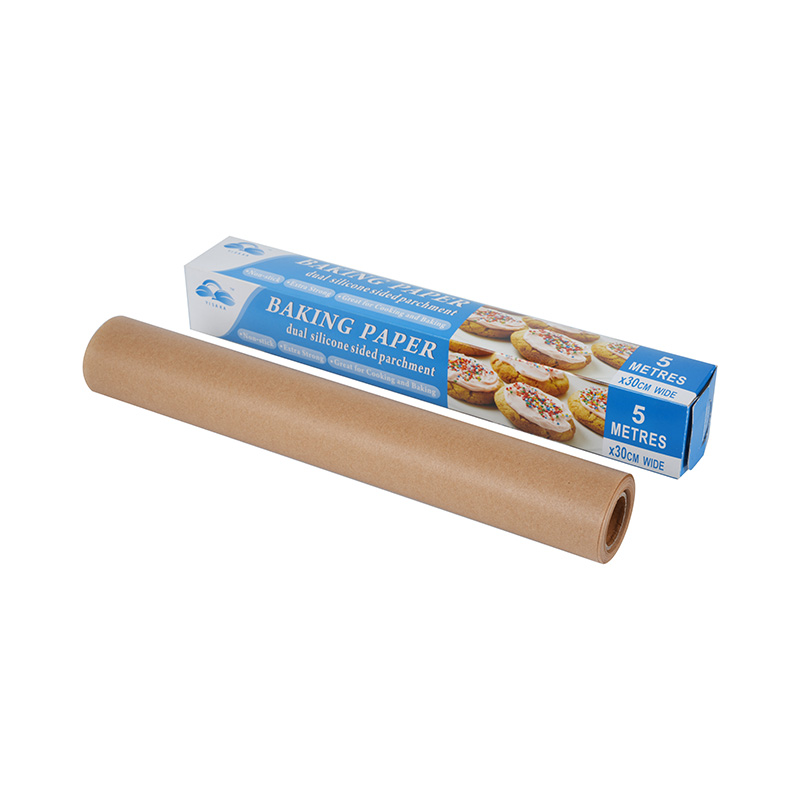
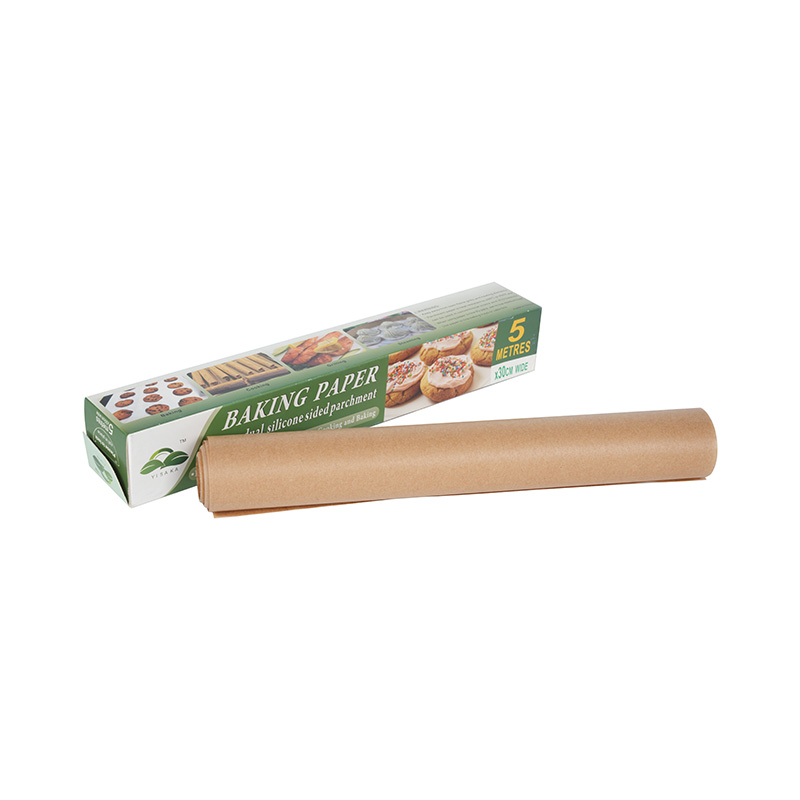
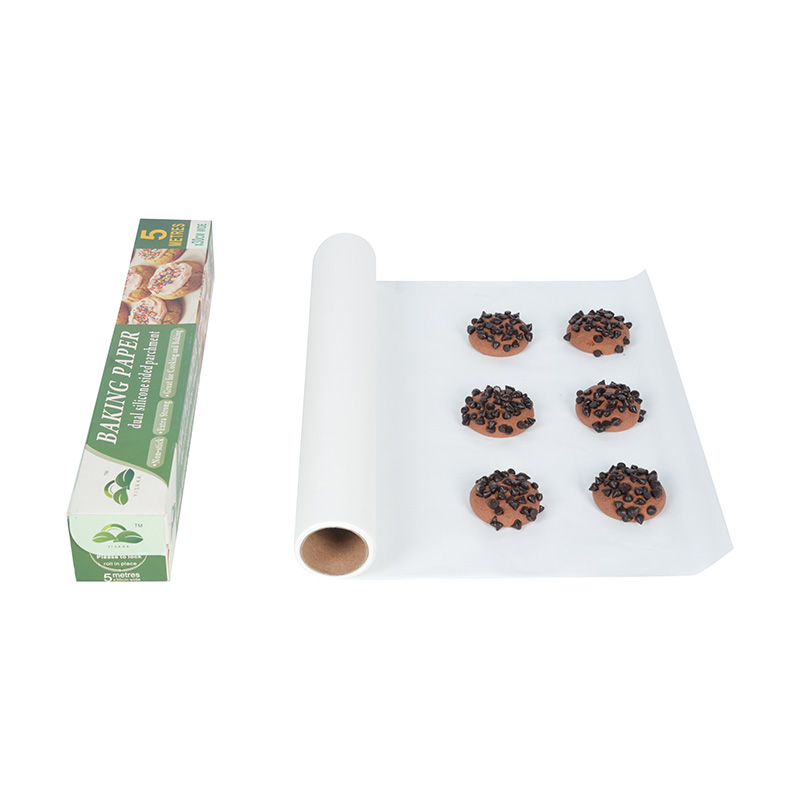
Parchment is coated with silicone, which gives it a natural non-stick surface and lets it handle oven temperatures up to around 420°F to 450°F depending on the brand. It's the go-to choice for cookies, cakes, and roasted vegetables because it's affordable, widely available, and safe for direct food contact without any extra prep.
Silicone Baking Mats
These are reusable liners made from fiberglass mesh coated in food-grade silicone. They're a favorite among home bakers who want to cut down on disposable waste, since a single mat can be washed and reused hundreds of times. The tradeoff is a higher upfront cost and the need to hand wash them carefully to avoid tearing the fiberglass core.
Aluminum Foil Liners
Foil is more heat-resistant than parchment and works well for high-temperature roasting or grilling applications, but it doesn't have a natural non-stick coating, so foods like cheese or sticky glazes can bond to the surface unless a light coat of oil is added first.
Grease-Resistant Pan Liner Sheets
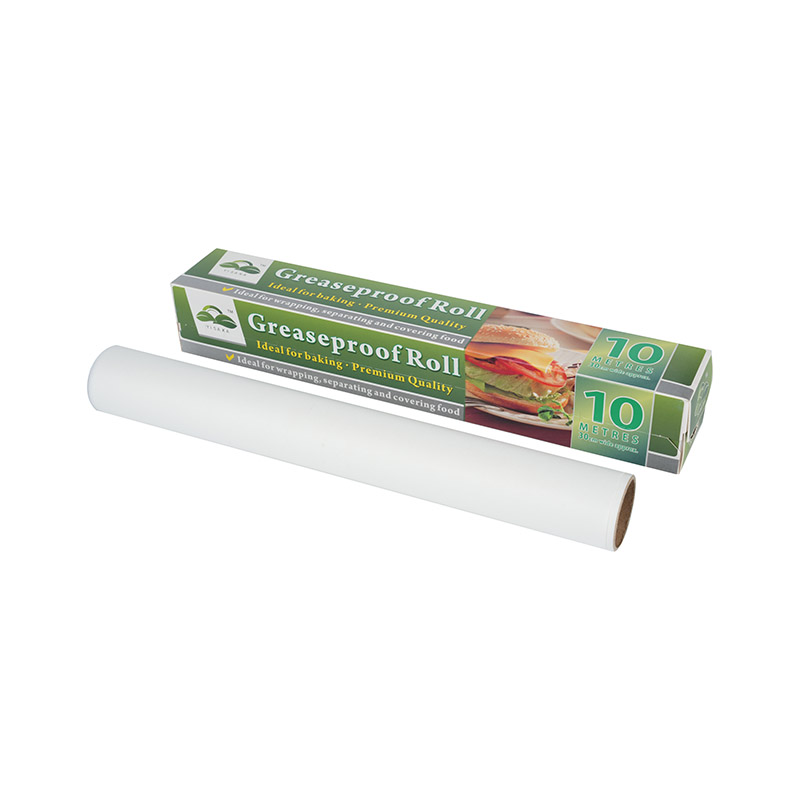
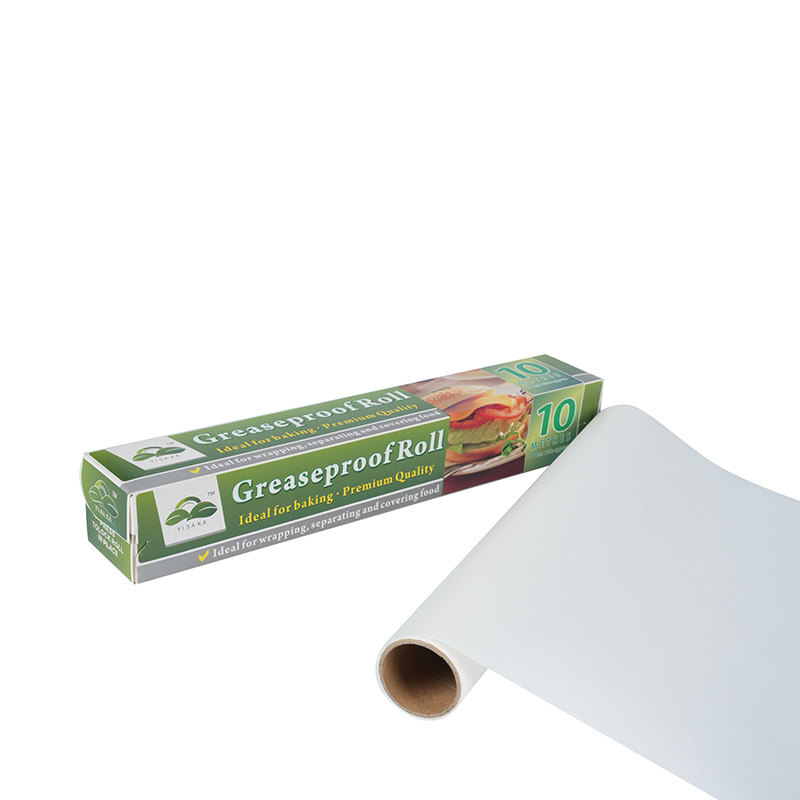
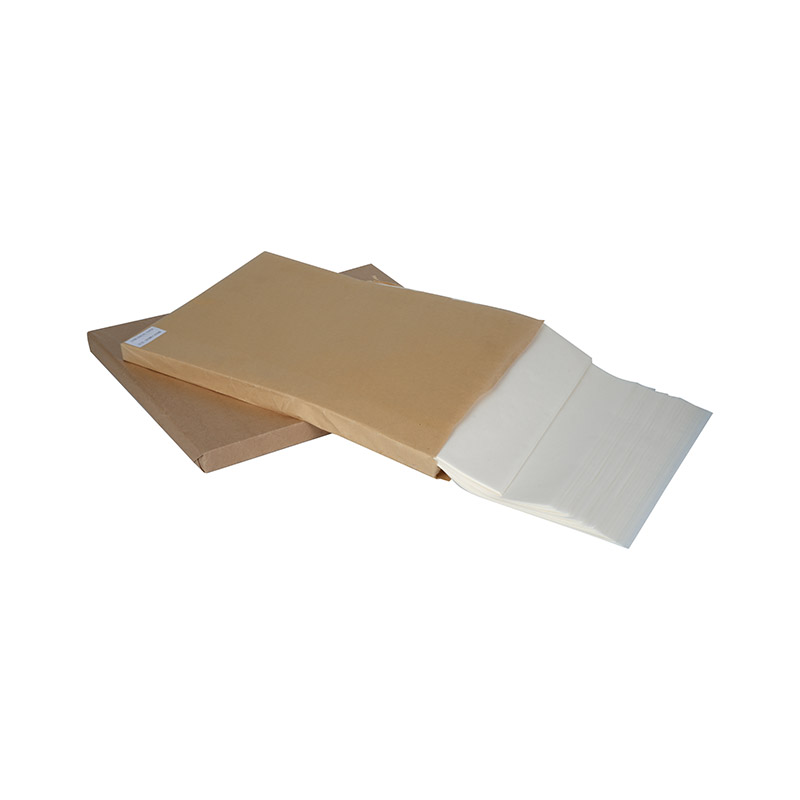
These are commonly used in commercial bakeries and fast food kitchens. They're pre-cut to fit standard sheet pan sizes and are treated to resist oil soak-through, which matters a lot when lining pans for items like bacon, fried chicken, or pizza that release a lot of fat during cooking.
Comparing Pan Liner Materials at a Glance
If you're deciding which liner fits your needs, this table lays out the practical differences side by side so you don't have to guess based on packaging alone.
| Liner Type | Max Heat Tolerance | Reusable | Best Use |
| Parchment Paper | Around 420°F to 450°F | No | Cookies, cakes, roasted vegetables |
| Silicone Baking Mat | Around 480°F to 500°F | Yes | Repeat baking, macarons, pastries |
| Aluminum Foil | Over 500°F | No | High-heat roasting, grilling |
| Grease-Resistant Sheets | Around 425°F to 450°F | No | Commercial baking, fried or greasy foods |
How to Choose the Right Pan Liner for Your Kitchen
Picking a pan liner isn't just about grabbing whatever's on the shelf. A few practical questions can help narrow down the right choice for your specific cooking habits and volume.
- Check the maximum temperature rating against your typical recipes, since a liner rated below your oven setting can scorch or smoke.
- Consider how often you bake; frequent bakers often save money long-term with a reusable silicone mat instead of buying disposable sheets weekly.
- Match the liner to the food type, using grease-resistant sheets for fatty foods and parchment for delicate items like cookies or fish.
- Look for pre-cut sizes that match your standard pan dimensions to avoid folding or trimming liners by hand every time.
- If sustainability matters to you, prioritize unbleached parchment or reusable silicone mats over foil or coated disposable sheets.
Taking a minute to match the liner to the job prevents common frustrations like liners curling up during baking, smoke from overheated coatings, or food sticking despite using a liner in the first place.
Common Mistakes People Make When Using Pan Liners
Even with the right liner in hand, small mistakes in how it's used can cancel out its benefits. These are the most frequent issues seen in both home and commercial kitchens.
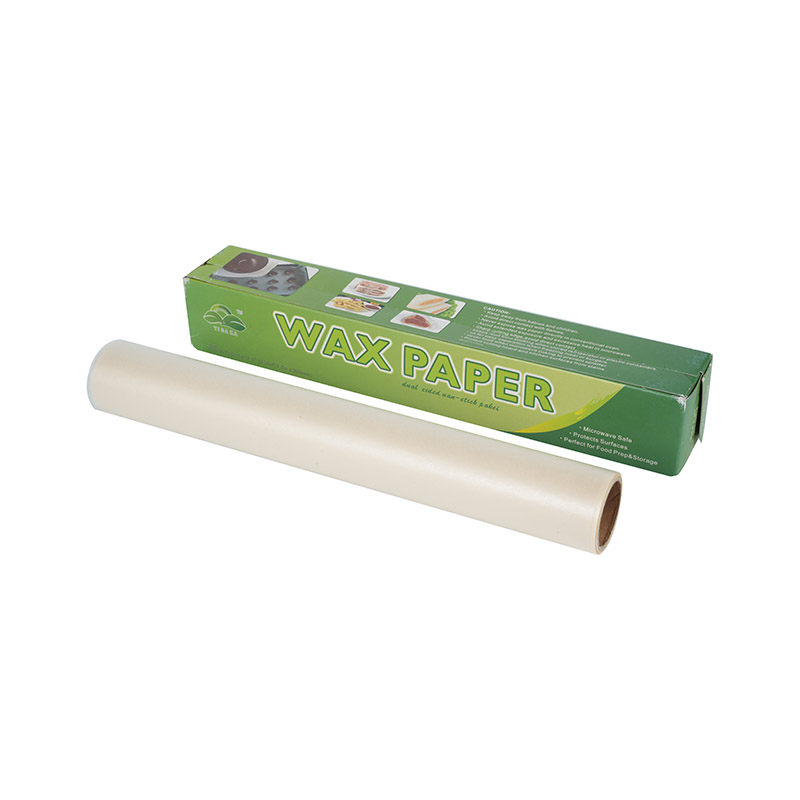
- Using wax paper instead of parchment paper in the oven, which can melt or catch fire since wax paper isn't heat-treated for baking.
- Cutting liners too small, leaving pan edges exposed where grease and batter can still leak through and stick.
- Reusing disposable liners multiple times, which weakens their grease resistance and non-stick performance with each use.
- Stacking silicone mats without letting them cool first, which can warp the material over time.
- Ignoring manufacturer heat limits, especially with broiler settings that can exceed a liner's safe temperature range quickly.
Avoiding these mistakes keeps both your food and your bakeware in better shape, and it means the liner actually does the job it was bought for instead of creating a new mess to clean up.
Storing and Handling Pan Liners for Best Results
Proper storage keeps pan liners performing well and prevents waste from damaged rolls or sheets. Store parchment and grease-resistant paper rolls in a cool, dry drawer away from direct heat sources like the stovetop, since heat exposure can make the paper brittle and prone to tearing when unrolled. Silicone mats should be stored flat or loosely rolled rather than folded, as sharp creases can weaken the material over time and create lines where cracking eventually starts. For commercial kitchens going through liners daily, keeping a dedicated storage bin near the baking station cuts down on wasted time hunting for supplies during busy service hours.