 English
 русский
As consumers and regulators pay closer attention to what touches the food we eat, candy manufacturers are increasingly rethinking the materials used to wrap their products. Virgin wood pulp candy wrap has emerged as a preferred packaging material for confectionery brands that want a food-safe, printable, and often more sustainable alternative to conventional plastic film. Made from freshly processed wood fibers rather than recycled paper stock, this type of wrap offers a distinct combination of purity, strength, and versatility that makes it well suited for direct contact with candies, chocolates, and other individually wrapped sweets. This article takes a closer look at what virgin wood pulp candy wrap is made of, why it's gaining popularity, and what manufacturers should consider when selecting it for their packaging line.
Content
- 1 What Is Virgin Wood Pulp Candy Wrap Made Of
- 2 Why Candy Manufacturers Choose Virgin Wood Pulp Wrap Over Alternatives
- 3 Food Safety Advantages of Virgin Pulp Packaging
- 4 Common Types of Candy Wrapped Using Virgin Wood Pulp Paper
- 5 Virgin Wood Pulp Wrap vs Recycled Paper vs Plastic Film
- 6 Key Considerations When Sourcing Virgin Wood Pulp Candy Wrap
- 7 Sustainability Considerations for Brands Making the Switch
What Is Virgin Wood Pulp Candy Wrap Made Of
Virgin wood pulp candy wrap is produced from fresh, unrecycled wood fibers that have been pulped, bleached or left natural, and processed into thin, food-grade paper sheets. Unlike recycled paper, which is made by reprocessing existing paper products and may retain trace inks, adhesives, or contaminants from its previous life, virgin pulp starts from raw timber sources, giving manufacturers greater control over purity, consistency, and safety from the very first stage of production.
This raw material advantage is particularly important for candy wrapping, where the paper often comes into direct or near-direct contact with edible products. Virgin wood pulp paper can be manufactured to meet strict food safety standards, free from the residual chemicals or fiber degradation that can sometimes be present in recycled alternatives, making it a dependable choice for wrapping applications where product safety is non-negotiable.
Why Candy Manufacturers Choose Virgin Wood Pulp Wrap Over Alternatives
Several practical and commercial factors drive the growing preference for virgin wood pulp candy wrap among confectionery producers, packaging designers, and brand owners.
- Higher purity and fewer contaminants compared to recycled paper stock
- Greater tensile strength, which supports high-speed automated wrapping equipment without tearing
- Smooth, consistent surface that produces sharp, vibrant printed branding and colors
- Better grease and moisture resistance when properly treated or coated
- Improved biodegradability compared to plastic-based wrapping films
- Consistent thickness and weight, which reduces jamming and misfeeds on packaging lines
Food Safety Advantages of Virgin Pulp Packaging
Food safety is one of the most significant reasons virgin wood pulp candy wrap continues to gain traction across the confectionery industry. Because the pulp originates from fresh wood fibers rather than reprocessed paper waste, manufacturers can more easily trace and control the entire production process, from raw material sourcing to final coating and finishing.
Reduced Risk of Chemical Migration
Recycled paper can sometimes carry trace amounts of inks, adhesives, or other substances from its prior use, which creates a risk of chemical migration into food products, particularly with fatty or moist candies. Virgin wood pulp starts without this history of prior contamination, making it easier to formulate a wrap that meets food-contact safety regulations with fewer variables to manage.
Consistency Across Production Batches
Because virgin pulp is sourced and processed under more controlled conditions, batch-to-batch consistency in fiber quality, thickness, and coating performance tends to be more reliable than with recycled alternatives, which can vary depending on the composition of the recovered paper feedstock.
Common Types of Candy Wrapped Using Virgin Wood Pulp Paper
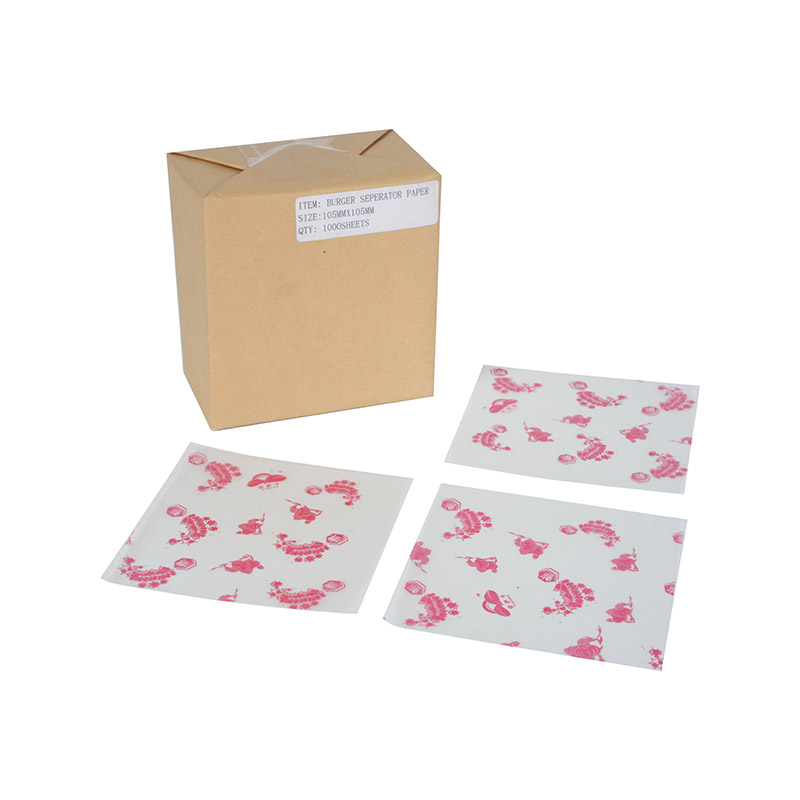
Virgin wood pulp candy wrap is used across a wide variety of confectionery products, particularly those where individual wrapping is essential for freshness, hygiene, or presentation.
- Twist-wrapped hard candies and boiled sweets
- Individually wrapped chocolates and truffles
- Toffees and caramel candies requiring grease resistance
- Fold-wrapped taffy and chewy candy pieces
- Fruit candies and gummies sold in single-serve wraps
Virgin Wood Pulp Wrap vs Recycled Paper vs Plastic Film
Choosing the right candy wrapping material often comes down to comparing virgin wood pulp paper against its two main alternatives — recycled paper and plastic film. The table below outlines the key differences.
| Factor | Virgin Wood Pulp Wrap | Recycled Paper Wrap | Plastic Film |
| Purity Level | High | Moderate, variable | High, but petroleum-based |
| Biodegradability | High | High | Low unless specially engineered |
| Print Quality | Excellent, smooth surface | Good, slightly less uniform | Excellent, glossy finish |
| Grease Resistance | Good with proper coating | Moderate | Excellent |
| Consumer Perception | Positive, seen as premium and safe | Positive, seen as eco-conscious | Increasingly negative |
Key Considerations When Sourcing Virgin Wood Pulp Candy Wrap
Manufacturers looking to switch to or adopt virgin wood pulp candy wrap should evaluate several practical factors to ensure the material performs well on their specific packaging line and meets regulatory requirements.
Coating and Barrier Treatment
Raw virgin pulp paper alone offers limited resistance to grease and moisture, so many candy wraps are treated with a food-safe wax, lacquer, or polymer coating to improve barrier performance. When sourcing wrap material, it's important to confirm the coating used is compatible with the candy type being packaged, particularly for high-fat products like caramels and chocolates.
Compliance with Food Contact Regulations
Depending on the target market, candy wrap materials must comply with regional food-contact packaging regulations. Reputable suppliers of virgin wood pulp candy wrap typically provide documentation confirming compliance with relevant food safety standards, which should be verified before large-scale adoption.
Machine Compatibility
High-speed twist-wrapping and fold-wrapping equipment requires paper with specific thickness, weight, and flexibility tolerances. Testing a sample roll of virgin wood pulp wrap on production equipment before committing to a full order helps avoid feeding issues, tearing, or inconsistent seal quality during actual manufacturing runs.
Sustainability Considerations for Brands Making the Switch
While the term "virgin" might initially suggest a less eco-friendly choice compared to recycled materials, virgin wood pulp used in candy wrapping is frequently sourced from responsibly managed forestry operations, with many suppliers offering certification such as FSC (Forest Stewardship Council) sourcing. When paired with proper end-of-life biodegradability, virgin wood pulp wrap can offer a favorable environmental profile compared to plastic film, particularly for brands aiming to reduce reliance on petroleum-based packaging.
Brands evaluating sustainability claims should look beyond the raw material source alone and consider the full lifecycle of the packaging, including the type of coating applied, whether the finished wrap remains compostable or recyclable after coating, and how the paper is sourced and certified throughout the supply chain.