 English
 русский
Content
What Is Unbleached Baking Paper and Why It Matters
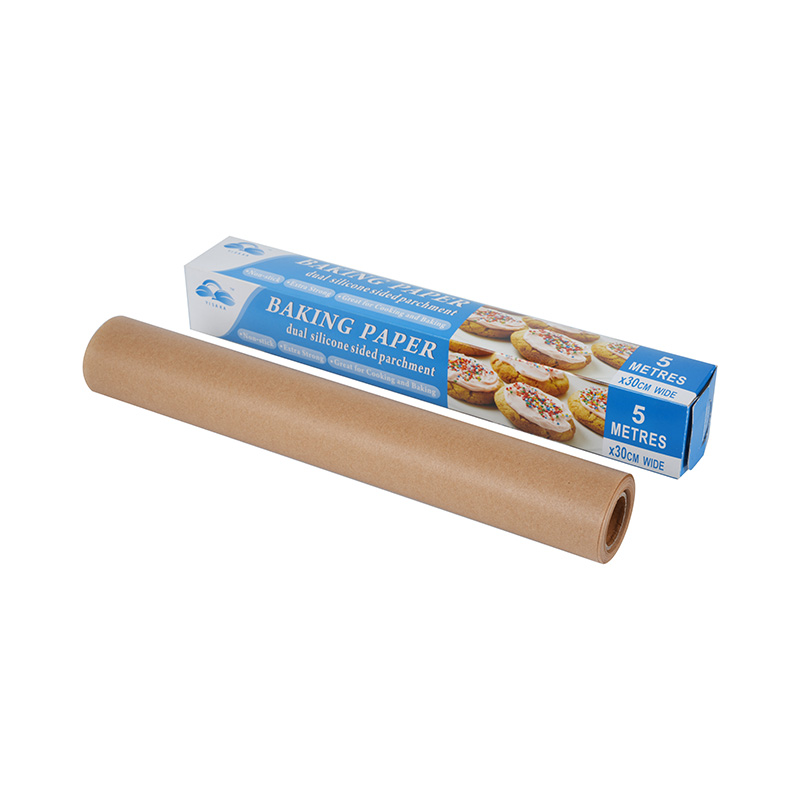
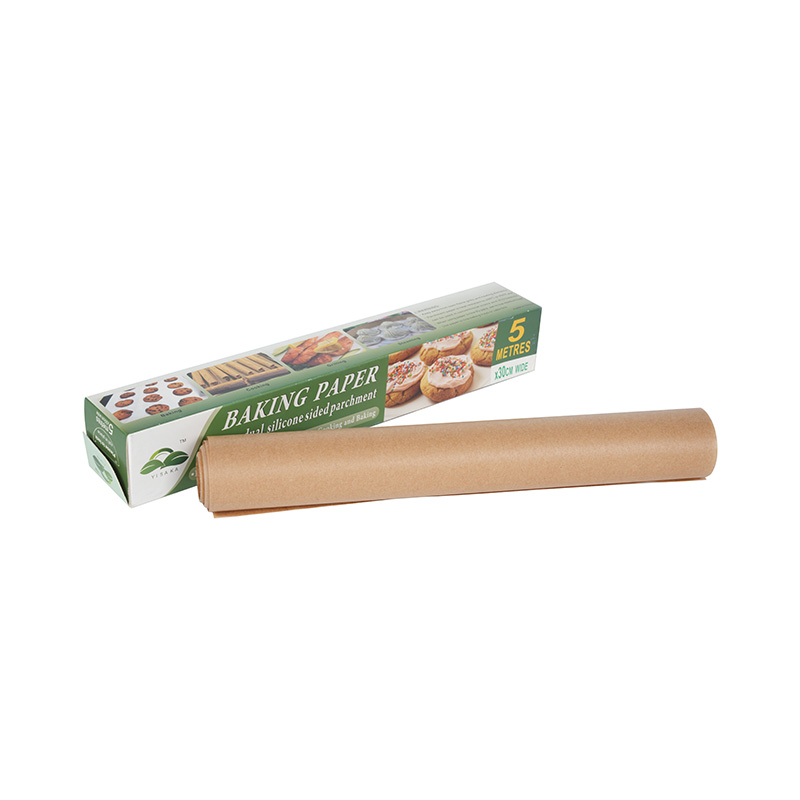
Unbleached baking paper, also known as natural baking paper or chlorine-free baking paper, is made from wood pulp that has not gone through a whitening process. Regular parchment paper is often bleached to achieve a bright white look, while unbleached versions retain a brown, natural appearance.
The key difference is not just color. Many people prefer unbleached baking paper because it avoids chlorine processing, which can create chemical byproducts. While both types are generally safe for baking, unbleached options are often seen as a cleaner and more environmentally friendly choice.
Main advantages
- No chlorine bleaching process
- More natural and eco-friendly
- Non-stick surface for easy baking
- Heat-resistant for oven use
How to Choose the Right Unbleached Parchment Paper
Not all unbleached baking paper is the same. Some products are thicker, more durable, or coated differently for better non-stick performance. When choosing, focus on how you plan to use it rather than just the price.
Look for paper that clearly states it is food-grade and heat-resistant. Silicone-coated unbleached parchment paper is especially useful because it improves non-stick performance without adding harmful substances.
Key features to check
- Heat resistance (usually up to 220°C–250°C)
- Silicone coating for better non-stick use
- Thickness and tear resistance
- Pre-cut sheets vs rolls for convenience
Best Ways to Use Unbleached Baking Paper
Using unbleached baking paper correctly can make your cooking easier and cleaner. It prevents food from sticking, reduces the need for oil, and makes cleanup faster. It is especially useful for baking cookies, roasting vegetables, and lining cake pans.
Common kitchen uses
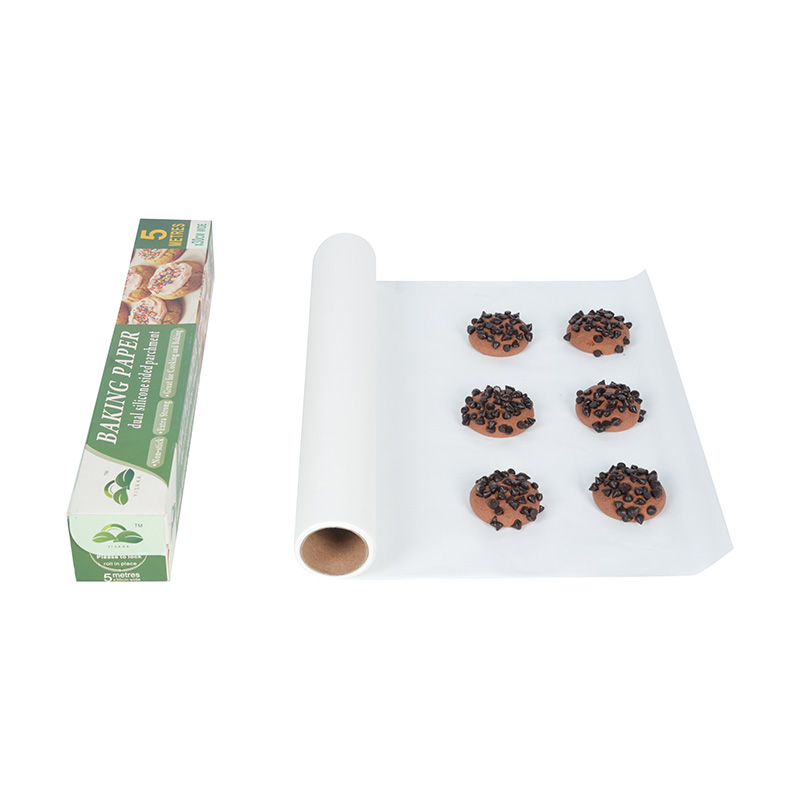
- Lining baking trays for cookies and pastries
- Wrapping food for steaming or en papillote cooking
- Separating dough layers to prevent sticking
- Rolling out dough without extra flour
One practical tip is to lightly crumple the paper before placing it on a tray. This helps it sit flat and stay in place, especially when baking lightweight items like cookies or pastries.
Unbleached vs Bleached Baking Paper
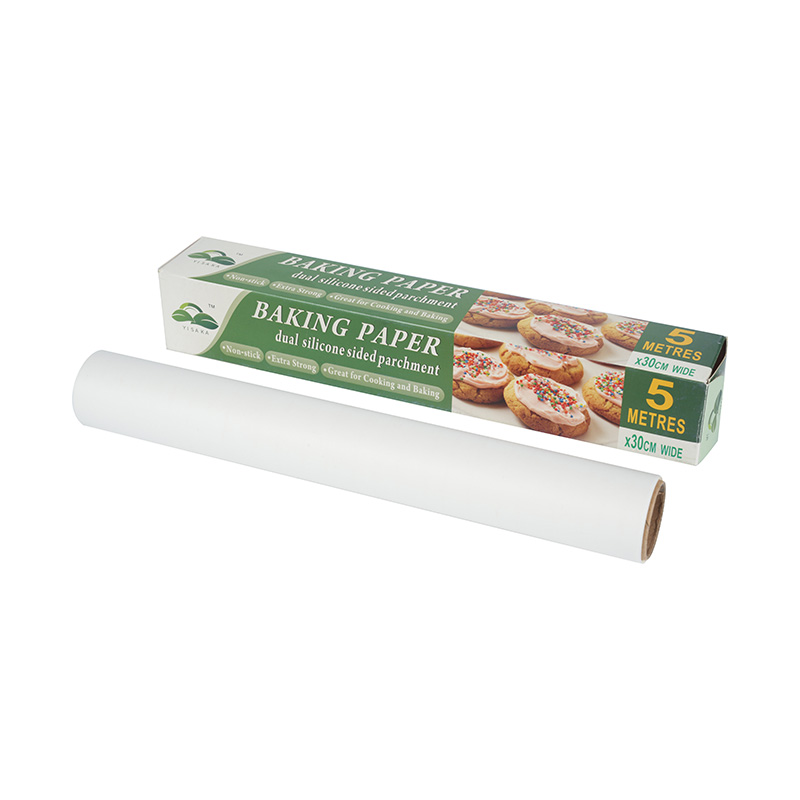
Many people wonder whether there is a real difference between bleached and unbleached parchment paper. In terms of performance, they are quite similar. The main differences come down to processing, appearance, and environmental impact.
| Feature | Unbleached Baking Paper | Bleached Baking Paper |
| Color | Natural brown | White |
| Processing | No chlorine bleaching | Often bleached with chemicals |
| Performance | Similar non-stick and heat resistance | Similar non-stick and heat resistance |
| Environmental impact | More eco-friendly | Less eco-friendly |
Common Mistakes to Avoid
Even though unbleached baking paper is easy to use, small mistakes can affect your results. Understanding what to avoid can save time and prevent kitchen frustration.
- Using it above its maximum temperature limit
- Letting paper touch open flames or heating elements
- Reusing paper too many times when it becomes brittle
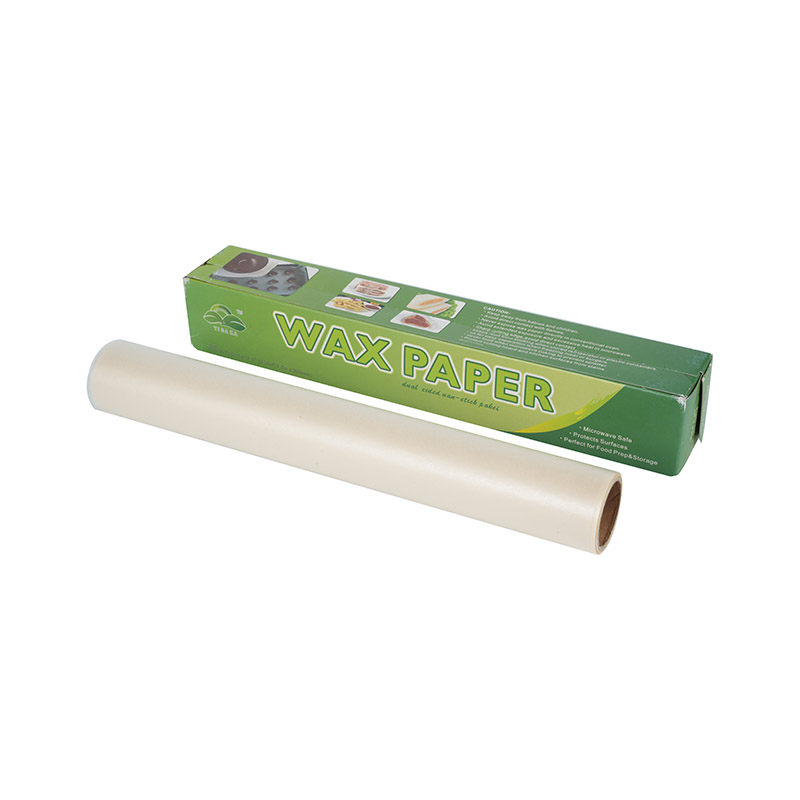
- Confusing it with wax paper, which is not oven-safe
Is Unbleached Baking Paper Reusable?
In many cases, unbleached parchment paper can be reused, especially for dry or low-oil baking tasks like cookies or bread. If the paper is still clean and not torn, you can use it again to reduce waste. However, once it becomes greasy, brittle, or darkened, it is better to replace it.
Reusable use depends on the quality of the paper. Thicker, silicone-coated unbleached baking paper tends to last longer and handle multiple uses better than thinner options.
Final Thoughts
Unbleached baking paper is a simple upgrade that can make your kitchen routine cleaner, safer, and more efficient. It performs just as well as traditional parchment while offering a more natural and eco-conscious option. By choosing the right type and using it properly, you can get better baking results and reduce unnecessary waste at the same time.