 English
 русский
Content
What Exactly is Baking Paper and How is it Made?
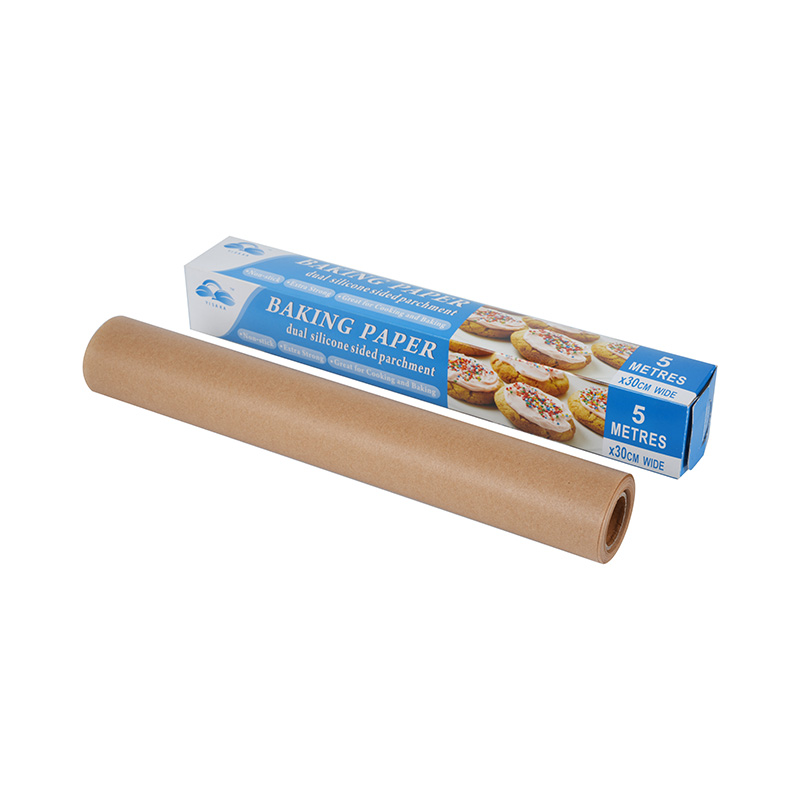
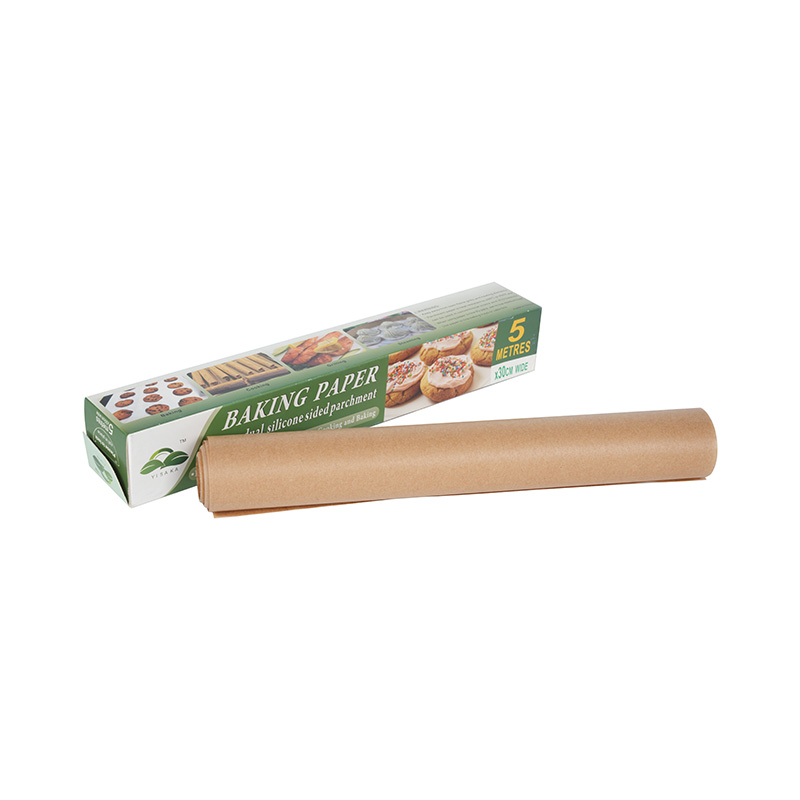
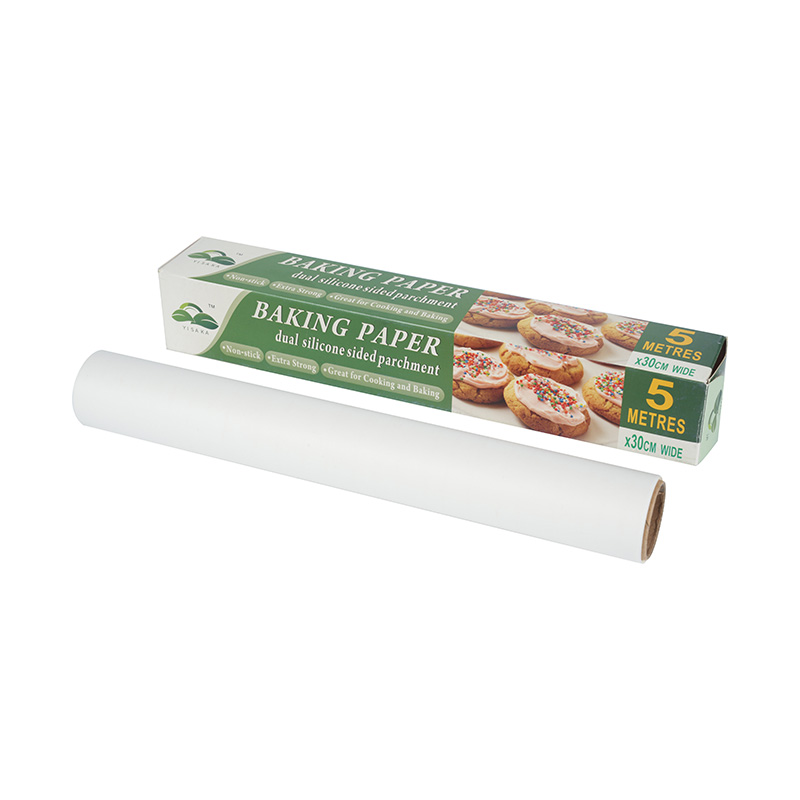
Baking paper, often referred to as parchment paper, is a specialized kitchen essential designed to provide a heat-resistant, non-stick surface for cooking and baking. Unlike regular paper, it undergoes a unique manufacturing process—often involving a sulfuric acid bath to increase density and heat resistance—followed by a coating of silicone. This silicone layer is the magic ingredient that prevents your delicate cookies or sticky roasted vegetables from bonding to the tray. Because it is fat-resistant and moisture-resistant, it remains sturdy even when exposed to the high humidity of an oven environment.
Quality baking paper can typically withstand temperatures up to 220°C (428°F). This makes it incredibly versatile for everything from light meringues to high-heat roasting. It serves as a functional barrier that not only protects your food but also extends the life of your baking trays by preventing carbonized food bits and oils from etching into the metal surface.
Practical Benefits of Using Baking Paper in Daily Cooking
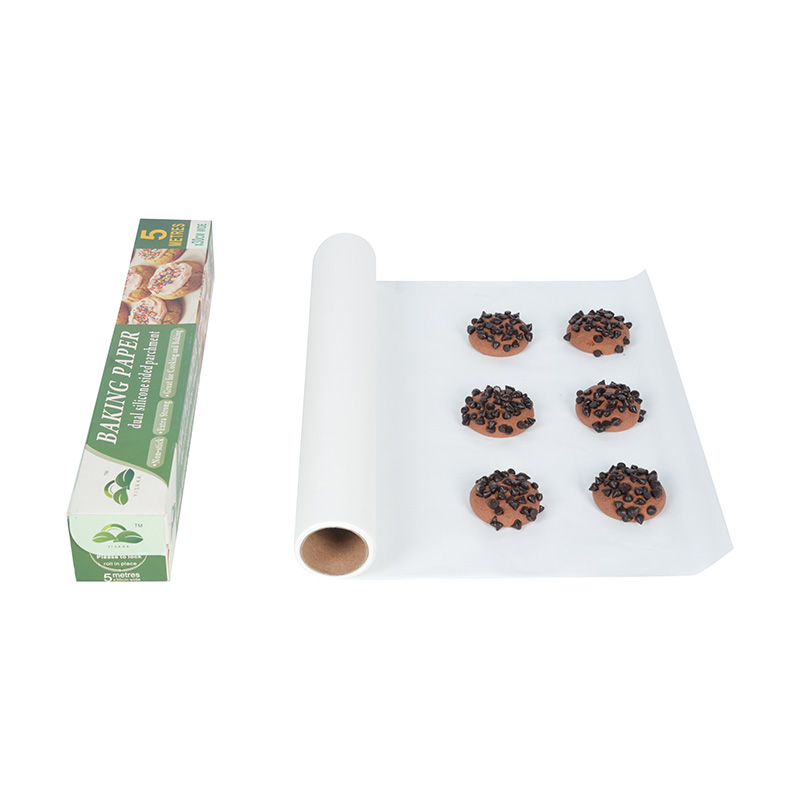
The most obvious advantage of using baking paper is the effortless cleanup. By lining your pans, you eliminate the need for vigorous scrubbing, saving both time and water. However, the benefits go beyond just tidying up. Because of its superior non-stick properties, you can significantly reduce the amount of butter or oil used to grease pans, making your meals slightly healthier without sacrificing the integrity of the food. It also acts as an excellent insulator, ensuring that the bottoms of your cakes or biscuits brown evenly rather than burning against the direct heat of the metal.
Key Advantages at a Glance
- Eliminates the need for greasing, reducing overall fat content in recipes.
- Prevents delicate baked goods from breaking during removal from the pan.
- Protects expensive bakeware from stains and burnt-on residue.
- Can be reused for multiple batches of cookies in a single baking session.
Baking Paper vs. Greaseproof Paper and Foil
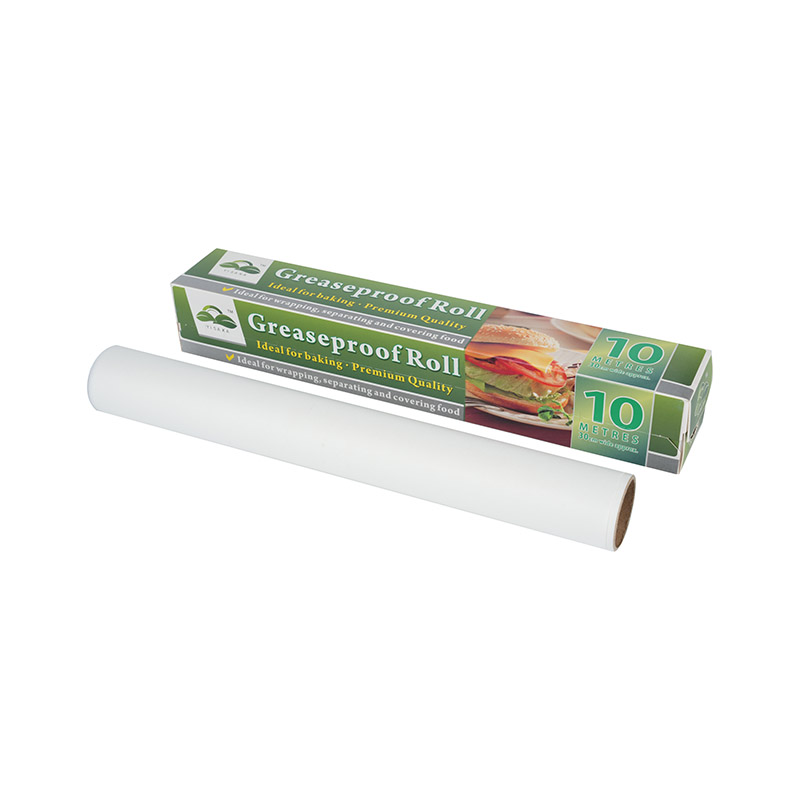
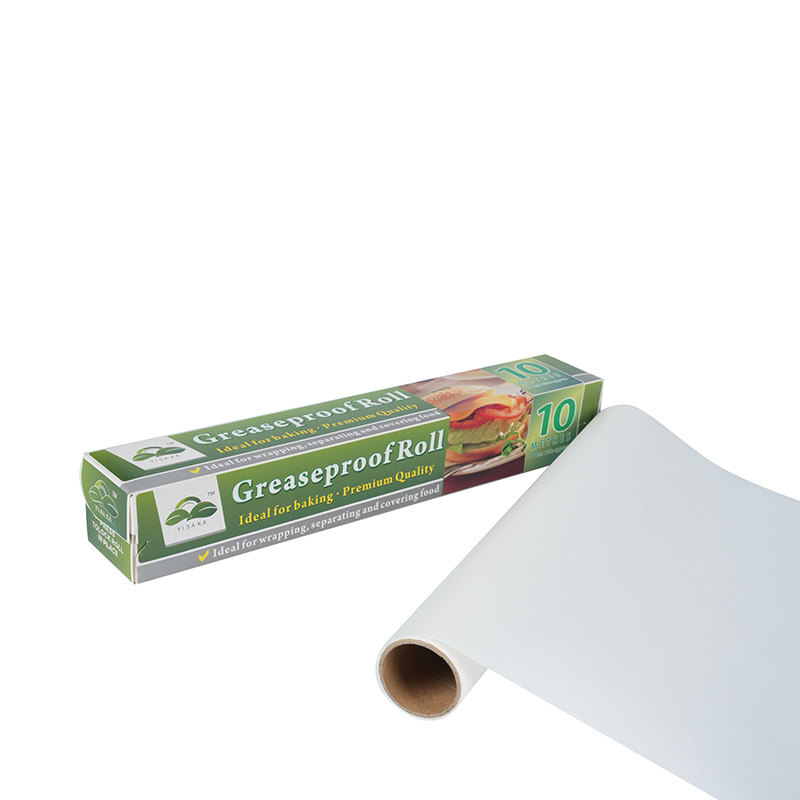
A common mistake in the kitchen is confusing baking paper with greaseproof paper or aluminum foil. While they might look similar or share space in the pantry, their functions are quite different. Greaseproof paper is designed primarily for wrapping oily foods like sandwiches; it does not have the silicone coating required to make it truly non-stick in the oven. Aluminum foil is great for heat conduction and covering dishes, but it often sticks to food unless heavily greased. Understanding these differences is crucial to avoiding a kitchen disaster where your cake ends up fused to the liner.
| Feature | Baking Paper | Greaseproof Paper | Aluminum Foil |
| Non-Stick Coating | Yes (Silicone) | No | No (Unless oiled) |
| Heat Resistance | High (up to 220°C) | Low/Medium | Very High |
| Primary Use | Lining baking trays | Food wrapping | Grilling/Covering |
Creative and Constructive Uses Beyond the Baking Tray
Baking paper is a versatile tool that extends far beyond just lining a cookie sheet. You can use it for "en papillote" cooking, a French technique where fish or vegetables are folded into a parchment pouch to steam in their own juices. It is also perfect for rolling out sticky doughs; simply place the dough between two sheets of baking paper to avoid adding extra flour, which can toughen the pastry. Furthermore, it works as an excellent temporary funnel for transferring dry ingredients like spices or flour into narrow containers without making a mess.
For those who enjoy decorating, you can roll a small piece of baking paper into a cone to create a makeshift piping bag for chocolate or icing. Because it is translucent, you can also place it over a template to trace intricate chocolate designs, which will peel right off once cooled. Its applications are limited only by your imagination, making it a truly indispensable multi-tool for the modern kitchen.
Summary: A Small Investment for Better Results
In conclusion, incorporating baking paper into your culinary routine is one of the simplest ways to improve your cooking and baking outcomes. From ensuring a perfect release for your cakes to cutting your cleaning time in half, the benefits are undeniable. By choosing high-quality, silicone-coated parchment, you invest in the success of your recipes and the longevity of your kitchen equipment. Whether you are a professional pastry chef or a weekend home cook, a roll of baking paper is a staple that consistently pays for itself in convenience and quality.