 English
 русский
Content
What Is Greaseproof Paper?
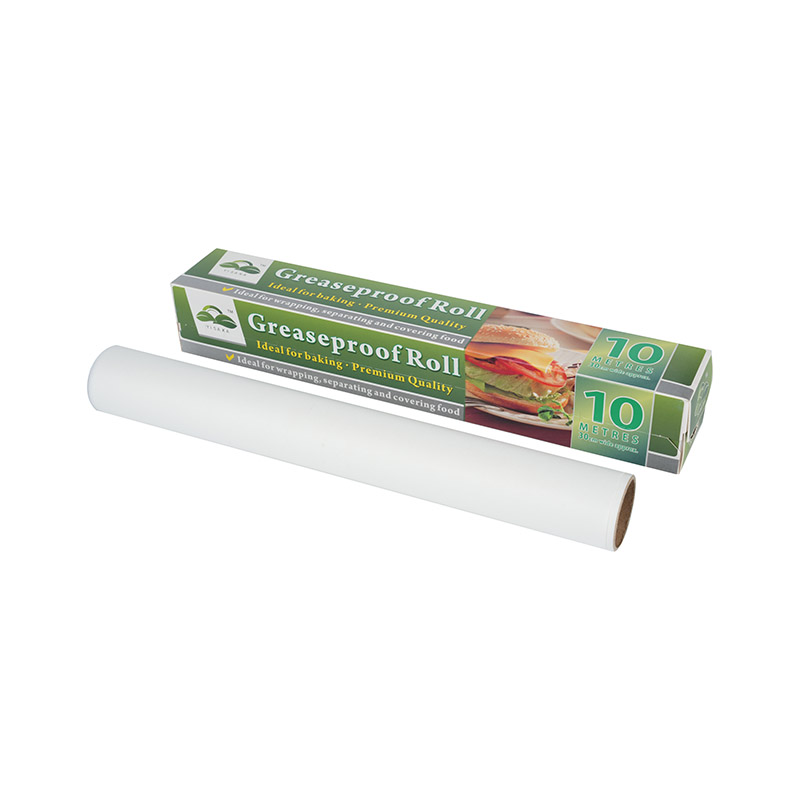
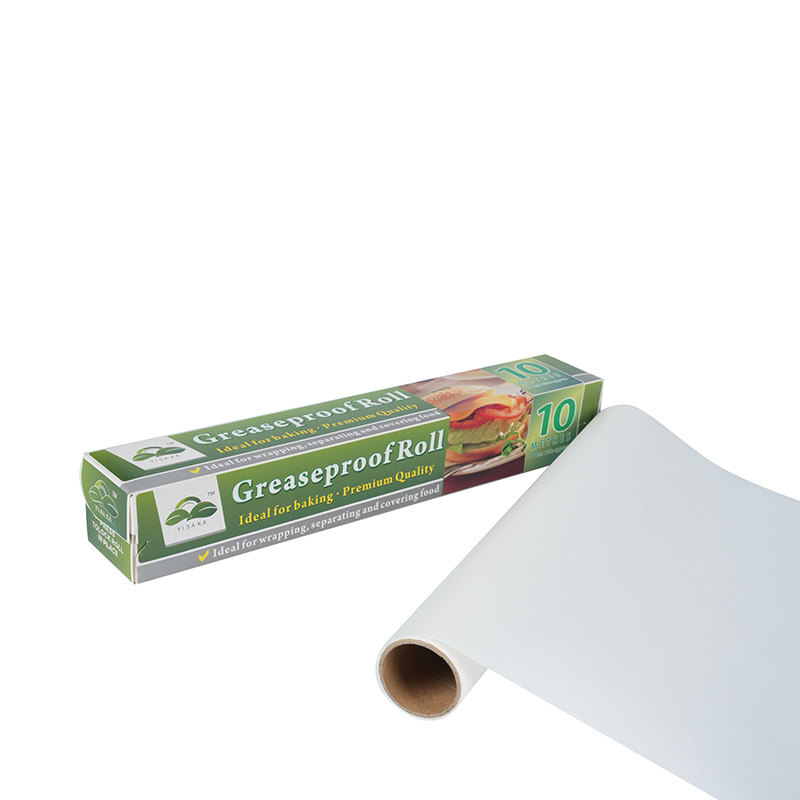
Greaseproof Paper is a type of specially processed paper designed to resist oil and grease penetration. Unlike ordinary paper, grease resistant paper is manufactured using refined pulp and a dense fiber structure that prevents oils from soaking through the surface. This makes it ideal for wrapping, baking, and packaging oily or fatty foods such as burgers, pastries, fried snacks, and baked goods.
Food-grade greaseproof paper is widely used in restaurants, bakeries, food factories, and takeaway services. It helps keep food fresh while maintaining a clean and attractive presentation. Because the paper prevents grease from leaking through, it also protects outer packaging and keeps customers’ hands clean during eating.
How Greaseproof Paper Is Manufactured
The manufacturing process of greaseproof paper focuses on creating a dense and smooth fiber structure. During production, the pulp is refined and beaten to break down fibers into very fine strands. These fibers are then compressed tightly during the papermaking process, forming a compact sheet that naturally resists grease and oil.
In many cases, greaseproof wrapping paper also undergoes calendering, a process where the paper passes through high-pressure rollers. This further smooths the surface and reduces the spaces between fibers, improving grease resistance without the need for heavy chemical coatings.
Key Steps in Greaseproof Paper Production
- Pulp refining to produce fine cellulose fibers.
- Sheet forming to create a dense paper structure.
- High-pressure calendering for surface smoothness.
- Optional food-safe coating or treatment for improved oil resistance.
- Cutting and converting into sheets, rolls, or custom packaging formats.
Key Features of High-Quality Greaseproof Paper
Not all greaseproof papers perform the same. High-quality greaseproof packaging paper must balance oil resistance, strength, flexibility, and food safety. These characteristics ensure the paper works well in both commercial kitchens and food packaging operations.
| Feature | Description | Benefit |
| Grease Resistance | Dense fiber structure prevents oil penetration | Keeps packaging clean and dry |
| Food Safety | Made from food-grade pulp materials | Safe for direct food contact |
| Heat Resistance | Suitable for baking and oven use | Ideal for bakery applications |
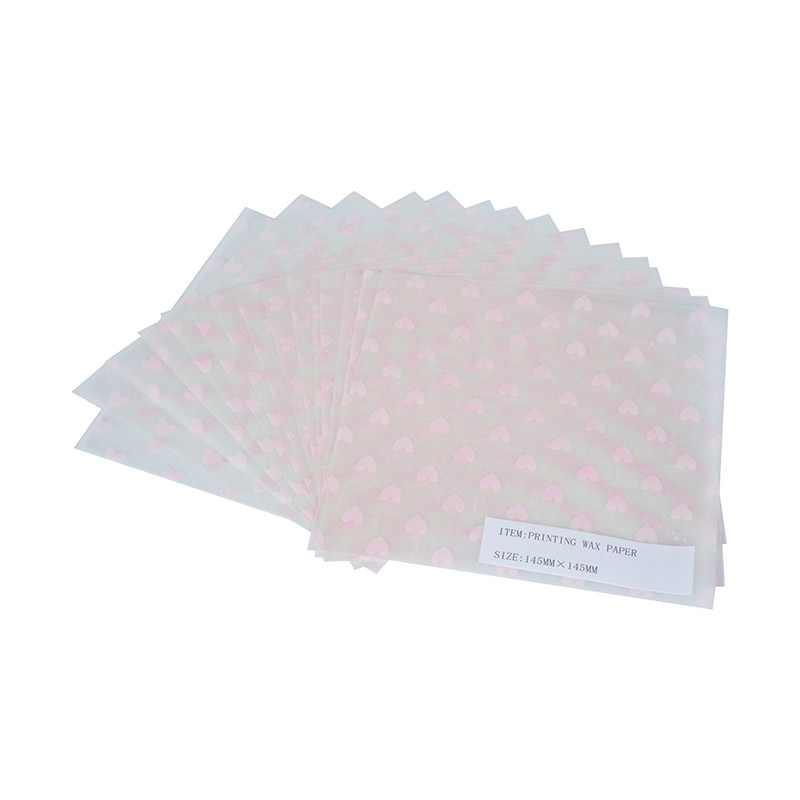
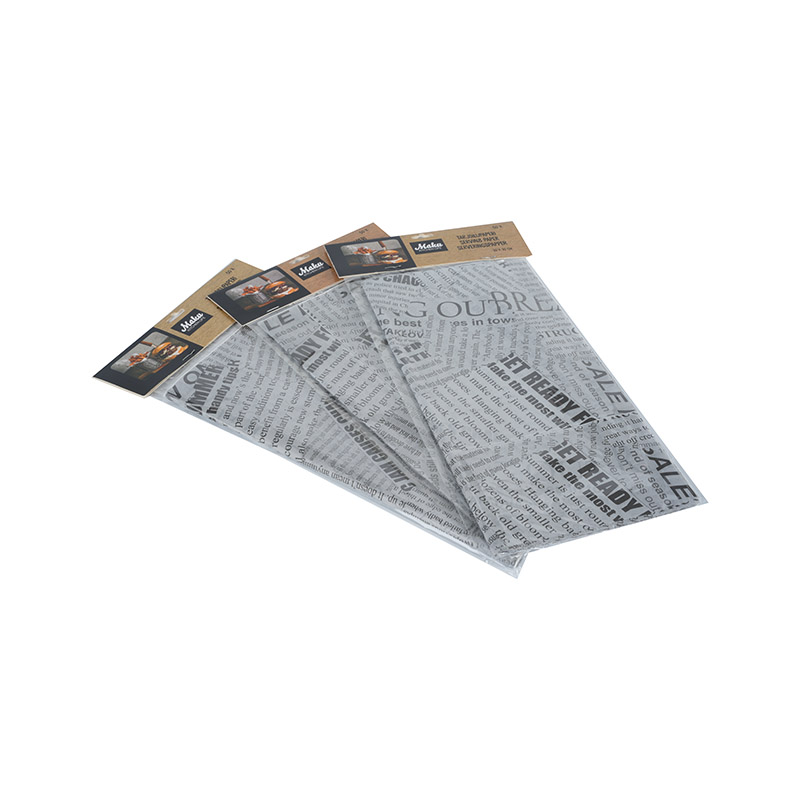
| Printability | Smooth surface supports custom printing | Enhances brand packaging |
Common Applications of Greaseproof Paper
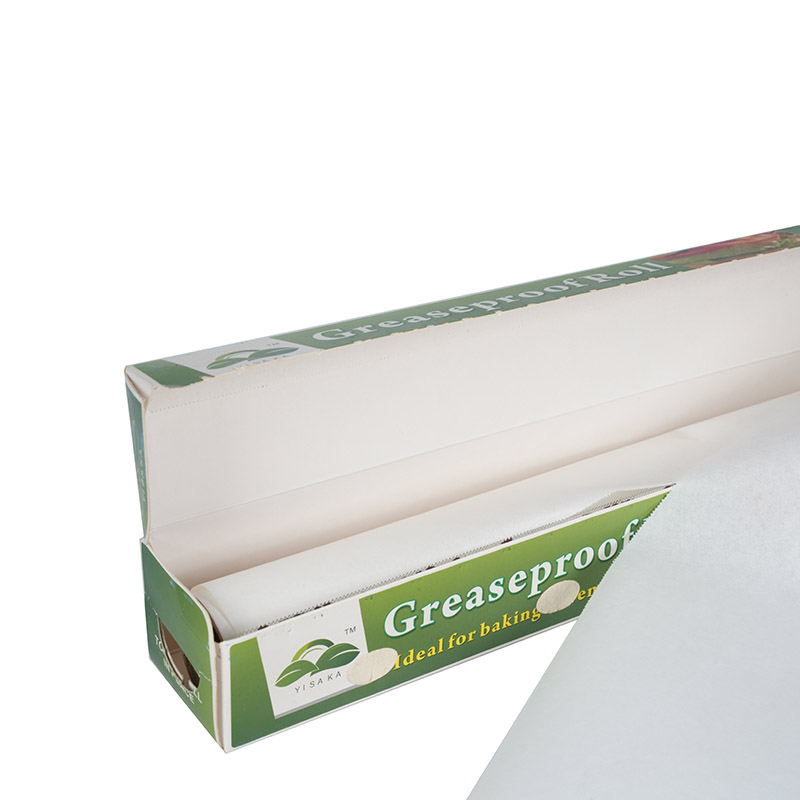
Greaseproof paper is widely used across the food industry because of its practical performance and hygienic properties. From bakeries to fast-food chains, it provides a convenient way to handle oily food products while maintaining cleanliness and product presentation.
Food Packaging and Wrapping
Many takeaway restaurants use greaseproof wrapping paper to package burgers, sandwiches, fried chicken, and pastries. The paper prevents grease stains on outer packaging while helping maintain the food’s temperature and texture.
Baking and Cooking
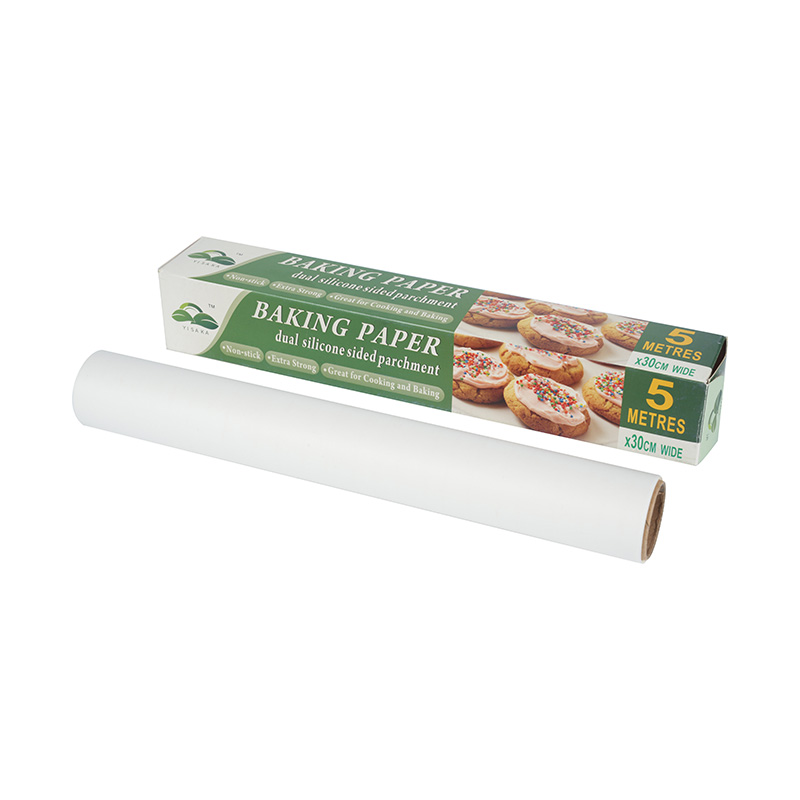
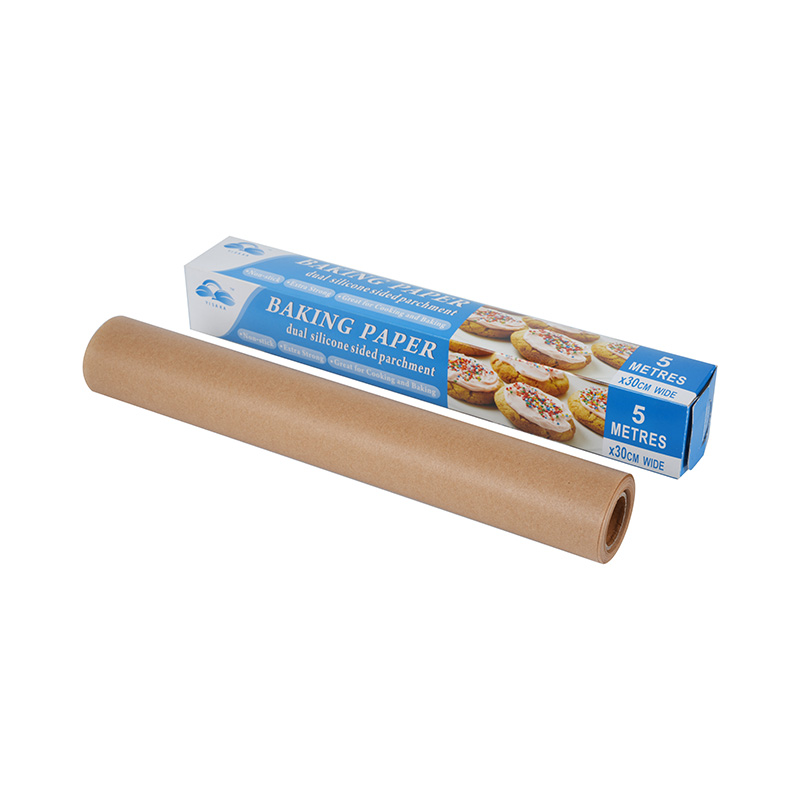
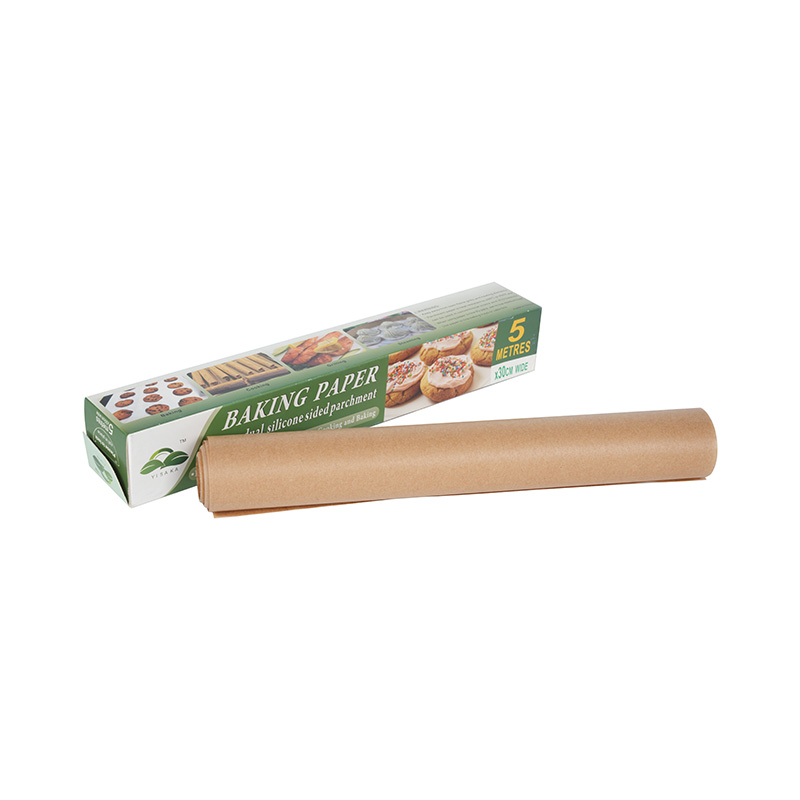
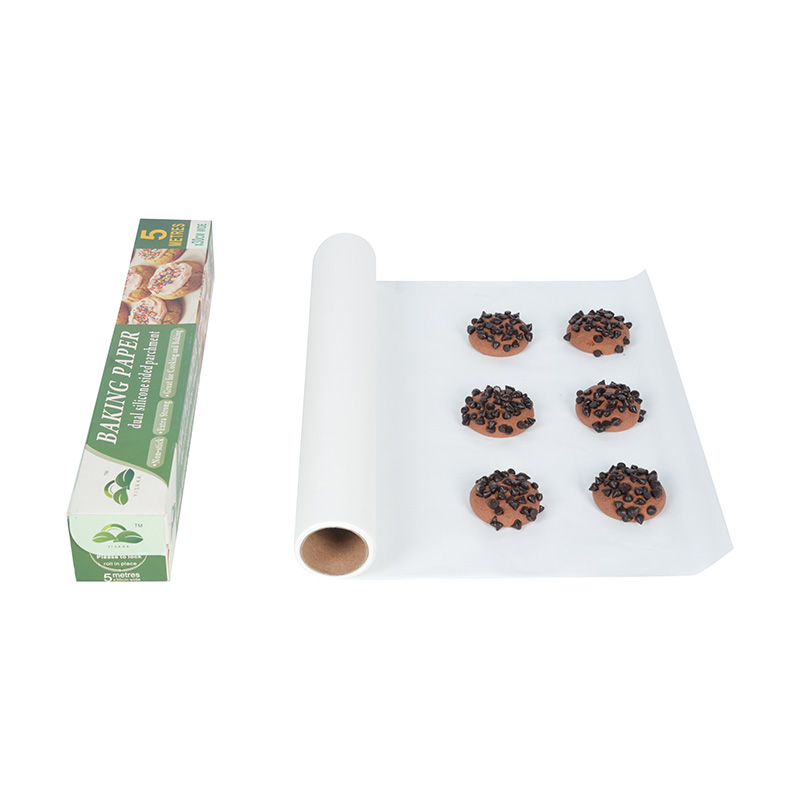
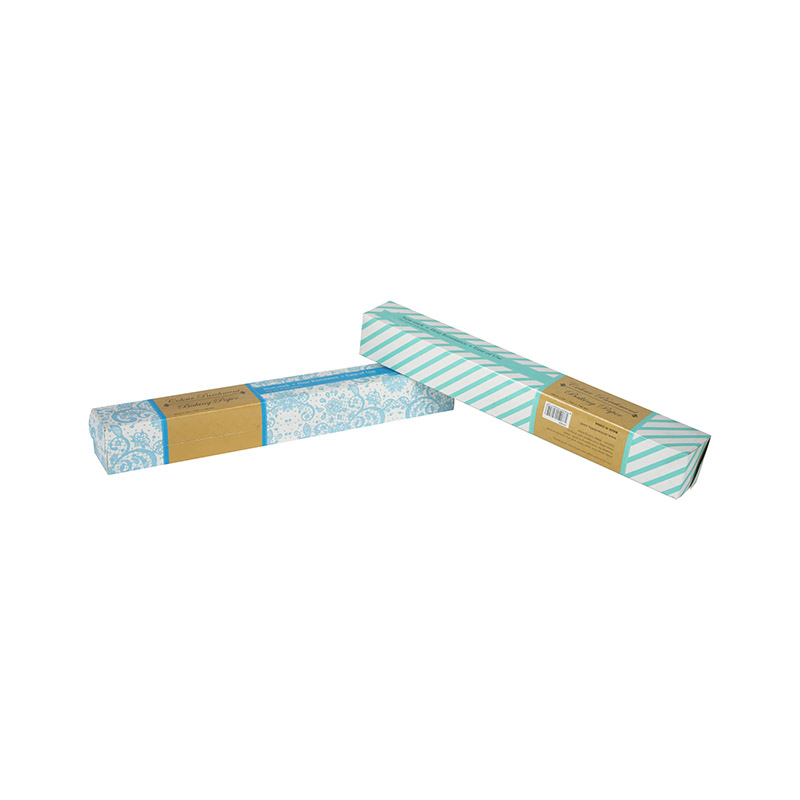
In bakeries and home kitchens, greaseproof baking paper is used to line trays and baking pans. It prevents food from sticking to the surface and simplifies cleaning after cooking. Because of its heat resistance, it works well for cookies, cakes, and roasted foods.
Food Display and Serving
Greaseproof paper sheets are often used as tray liners in cafes, bakeries, and food trucks. They provide a clean and attractive presentation while protecting trays and plates from grease stains.
- Burger and sandwich wrapping paper.
- Bakery tray liners and baking sheets.
- Fried food packaging for takeaway orders.
- Food basket liners for restaurants and cafes.
How to Choose the Right Greaseproof Paper
Selecting the right greaseproof paper depends on the specific application and packaging requirements. Food manufacturers and restaurant owners should consider factors such as paper weight, grease resistance level, printability, and size format.
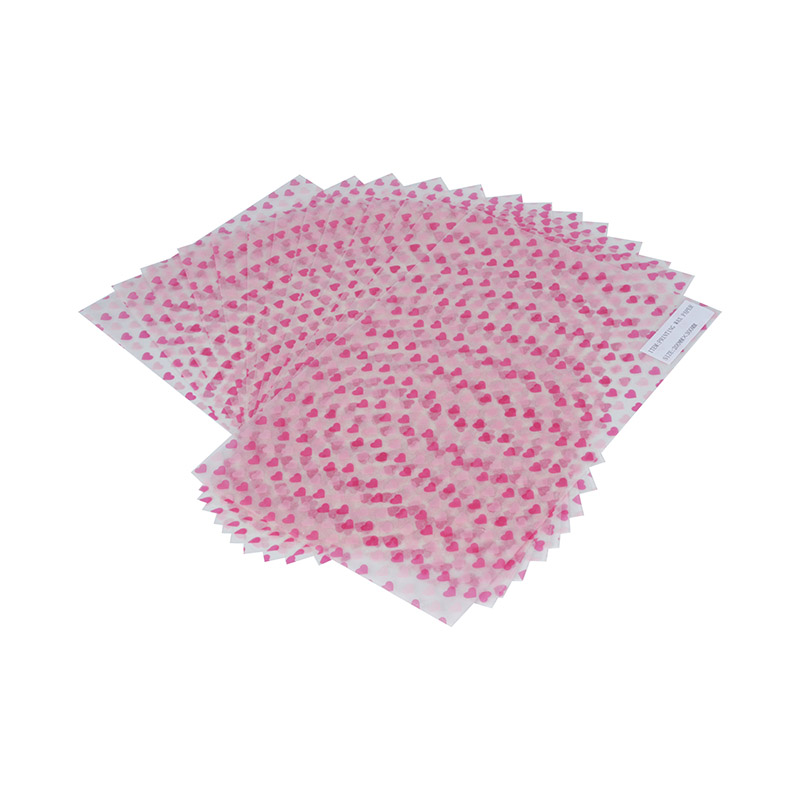
For example, heavier greaseproof paper may be required for high-oil foods such as fried chicken or barbecue, while lighter sheets may work well for baked goods or pastry wrapping. Businesses that want to enhance brand visibility can also choose custom printed greaseproof paper with logos and patterns.
Important Factors to Consider
- Paper weight and thickness suitable for the food type.
- Grease resistance level required for oily foods.
- Food-grade certification for direct food contact.
- Availability in sheets, rolls, or customized sizes.
- Custom printing capability for branded packaging.
Why Greaseproof Paper Remains Popular in Food Packaging
Greaseproof paper continues to be one of the most practical materials for food packaging and baking. Its natural oil resistance, food safety, and versatility make it suitable for a wide range of applications across the food industry. At the same time, it provides an economical solution for restaurants and food manufacturers looking for reliable packaging materials.
As the demand for convenient takeaway food and sustainable packaging continues to grow, greaseproof paper remains an essential material in modern food service and packaging operations. Whether used for baking, wrapping, or food presentation, it offers a simple but highly effective way to manage grease while maintaining clean and professional food packaging.