 English
 русский
Wax paper is one of those quietly indispensable kitchen staples that most households have tucked in a drawer yet rarely think about in depth. A thin sheet of tissue-weight paper coated on both sides with a food-safe paraffin or soybean wax, it has been a reliable cooking and food storage companion for well over a century. Despite the rise of parchment paper, plastic wrap, and silicone mats, waxed paper holds a firm place in both home kitchens and commercial food operations thanks to its unique combination of moisture resistance, non-stick properties, and versatility. This guide covers everything from what wax paper actually is, to how and where to use it correctly, and why it still matters in a modern kitchen.
Content
- 1 What Is Wax Paper and How Is It Made?
- 2 Wax Paper vs. Parchment Paper: Key Differences Explained
- 3 What Is Wax Paper Used For? Practical Applications in the Kitchen
- 4 Is Wax Paper Safe for Food Contact?
- 5 Wax Paper in Food Service and Commercial Applications
- 6 Creative Non-Food Uses for Wax Paper Around the House
- 7 How to Store Wax Paper and Extend Its Shelf Life
- 8 Environmental Considerations and Eco-Friendly Alternatives
- 9 Buying Guide: Choosing the Right Wax Paper
- 10 Common Mistakes to Avoid When Using Wax Paper
What Is Wax Paper and How Is It Made?
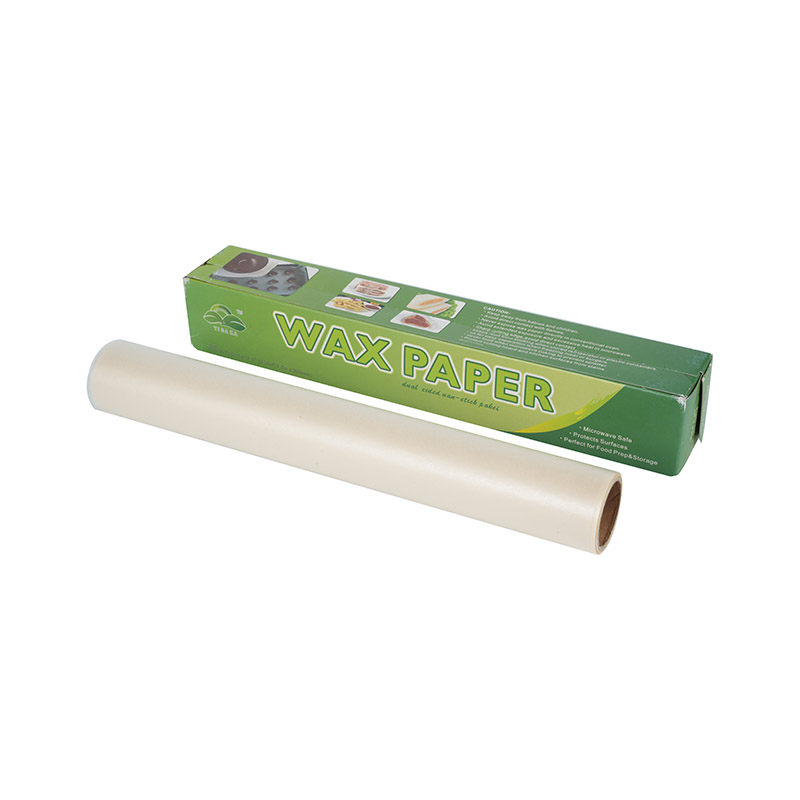
Wax paper — also written as waxed paper — is a type of paper that has been made moisture-resistant through the application of a thin wax coating on both surfaces. The most common wax used in modern production is food-grade paraffin wax, a petroleum-derived product that is chemically inert, odorless, and safe for direct food contact. Some manufacturers use soybean wax or other plant-based waxes for natural or eco-conscious product lines.
The manufacturing process involves running continuous rolls of thin, porous base paper through a bath or curtain of molten wax, which penetrates the paper fibers and coats both surfaces. After coating, the paper is chilled to solidify the wax, then rolled and cut to consumer or commercial dimensions. The result is a semi-translucent, slightly slick sheet that repels water and grease while remaining flexible and easy to fold or tear.
It is worth noting that wax paper is distinctly different from parchment paper, which is silicone-coated and oven-safe. Understanding this distinction is fundamental to using each product correctly and safely in the kitchen.
Wax Paper vs. Parchment Paper: Key Differences Explained
The most common source of confusion in the kitchen paper category is the difference between wax paper and parchment paper. They look similar, come on similar rolls, and serve overlapping purposes — but they are not interchangeable, and using the wrong one can lead to ruined food or even a fire hazard.
| Feature | Wax Paper | Parchment Paper |
| Coating | Paraffin or soybean wax | Silicone |
| Oven Safe? | No — wax melts and can smoke | Yes — up to 420–450°F (215–230°C) |
| Moisture Resistance | Excellent | Good |
| Non-Stick Surface | Yes | Yes |
| Microwave Safe? | Yes (short intervals) | Yes |
| Freezer Safe? | Yes | Yes |
| Best For | Cold prep, wrapping, candy-making | Baking, roasting, high-heat cooking |
| Cost | Generally less expensive | Slightly higher cost |
The critical takeaway: never use wax paper in the oven. At oven temperatures, the wax coating melts off the paper, can smoke, and may transfer to food or ignite if it comes in direct contact with heating elements. For any baking or roasting application, parchment paper is the correct choice.
What Is Wax Paper Used For? Practical Applications in the Kitchen
Despite its oven limitations, wax paper uses are remarkably wide-ranging. Its moisture resistance, non-stick surface, and food-safe coating make it highly useful across dozens of cold and room-temperature food tasks.
Rolling and Shaping Dough
One of the most practical uses for wax paper is as a non-stick work surface for rolling out pastry dough, cookie dough, and pie crust. Place a sheet of wax paper on the counter, dust it lightly with flour if needed, lay the dough on top, and place a second sheet over the dough before rolling. This technique eliminates the need to flour the countertop heavily, makes cleanup effortless, and prevents the dough from tearing when you try to lift it. It is especially useful for delicate or short-crust doughs that tend to stick to marble or wood surfaces.
Wrapping Food for the Refrigerator and Freezer
Wax paper for food wrapping is a time-honored technique, particularly for cheese, sandwiches, and baked goods. Unlike plastic wrap, wax paper allows food to breathe slightly, which is ideal for artisan breads and cheeses that need some air circulation to maintain texture. For the freezer, wax paper works well as a first layer of wrapping around items like individual portions of meat, burgers, or cookie dough balls — though for long-term freezer storage (more than a few weeks), it should be followed by a layer of aluminum foil or placed inside a zip-top freezer bag to prevent freezer burn.
Candy Making and Chocolate Work
Wax paper for candy is among its most classic applications. When making fudge, caramels, chocolate bark, truffles, or peanut brittle, laying sheets of wax paper on a baking sheet or countertop provides the perfect non-stick landing surface for hot poured candy. Once cooled, the candy releases cleanly without tearing or sticking — a result that parchment paper also achieves but that wax paper handles equally well at a lower cost per sheet. Wax paper is also used to individually wrap homemade candies and caramels for gifting or storage.
Lining Countertops During Messy Prep
Covering a countertop or cutting board with a large sheet of waxed paper before breading chicken cutlets, rolling meatballs, or decorating cupcakes makes cleanup dramatically faster. The moisture-resistant surface keeps breadcrumbs, flour, powdered sugar, or melted chocolate from soaking into porous surfaces. When prep is done, simply roll up the paper and discard it — no scrubbing required.
Separating Stacked Foods
Placing sheets of wax paper between layers of cookies, pancakes, crepes, burgers, or frozen patties prevents sticking and makes it easy to remove individual pieces without breaking them. This is particularly useful when stacking freshly baked cookies that are still slightly soft, or when freezing homemade burger patties or fish cakes that would otherwise fuse together in the freezer.
Microwave Splatter Guard
A loose sheet of wax paper placed over a bowl or plate in the microwave acts as an effective splatter guard, catching food particles and steam without trapping moisture in the way a solid lid would. It allows steam to vent while keeping the interior of the microwave clean. Unlike plastic wrap, there is no risk of the wax paper melting onto the food during short microwave intervals — though it should not be used for extended high-heat microwave cooking.
Is Wax Paper Safe for Food Contact?
A common concern is whether the wax coating on food-safe wax paper can transfer to food and whether that poses any health risk. The short answer is: food-grade paraffin wax is recognized as safe by the U.S. Food and Drug Administration (FDA) for incidental food contact. The wax is chemically inert and does not react with most foods. Small amounts of wax that transfer to food surfaces — particularly during candy wrapping or dough rolling — are considered safe and pass through the digestive system without being absorbed.
The caveat is temperature. When wax paper is exposed to heat above approximately 200°F (93°C), the wax begins to melt and transfer more significantly to food. This is why the product should not be used in the oven, under a broiler, or placed directly on the bottom of a hot pan. Within its intended cold and room-temperature use range, wax paper is completely safe for direct food contact.
For those with concerns about petroleum-derived paraffin, soybean wax paper and other plant-based alternatives are available from specialty manufacturers and natural food retailers. These products perform comparably to traditional wax paper for most kitchen tasks.
Wax Paper in Food Service and Commercial Applications
Beyond the home kitchen, wax paper sheets and rolls are extensively used in commercial food service settings. Delis, bakeries, sandwich shops, food trucks, and butcher counters rely on wax paper for a wide range of wrapping, lining, and serving functions.
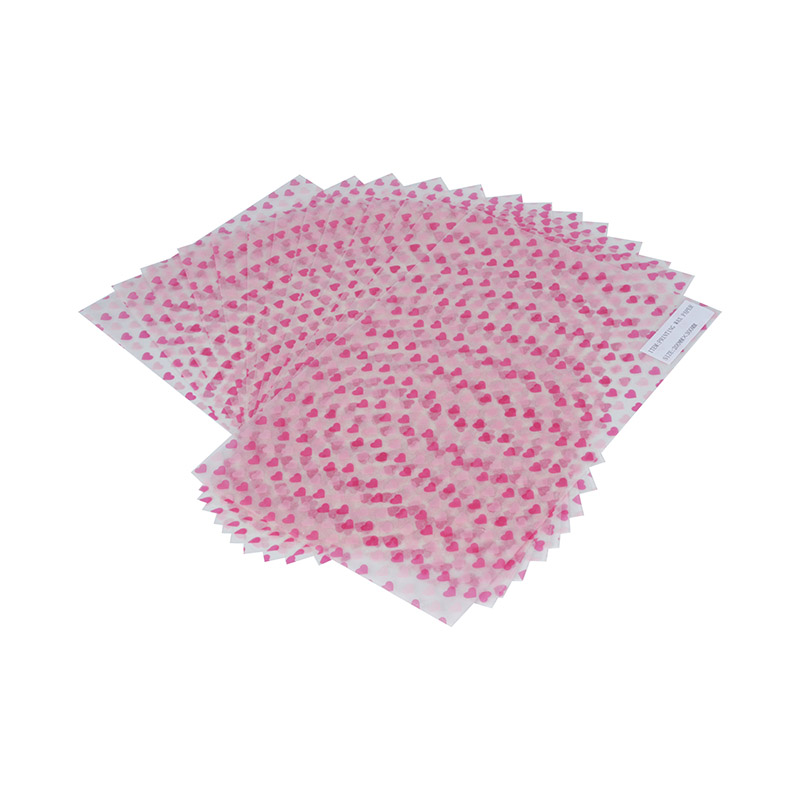
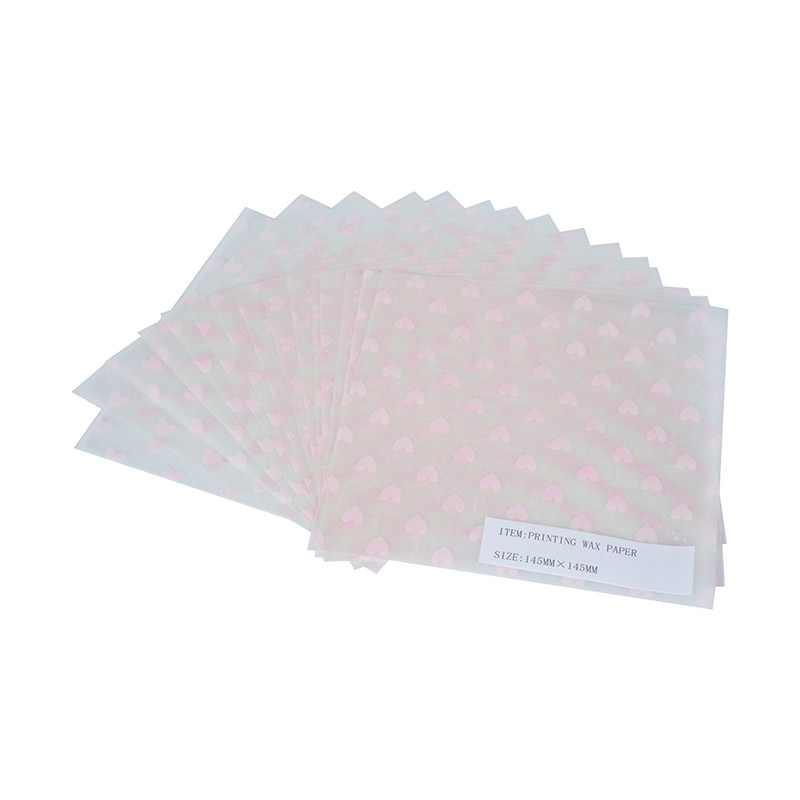
- Deli wrap sheets: Pre-cut wax paper deli sheets are used to wrap cold cuts, cheese slices, and prepared sandwiches at counter service. They provide a clean, moisture-resistant barrier that keeps products fresh during short-term holding and display.
- Butcher paper liner: Wax paper is used underneath raw meat and fish at butcher counters to prevent cross-contamination and protect display surfaces.
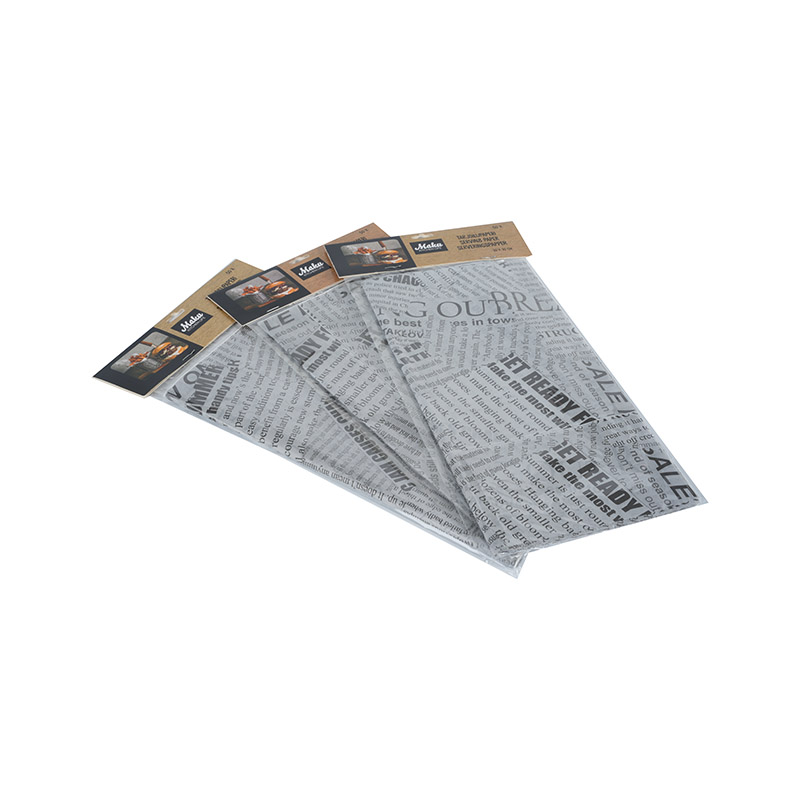
- Basket and tray liners: Many fast-casual restaurants use printed or plain wax paper sheets to line food baskets and trays, absorbing grease and simplifying cleanup between customers.
- Bakery packaging: Croissants, pastries, and baked goods wrapped in wax paper maintain freshness while giving customers a tactile, artisan-feel packaging experience.
- Candy and confection wrapping: Confectionery producers use wax paper to individually wrap caramels, toffees, and chocolates, taking advantage of its non-stick surface and food-safe properties.
Commercial wax paper is available in bulk rolls and pre-cut sheet formats in a wide range of sizes, from small 6×6 inch deli squares to large 18×24 inch sheets for wrapping whole loaves or large cuts of meat. Many suppliers also offer custom-printed wax paper with business logos and branding, making it a functional marketing tool as well as a packaging product.
Creative Non-Food Uses for Wax Paper Around the House
The utility of wax paper extends well beyond the kitchen. Its smooth, waxy surface has properties that translate into a surprising range of household maintenance and craft applications.
Lubricating Sticky Drawers and Zippers
Rubbing a folded sheet of wax paper along the runners of a sticky wooden drawer deposits a thin layer of wax that dramatically reduces friction and makes the drawer glide smoothly again. The same principle applies to stiff zipper teeth on jackets or bags — running wax paper along the zipper provides light lubrication without leaving visible residue or damaging the fabric.
Protecting Cast Iron During Storage
Placing a sheet of wax paper inside a well-seasoned cast iron skillet before stacking another pan on top prevents moisture from being trapped between the pans, which can cause rust to develop on the cooking surface. The wax paper acts as a moisture barrier and a cushion that protects the seasoning layer from being scratched by metal edges.
Arts, Crafts, and Transfer Projects
In crafting, wax paper is used as a non-stick work surface for resin pouring, glue gun projects, and paint mixing. Its waxy surface prevents adhesives and resins from bonding permanently to the paper, allowing cured pieces to be peeled off cleanly. It is also used in a technique called "wax paper transfer," where printed or hand-drawn designs are transferred onto wood, canvas, or fabric surfaces using heat and pressure.
Sealing Envelopes and Reducing Friction
Rubbing wax paper over the edge of a painted window frame or along the threads of a screw before driving it in can reduce resistance and prevent paint from sticking the frame shut. These small-scale household hacks take advantage of wax paper's lubricating properties without requiring any special tools or additional products.
How to Store Wax Paper and Extend Its Shelf Life
Proper storage of wax paper rolls ensures they remain flat, easy to dispense, and free from contamination. Unlike some kitchen papers, wax paper does not have a formal expiration date, but it can degrade in quality if stored improperly.
- Store in a cool, dry place: Heat causes the wax coating to soften and stick, making sheets difficult to separate and dispense. Avoid storing wax paper rolls near the oven, stove, or in a cabinet directly above heat-generating appliances.
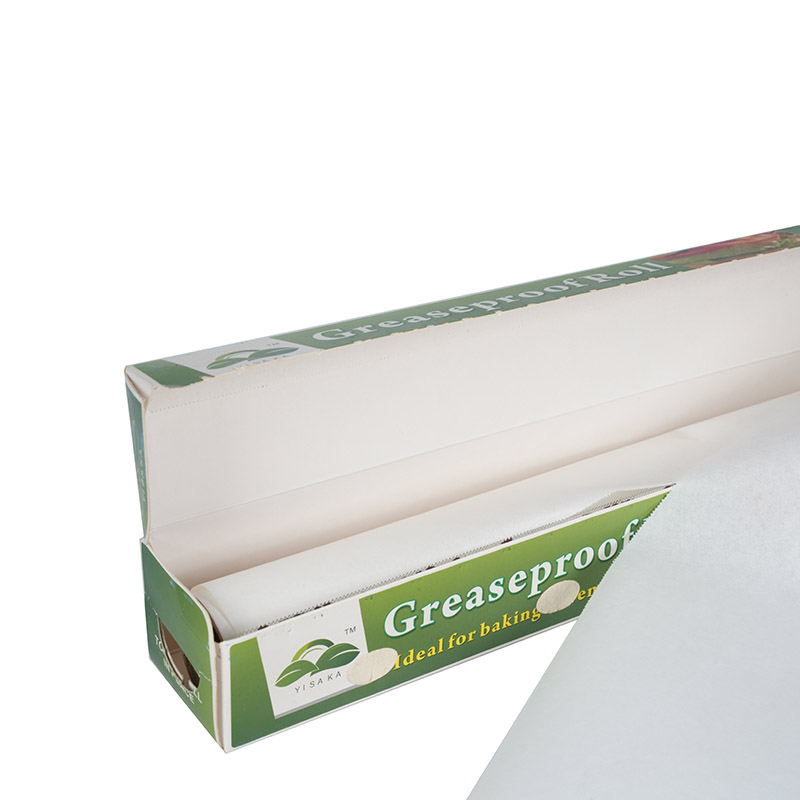
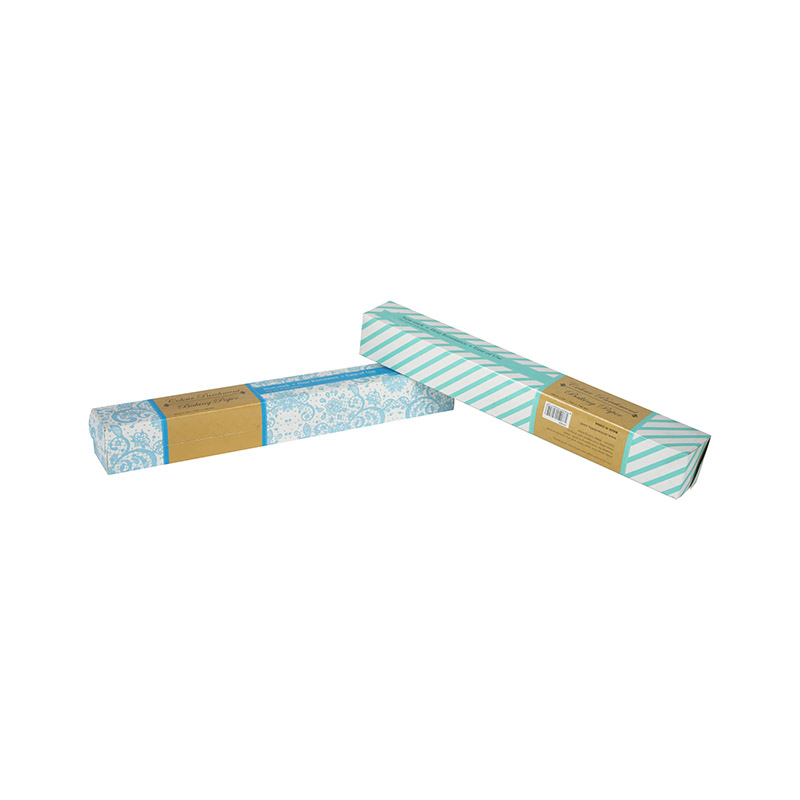
- Keep in the original box: The serrated cutting edge on the original box is designed to cut wax paper cleanly. Storing the roll in its box also protects it from dust and moisture.
- Avoid direct sunlight: Prolonged UV exposure can cause the paper to yellow and the wax to become brittle. A drawer or pantry shelf is ideal.
- Keep away from strong odors: Paper absorbs odors readily. Storing wax paper near strongly scented spices, cleaning products, or onions can cause it to transfer unwanted smells to wrapped foods.
Environmental Considerations and Eco-Friendly Alternatives
One important aspect of wax paper that has come under increased scrutiny is its environmental profile. Traditional paraffin wax paper is not recyclable through standard curbside programs because the wax coating contaminates the paper recycling stream. It is also not compostable in most home composting systems, as paraffin is a petroleum product that breaks down very slowly.
For consumers seeking more sustainable options, several alternatives have emerged:
- Soy wax paper: Coated with plant-derived soybean wax, these products perform similarly to paraffin wax paper and are considered more eco-friendly, though they are still generally not accepted in curbside recycling.
- Beeswax wraps: Reusable fabric-and-beeswax wraps are a popular zero-waste alternative for wrapping cheese, produce, and sandwiches. They are washable, last for up to a year, and are fully compostable at end of life.
- Unbleached parchment paper: For baking applications, unbleached parchment made from recycled fibers is a more sustainable single-use option.
- Silicone baking mats: For repeated baking tasks, a silicone mat eliminates the need for single-use paper entirely and can last for thousands of uses.
That said, for many applications — particularly candy wrapping, deli use, and food separation — wax paper remains the most practical and cost-effective single-use solution, and the environmental impact per sheet is relatively modest compared to thicker packaging materials.
Buying Guide: Choosing the Right Wax Paper
When shopping for wax paper, whether for home or commercial use, several factors influence which product best meets your needs.
| Factor | What to Look For |
| Wax Type | Paraffin (standard), soy wax (eco-conscious) |
| Roll Width | 12–15 inches for home use; 18–24 inches for commercial |
| Roll Length | 75–100 feet for households; 1,000+ feet for commercial bulk |
| Pre-cut Sheets | Convenient for food service; available in 6×6, 9×9, 12×12 sizes |
| FDA Compliance | Confirm product is labeled food-safe for direct food contact |
| Custom Printing | Available for food service businesses; typically requires MOQ of 5,000+ sheets |
For home kitchens, well-known brands such as Reynolds, Glad, and If You Care (unbleached) are widely available at grocery and big-box stores. For commercial food service, restaurant supply companies like WebstaurantStore and Uline carry bulk wax paper rolls and pre-cut deli sheets in a range of sizes at significantly lower per-sheet costs than retail packaging.
Common Mistakes to Avoid When Using Wax Paper
Even experienced cooks occasionally misuse wax paper in ways that produce poor results or create safety risks. Being aware of these common errors helps you get the most out of the product every time.
- Using it in the oven: The most serious mistake. Wax melts at oven temperatures, causing smoke and potential fire risk. Always use parchment paper for baking.
- Using it under a broiler: Even brief exposure to broiler heat is enough to ignite wax paper. Never place it anywhere near direct heat sources.
- Relying on it for long-term freezer storage alone: Wax paper slows but does not prevent moisture loss in the freezer. For storage beyond two to three weeks, wrap wax-paper-covered items in foil or place in airtight freezer bags.
- Using it as a piping bag substitute for hot fillings: Hot caramel or melted chocolate held in a wax paper cone can cause the wax to soften and the cone to collapse or leak. Use a proper piping bag for hot materials.
- Assuming it is compostable: Paraffin-coated wax paper is not suitable for home composting. Dispose of it in regular waste unless you have confirmed access to an industrial composting program that accepts waxed paper.