 English
 русский
Content
- 1 What Is Parchment Paper and Why Do You Need It?
- 2 Bleached vs. Unbleached Parchment Paper: Which Should You Choose?
- 3 Top Everyday Uses for Parchment Paper
- 4
- 5 Parchment Paper vs. Wax Paper vs. Aluminum Foil
- 6 How to Get the Most Out of Your Parchment Paper
- 7 Smart Alternatives When You Run Out of Parchment Paper
What Is Parchment Paper and Why Do You Need It?
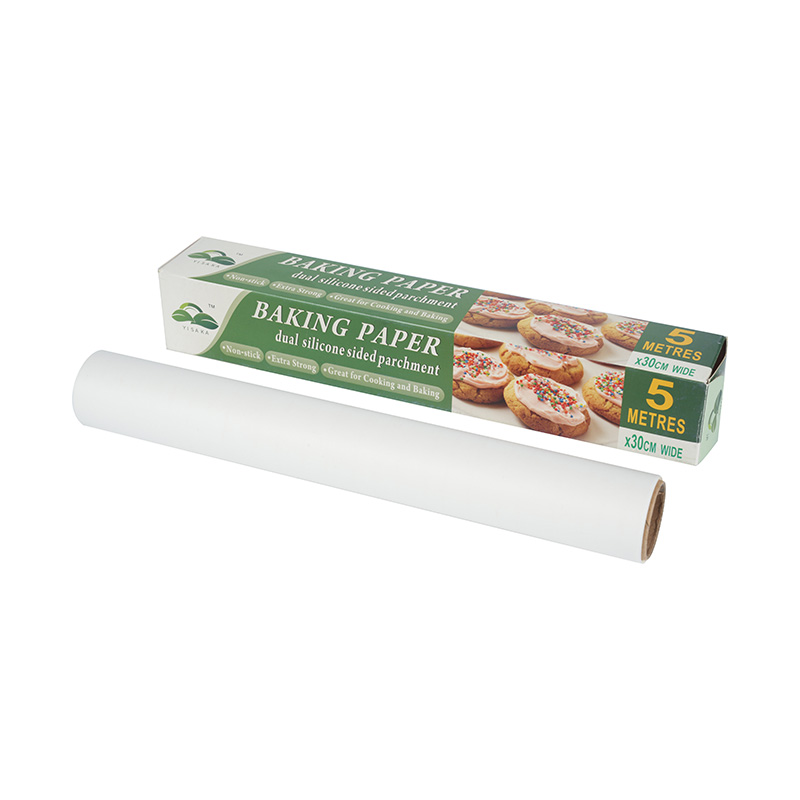
Parchment paper is a cellulose-based paper that has been treated with silicone to create a non-stick, heat-resistant surface. It is one of the most versatile tools in any kitchen, used by both professional bakers and home cooks alike. Unlike regular paper, baking parchment can withstand oven temperatures of up to 450°F (232°C) without burning or releasing harmful chemicals, making it a safe and reliable choice for a wide range of cooking tasks. Whether you are lining a baking sheet, wrapping fish for en papillote, or preventing sticky dough from clinging to your countertop, parchment paper delivers consistent results every time.
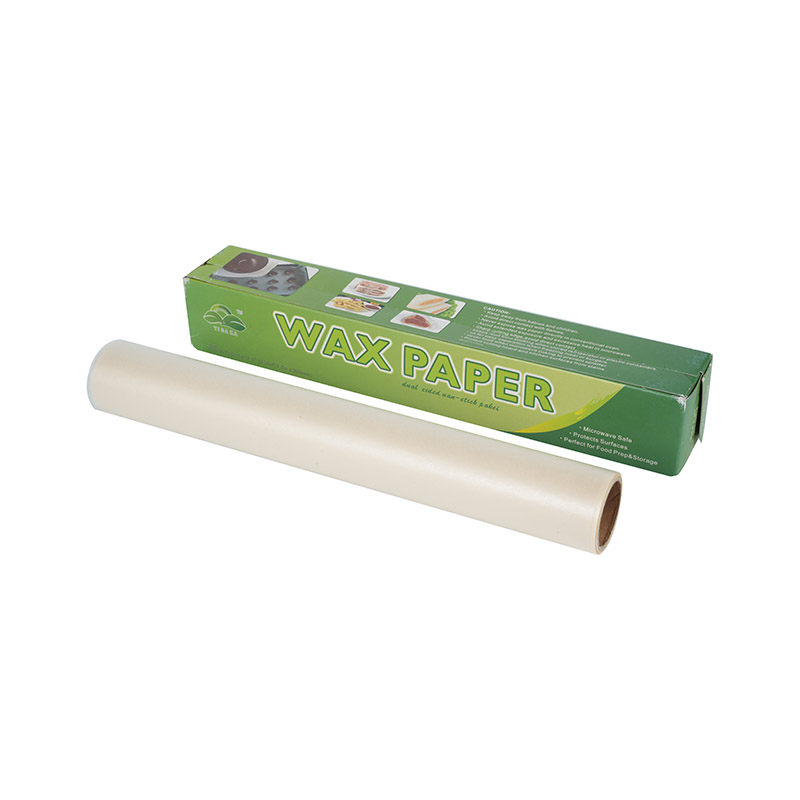
Many people confuse parchment paper with wax paper, but these two products are quite different. Wax paper is coated with a thin layer of paraffin wax, which melts and can smoke when exposed to direct oven heat. Cooking parchment, on the other hand, is designed specifically for high-heat environments. Investing in a quality roll of parchment is a small step that can dramatically improve your baking outcomes, reduce cleanup time, and even extend the life of your bakeware.
Bleached vs. Unbleached Parchment Paper: Which Should You Choose?
When you shop for parchment paper, you will quickly notice two main varieties: bleached (white) and unbleached (brown). Both types are coated with silicone and perform similarly in the oven, but there are meaningful differences worth understanding before you buy.
Bleached Parchment Paper
Bleached baking parchment gets its bright white color from a chlorine treatment during manufacturing. This process gives it a clean, uniform appearance that many commercial bakeries prefer. However, some health-conscious consumers prefer to avoid chlorine-processed products, especially when cooking at high temperatures for extended periods. If aesthetics and a pristine look matter to you, bleached parchment is a fine choice for everyday baking.
Unbleached Parchment Paper
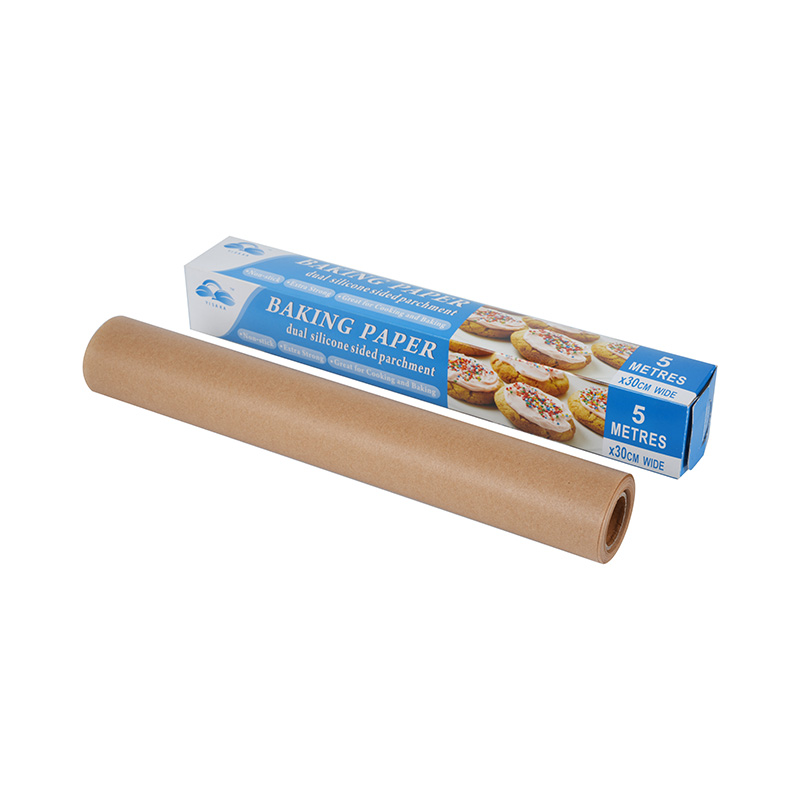
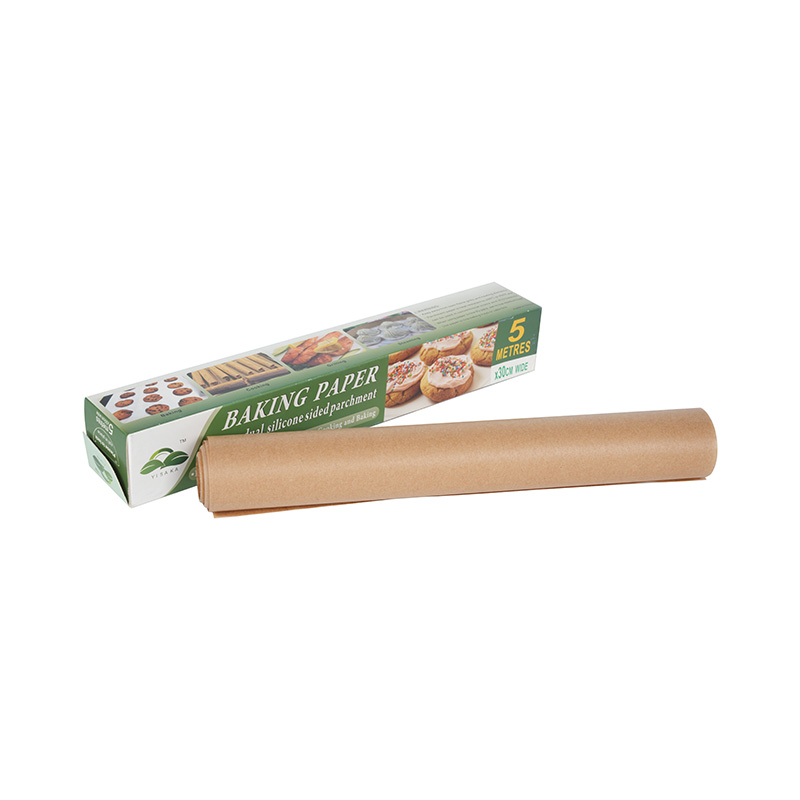
Unbleached parchment paper skips the chlorine whitening step, retaining its natural brown color. It is considered a more eco-friendly option and is popular among those who prioritize natural, minimally processed kitchen products. Functionally, unbleached cooking parchment performs identically to its bleached counterpart — it is equally non-stick, heat-resistant, and durable. For most home bakers, either option works perfectly well, so the choice often comes down to personal preference or environmental values.
Top Everyday Uses for Parchment Paper
Baking parchment is far more useful than most people realize. Here are some of the most practical and popular ways to use it in your kitchen:
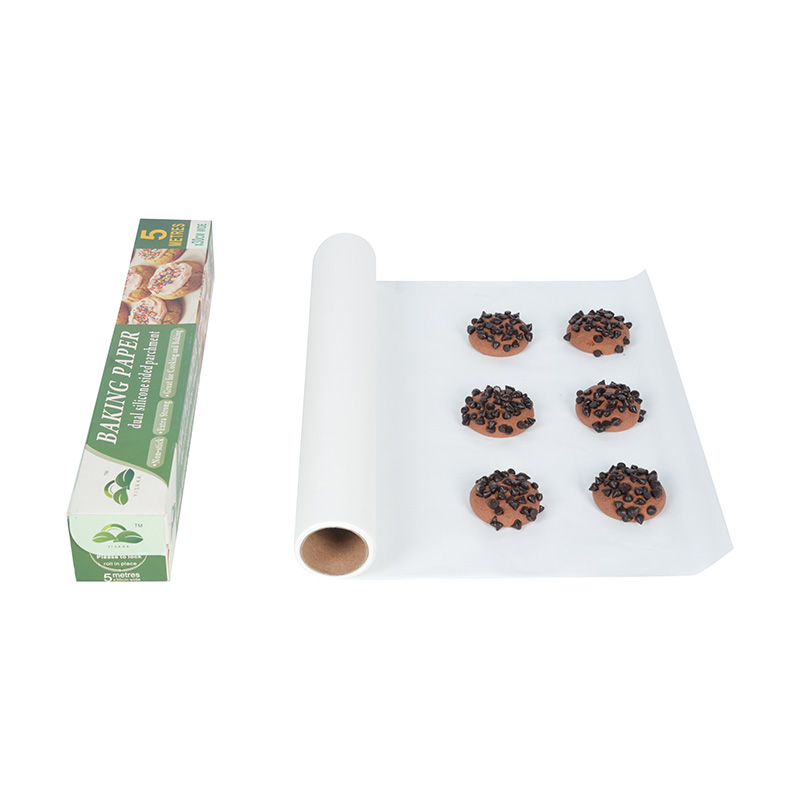
- Lining baking sheets: Place a sheet of parchment on your cookie sheet before adding dough. Cookies slide off effortlessly and your pan stays clean, saving you from scrubbing baked-on residue.
- Lining cake pans: Cut parchment paper circles to fit the bottom of round cake pans. This ensures your cakes release cleanly every time without sticking or tearing.
- En papillote cooking: Fold fish, vegetables, and herbs inside a parchment paper pouch and bake. The steam trapped inside creates a moist, flavorful dish with virtually no cleanup.
- Rolling out dough: Place dough between two sheets of parchment to roll it flat without sticking to your rolling pin or countertop. This works beautifully for pie crusts, sugar cookies, and pasta.
- Roasting vegetables: Line a roasting pan with parchment before adding vegetables. They caramelize beautifully and lift right off the pan without sticking.
- Piping and decorating: Roll parchment into a cone shape to create a DIY piping bag for icing, chocolate, or cream fillings.
- Freezing foods: Layer parchment paper between items like burgers, cookie dough balls, or dumplings before freezing to prevent them from sticking together.
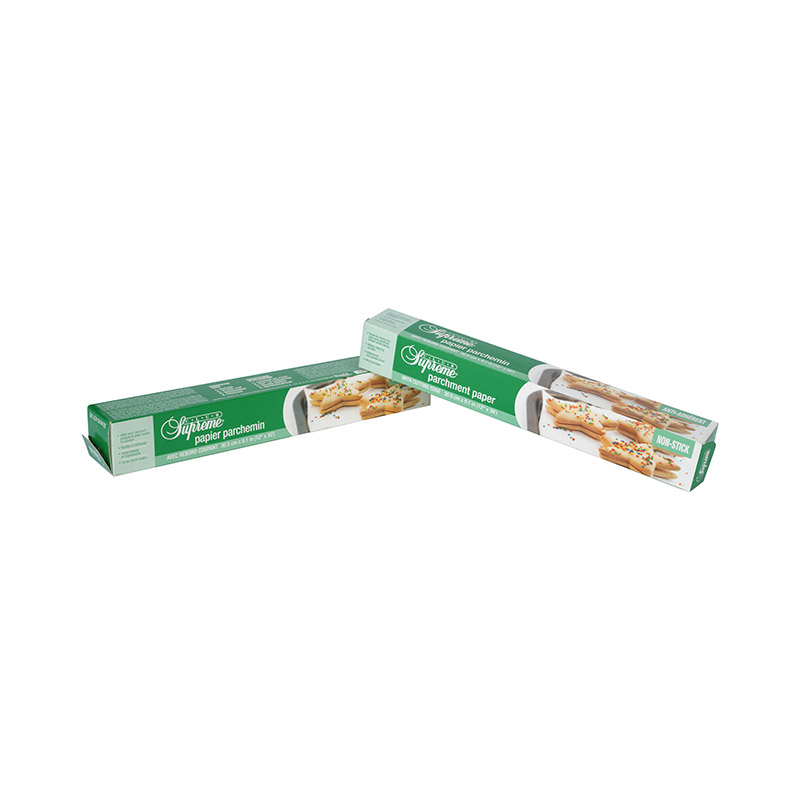
Parchment Paper vs. Wax Paper vs. Aluminum Foil
Many kitchen papers look similar but behave very differently. Understanding when to use each one will save you from ruined meals and wasted materials.
| Feature | Parchment Paper | Wax Paper | Aluminum Foil |
| Oven Safe | Yes (up to 450°F) | No | Yes |
| Non-Stick | Yes | Yes (cold use only) | Only if greased |
| Microwave Safe | Yes | Yes | No |
| Best Use | Baking, roasting | Wrapping, cold prep | Covering, grilling |
| Reusable | Sometimes (1–3 uses) | No | Sometimes |
How to Get the Most Out of Your Parchment Paper
To make sure your baking parchment performs at its best every time, keep the following practical tips in mind:
Cut It to Fit Properly
Parchment that hangs too far over the edges of a pan can fold down and catch heat, which may cause it to brown or char. Always trim your sheet so it fits snugly inside the pan with minimal overhang. Pre-cut parchment sheets sized for standard half-sheet pans are a convenient option if you bake frequently.
Crumple It for Irregular Pans
When lining a round or irregularly shaped pan, lightly crumple your sheet of parchment paper under running water, then smooth it out. The paper becomes more pliable and conforms to the shape of the pan much more easily without tearing.
Reuse When Possible
Cooking parchment can often be reused two or three times, especially when baking dry items like cookies or crackers. Simply wipe off any crumbs between batches and reuse until the paper starts to brown or become brittle. This small habit can meaningfully reduce both waste and cost over time.
Do Not Use It Under the Broiler
While parchment paper is heat-resistant up to around 450°F, broilers can exceed 500°F and generate intense direct heat. Avoid placing parchment under the broiler, as it can scorch or catch fire. Use aluminum foil for broiling tasks instead.
Smart Alternatives When You Run Out of Parchment Paper
If you find yourself mid-recipe without any baking parchment on hand, several substitutes can work in a pinch depending on the task:
- Silicone baking mats (Silpat): These reusable mats are arguably the best long-term replacement for parchment. They are non-stick, durable, and can handle thousands of uses. They are ideal for cookies, macarons, and roasted vegetables.
- Greased aluminum foil: Coat a sheet of foil generously with butter, oil, or cooking spray. It works for baking but may not provide the same clean release as parchment, especially for delicate items.
- Greased and floured pan: The classic technique of buttering and flouring a pan still works well for cakes and quick breads. This method requires no additional paper or materials.
- Non-stick baking spray: For sheet pan cookies or roasted foods, a good coat of non-stick cooking spray directly on the pan can be a quick and effective stand-in.