 English
 русский
Content
- 1 Why Professional Bakers Always Have Parchment Paper on Hand
- 2 How to Line a Baking Sheet with Parchment Paper Correctly
- 3 Parchment Paper Techniques That Will Upgrade Your Baking
- 4 Common Mistakes People Make with Parchment Paper
- 5 Choosing the Best Parchment Paper for Your Baking Needs
- 6 Storing Parchment Paper So It Stays Flat and Ready to Use
Why Professional Bakers Always Have Parchment Paper on Hand
Walk into any professional bakery kitchen and you will find rolls and stacks of parchment paper everywhere. That is not a coincidence. Baking parchment is one of the few kitchen tools that simultaneously improves results, speeds up cleanup, and protects expensive equipment. Professional bakers rely on it because consistency matters at scale — they cannot afford to have cookies stick, cakes tear, or sheet pans warp from grease buildup. For home bakers, adopting the same habits means better texture, easier pan release, and far less scrubbing after baking sessions.
Parchment paper for baking works because of its silicone coating, which creates a surface that food simply cannot bond to. Unlike butter or cooking spray, parchment does not add any flavor, moisture, or fat to your baked goods. This is especially important for delicate items like tuiles, lace cookies, or meringues, where even a tiny amount of grease can ruin the final texture. With a properly lined baking sheet, these fragile treats lift off cleanly every single time.
How to Line a Baking Sheet with Parchment Paper Correctly
Lining a pan with baking parchment sounds trivial, but doing it correctly makes a real difference in how your food cooks and how easy cleanup is afterwards.
For Flat Sheet Pans
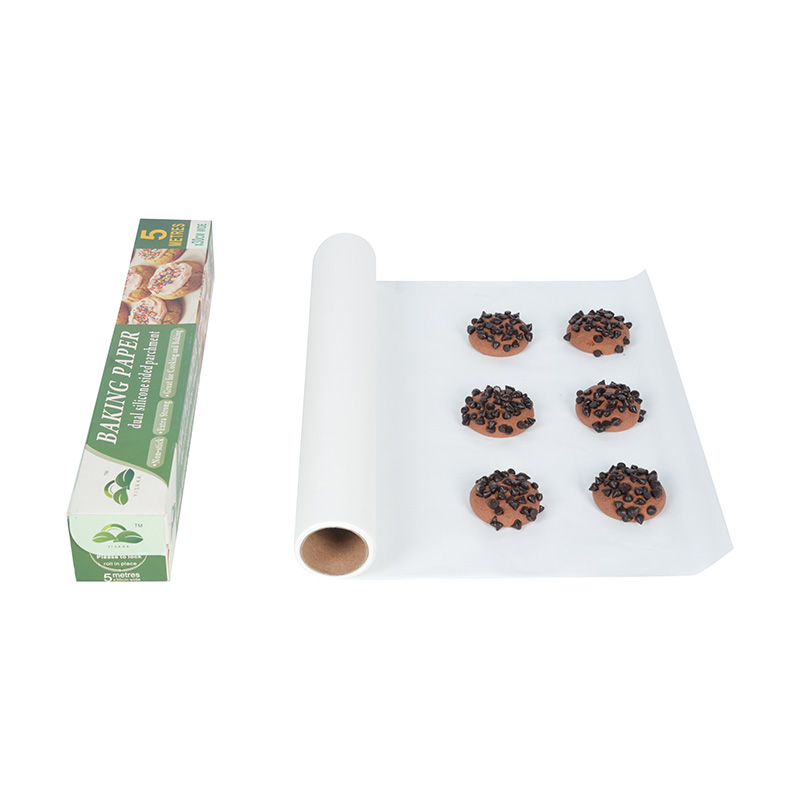
Tear or cut a sheet of parchment paper slightly larger than the base of the pan, but not so large that it curls up the sides more than about an inch. If the paper keeps curling at the edges, dab a tiny bit of butter or cooking spray on the four corners of the pan before pressing the parchment down. This anchors the sheet in place and keeps it flat while you load it with food. Precut parchment sheets are a smart investment for bakers who line pans daily, as they eliminate measuring and trimming entirely.
For Round Cake Pans
To line a round cake pan, trace the bottom of the pan onto your sheet of cooking parchment with a pencil, then cut just inside the line. The resulting circle should fit snugly in the base of the pan without wrinkling. For extra insurance against sticking, lightly grease the pan sides with butter, then press the parchment circle into the base. Some bakers also cut a separate strip to line the sides of the pan for cakes that are particularly prone to sticking, such as flourless chocolate cake or dense fruit cake.
For Loaf Pans
Cut a long rectangle of parchment paper that covers the bottom and both long sides of the loaf pan, with several inches overhanging on each side. These overhanging flaps act as handles, allowing you to lift the finished loaf cleanly out of the pan without using knives or spatulas. This technique is especially useful for banana bread, lemon pound cake, or any loaf that tends to cling to the sides.
Parchment Paper Techniques That Will Upgrade Your Baking
Beyond simple pan lining, experienced bakers use parchment paper in creative ways that can genuinely improve the quality of what comes out of the oven.
The Cartouche Method
A cartouche is a circle of parchment paper cut to fit directly on the surface of a liquid or semi-liquid mixture, such as a pastry cream, caramel sauce, or braising liquid. Pressing parchment directly onto the surface prevents a skin from forming as it cools, keeps moisture from evaporating too quickly, and ensures even heat distribution during slow-cooking. Professional pastry chefs use this technique constantly, and it is easy to replicate at home with just a pair of scissors.
Piping Bags Made from Parchment
A triangle of baking parchment can be rolled into a tight cone and used as a disposable piping bag for chocolate drizzles, royal icing, or cream fillings. Simply roll the triangle into a cone, fold the top edges down to secure it, fill it with your chosen medium, and snip the very tip for a small opening. This technique is quick, produces no extra dishes to wash, and gives you precise control over fine decorative details.
Transferring Dough Without Sticking
Sticky doughs like shortcrust pastry, gingerbread, or laminated doughs can be a nightmare to transfer from the countertop to a baking pan. Rolling dough between two sheets of parchment paper completely eliminates the need for excess flour, preventing the dough from toughening. Once the dough is rolled to the right thickness, you can peel off the top sheet and flip the dough directly onto the pan, using the bottom sheet for support.
Blind Baking Pie Crusts
When blind baking a pie crust (pre-baking before adding a filling), line the unbaked crust with a sheet of parchment paper before filling it with pie weights or dried beans. The parchment prevents the weights from embedding into the dough and makes removing them after baking effortless. Without it, weights can leave marks on the crust or stick in the surface.
Common Mistakes People Make with Parchment Paper
Even experienced home bakers sometimes misuse parchment paper in ways that compromise their results. Here are the most frequent errors and how to avoid them:
- Using it under the broiler: Parchment paper is not rated for broiler temperatures, which can exceed 500°F. Placing it under the broiler risks scorching or igniting the paper. Switch to aluminum foil for any broiling task.
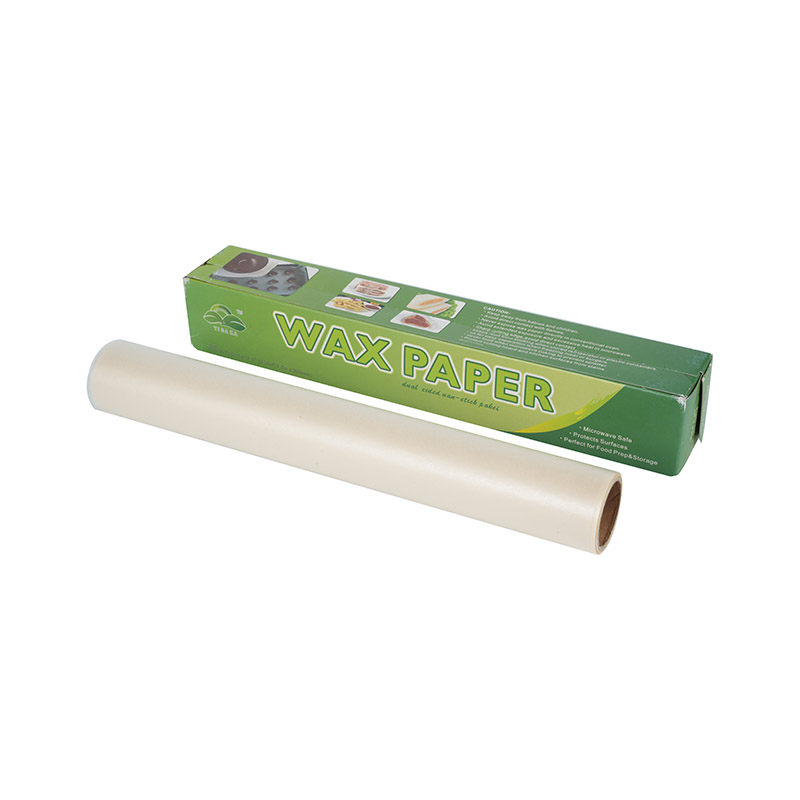
- Confusing it with wax paper: Wax paper looks nearly identical to parchment but is coated in wax, not silicone. Putting wax paper in the oven causes it to melt and smoke. Always check the label before using.
- Letting it hang too far over the pan edges: Large overhanging edges can fold down during baking, block airflow, or even touch the oven heating element. Trim parchment to fit the pan properly before loading it.
- Reusing it too many times: While parchment can be reused a few times for dry baking, using a heavily browned, brittle, or greasy sheet increases the chance of tearing or off-flavors transferring to your food. Replace it when it looks visibly worn.
- Not anchoring it to the pan: A loose sheet of parchment can shift when you slide a pan into the oven, causing cookies or dough pieces to slide and bunch together. Use a small dab of grease to hold the parchment firmly in place.
Choosing the Best Parchment Paper for Your Baking Needs
Not all parchment paper products are created equal. Here is a quick guide to help you choose the right type for your specific baking habits:
| Type | Best For | Pros | Cons |
| Roll (bleached) | General everyday baking | Widely available, affordable | Curls at edges |
| Precut sheets | High-volume baking | Flat, no trimming needed | Less flexible in size |
| Unbleached roll | Eco-conscious bakers | No chlorine processing | Brown color, similar curling |
| Quilon-coated | Budget-conscious bakers | Lower cost | Less heat resistant than silicone |
| Heavy-duty rolls | Frequent, heavy baking use | More durable, reusable longer | More expensive upfront |
Storing Parchment Paper So It Stays Flat and Ready to Use
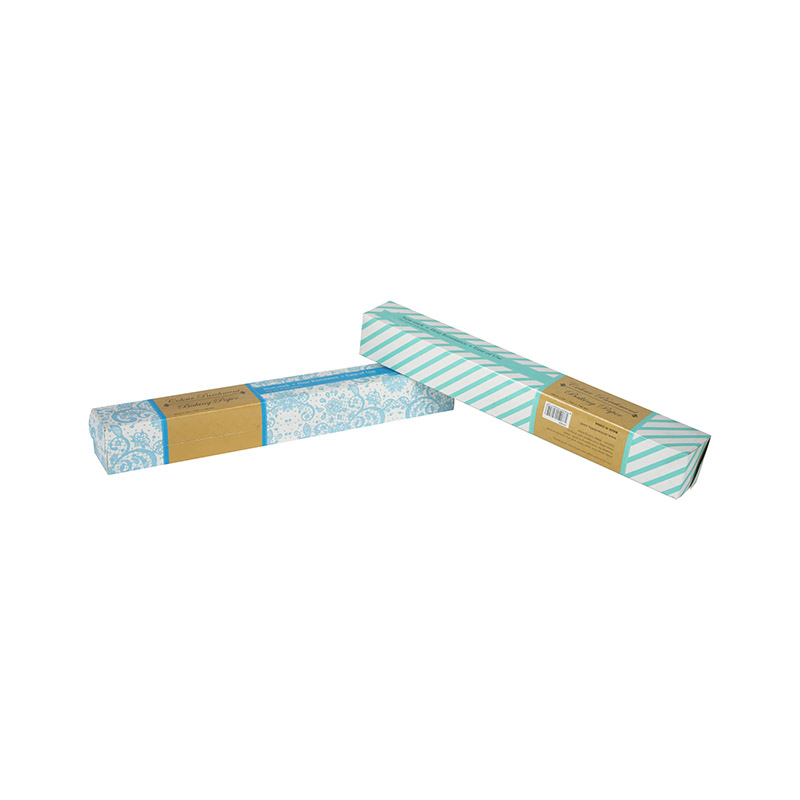
One minor frustration with rolled parchment paper is that it tends to curl at the edges when you tear off a sheet, making it harder to keep flat in the pan. A few smart storage habits can minimize this problem. Store your roll in a cool, dry drawer rather than a warm cabinet near the oven, as heat encourages the paper to curl tighter around the roll. If you have space, keep a box of precut flat parchment sheets — they lie perfectly flat every time with no rolling tension.
For bakers who go through large amounts of parchment paper regularly, purchasing in bulk from restaurant supply stores is a practical way to save money. Commercial-grade parchment sheets are typically thicker, lie flatter, and perform more reliably than standard supermarket rolls. They are also more cost-effective per sheet over time, especially if you bake multiple batches per week. Keeping a well-stocked supply of baking parchment on hand means you will never have to improvise with inferior substitutes in the middle of a recipe.