 English
 русский
You’ve just pulled a tray of sticky roasted vegetables out of the oven, and the baking sheet looks like it needs an overnight soak. You know parchment paper would have prevented this, but you’re not sure which roll to buy the next time. The short answer is that good baking parchment paper should release food easily, hold up to oven heat, and carry the right food-contact approvals. What matters is how you check those qualities before you buy.
Content
What baking parchment paper actually is
Baking parchment paper is a cellulose-based paper treated with a release coating, usually food-grade silicone, to make it non-stick and heat-resistant. The base paper can be bleached or unbleached, and the coating is what separates it from ordinary kitchen paper. When the silicone layer is applied properly, the paper withstands oven temperatures well beyond typical baking needs.
In practical terms, this means you can line a pan, bake cookies, roast vegetables, or even cook fish in a parchment packet without food sticking. The paper also prevents direct contact between food and metal, which helps reduce the need for cooking spray or extra fats.
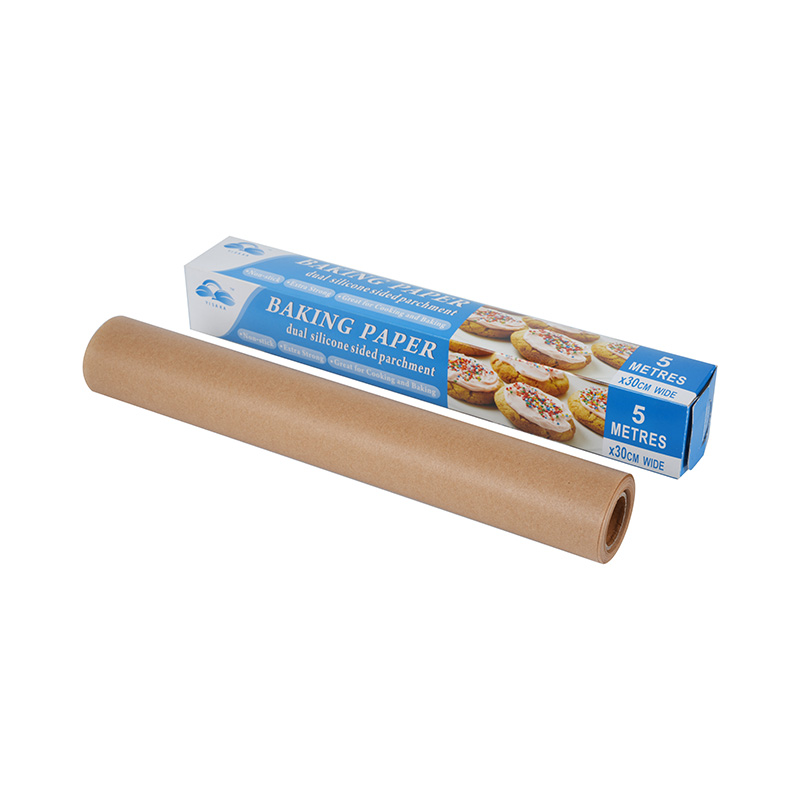
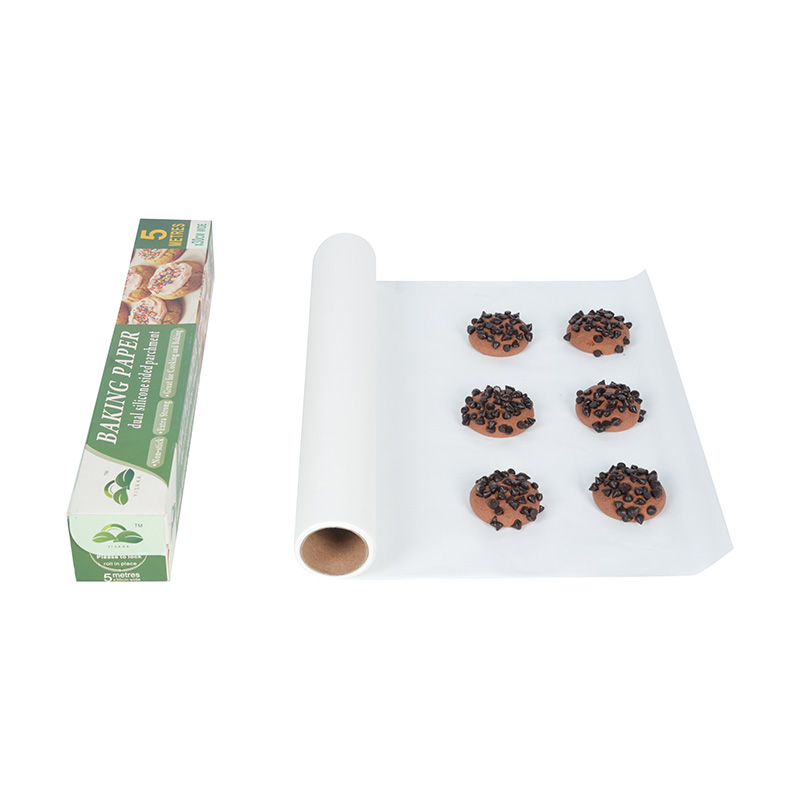
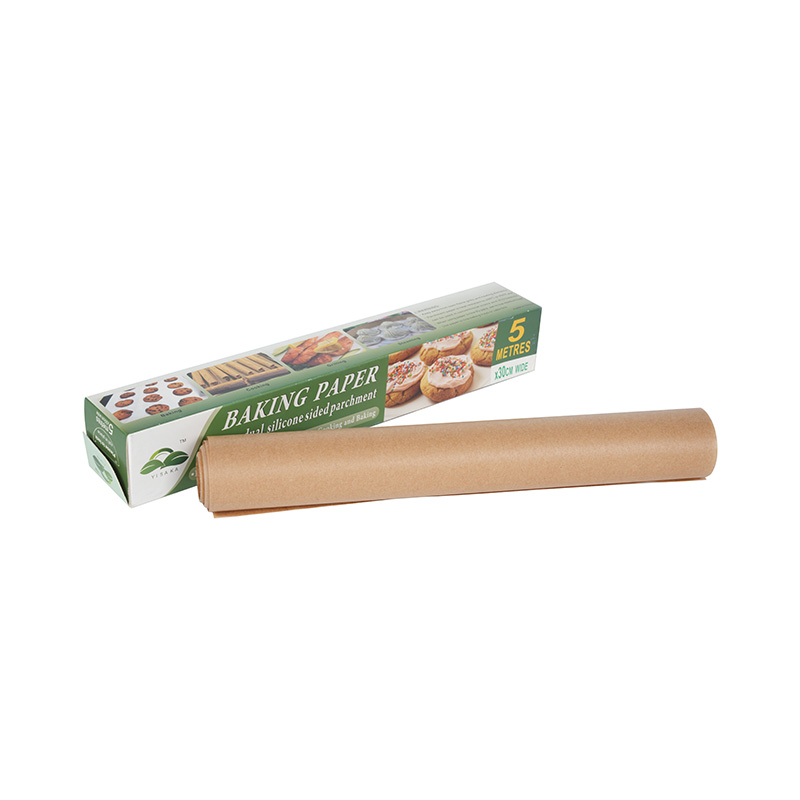
 Non-Stick Silicone Parchment Paper for Baking and CookingMade from virgin wood pulp with double-sided silicone coating, this paper prevents sticking and reduces the need for extra fats, ideal for lining pans and baking cookies or roasting vegetables.View Product →
For someone who bakes weekly, a roll of nonstick silicone parchment paper gives you consistent release and predictable behaviour across different oven temperatures. You can rely on it for high-heat pastries as well as everyday tray bakes.
Key specifications to check before buying
Not all baking parchment paper is the same. The specifications that matter most are the silicone coating weight, the heat tolerance, whether the paper is unbleached or bleached, and whether it carries food-safety certifications. These parameters affect how the paper performs in a home oven and how it handles continuous use in a commercial kitchen.
| Parameter | Home use | Commercial use |
|---|---|---|
| Silicone coating | Look for a double-sided or heavy-duty coating if you bake sticky or high-moisture items. | Consistent coating weight prevents sticking during long production runs. |
| Heat tolerance | Most parchment paper handles 220°C (425°F) or higher. Check the label for a specific limit. | Tolerance of 220°C is a minimum for bakeries; some ovens run hotter. |
| Unbleached vs bleached | Unbleached paper is a common preference for reduced chemical exposure. | Bleached paper can be fine if it meets food-contact approvals. |
| Certifications | FDA and EU food-contact compliance give confidence for home cooking. | FSC, Kosher, and FDA/EU are often requested by export customers. |
| Packaging form | Rolls are convenient; pre-cut sheets save time. | Bulk rolls and interleaved sheets reduce handling cost. |
When you compare products, pay attention to the temperature rating and the coating type. A paper rated for 180°C might work for cakes but fail when you roast vegetables at 220°C. The coating weight also matters: a thin coating may release food on the first bake but become unreliable after the paper cools and contracts.
If you are buying for a food business, certification is a non-negotiable part of the specification. It is not about looks; it is about proving that the coating and base paper are safe for direct contact with food at the intended temperature.
Practical uses beyond lining a baking sheet
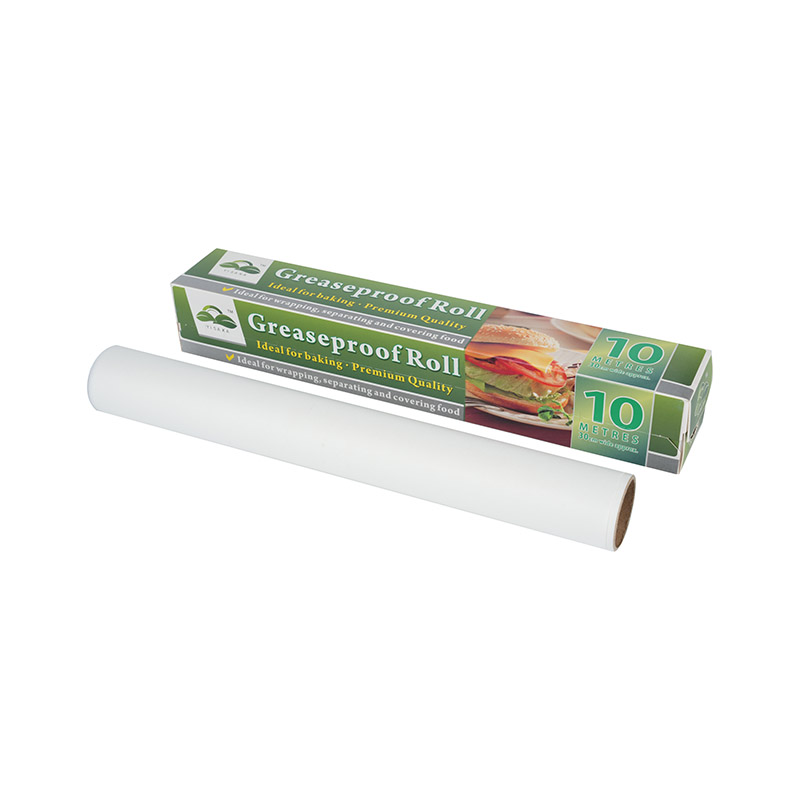
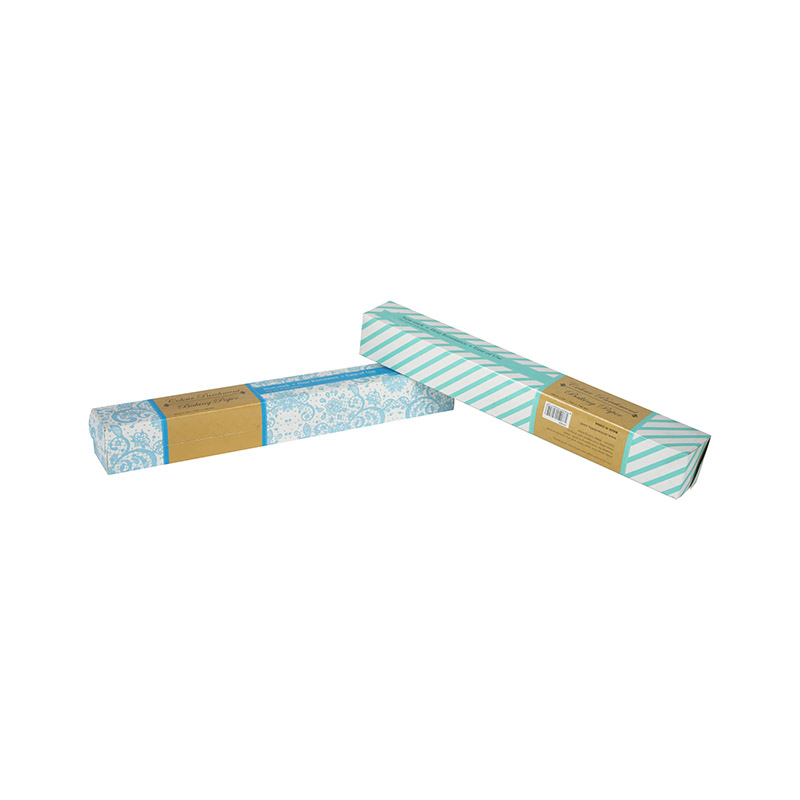
Baking parchment paper is most often associated with cookies and sheet cakes, but its real value appears when you use it as a tool in everyday cooking. It can be folded into packets for steaming fish and vegetables, used to separate frozen burgers or patties, or cut into sheets to line an air fryer basket. Because the paper is grease-resistant, it also works well for wrapping sandwiches and pastries that need a little protection.
 Multifunctional Baking Paper for Oven, Grill, Air FryerThis versatile paper supports various cooking methods including baking, grilling, and air frying. Its grease-resistant and tear-resistant properties simplify cleanup and allow convenient cutting to fit any dish.View Product →
One of the reasons many home cooks appreciate parchment paper is that it simplifies cleanup. Instead of scrubbing burnt sugar off a pan, you lift out the paper and throw it away. For commercial kitchens, the same property translates to shorter cleaning cycles and lower water consumption. This is why bakeries, restaurants, and food processing companies often switch from bare metal trays to lined trays when they measure their operating costs.
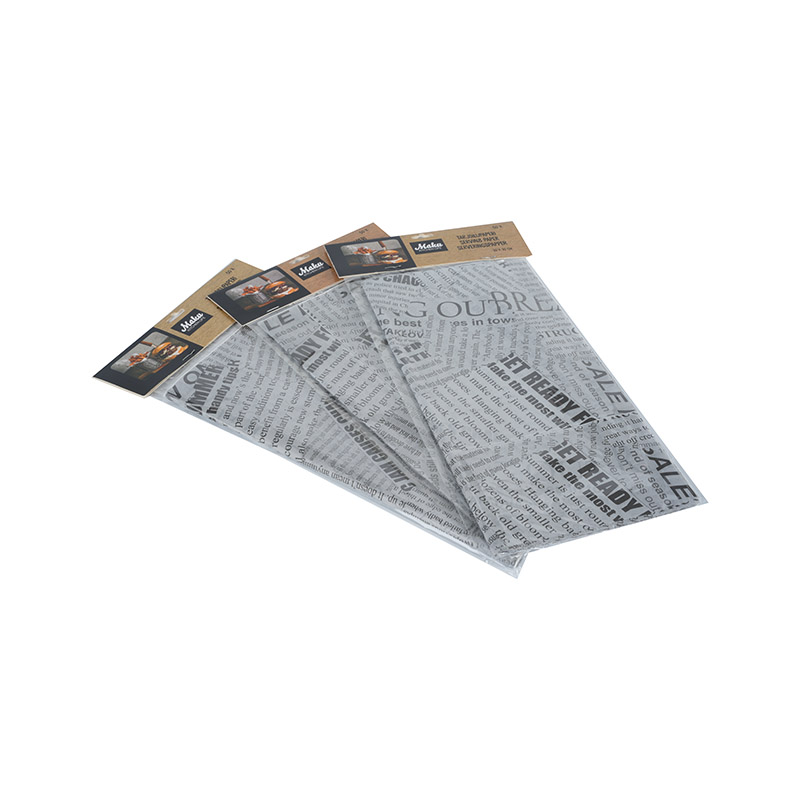
For more details on how to get the most out of this paper in different cooking methods, see this practical guide to baking parchment paper.
What to avoid and safety notes
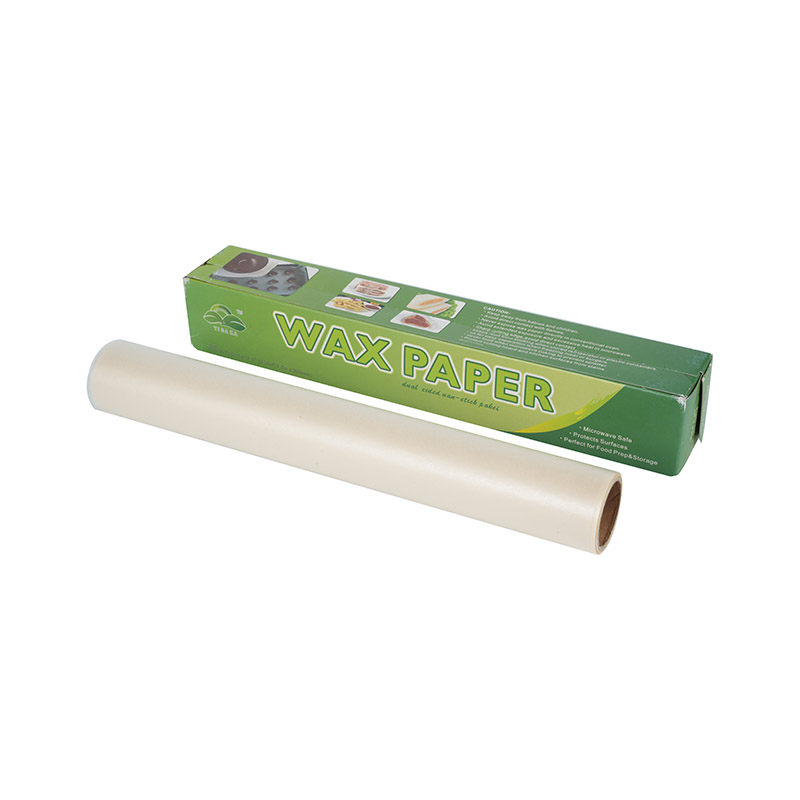
Baking parchment paper should not be confused with wax paper. Wax paper has a paraffin coating that melts at lower temperatures, and it is not designed for oven use. If you use wax paper under a hot broiler, the wax can melt onto the food and create a fire risk. Parchment paper, by contrast, is heat-stable because the coating is silicone rather than wax.
Another common issue is using parchment paper above the manufacturer’s temperature limit. Even silicone can degrade if the paper is exposed to extreme heat for a long time. The safe approach is to read the roll’s label and remember that an air fryer or broiler may have a higher temperature than your oven’s standard setting.
Food-grade certification is also a safety factor. If the paper is not certified for food contact, it could contain additives that migrate into food when heated. This is why it is worth buying from a supplier that can provide SGS, FDA, or EU compliance documents. These documents are not just paper; they give you traceability and a legal baseline for what the material contains.
Commercial buyers: what to check before placing a bulk order
If you run a bakery, restaurant, or food processing line, your considerations are broader than a home baker’s. You need to know the maximum oven temperature your trays will reach, the typical batch size, and whether the paper can be unwound and cut without tearing. You also need to think about storage: parchment paper can absorb moisture in a humid kitchen, which makes it harder to separate sheets and can reduce its release performance.
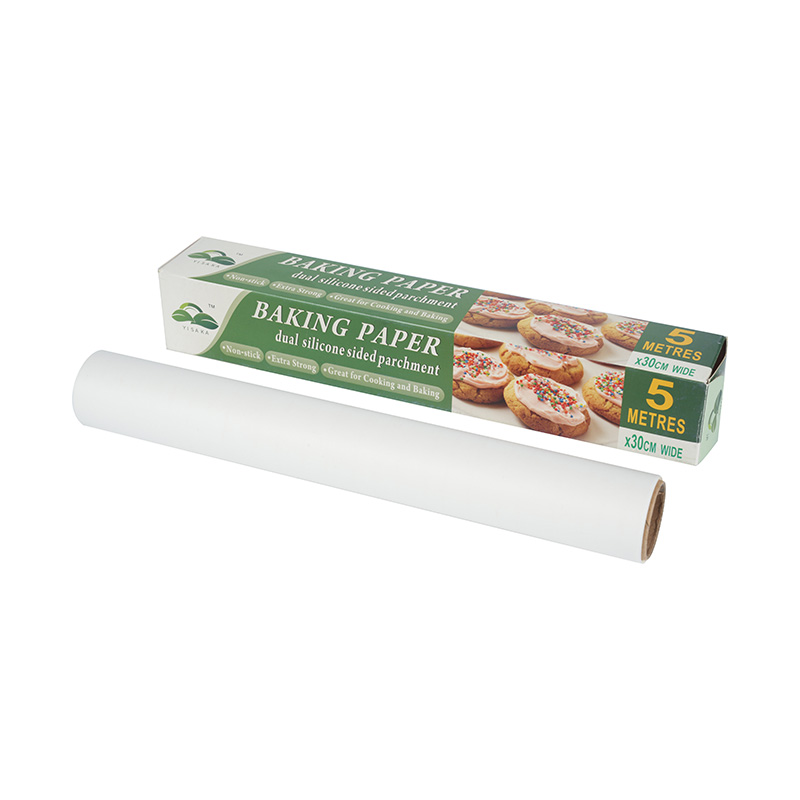 Dual-Sided Silicone Parchment Paper Rolls for Commercial UseThese rolls feature double-sided silicone coating for reliable non-stick performance and even heat distribution. The roll design allows customizable lengths, making them cost-effective for bakeries and food processing lines.View Product →
For large-scale operations, a heavier-weight, double-sided silicone coating usually provides a more reliable release and better resistance to greasy foods. It also allows you to reuse the paper once or twice for segmented baking, which can reduce overall cost per tray. Bulk rolls are often more economical than pre-cut sheets, but you need a cutting station that can handle the roll size without slowing down packing.
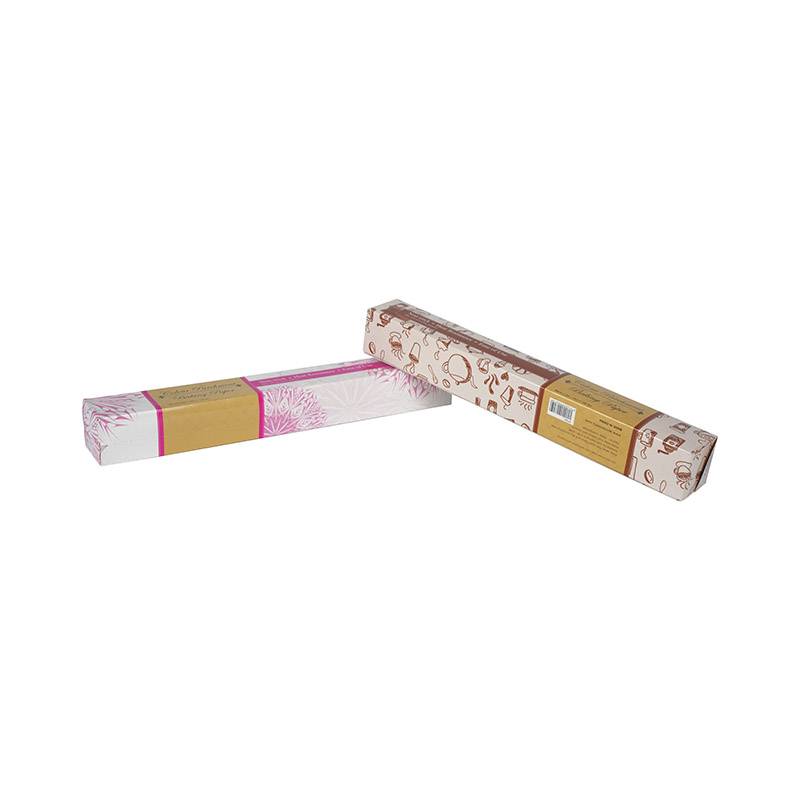
Compliance is the other half of the buying decision. Most export customers require the paper to meet FDA or EU food-contact standards, and some brands also ask for FSC certification to show a sustainable fibre source. If you are supplying a retail brand, printed parchment paper with your logo can be an added service, but it should not compromise the food-contact properties of the paper.
Choosing baking parchment paper is a simple decision that has a real impact on your kitchen workflow and your food quality. Start with the basics: silicone coating, heat tolerance, and food-contact certification. Then match the paper to your specific use, whether that is a weekend cookie bake or a continuous production line. With the right product, the most noticeable difference is not just that nothing sticks. It is that you can spend less time scrubbing and more time baking.