 English
 русский
An operations manager at a Seattle bakery recently asked us whether a parchment paper labeled "eco friendly" could go into the city's commercial compost stream. The short answer: it depends, and most suppliers do not make it easy to find out. A genuinely eco friendly parchment paper is defined by three things: the source of the fiber, the chemistry of the release coating, and the way the user disposes of it after cooking. Since 2013, our factory has supplied food-grade paper to buyers in North America, Europe, Australia, Asia, the Middle East and Africa. Those same three factors decide whether any product can honestly carry the "eco friendly" label. This article walks through each one in practical terms, so you can verify claims instead of taking them on faith.
Content
Why Conventional Parchment Paper Falls Short
Most baking parchment is made from wood pulp that has been bleached with chlorine or chlorine compounds. That bleaching step can create dioxins and other persistent by-products that accumulate in the environment. White parchment is not automatically a problem — some mills use oxygen-based bleaching that avoids chlorine entirely — but the majority of conventional products still rely on chlorine chemistry.
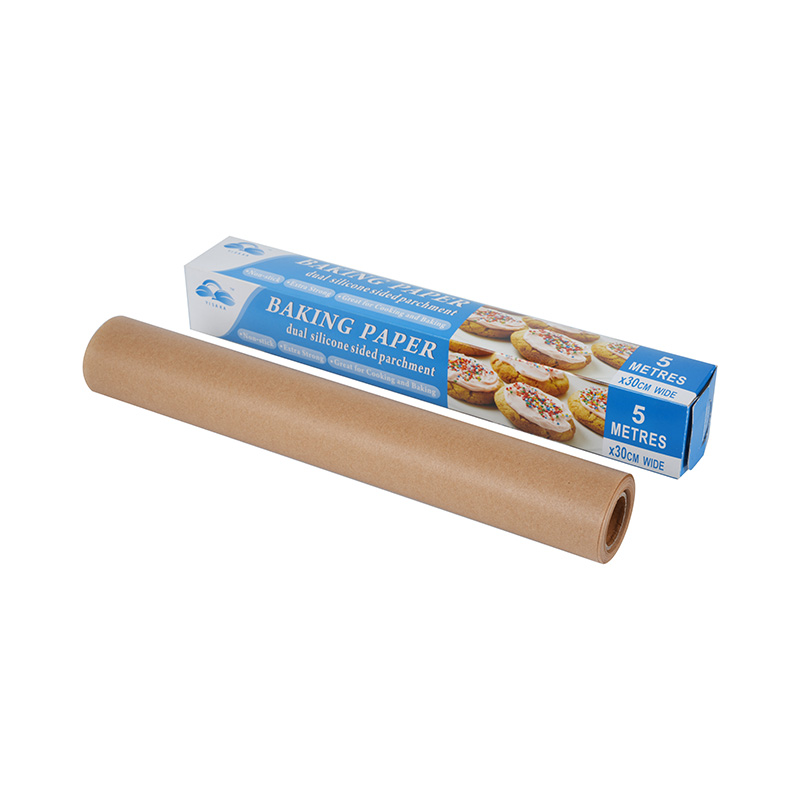
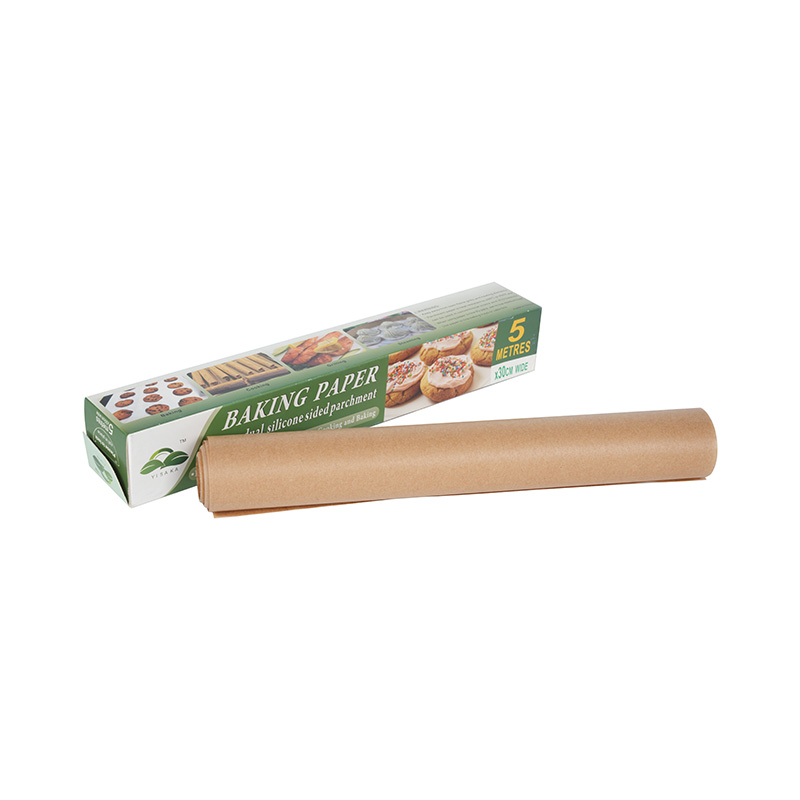
The release coating is the second issue. Food-grade silicone performs well in the oven and releases cakes and roasted vegetables cleanly, but it slows down composting because the coating does not break down as quickly as the paper fibers around it. Unbleached parchment avoids chlorine chemistry altogether, and manufacturers who choose it usually also pay closer attention to the coating and the origin of the pulp. That is why most eco friendly programs start with unbleached paper.
Does that mean every brown parchment paper is eco friendly? No. Brown simply tells you the pulp was not bleached; it says nothing about whether the forest was managed responsibly, whether the coating is food safe, or whether the finished sheet will compost within a reasonable time. Color is a useful hint, but it is not a certification.
How to Verify an Eco Friendly Parchment Paper
Start with the certifications. A claim means little until it is backed by a document that can be traced to the factory that made the paper. The table below lists the most common claims on eco friendly parchment packaging and the documents that verify them.
| Claim | What It Means | What to Check |
|---|---|---|
| Unbleached / TCF | No chlorine or chlorine compounds used in the pulping process | Ask for a bleaching statement; confirm TCF or oxygen-based process |
| FSC certified | Fiber comes from forests managed to environmental and social standards | FSC certificate number and chain-of-custody documentation |
| Food contact safe | Base paper and coating are approved for direct food contact | FDA or EU 10/2011 compliance statement; SGS test report |
| Home compostable | Breaks down in a backyard compost bin, not only in industrial facilities | Home compost certification label and the time frame stated |
| Kosher | Production process meets Jewish dietary requirements | Current Kosher certificate from a recognized authority |
The word "compostable" needs special attention. In some markets, compostable refers to industrial facilities that maintain high heat and controlled moisture. Home compost is a stricter standard because conditions are less predictable. If a home baker or a deli with a small green bin needs the paper to break down in a backyard pile, they need a home-compostable statement — not just a general "biodegradable" label. Biodegradable, in practice, tells you almost nothing about time frame or conditions.
For a commercial buyer, the fastest check is simple: ask the supplier for the same documents they send to their export customers. A factory that exports to Europe or North America should be able to provide FDA or EU compliance statements, and ideally SGS test reports and a current FSC or Kosher certificate. If a supplier hesitates, treat that as a red flag.
For bakeries that want a clean starting point, a non-toxic bakery release paper made from unbleached pulp offers a straightforward baseline. It keeps the paper free from chlorine chemistry and gives you a defensible story to tell your customers.
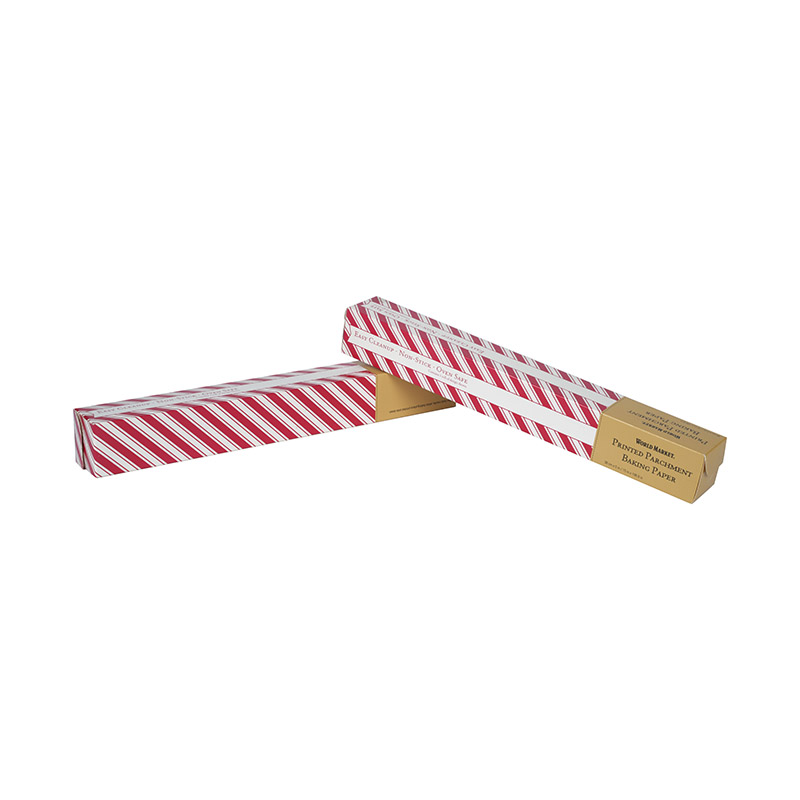 Non-Toxic Unbleached Pulp Bakery Release PaperThis parchment paper is made from unbleached virgin wood pulp with double-sided silicone coating, offering a chlorine-free baseline. It's positioned as a clean starting point for bakeries aiming for a defensible sustainability story.View Product →
If you want to go deeper into the full lifecycle of these products, our complete guide to sustainable baking covers the production steps in detail.
What Commercial Buyers Should Consider
For a bakery, deli or food truck operation, the practical question is not whether eco friendly parchment paper exists — it does — but whether the supply can hold up under daily use. Home-compostable sheets tend to be thinner and less resistant to grease, while heavy-duty silicone-coated papers may take longer to break down in compost. A commercial kitchen usually needs a middle ground: a paper that is strong enough for the cooking task, coated well enough to release food cleanly, and still acceptable from a sustainability standpoint.
Before committing to a supplier, ask about production capacity, lead time and quality control. A factory that produces up to 15,000 tons per year and exports to more than 30 countries carries less risk than a trader who buys from multiple mills, because the processing parameters — silicone coating weight, basis weight, cut tolerance — stay consistent from batch to batch. Consistency matters more than a slightly lower per-roll price when you are buying hundreds of cases.
Choosing a Format That Matches Your Operation
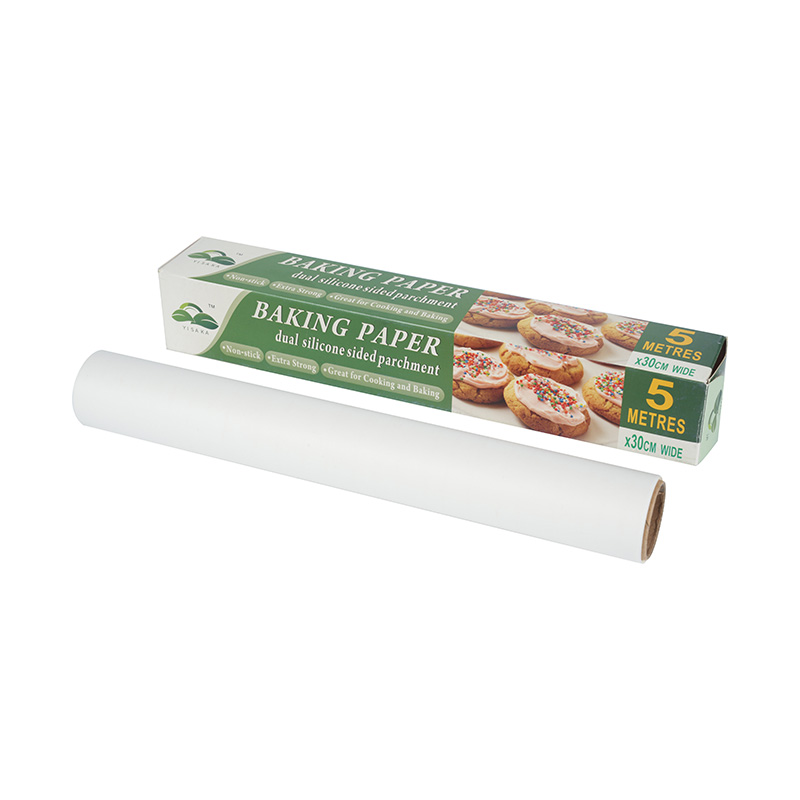
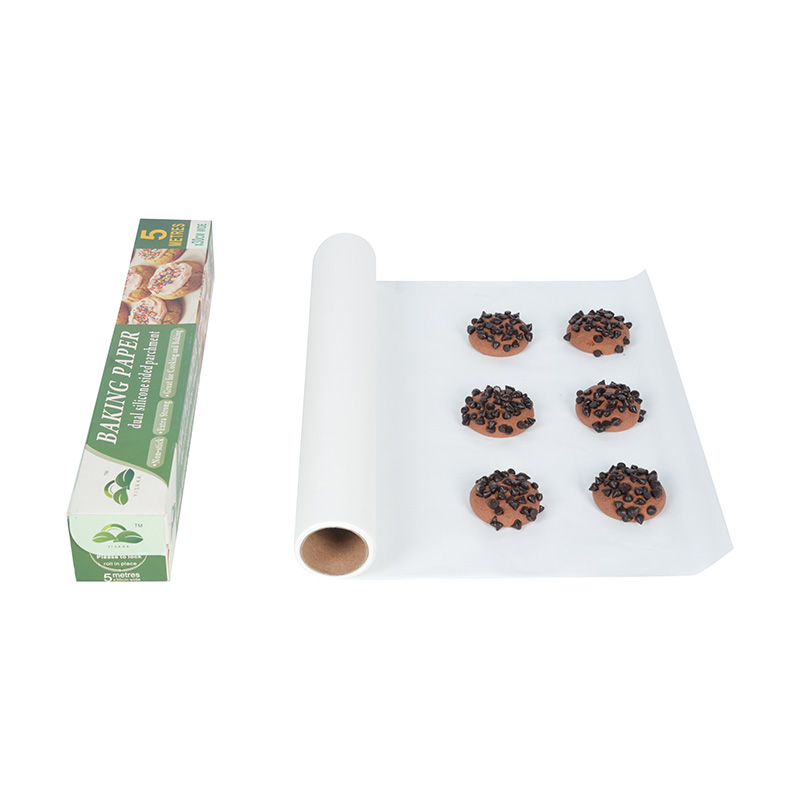
Standard rolls are the backbone of most kitchens because they can be torn to any length. A dual-sided silicone parchment roll gives the same release on both sides, which saves thought when you are lining sheet pans on a busy morning. For operations that portion food in advance, pre-cut sheets or pan liners reduce waste because staff are less likely to tear off overlarge pieces.
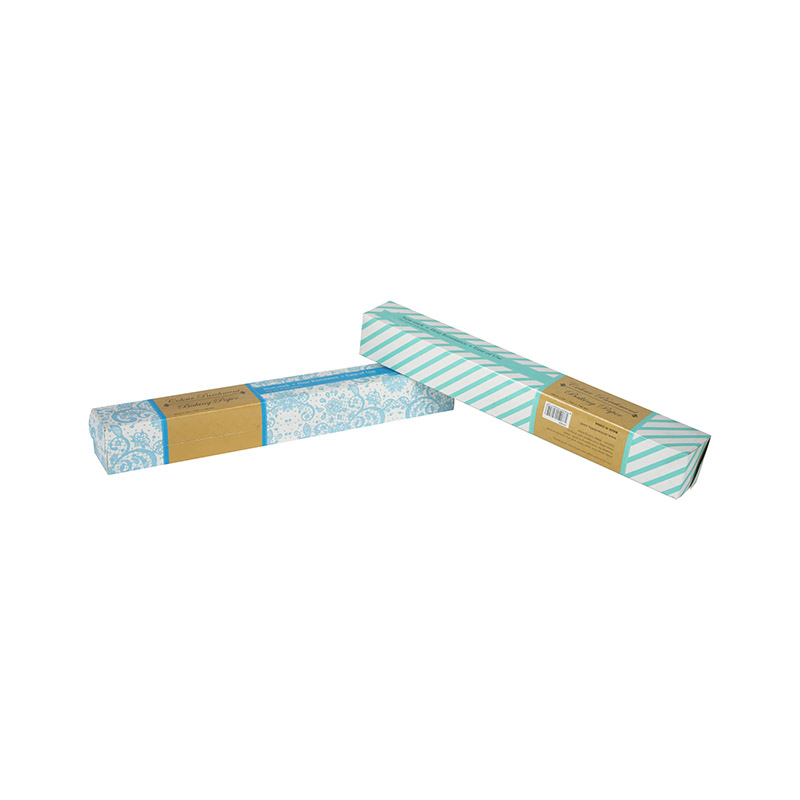 Dual-Sided Silicone Parchment Paper RollsA flexible kitchen essential, these rolls feature double-sided silicone release for effortless pan lining. Precut options reduce waste, making it practical for operations that portion food in advance or need versatile tear-to-length convenience.View Product →
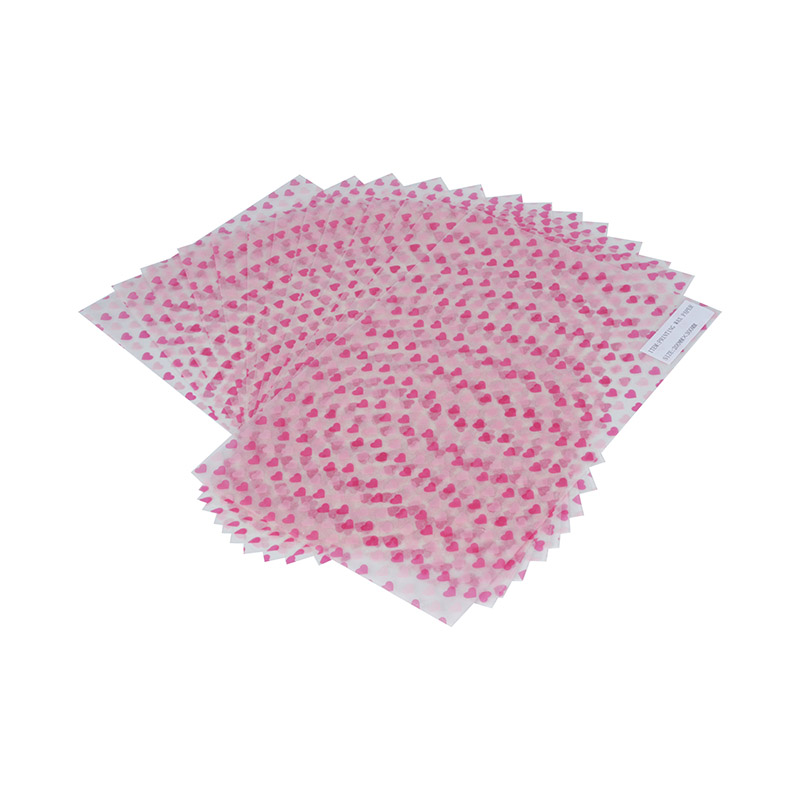
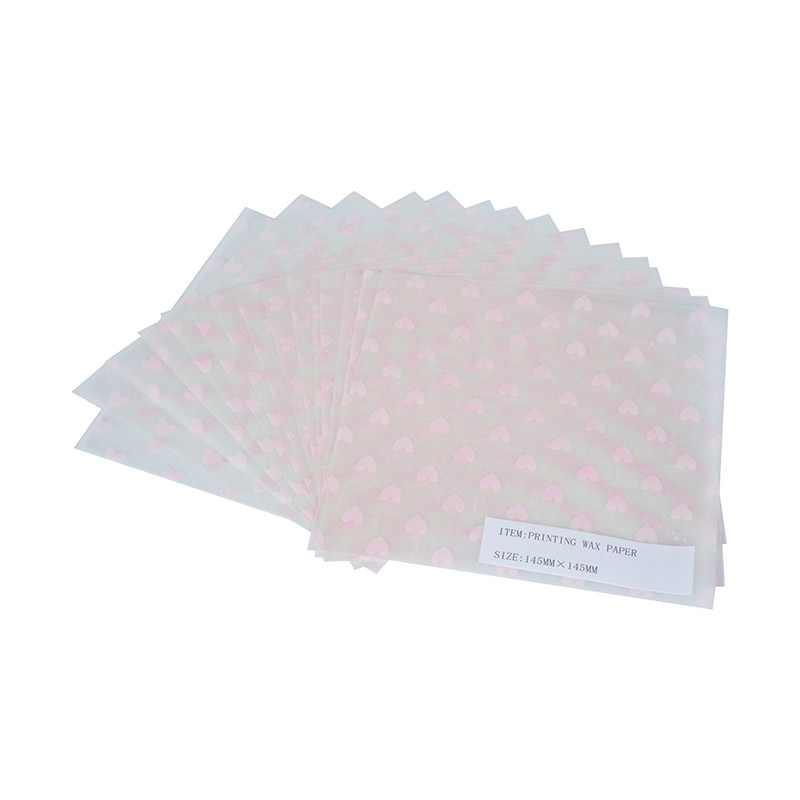
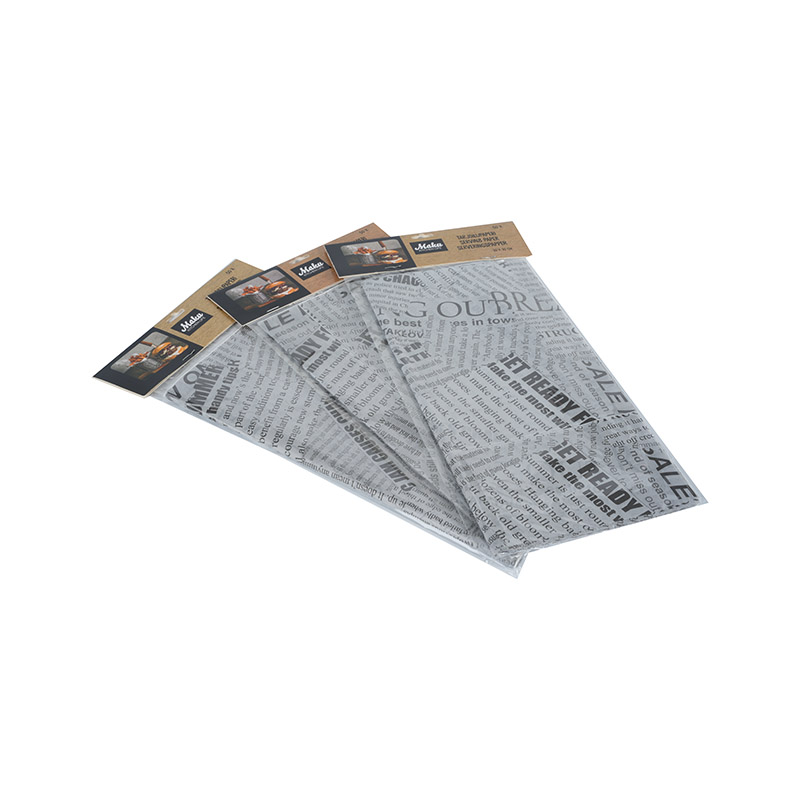
Printed parchment adds a brand layer to the same material. It lines the pan in the oven and then finishes as the wrap at the counter or inside a takeout bag. A printed high-heat baking parchment uses food-safe inks and the same base paper as the unprinted version, so the certification list does not change. It is an economical way to test branded packaging without investing in new boxes or bags.
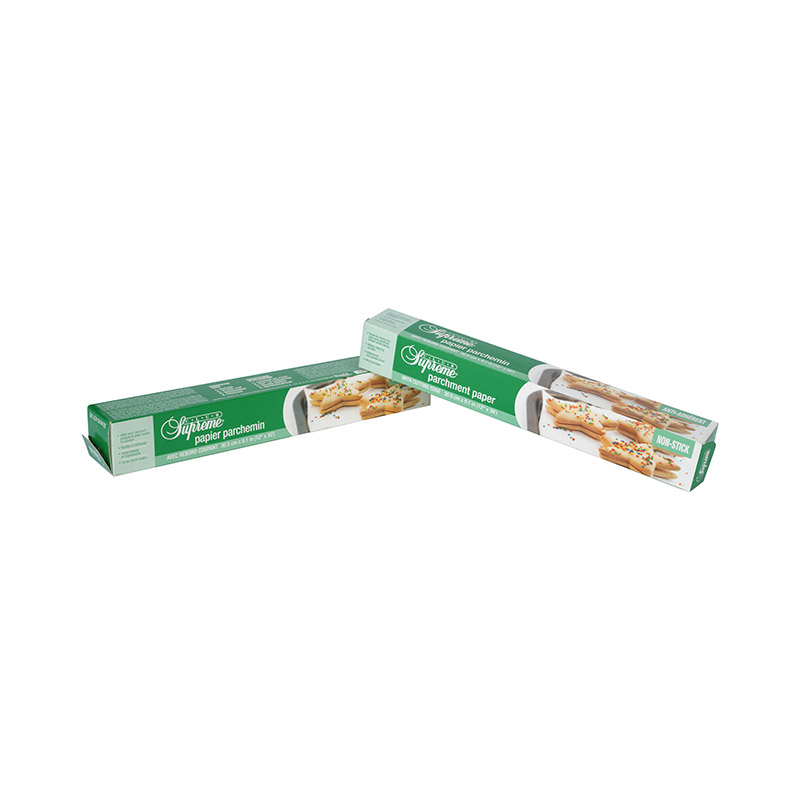 Printed High-Heat Baking Parchment with Food-Safe InksThis parchment combines the same non-toxic base paper with letterpress printing for branding. It withstands oven heat and works as wrap, allowing bakeries to test custom packaging economically without changing certification status.View Product →
Customization goes beyond printing. You can specify basis weight, roll width, sheet size, perforation and packing format, which is common for buyers who serve multiple restaurant locations or distribute to retail. The key is locking down the specification with the factory before the first production run, then requesting a copy of the technical data sheet with every shipment so you can verify the batch still meets the original parameters. If you are comparing suppliers, review our parchment paper collection and cross-check the formats that match your daily operation — rolls, sheets, printed — then ask for samples of each.
How to Use and Dispose of It Correctly
Eco friendly parchment paper only delivers its environmental benefit if it ends up in the right waste stream. A compostable sheet that goes into a landfill liner does not compost; it contributes to methane in the same way as any other organic waste. The following points cover the practical side of using and discarding it.
- Check the temperature rating before use. Most parchment papers are rated for continuous heat around 220°C (425°F), but lightweight sheets may be rated lower. Keep the paper away from direct flame and heating elements.
- For steaming, choose perforated or unbleached steam paper designed for moisture. Regular parchment can work too, but it may tear more easily when wet.
- For air fryers, cut the sheet to fit the basket so it does not block airflow. A few millimeters of clearance around the edge keeps the paper from pressing against the heating coil.
- For freezer storage, coated paper is moisture resistant and helps separate hamburger patties, fish fillets or bread dough before freezing.
- Do not reuse paper that is heavily soiled or torn. Lightly used sheets can be reused for moderate-temperature roasting, which stretches the value of a more expensive unbleached sheet.
Disposal is where most eco friendly claims break down. If the paper is clean and dry, many recycling programs accept it with other paper, but commercial composters often reject it because the silicone coating is difficult to quantify. If the paper is greasy or food-stained, do not put it in recycling; in most areas, composting is preferable when the product is certified home or industrial compostable. Check the certificate, then check your local waste authority's rules. A genuine eco friendly parchment paper should state on the box which waste stream it is designed for.
Choosing an eco friendly parchment paper is not about finding a single perfect product. It is about linking the fiber source, coating chemistry and disposal path together. For a home baker, an unbleached roll with a clear compost statement may be enough. For a business, the same logic applies, but the evidence needs to be documented: certification files, technical specifications and stable supply. When the factory can provide all of those, the label "eco friendly" stops being a marketing phrase and becomes a purchasing specification.