 English
 русский
Searching for greaseproof paper manufacturers is rarely just about finding a factory that can quote a price per ton. Food businesses need a partner who understands grease resistance, food-contact compliance, print quality and delivery reliability at the same time. A burger chain in Europe, a bakery distributor in Australia and a frozen-food processor in the Middle East may all ask for "greaseproof paper," yet each one needs a slightly different sheet, roll or printed wrapper.
That gap between a generic product name and a precise specification is where most sourcing projects either succeed or stall. As a food packaging paper converter working with buyers in more than 30 countries, YISAKA has seen both outcomes many times, and the difference almost always comes down to how well the manufacturer understands the application behind the order.
Content
What Greaseproof Paper Manufacturers Actually Supply
Greaseproof paper is a family of products rather than a single SKU, and the differences between grades directly determine which orders a manufacturer can accept. Most factories describe their range in three groups: uncoated greaseproof paper, coated or release-coated paper, and converted formats such as printed wraps, interleaved sheets and die-cut liners.
Uncoated Greaseproof Paper
True greaseproof paper achieves its barrier through refining rather than chemistry. Wood pulp is beaten until the cellulose fibers hydrate and collapse, producing a dense sheet with very small pores. Fat and oil cannot easily pass through, even though no coating has been applied. Buyers choose this grade when they want paper that wraps, separates and lines food without adding a plastic or silicone layer, and it is widely used for sandwich interleaves, tray liners, deli sheets and fresh-food packaging. Typical grammages sit between 30 and 60 gsm, with higher weights giving more stiffness and a stronger barrier.
Coated and Release-Coated Grades
Where non-stick performance matters, manufacturers add a silicone or wax layer. A silicone coating on one or both sides turns greaseproof base paper into a release liner for baking trays, air fryer baskets and burger patty stacks. Waxed grades add moisture resistance for candy, cheese and frozen items. These coatings must be food-contact approved, and the coating weight is usually the first thing to confirm during sampling, because it controls release performance and cost.
Converted Formats: Rolls, Sheets and Printed Wraps
Greaseproof base paper is only half of the product. Downstream equipment decides the final form: rolls for automated wrapping lines and dispensers, flat sheets for manual wrapping and tray lining, die-cut circles and perforated sheets for steamers and air fryers, and printed wraps for branded fast food. A manufacturer that only sells parent reels will rarely be the best fit for a restaurant chain, which usually needs finished, cut-to-size goods.
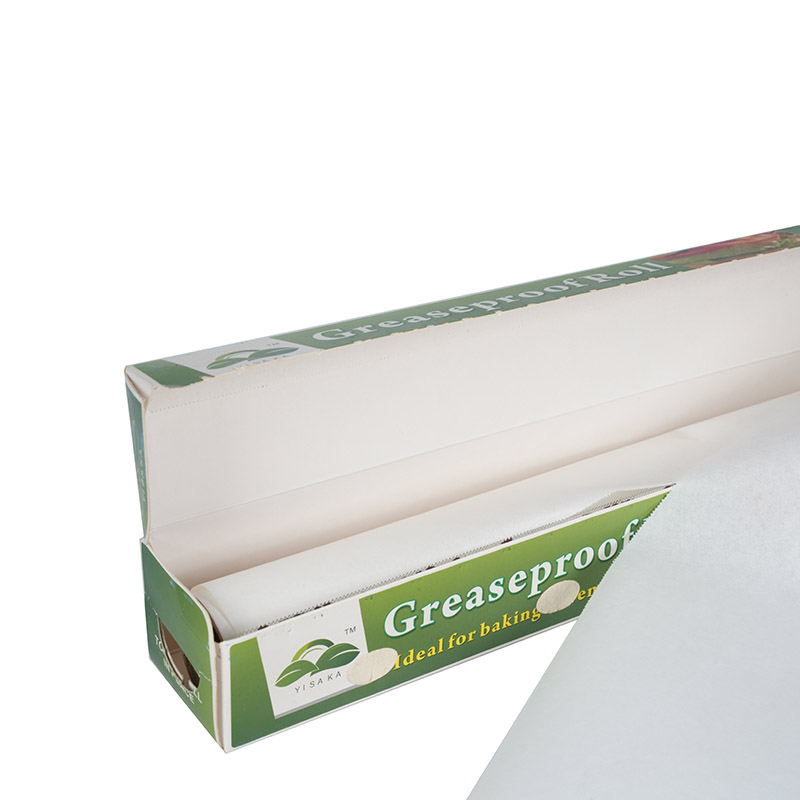 Custom Greaseproof Paper Ideal For Wrapping, Separating And Covering FoodCoating Side Single SideView Product →
How Greaseproof Paper Goes From Pulp to Pallet
Understanding the production route helps buyers ask better questions during a factory audit or sample review. The process has three broad stages.
Pulp Preparation and Refining
Manufacturers start with virgin wood pulp or a controlled fiber blend, disperse it in water and refine it in disc or conical refiners. The refining intensity, often tracked as freeness, is the single most important variable for grease resistance. Under-refined pulp produces a porous sheet that leaks oil; over-refined pulp costs energy and can slow drainage on the paper machine. Consistent results come from controlling this step, not from adding coatings later.
Sheet Forming and Calendering
The refined stock is formed into a web, pressed, dried and then densified. Machine glazing or supercalendering polishes the surface and closes the fiber structure further, which is why good greaseproof paper feels smooth on one side and slightly rougher on the other. Roll weight and moisture profile are monitored here as well, because they affect how the paper behaves in a customer's printing or packaging machine.
Coating, Printing and Finishing
If the order requires release properties or branding, the paper passes through coating and printing lines. Food-grade silicone, wax and inks are applied, cured and checked for adhesion and migration. The final steps, including slitting, rewinding, sheeting, die-cutting and packaging, determine whether the product arrives as a jumbo roll, a retail-ready pack or a pallet of interleaved sheets.
Grades at a Glance
| Grade | Barrier level | Typical applications | Coating or finish |
|---|---|---|---|
| Standard uncoated greaseproof | Moderate to high | Sandwich interleaves, tray liners, food separation | None, calendered |
| Heavy-duty greaseproof | High | Oily, moist and frozen foods | None, higher grammage |
| Silicone release coated | High and non-stick | Baking, air fryer liners, patty paper | Silicone, one or two sides |
| Waxed greaseproof | High plus moisture barrier | Candy, cheese, freezer wrap | Food-grade wax |
| Printed greaseproof | Moderate to high | Branded wraps, deli sheets, tray liners | Food-grade inks, optional coating |
Matching Grade to Application
Most sourcing mistakes happen at the specification stage rather than at the factory gate. A bakery that needs a release liner for high-heat ovens is buying a different product from a burger chain that needs an oil-resistant wrapper, even though both may describe the requirement as greaseproof paper. It also helps to know the boundary between similar papers: greaseproof paper relies on refining, while parchment paper goes through a treatment that gives it higher heat resistance and a different feel. That distinction is covered in more detail in our guide to greaseproof paper versus parchment paper.
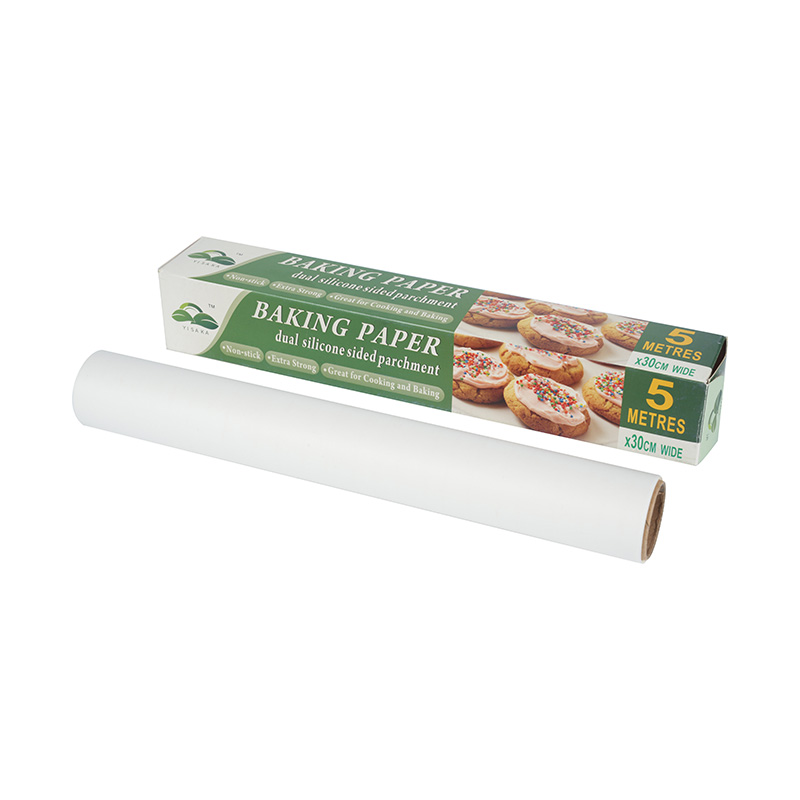
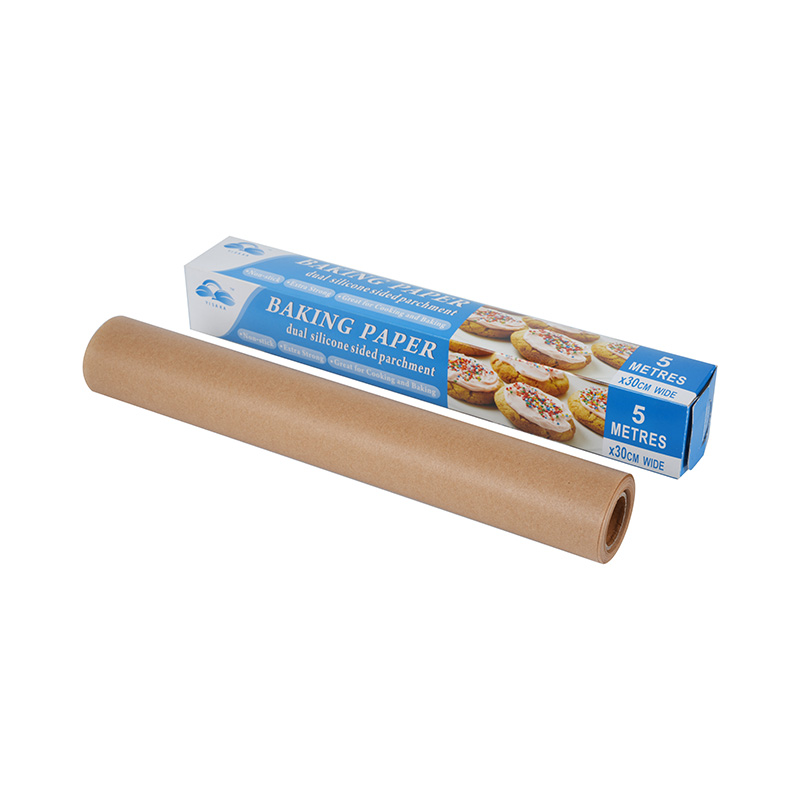
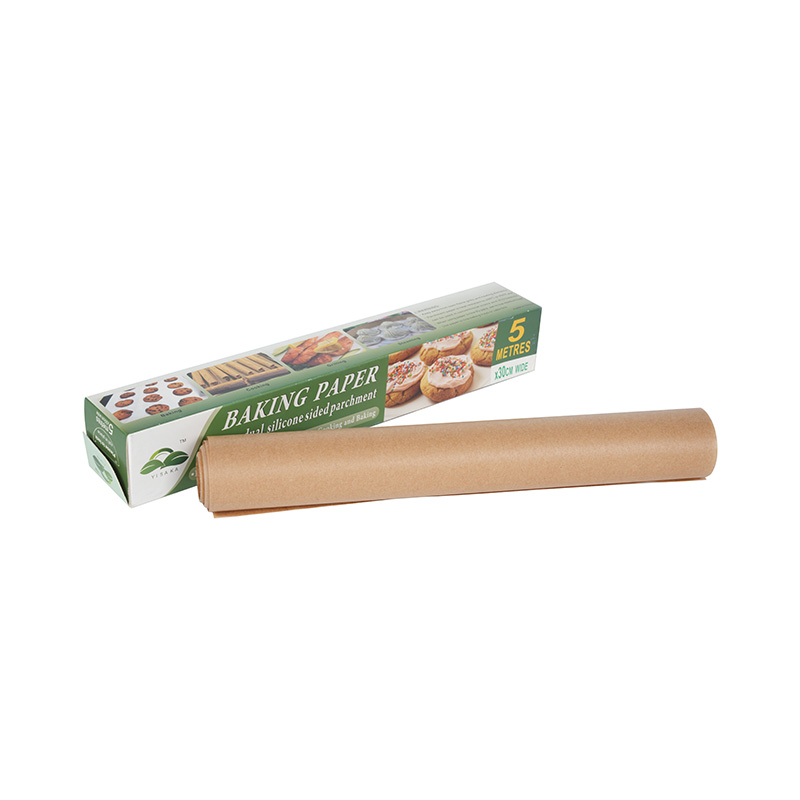
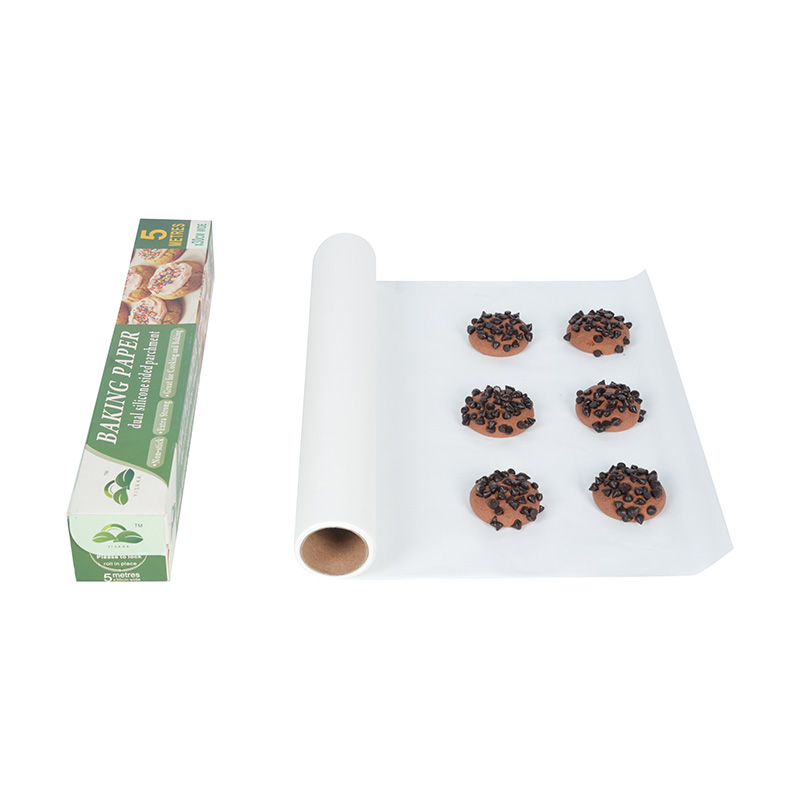
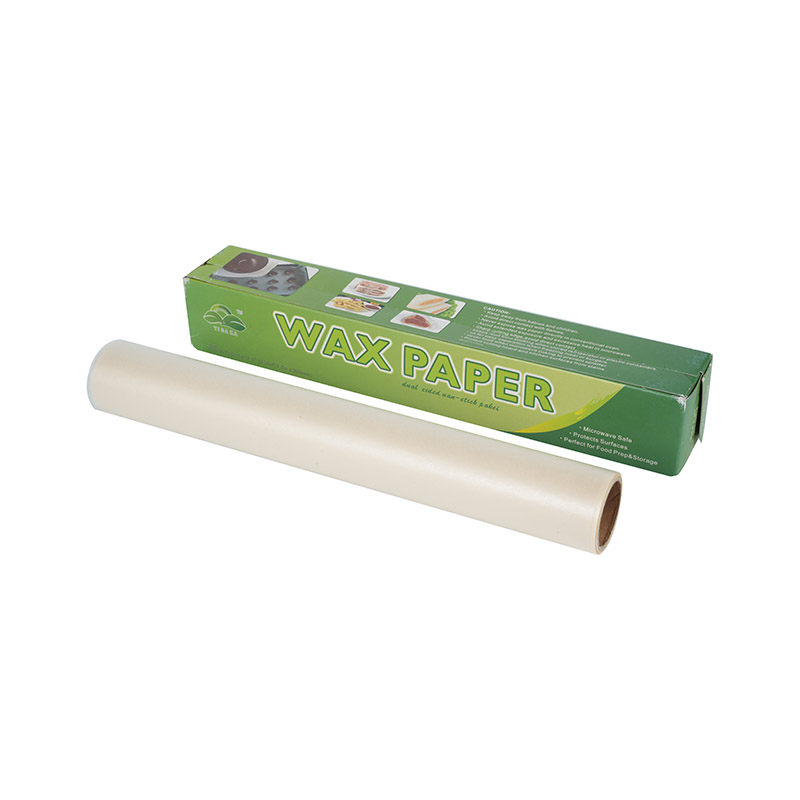
For bakery and food-service buyers, a roll format is often the most practical choice because it fits dispensers and can be cut to the exact tray size. A good roll should release cleanly, resist tearing when wet and stay flat on the tray without curling at the edges.
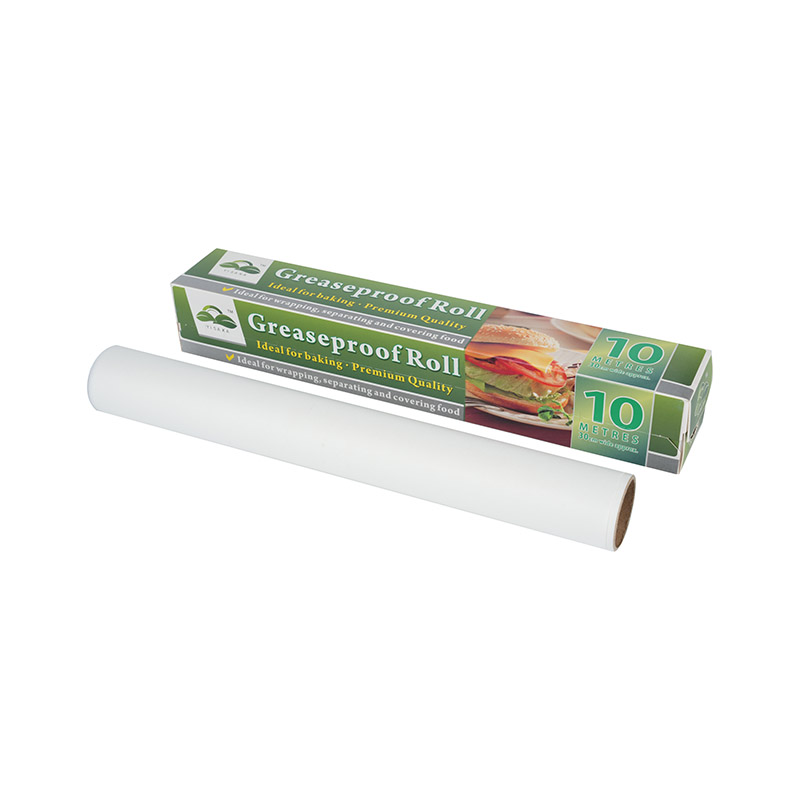 Premium Quality Greaseproof Paper Roll for BakingCoating Side Single SideView Product →
Certifications and Compliance
Because greaseproof paper touches food directly, compliance documentation matters as much as the paper itself. Buyers in Europe, North America and the Middle East typically ask for a set of certificates before approving a supplier, and a manufacturer that already holds them saves weeks of back-and-forth.
- FDA and EU food-contact approvals for the base paper and any coating or ink.
- FSC chain-of-custody documentation for buyers with sustainable sourcing targets.
- Kosher certification for confectionery, bakery and dairy customers with religious requirements.
- QS food production licensing and SGS third-party test reports covering migration and heavy metals.
- Factory-level hygiene systems such as HACCP and GMP-compliant plant design.
YISAKA holds FDA, SGS, FSC, EU, Kosher and QS certifications, and its factory operates under enclosed, HACCP-based hygiene controls with automated production and in-line inspection. For buyers, the practical advice is simple: ask for certificates that name the exact product and coating you plan to order, not just a company-level document.
Custom Printing, Sizes and MOQ
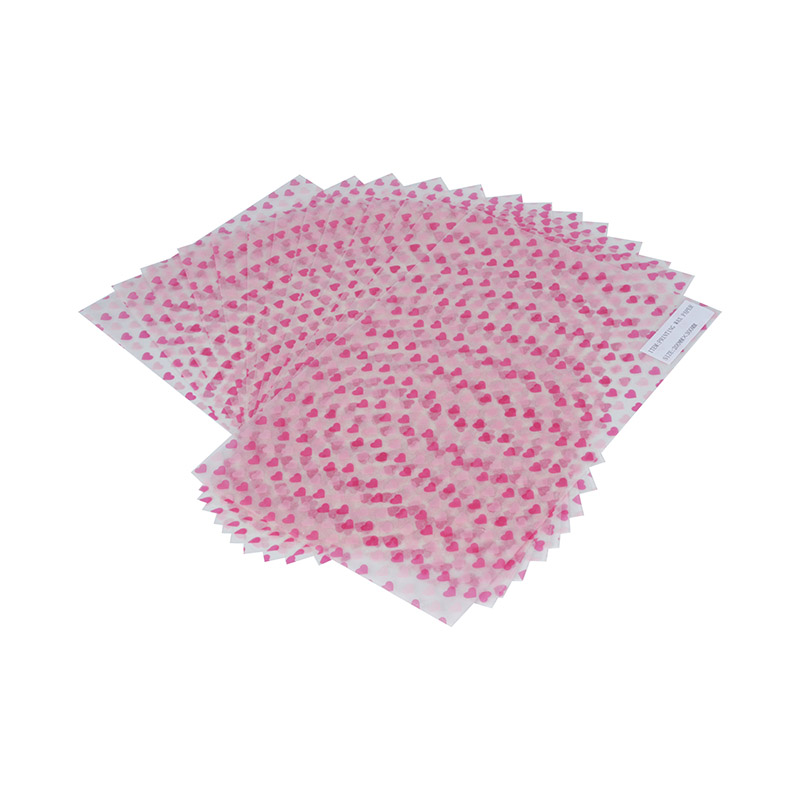
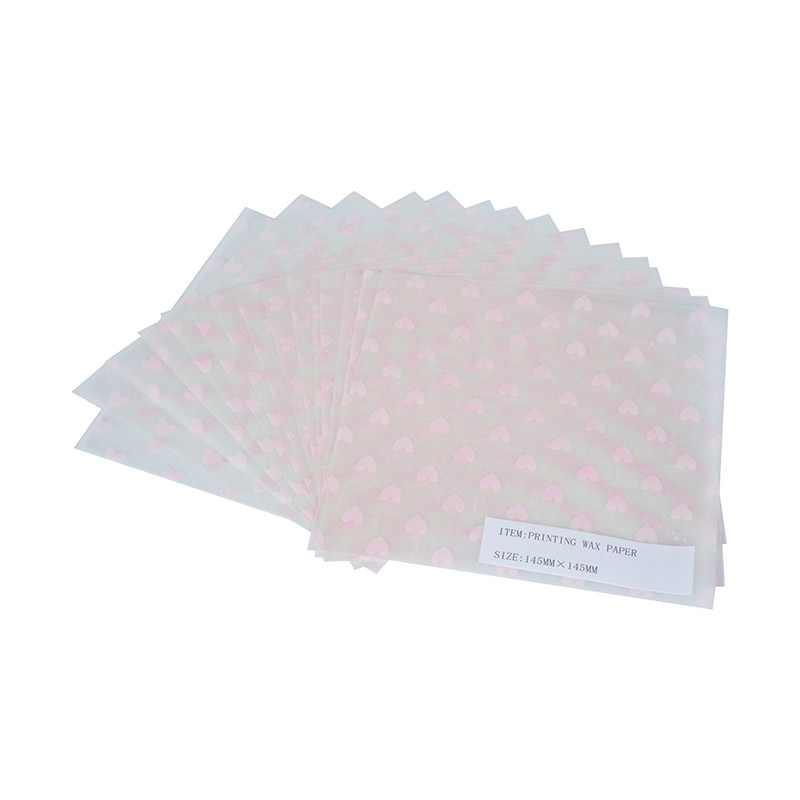
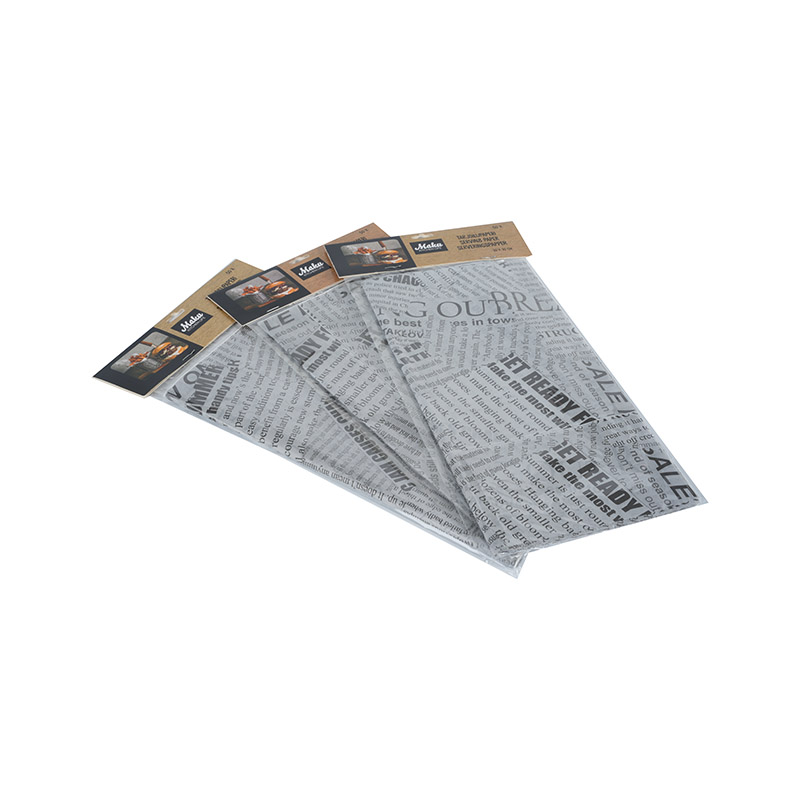
Greaseproof paper is frequently used as a branding surface. Fast-food chains print logos and patterns on burger wraps, bakeries print product names on tray liners, and confectioners use printed greaseproof for individual candies. A manufacturer offering customization should be able to confirm food-grade ink options, print registration tolerance, repeat lengths, roll width and core diameter before quoting.
Order quantity is the other practical variable. Printing setup creates a minimum run, while unprinted stock can often be supplied in smaller volumes. It is worth asking how minimum order quantities change between plain rolls, printed rolls and die-cut sheets, and whether the factory can hold stock for repeat call-offs.
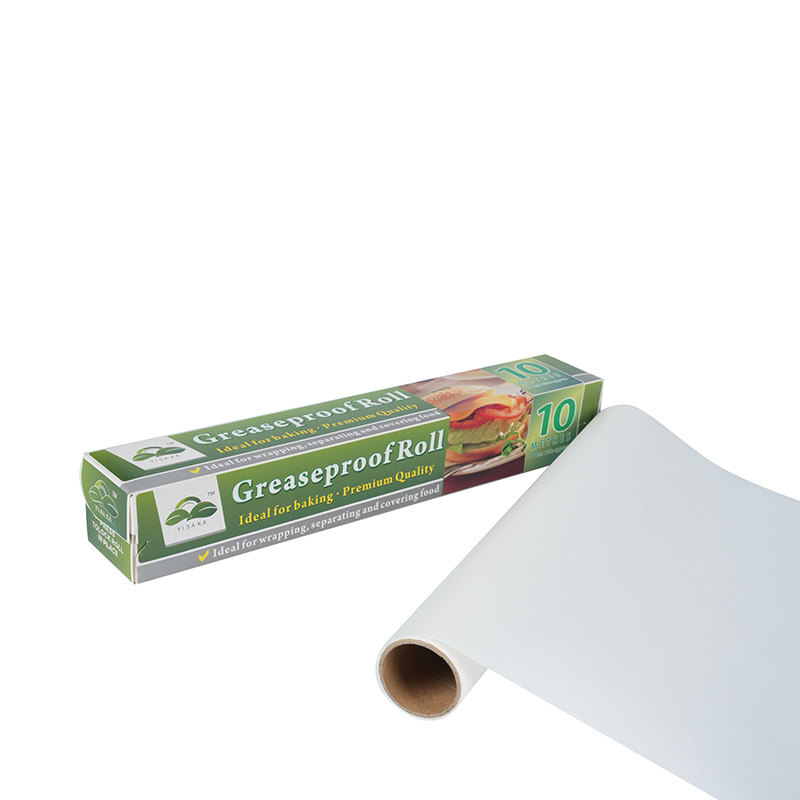 Disposable Food Packaging Printed Greaseproof PaperCoating Side Single SideView Product →
How to Evaluate a Greaseproof Paper Manufacturer
A short checklist keeps a supplier comparison objective, especially when quotes arrive in different formats.
- Ask for the actual grease resistance test method and results, not just a marketing claim.
- Request samples in the exact grammage, coating and format you intend to buy.
- Confirm that food-contact certificates reference the specific product and market.
- Test the sample on your own equipment for feeding, cutting, release and print quality.
- Check capacity and lead time against your seasonal peak, not your average month.
- Clarify who handles artwork, plate costs, packaging and shipping documentation.
Sourcing greaseproof paper rarely comes down to one factor. Barrier performance, format, print quality, compliance paperwork and delivery reliability all weigh into the decision, and the strongest manufacturers are the ones that can talk through each of them without guessing. YISAKA has been producing food packaging paper since 2013, with a 10,000 square meter plant, automated coating and converting lines, and annual capacity of up to 15,000 tons. If you would like to compare specifications or request samples, take a look at our food packaging paper range and send over your requirements.