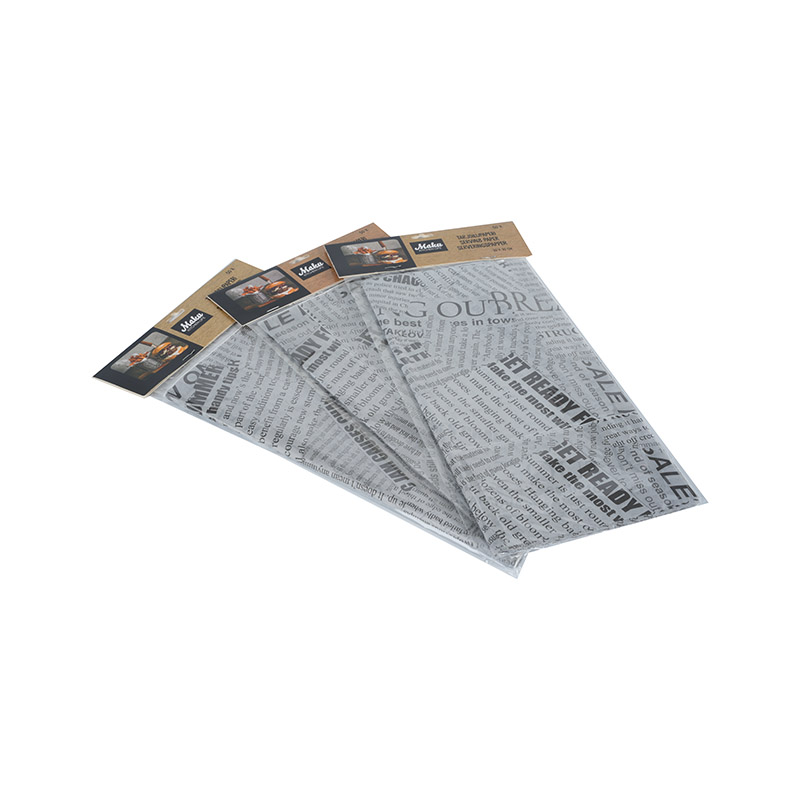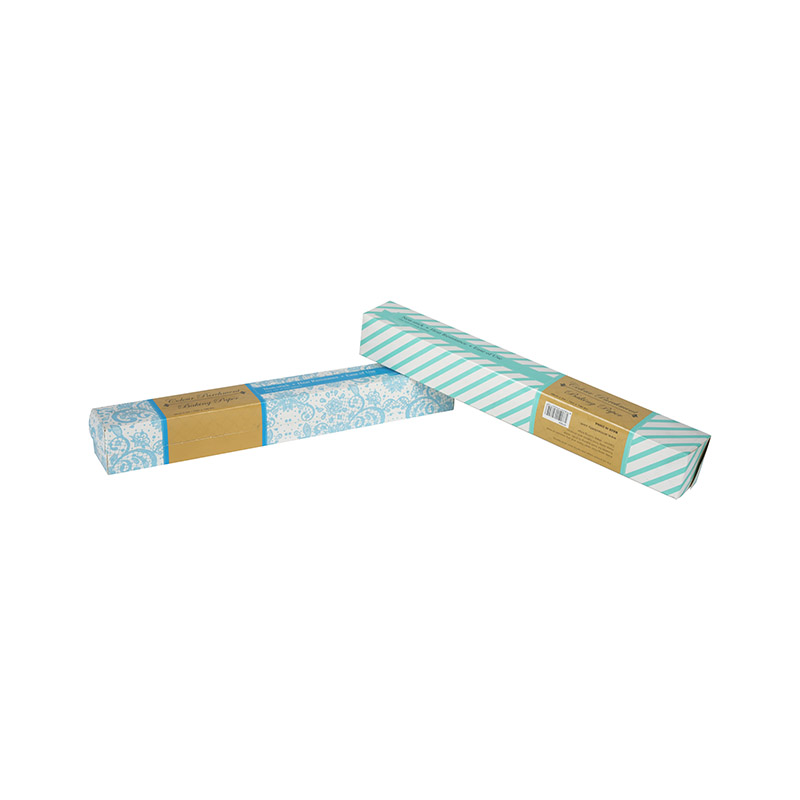
 English
 русский

Food packaging paper looks simple on a roll or in a stack, but the right sheet does a lot of quiet work. It keeps oil from soaking through a burger wrap, stops a baking sheet from sticking, protects a sandwich on the way to a customer, and helps a food brand look thoughtful before the first bite. We are a Hangzhou-based converter with more than a decade of experience in this category, and we have seen how often buyers struggle with the same question: which paper fits this food, this cooking method, and this supply chain?
This guide shares practical ways to compare food packaging paper by material, use case, compliance, and customization. It is written for bakers, restaurant teams, food processors, distributors, and private-label buyers who need a paper that performs in real service, not just on a specification sheet.
Content
What Food Packaging Paper Actually Does
Food packaging paper is a paper-based material used to wrap, line, separate, cook, or present food. It is rarely just “paper.” A base sheet may receive a silicone coating for release, a wax treatment for moisture resistance, a greaseproof treatment for oil holdout, or a print layer for branding. Each choice changes how the paper behaves with heat, fat, steam, cold storage, and direct food contact.
In everyday terms, food packaging paper may need to do several jobs at once:
- Create a barrier against grease, oil, moisture, or steam.
- Release cleanly from food, trays, and baking surfaces.
- Hold shape when folded, wrapped, or placed under a burger.
- Carry printed branding without compromising food safety.
- Support sustainability goals through responsible sourcing and material choice.
Because those jobs vary so much, “food packaging paper” is a family of products rather than one item. That is also why two papers that look similar can behave very differently in a kitchen or on a packing line.
Common Types of Food Packaging Paper
Our customers usually compare a handful of paper families. The names can overlap in different markets, so it helps to focus on what the paper is asked to do.
Greaseproof Paper and Wax Paper: Everyday Barriers
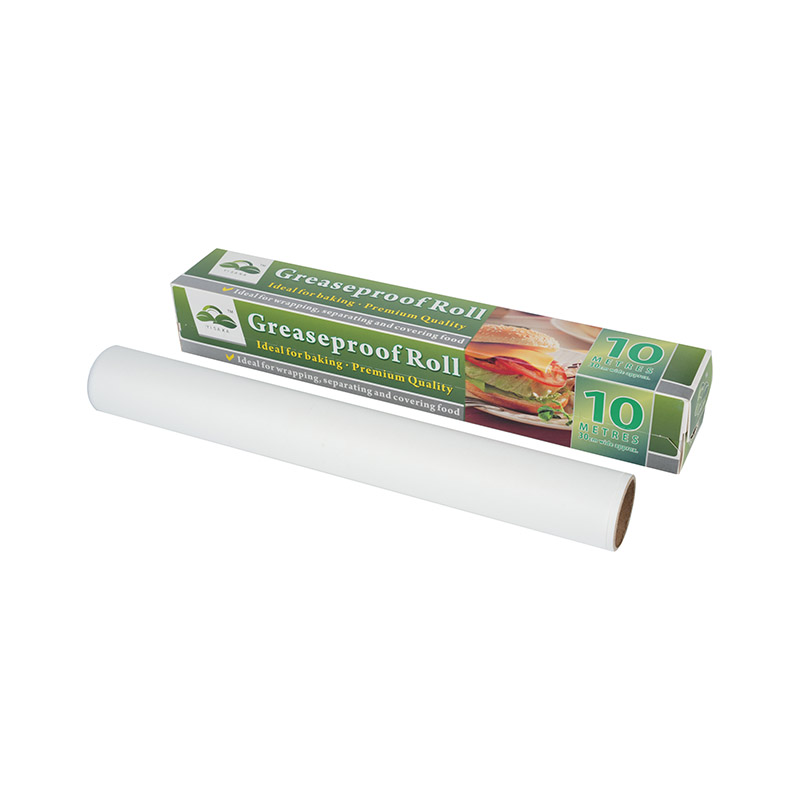
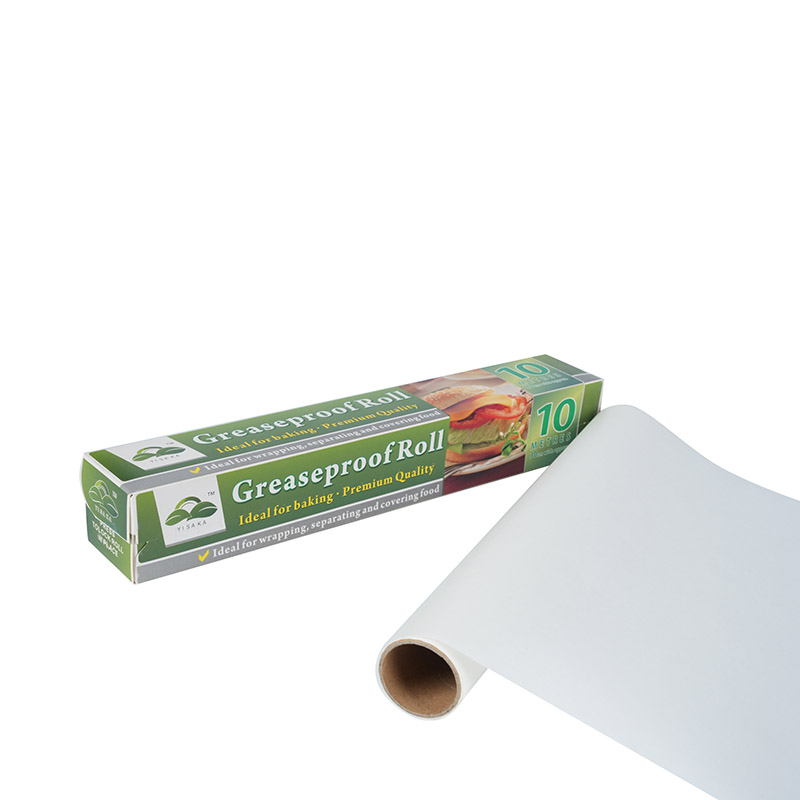
Greaseproof paper is dense and resistant to oil and fat. It is a familiar choice for wrapping burgers, separating portions, lining trays, and covering food during preparation. Heavier grades give more structure, while lighter grades suit quick-service wrapping and deli use. Wax paper adds a wax coating that improves moisture resistance, which makes it useful for cold storage, cheese, sweets, and short-term food preparation. For buyers who need a specific sheet size, coating level, or printed design, custom greaseproof paper can be produced around the food and packing format rather than selected from a single stock option.
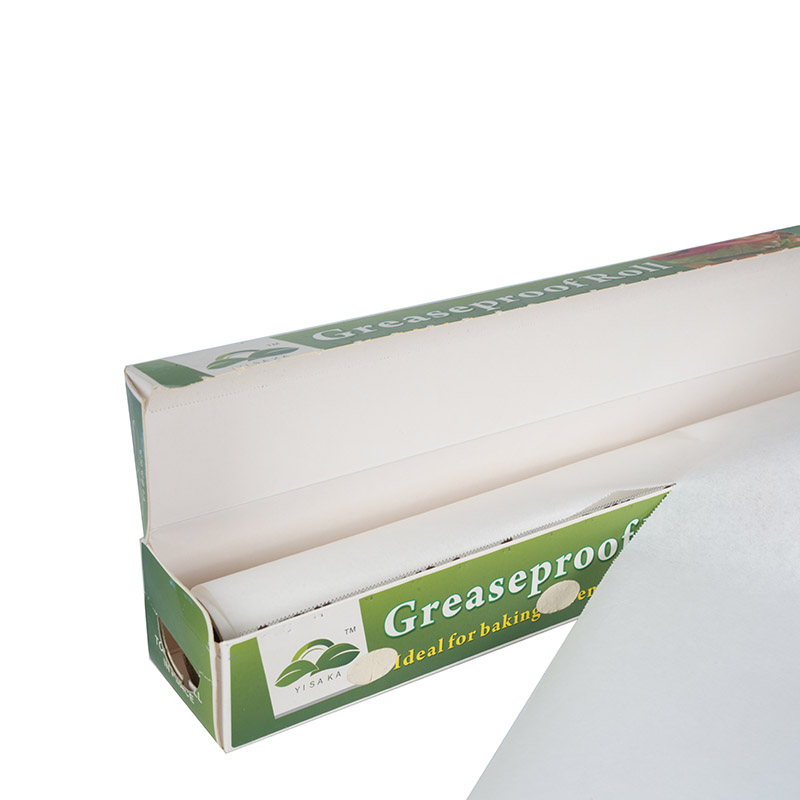 Custom Greaseproof Paper for Wrapping, Separating and Covering FoodCustomizable greaseproof paper in rolls or sheets, suited to food wrapping, separation, covering and tray lining where oil resistance and print options matter.View Product →
Wax paper should not be confused with baking parchment. A waxed sheet may be fine for wrapping a sandwich or covering a bowl, but its heat limit is usually lower than a silicone-coated baking paper. The intended use matters before the price comparison begins.
Parchment and Baking Paper: Release and Heat
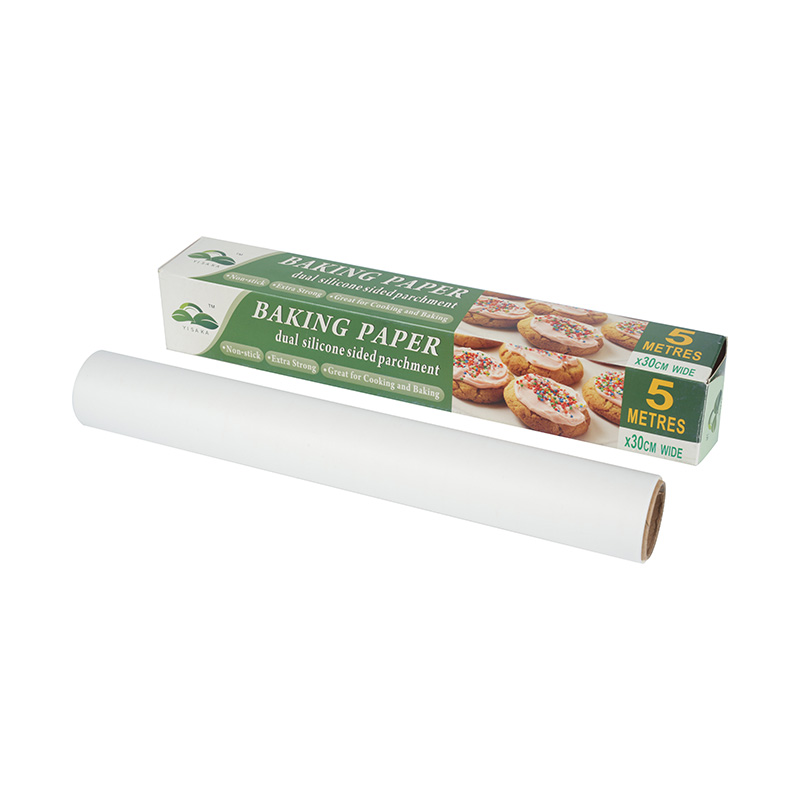
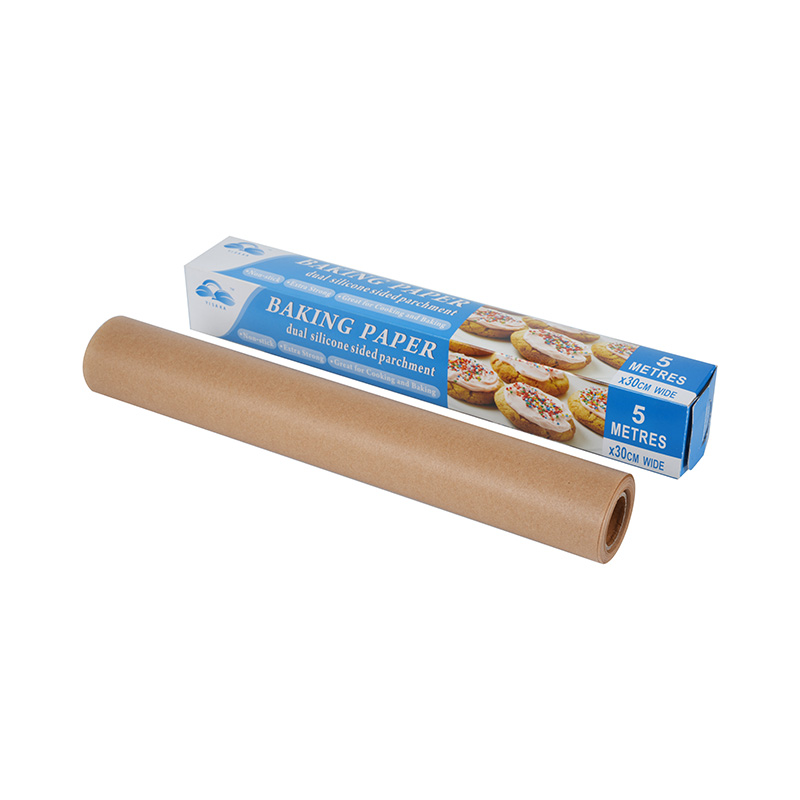
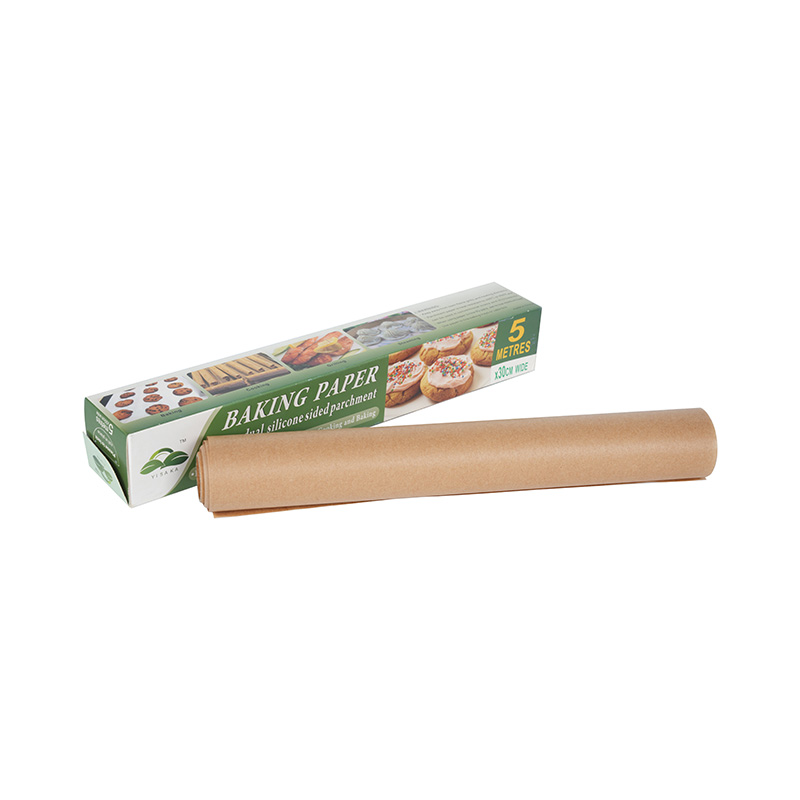
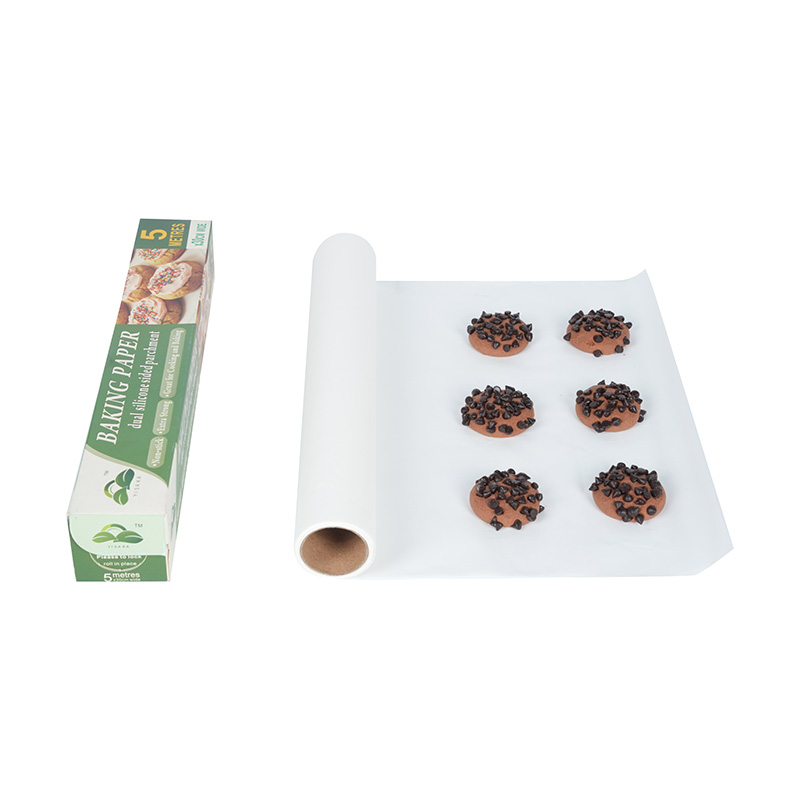
Parchment paper, also called baking paper, is normally coated with silicone so food releases cleanly from the surface. It is used for oven liners, baking sheets, roasting pans, air fryer baskets, and some steaming applications. Quality depends on the base paper, the silicone coverage, and how evenly the sheet performs across a hot surface. Printed high-heat parchment can also carry brand marks for bakeries and food service operators.
Specialty Wraps for Takeaway and Confectionery
Kraft and butcher papers provide strength and a natural look for barbecue, baskets, and casual takeaway. Printed deli and sandwich papers combine grease resistance with brand presentation. Steaming paper is designed for buns, dumplings, and dim sum, where steam movement and release matter as much as oil resistance. Candy wrap paper sits at the other end of the scale: it must twist, fold, and protect small confectionery items while keeping print detail sharp.
| Paper type | Best for | Why it works | What to check |
|---|---|---|---|
| Greaseproof / glassine | Burger wraps, portion separation, tray liners | Dense sheet resists oil and fat | Grammage, wet strength, printability |
| Parchment / baking paper | Oven lining, baking, roasting, air frying | Silicone release surface prevents sticking | Heat limit, coating coverage, sheet stability |
| Wax paper | Cold storage, cheese, sweets, food prep | Wax layer improves moisture resistance | Wax type, food contact approval, heat limits |
| Kraft / butcher paper | Barbecue, baskets, casual takeaway | Strong and breathable with a natural look | Food-grade status, grease holdout, strength |
| Printed sandwich / deli paper | Branded takeaway, deli counters, quick service | Combines barrier properties with brand display | Ink compliance, grease resistance, print registration |
| Steaming paper | Dim sum, buns, steam baskets | Supports steam movement and clean release | Perforation, heat tolerance, pulp quality |
How to Match Paper to the Food and the Service Style
The most reliable way to choose food packaging paper is to start with the food, then the cooking or packing method, then the customer experience. A paper that works beautifully for dry cookies may fail around a hot, oily burger.
Baking, Roasting, and Air Frying
Look for a parchment or baking paper with a clear heat rating and consistent silicone release. For air fryers, the paper should sit flat, allow air movement, and not block the basket perforations. For heavy roasting, a stronger sheet with good wet strength is more useful than a very thin liner that tears when lifted.
Burgers, Sandwiches, and Fried Takeaway
Grease resistance and fold strength are the priorities. A burger wrap must hold up against fat, steam, and handling without becoming translucent or weak at the seams. A sandwich wrap should protect the bread while still releasing cleanly when the customer opens it. Printed wraps need food-safe inks and a coating that does not break down where the paper creases.
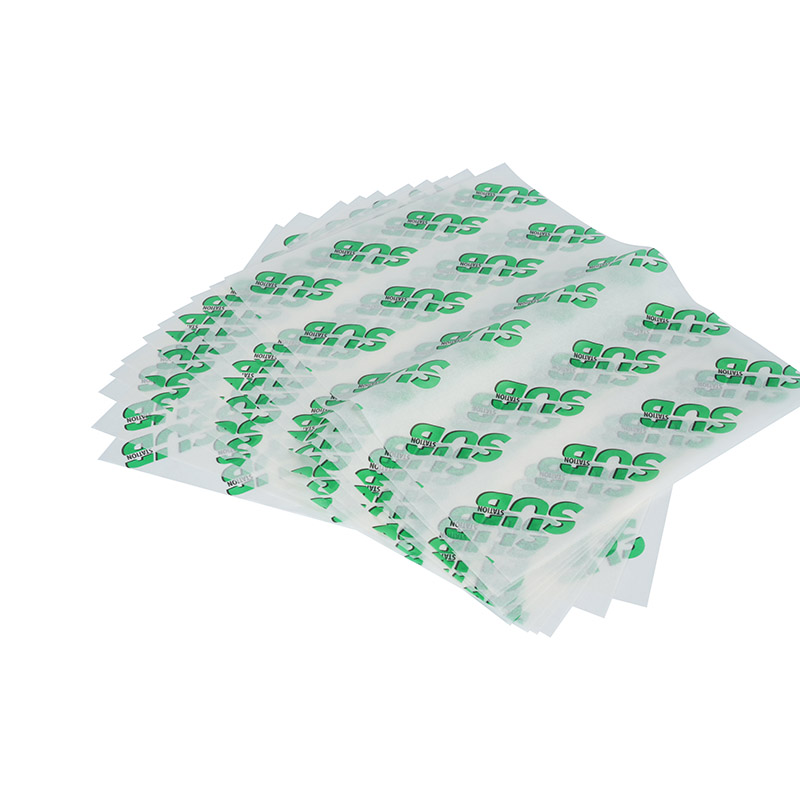 Greaseproof Hamburger Wrapping Paper for Takeout and Fast-Food ServiceVirgin wood pulp burger wrap with oil resistance, breathability holes and fold strength for takeout packaging, fast-food stacking and greasy food handling.View Product →
For high-fat fried food, ask for a greaseproof grade rather than assuming every waxed or deli sheet will perform the same way. The difference often shows up in the first few minutes of service, not in a sample photo.
Steaming and Dim Sum
Steaming paper needs to tolerate moisture and heat without turning mushy. Perforated rounds or sheets help steam circulate, while a nonstick surface keeps buns and dumplings intact. Buyers should confirm the paper’s behavior in the actual basket and at the actual steam time used in their kitchen.
Chilled and Frozen Storage
Wax paper is a familiar helper for covering food, separating portions, and wrapping items for short storage. For freezing, the paper must stay flexible at low temperature and resist moisture migration. Waterproof wax paper rolls are practical for preparation areas where staff need to pull, wrap, and store food quickly.
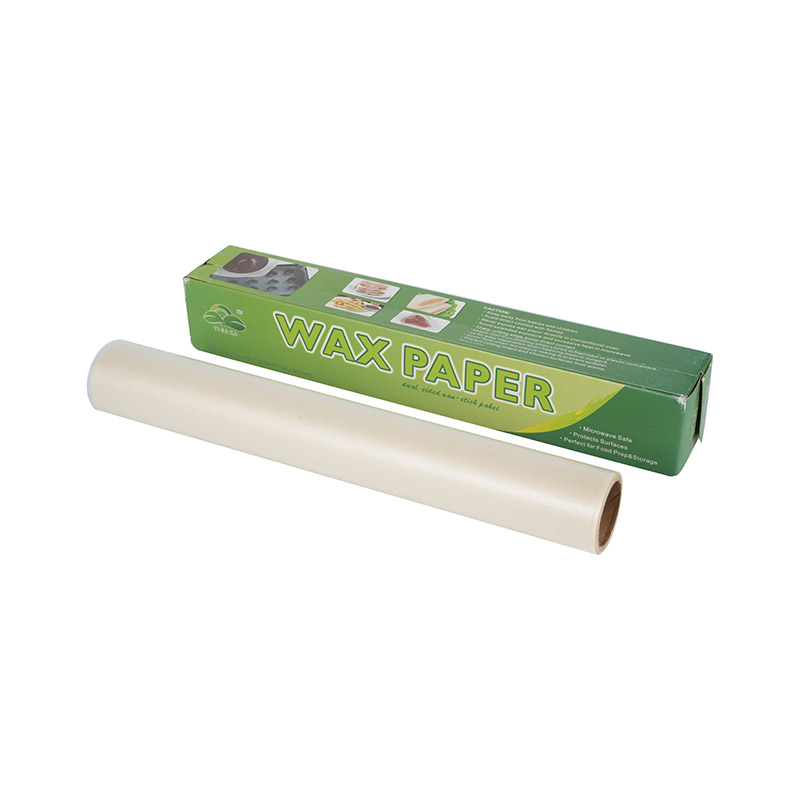 Waterproof Wax Paper Rolls for Food Preparation and StorageSingle-side wax-coated paper rolls for wrapping moist, oily or frozen foods, with flexibility and tear resistance for quick prep and storage tasks.View Product →
Clarity matters here: if the food will be reheated, check whether the paper is suitable for that method. A storage wrap and a microwave-safe sheet are not always the same product.
Confectionery and Branded Packaging
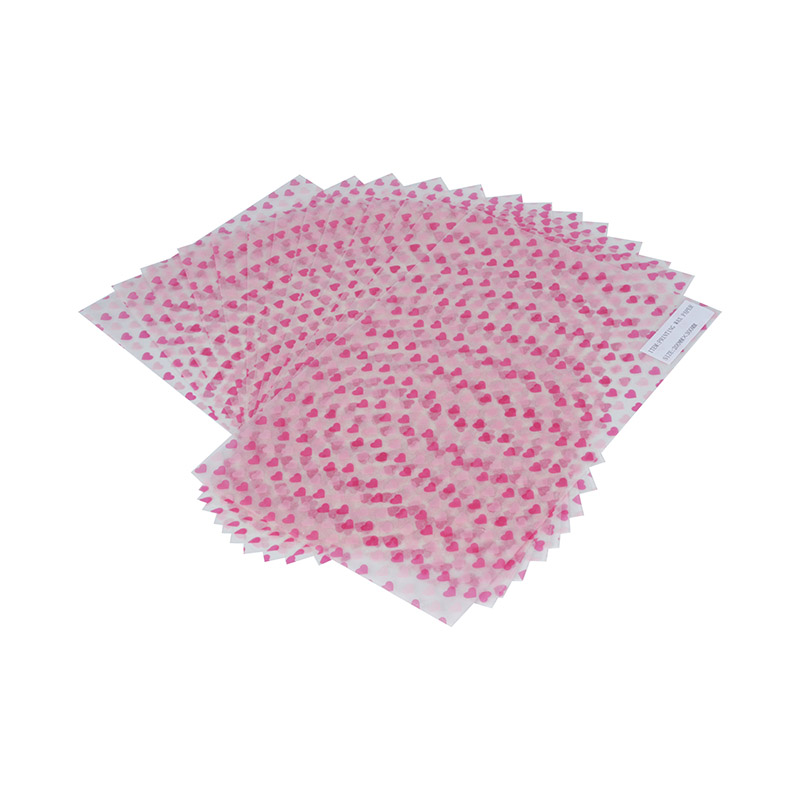
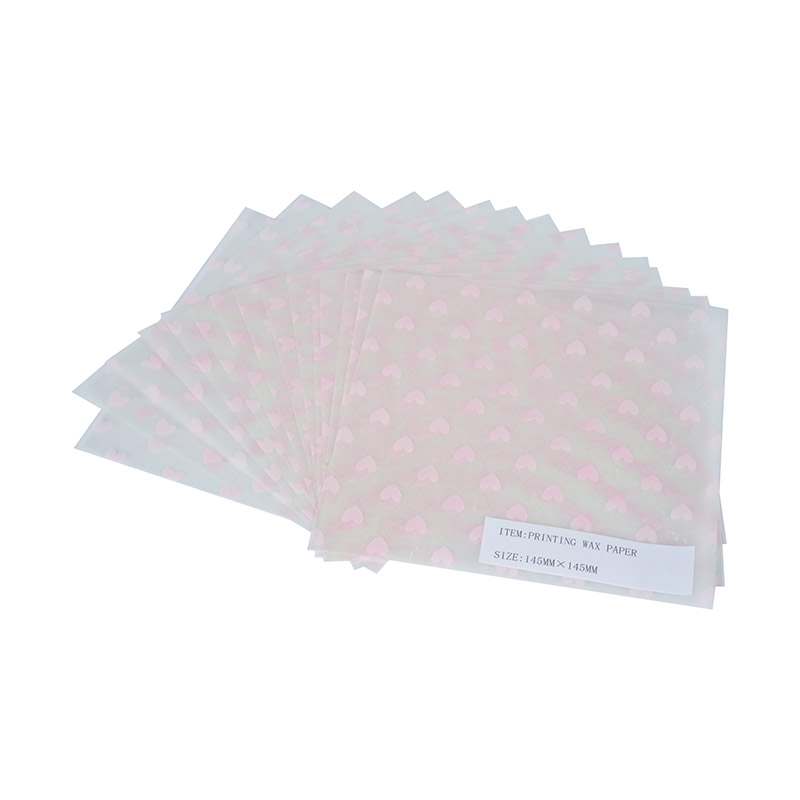
Candy wrappers need twist retention, print quality, and a reliable barrier for chocolate or sugar-based products. For seasonal and gift ranges, printed paper can carry color and pattern while still meeting food-contact requirements. Small format work often benefits from early sample trials because print registration and fold behavior are easier to judge on the actual wrapper.
What to Check Before You Buy Food Packaging Paper
Price per kilogram is only one part of the decision. A lower-cost paper that tears, stains, or fails compliance can cost far more in waste, complaints, and lost repeat orders. A practical buyer checklist includes:
- Food-contact compliance for the destination market, with supporting documents.
- Grease, oil, moisture, and steam performance at the intended serving temperature.
- Heat tolerance for oven, air fryer, microwave, or warming cabinet use.
- Sheet or roll format, fold behavior, and compatibility with existing packing equipment.
- Print method, ink safety, and whether the design will crack or fade at creases.
- Forest sourcing, recyclability, and the customer’s own sustainability claims.
- Batch consistency, lead time, and packing strength for export shipment.
It also helps to compare samples under real conditions rather than relying on a single data point. For a broader comparison of paper grades and applications, this guide to choosing the right food packaging paper is a useful next read.
Custom Food Packaging Paper: A Practical Factory View
Custom work usually begins with a simple brief: what food is being packed, how it is cooked or served, what format the kitchen needs, and what the brand wants the customer to see. From there, a converter can discuss base paper, coating weight, sheet or roll dimensions, print design, and export packing. Small differences at this stage can change how the paper runs on a packing line or how it feels in a customer’s hand.
At YISAKA, our team handles food packaging paper development, production, and sales from a factory in Hangzhou. We work with silicone paper, greaseproof paper, wax paper, baking paper, steaming paper, burger and sandwich wraps, candy wraps, and pan liners. Our R&D team can develop from customer drawings or samples, while production runs on automated lines with online inspection. The factory covers about 10,000 square meters, employs more than 80 people, and can reach an annual output of up to 15,000 tons. Products are exported to Europe, North America, Australia, Russia, the Middle East, Southeast Asia, South Africa, and other markets, with certifications including FDA, SGS, FSC, EU, Kosher, and QS.
That experience matters most when a buyer needs a paper that is food-safe, printable, and repeatable across shipments. You can review our food packaging paper range to see how the categories are organized around real kitchen and packing tasks.
If you are comparing food packaging paper suppliers, start with samples and a clear brief. Ask how the paper performs with the actual food, request the compliance documents for your market, and test the sheet or roll in the way your staff will use it. A supplier who understands those details is easier to work with than one who only quotes a price.
Tell us what you are packing, how it is cooked or stored, and how the finished pack should look. We will help you narrow the paper family, suggest a practical specification, and prepare a sample route so your team can judge the result before production begins.