 English
 русский

Greaseproof packaging paper looks like an ordinary sheet until a hot, oily burger or a tray of pastries tests it. The right grade keeps oil from bleeding through, holds its shape in a wrap, and lets the food look presentable rather than patchy. The wrong grade can feel dry, crack at the fold, or let grease mark the outside of a bag before the customer reaches the counter.
At YISAKA, we have spent more than a decade converting food packaging paper for bakeries, restaurants, distributors, and retail brands. We do not treat greaseproof paper as a commodity roll. It is a functional material whose fiber, formation, coating, and finish all need to match the job.
Content
- 1 What Makes Greaseproof Packaging Paper Different?
- 2 Where It Works Best in Food Packaging
- 3 Greaseproof, Wax, or Parchment?
- 4 Choosing the Right Grade for Your Product
- 5 Printing and Dispensing Without Spoiling Performance
- 6 Sustainability and Compliance Questions Worth Asking
- 7 Practical Buying and Storage Notes
What Makes Greaseproof Packaging Paper Different?
Greaseproof packaging paper is a paper-based barrier made by refining wood pulp until the fibers are dense and the sheet has very low porosity. The paper is usually calendered, or pressed smooth, to close the surface further. That dense structure is what slows oil and grease from passing through. Some grades also carry a coating or a release finish to improve performance for specific foods.
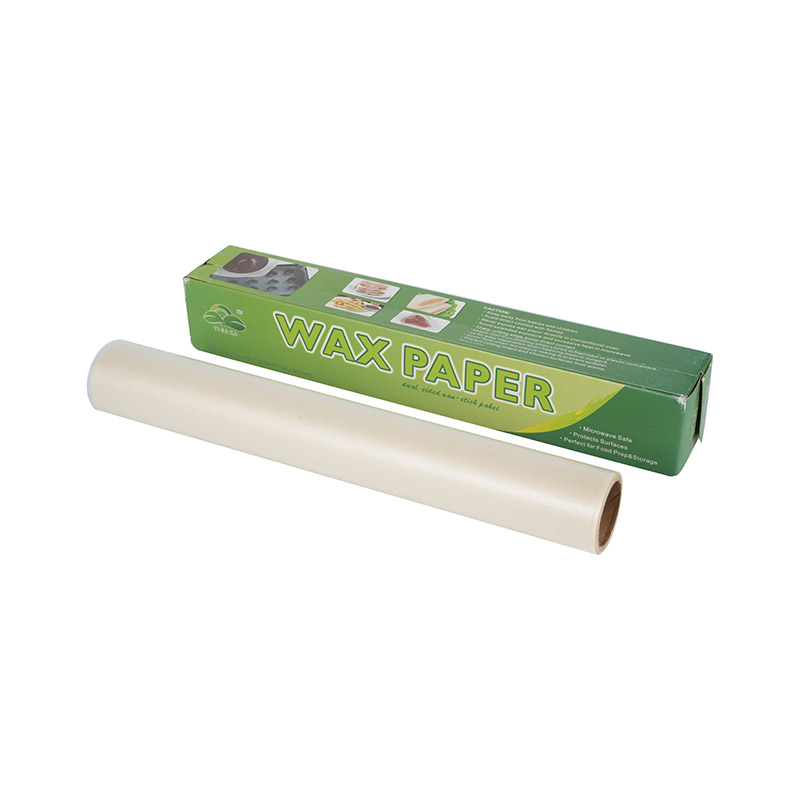
It is not the same as wax paper, which relies on a wax layer, or silicone-coated parchment paper, which is designed mainly for release and high heat. A standard greaseproof sheet is at its best when the job is wrapping, separating, lining, or protecting food from oil marks. A coated baking grade may also handle oven use, but that depends on the supplier's specification.
Not every greaseproof sheet behaves the same way. A light sheet for a sandwich wrap feels different from a heavier sheet for a takeaway basket liner or a printed food-service wrap. Coatings can improve grease holdout, but they can also change heat resistance, printability, and how the paper behaves at the fold. Buy by specification and application, not by the name alone.
Where It Works Best in Food Packaging
Wrapping and separating
Greaseproof paper is a natural fit for burgers, sandwiches, pastries, cheese, deli items, and small baked goods. It folds without cracking, twists neatly, and keeps oil away from the outer packaging. In a busy service line, the paper also separates portions so they do not stick together before packing.
Lining baskets, trays, and delivery boxes
A greaseproof liner gives a clean barrier between food and a basket, tray, or box. It is useful for fried or oily items where the packaging would otherwise show grease. For food that needs oil absorption, a separate absorbent paper may be better. Greaseproof paper is primarily a barrier, not a sponge.
Baking, freezing, and display
Some greaseproof grades are made for light baking and reheating, while standard grades are better for cold and room-temperature use. Always check the heat limit. In frozen storage, greaseproof paper can separate portions and reduce surface drying, but it should be paired with suitable freezer packaging when moisture control matters.
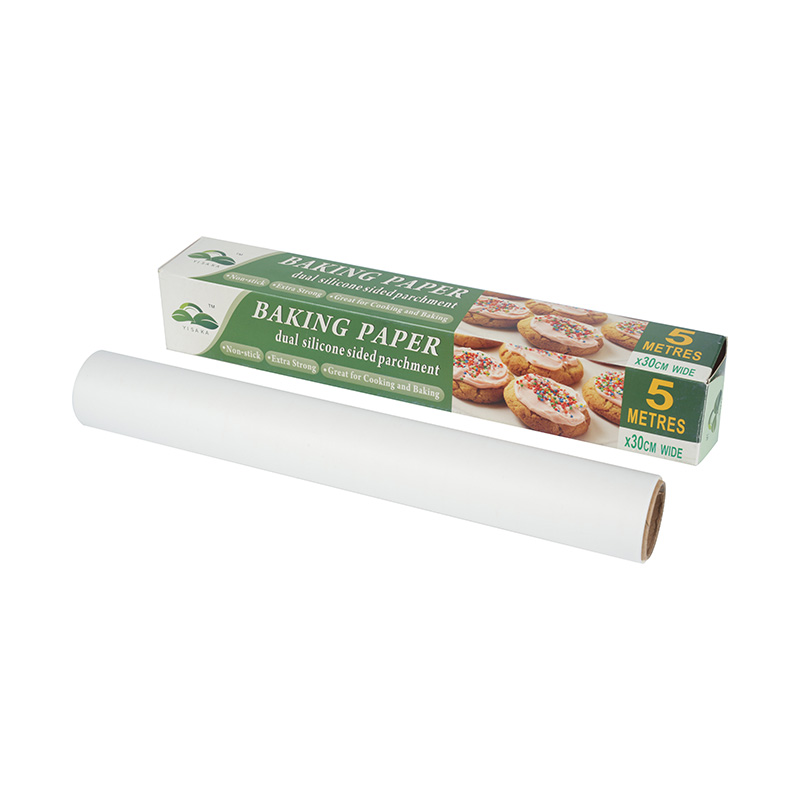
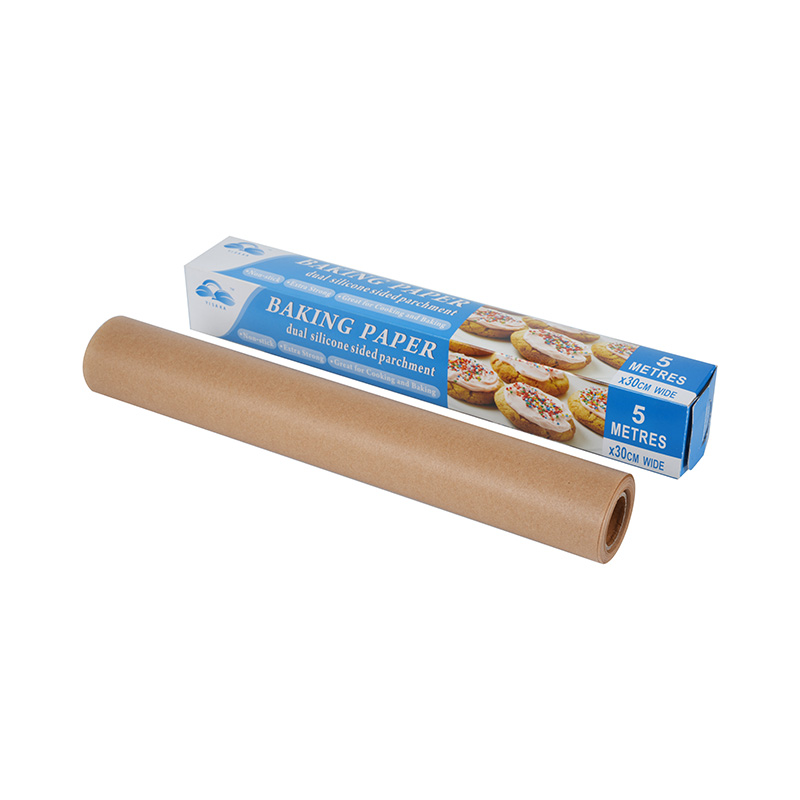
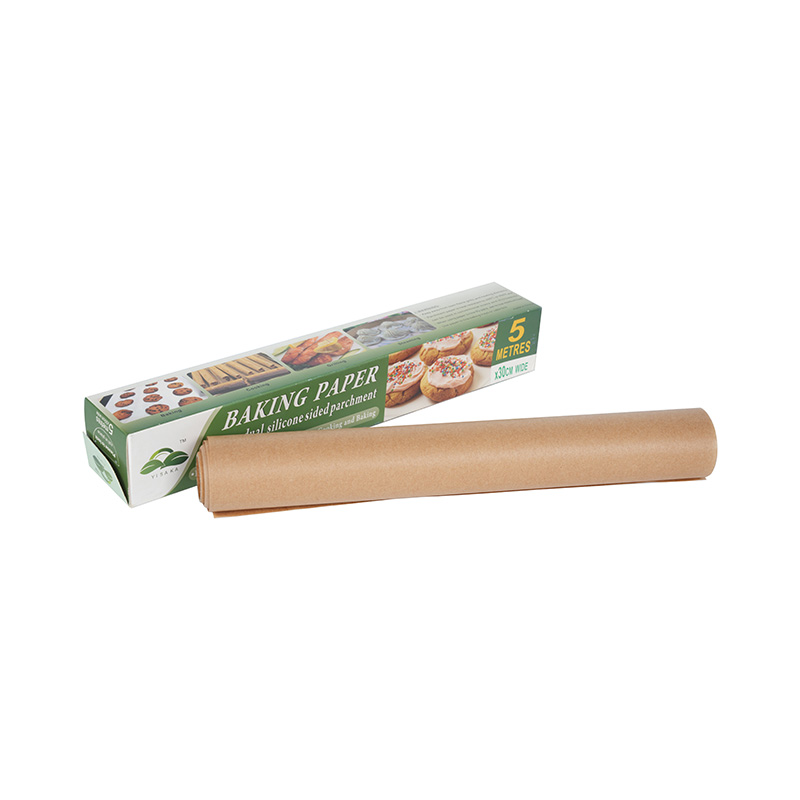
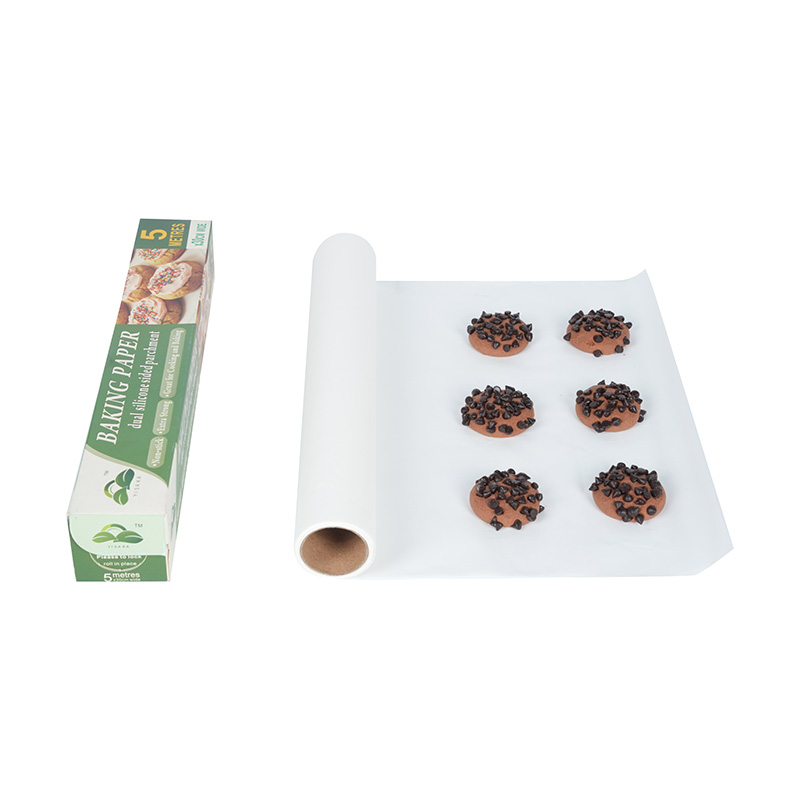
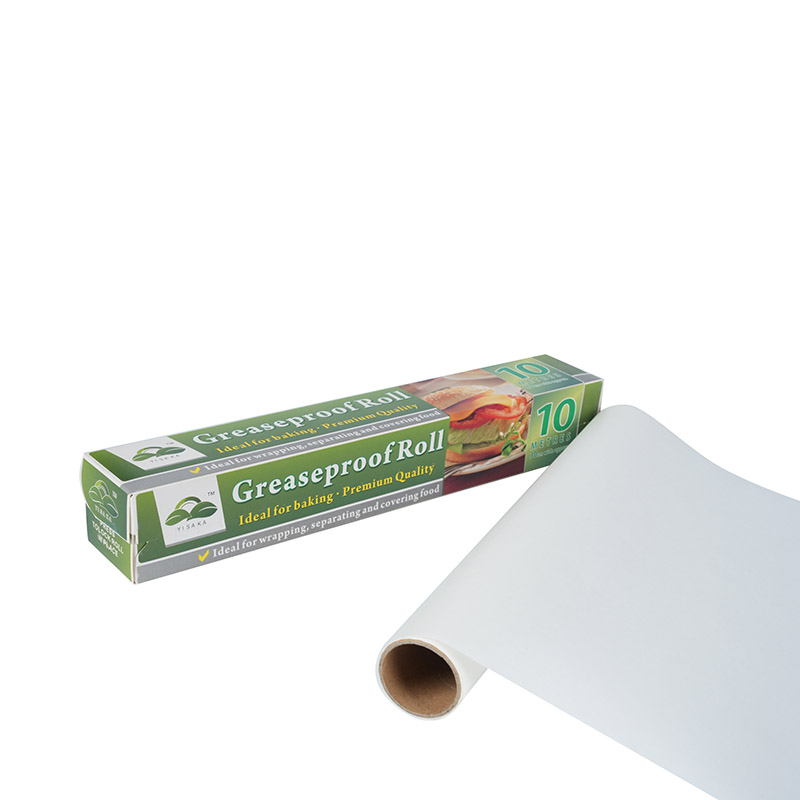
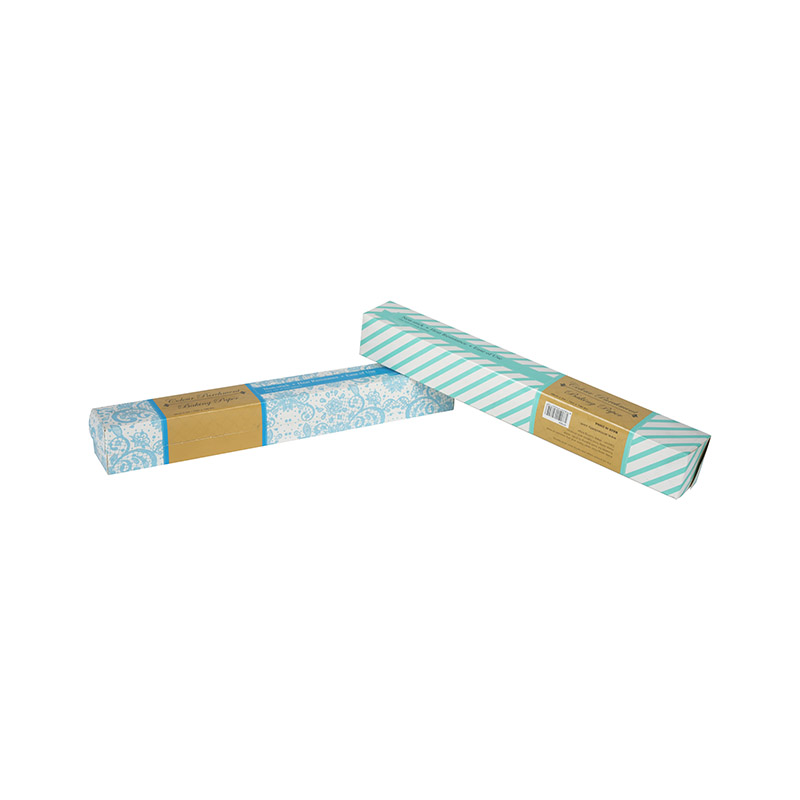
For bakery teams that need a roll for wrapping, lining, and light oven work, a premium grade gives more flexibility than a thin sheet.
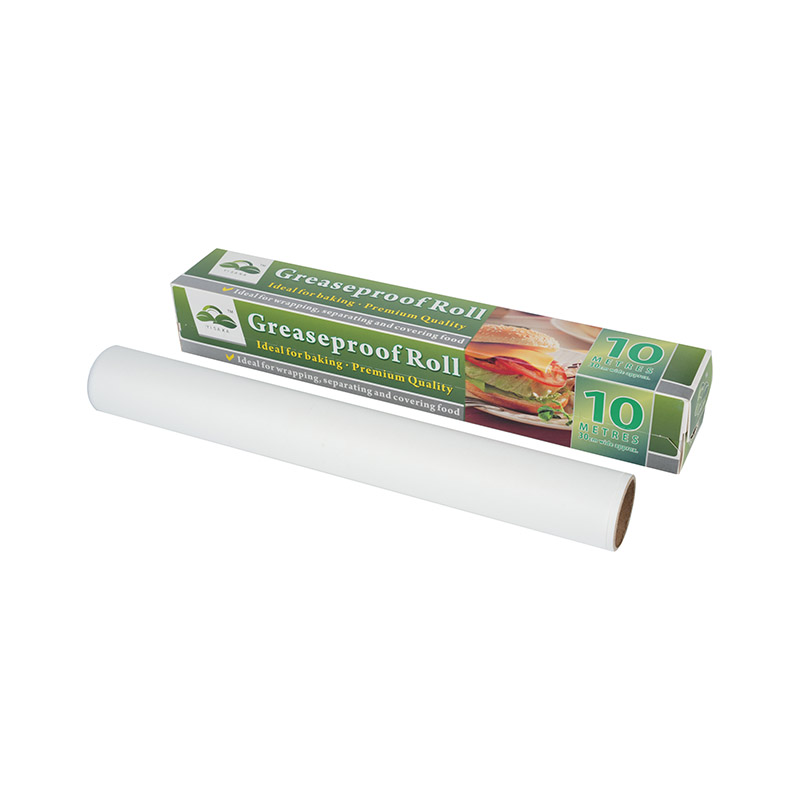 YISAKA Premium Greaseproof Paper Roll for BakingA premium greaseproof roll for bakery wrapping, pan lining, and light oven work, made from virgin wood pulp and available in multiple roll sizes.View Product →
Greaseproof, Wax, or Parchment?
The names get used interchangeably in everyday kitchen talk, but they solve different problems. The table below gives a practical starting point. For a deeper comparison, see our guide to greaseproof paper vs parchment paper.
| Material | Grease resistance | Heat notes | Typical packaging uses |
|---|---|---|---|
| Greaseproof packaging paper | High, depending on grade and coating | Moderate; check whether the grade is oven safe | Wraps, liners, bags, food-service sheets |
| Wax paper | Moderate; wax can transfer in heat | Low; wax may melt | Cold storage, deli wraps, candy, prep |
| Parchment paper | High with silicone release coating | High; made for baking and roasting | Pan lining, baking, roasting, release work |
Choosing the Right Grade for Your Product
Start with the food, not the price. A fatty, acidic, wet, or hot product puts different demands on paper than a dry pastry. The hold time also matters. A wrap that sits under a heat lamp for ten minutes is a different job from a sandwich that goes into a chilled display for a day.
- Match the barrier to the food: oil, moisture, and aroma all affect the choice.
- Check heat exposure: wrapping, warming, baking, and freezing need different specifications.
- Decide between rolls, sheets, and interleaved sheets based on your service line.
- Ask for basis weight, grease-resistance method, and food-contact documentation.
- If your market restricts certain grease-barrier chemistries, request a written declaration rather than assuming that paper means coating-free.
We often build custom greaseproof paper to a customer's width, sheet size, coating, and packing format. That is useful when a standard roll creates too much waste or when the paper needs to run on a specific wrapping machine.
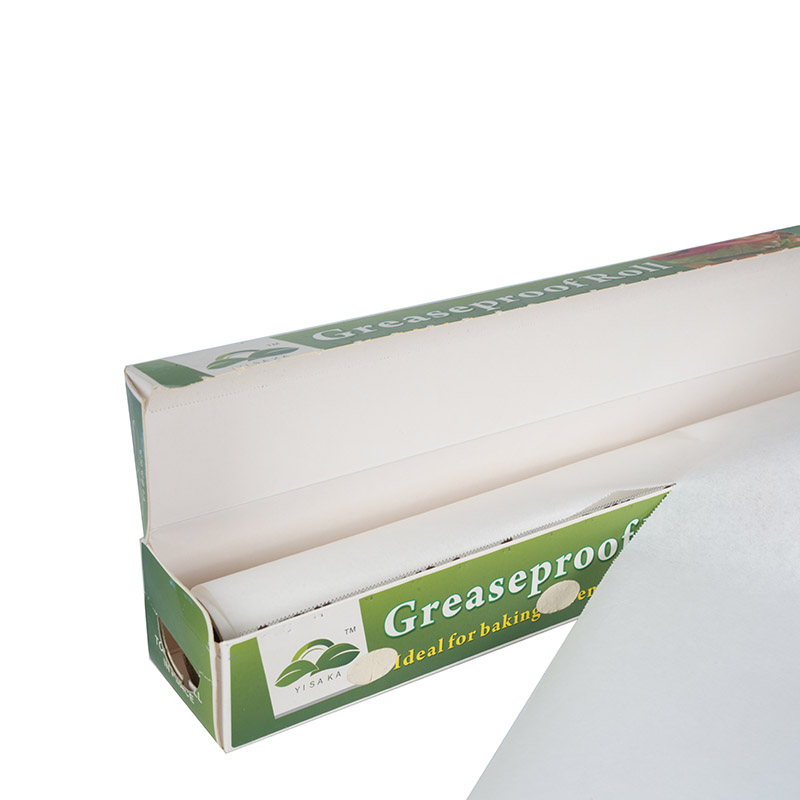 Custom Greaseproof Paper for Food Wrapping and BakingA customizable food-contact greaseproof paper for wrapping fried foods, separating layers, and covering baking trays, with options for rolls, sheets, printing, thickness, and texture.View Product →
Printing and Dispensing Without Spoiling Performance
Printing turns a plain barrier sheet into a brand touchpoint, but it needs care. Food-safe inks and the right print side matter. Heavy ink coverage can affect how the paper folds and how well the grease barrier performs, so it is wise to proof on the production paper rather than on a generic sheet. Roll width, core size, and repeat length should also fit the dispenser or wrapping line.
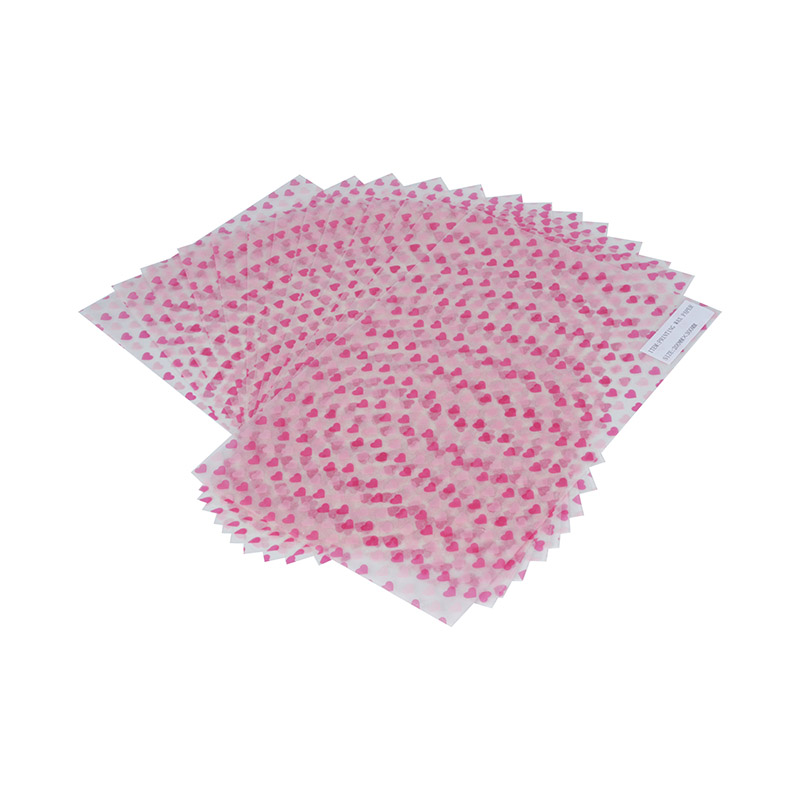
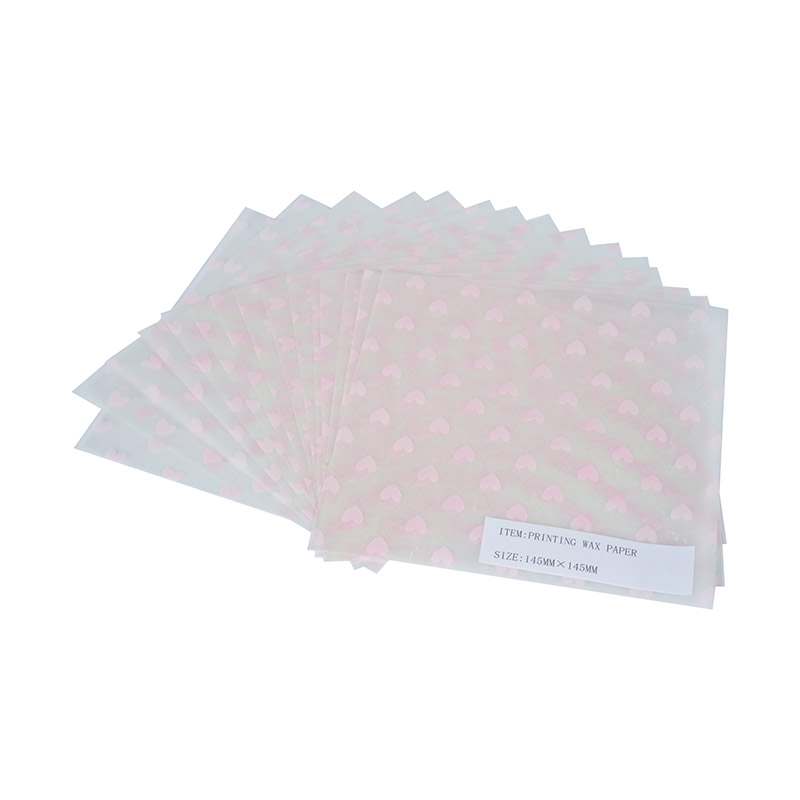
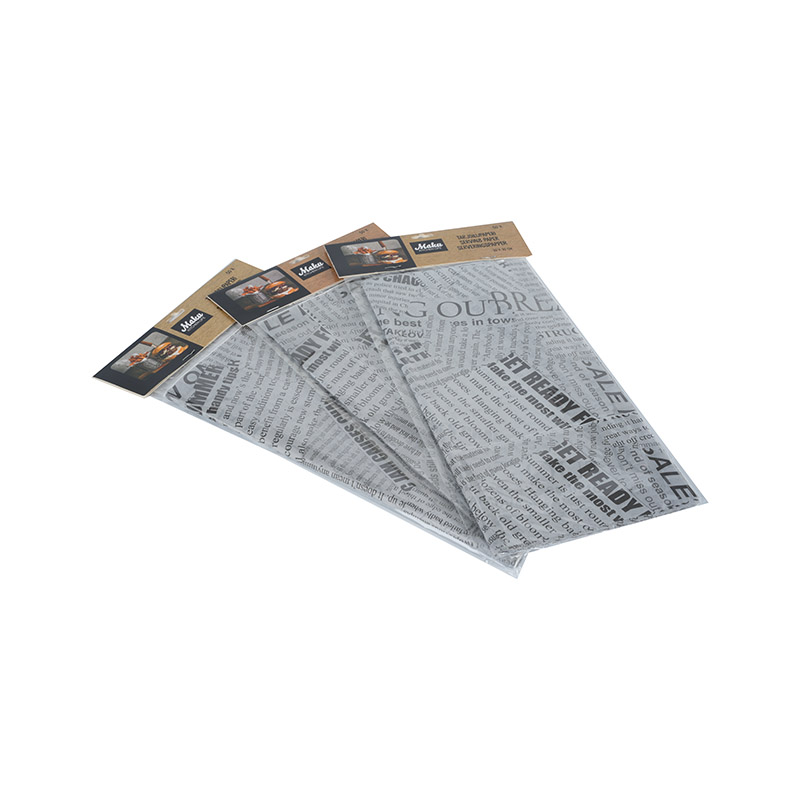
For restaurants and retail brands that want a printed sheet for burgers, sandwiches, or basket liners, a disposable printed grade can keep the look consistent across locations.
Sustainability and Compliance Questions Worth Asking
Greaseproof paper is often described as an eco-friendly choice because it is paper-based, but the honest answer is more nuanced. Recyclability depends on coatings, inks, and food residue. Compostability claims need recognized certification, not just a paper feel. Forest certification supports responsible fiber sourcing, while FDA, EU, or other food-contact documents address safety. These are separate issues and should be checked separately.
A good supplier will explain the difference between a standard grade, a coated grade, and a release grade without hiding behind vague terms. That clarity matters more than a long list of claims.
Practical Buying and Storage Notes
- Buy to your realistic use-up rate. Paper can pick up moisture and lose crispness in storage.
- Keep rolls horizontal in the original wrap, away from strong odors and damp floors.
- Store printed lots together so color stays consistent between production runs.
- Test a full case on the line, including folding, wrapping, and any heat exposure.
- Ask for the barrier test method and the recommended food-contact side before ordering.
Greaseproof packaging paper does a quiet job, but it is rarely a place to guess. Choose by the food, the heat, the fold, and the compliance file. When those pieces line up, the paper disappears into the service routine and lets the food do the talking. If you are comparing grades or planning a custom print run, we are glad to walk through the options with you.